


Tribal Wool Tassel Pouch
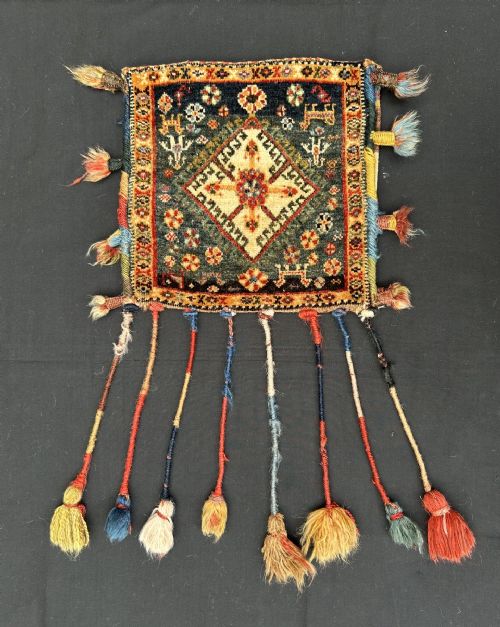
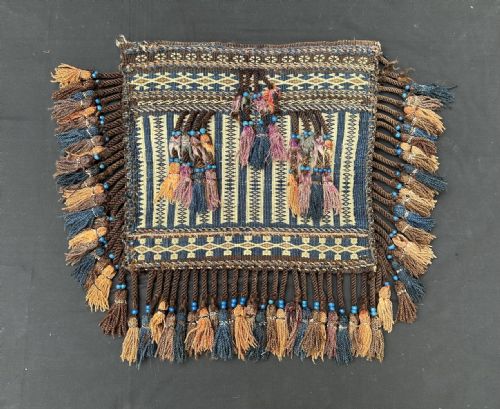
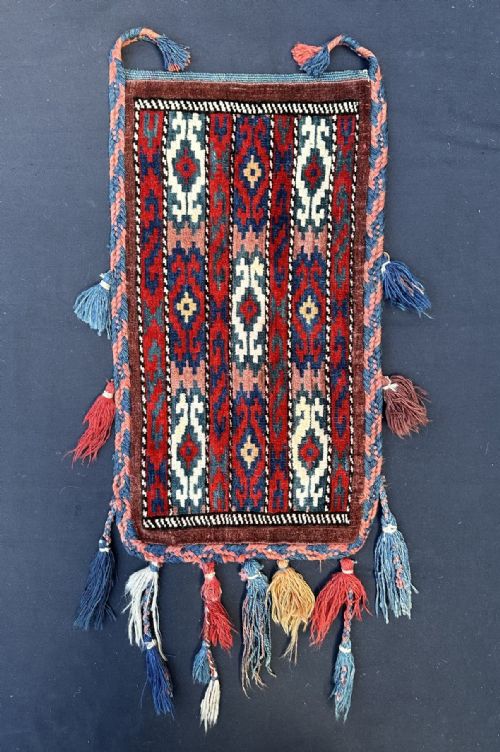
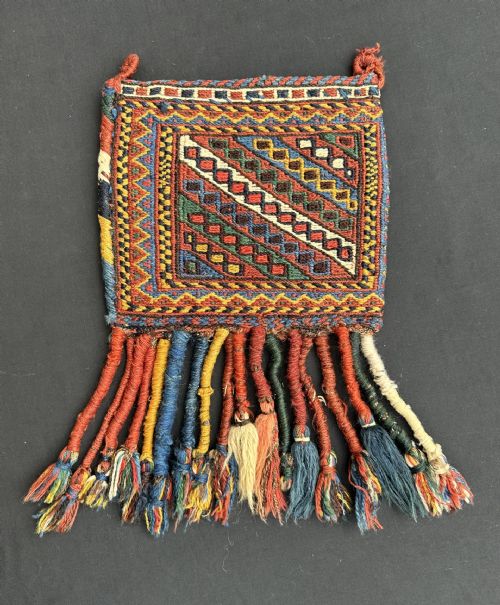
These tribal wool tassel pouch examples are nomad-made storage bags and trappings woven with traditional patterns, prized for their genuine utility and rich textile history.
Tribal Wool Tassel Pouch
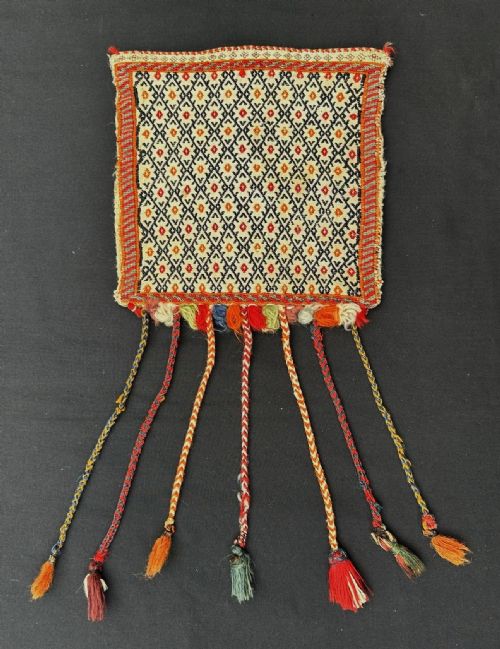
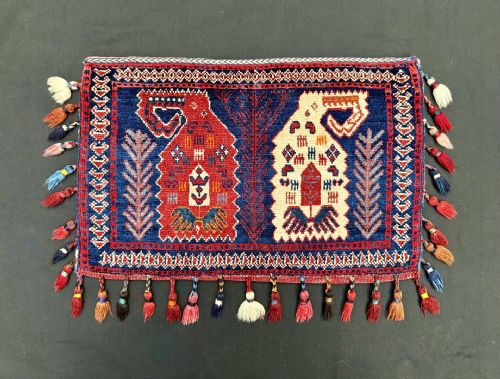
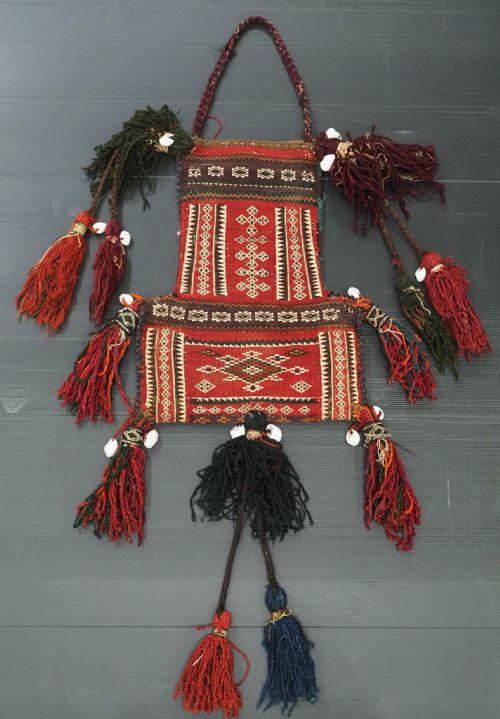
A tribal wool tassel pouch is an antique storage bag or textile trapped in nomadic tradition, originating mainly from Persian and Central Asian regions between eighteen eighty and nineteen twenty. You encounter forms such as vanity bags, spindle bags, salt bags, and torba ilgich pieces that served practical purposes within tribal life.
The regional origins span south-west Persia, Afghanistan, and Turkmenistan, linking directly to groups like the Qashqa'i, Baluch, Yomut, Afshar, and Lakai Uzbek. These items reflect specific tribal identities through their distinct structural forms and utilitarian designs.
Most examples function as small personal containers or domestic storage units, carrying the physical markers of nomadic craftsmanship from the late nineteenth and early twentieth centuries.
Judging quality in nomadic textiles
Quality rests upon the tightness of the weave, the clarity of the regional design, and the integrity of the natural dyes used across the wool and cotton surface. Finer examples maintain structural balance while displaying precise execution of traditional motifs.
The preservation of original supplementary materials such as glass beads, cowrie shells, and silk threads distinguishes superior pieces. Retention of these fragile decorative additions demonstrates careful historical survival.
Listings span the period from eighteen eighty to nineteen twenty, featuring wool, cotton, natural dyes, silk, glass beads, and cowrie shells.
The Tribal Wool Tassel Pouch Glossary
- Torba
- A small storage bag produced by nomadic groups in Central Asia. It typically hangs inside a tent to hold personal belongings or household items.
- Namakdan
- A traditional salt bag woven by nomadic weavers. These pieces usually feature a narrow neck and expanded body designed for storing rock salt.
- Natural Dyes
- Colourants derived from plants, insects, and minerals rather than synthetic compounds. They produce the varied, stable hues found across antique tribal textiles.
- Cowrie Shells
- Small marine shells sewn onto textile surfaces for decoration and protection against misfortune. They appear frequently on tribal bags and trappings.
Tribal Wool Tassel Pouch: Frequently Asked Questions
What were these pouches used for?
These pieces served as practical storage items within nomadic households, carrying items such as spinning tools, salt, or personal vanity objects.
They functioned as portable containers that travelled with families across steppes and tribal territories.
How do I care for antique wool bags?
Keep them out of direct sunlight to protect the natural dyes from fading over time. Gentle surface cleaning with a soft brush helps remove dust without damaging the fibres.
Avoid hanging heavy items inside antique pouches, as the historical wool and cotton can stretch under undue weight.
Where did these woven bags originate?
The pieces originate primarily from regions across Persia, Afghanistan, and Turkmenistan. Specific confederacies and tribes, including the Qashqa'i and Baluch, produced them.
Each geographical area imparted distinct patterns and structural characteristics to the finished textiles.
How do I identify the tribal origin?
Attribution relies on studying the specific knotting techniques, palette of natural dyes, and characteristic geometric motifs. Different sub-tribes utilised unique visual vocabularies.
Comparing structural forms like spindle bags or vanity bags against known regional examples clarifies the likely maker.