



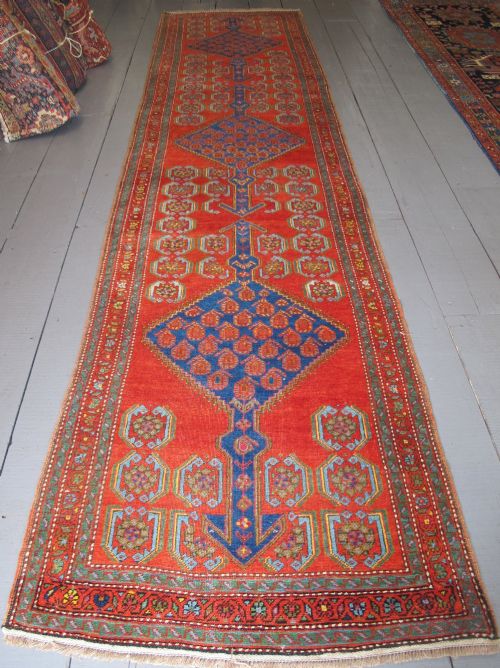


Tribal Wool Hall Runner
A tribal wool hall runner brings earthy patterns and rich colour to narrow passages, anchored in the traditions of nineteenth and early twentieth century weavers.
Tribal Wool Hall Runner
A tribal wool hall runner is a long, narrow floor covering designed specifically for corridors, landings, and hallways. These pieces originate primarily from Persian and Caucasian weaving traditions, spanning periods from the mid-nineteenth century up to the early twentieth century.
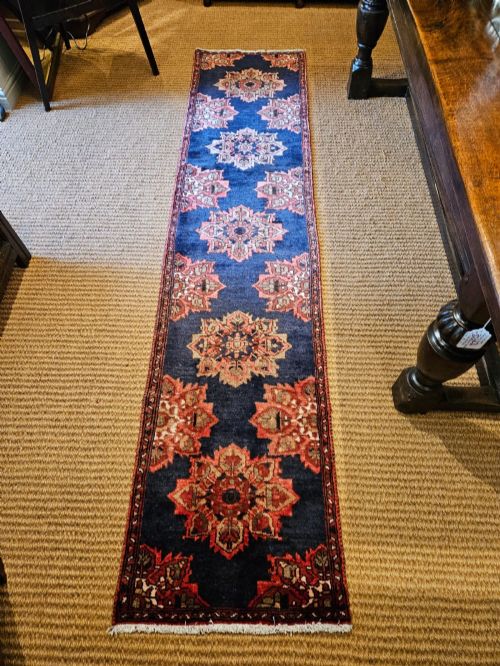
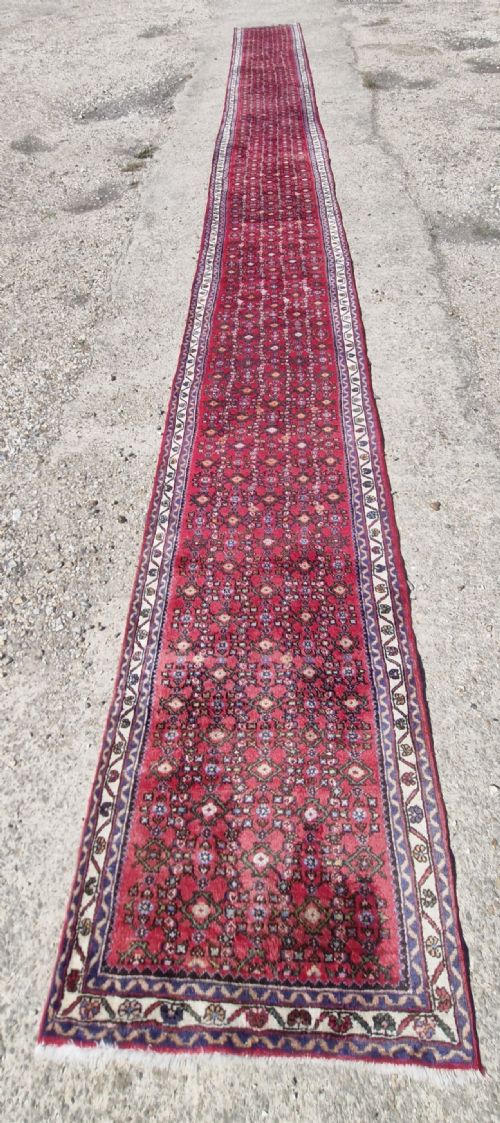
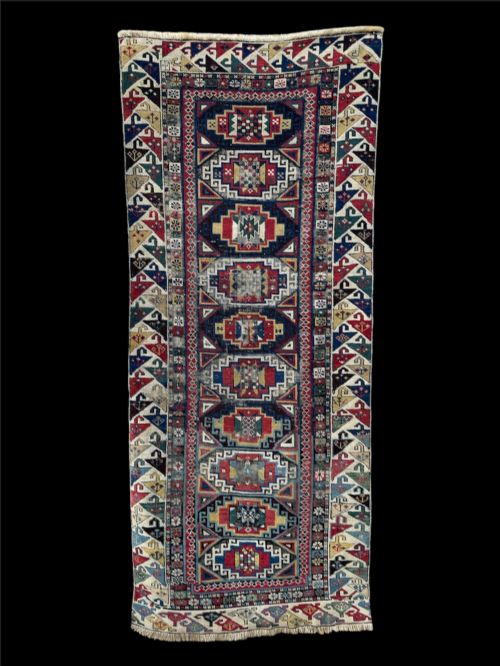
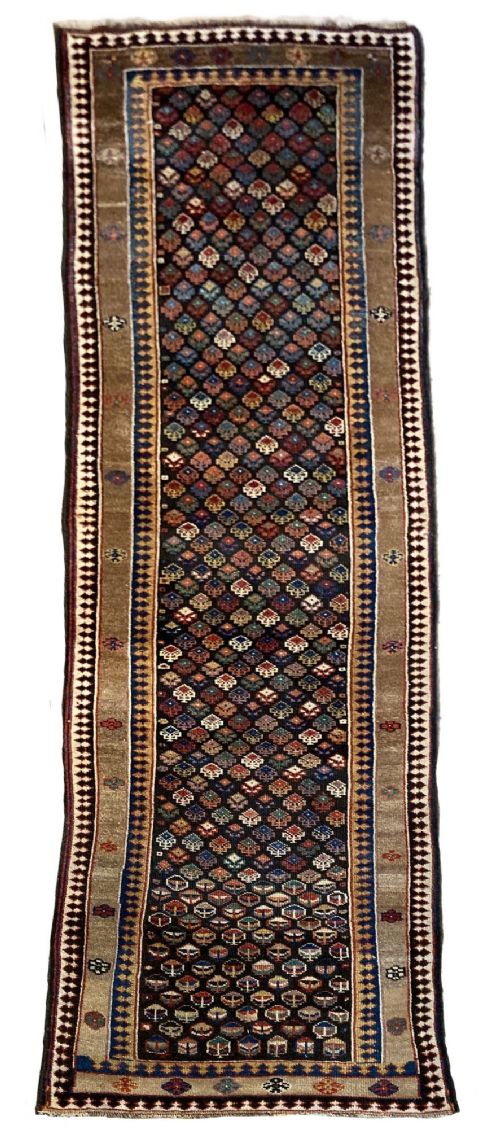
Buyers seeking a tribal wool hall runner encounter distinct regional formats such as Kurdish, Heriz, Kazak, and Shirvan long rugs. Each piece demonstrates the characteristic geometry and storytelling motifs passed down through generations of nomadic and village workshops.
How they were made
The construction relies on hand-spun wool and cotton, often utilising natural dyes to achieve deep indigo, madder red, and earthy secondary tones. Selected pieces incorporate camel hair alongside standard wool to provide varied texture and un-dyed contrast within the pile.
Weavers knotted the wool tightly onto foundation warps by hand, producing dense corridor carpets capable of withstanding heavy foot traffic. The structural integrity stems from traditional village looms where tension and yarn preparation determined the eventual drape and durability.
The documented periods span from the nineteenth century through the early decades of the twentieth century.
What varies in quality
Quality rests in the crispness of the geometric drawing, the saturation of the natural dyes, and the consistency of the hand-spun wool pile. Tighter knot density and balanced proportions separate utilitarian village weaving from finer workshop output.
The preservation of original borders and selvedges dictates the integrity of the piece over time. Uniform width along extended lengths indicates superior loom discipline during the initial weaving process.
The Tribal Wool Hall Runner Glossary
- Boteh
- A swirling almond-shaped or paisley motif representing a seed, life, or vegetation. It appears frequently in Caucasian and Persian long rugs.
- Warps
- The vertical foundation threads stretched lengthwise on the loom that carry the weight of the rug. Weft threads are woven across them to secure the knots.
- Natural Dyes
- Colourants derived from plants, insects, and minerals rather than synthetic chemistry. They produce complex, mellow hues that age gracefully.
- Gabbeh
- A thicker, more coarsely knotted tribal rug featuring open fields of colour and sparse geometric motifs. These pieces emphasise soft wool texture over intricate detail.
- Selvedge
- The finished side edges of a runner formed by wrapping extra warp threads. Protecting this edge prevents the pile from unravelling.
Tribal Wool Hall Runner: Frequently Asked Questions
Where should I place a long hall runner?
These narrow formats suit corridors, entrance halls, and narrow landings where floor protection and warmth are needed. Their proportions guide the eye down extended spaces without overwhelming the surrounding architecture.
Ensure you measure the clear width between skirting boards before selecting a runner. Leaving a uniform border of exposed floorboards on either side enhances the visual balance.
How do I care for antique wool runners?
Regular gentle vacuuming without a rotating brush roll keeps dust from settling into the deep wool pile. Rotate the piece periodically to distribute foot traffic evenly across the length.
Professional specialist cleaning is recommended every few years to protect natural dye stability. Avoid placing them in areas prone to direct, harsh sunlight for extended periods.
Are these runners durable enough for daily use?
Traditional village and nomadic pieces were constructed for demanding everyday conditions using sturdy wool and cotton foundations. The dense knotting provides natural resilience against compression and wear.
Using a quality underlay beneath the runner prevents slipping and cushions the foundation fibres against hard subfloors. This simple addition extends the working life of vintage floor coverings significantly.
How do I distinguish regional styles?
Caucasian runners typically display sharper, more rigid geometric medallions and crisp primary colours. Persian tribal pieces often incorporate softer curves, interconnected latch-hook motifs, and varied boteh arrangements.
Examining the weave structure, fringe finish, and secondary border designs helps identify specific production areas like Kurdish or Heriz districts. Comparing known regional palettes provides further confirmation of origin.