



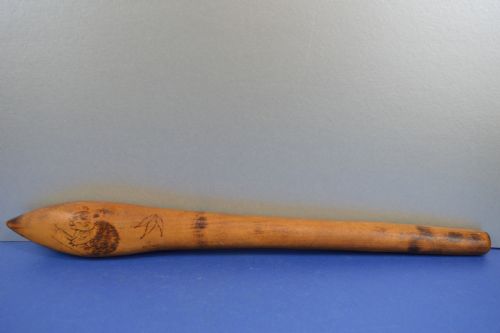


Tribal Wooden Art
Tribal wooden art encompasses carved figures, ceremonial masks and utilitarian objects shaped from hardwood across African, Oceanic and Indigenous traditions.
Tribal Wooden Art
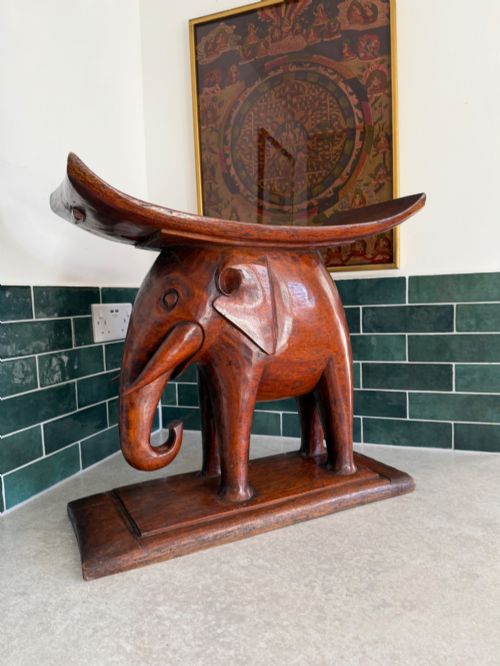
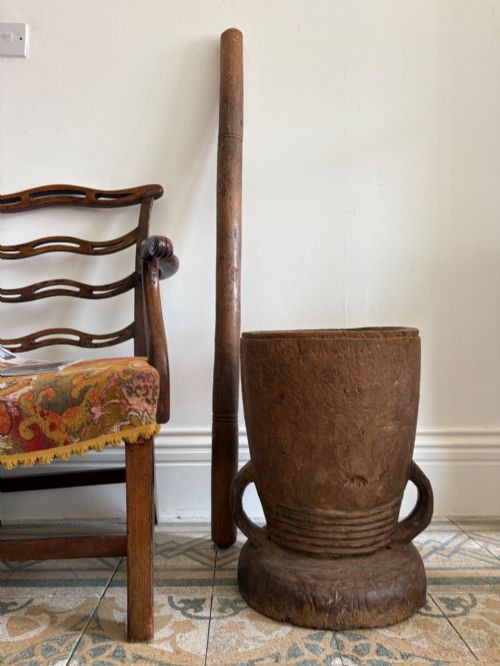
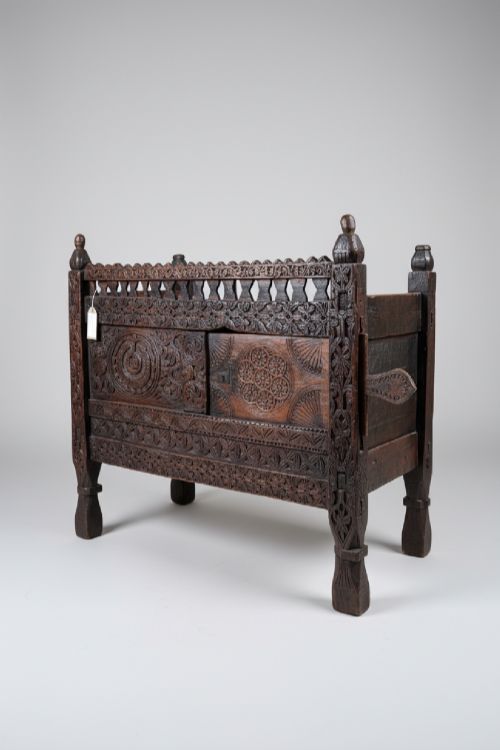
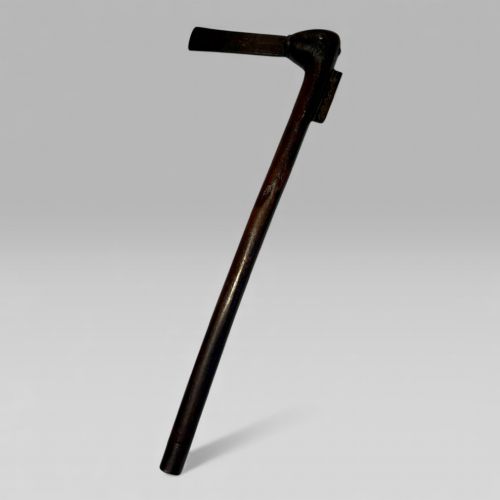
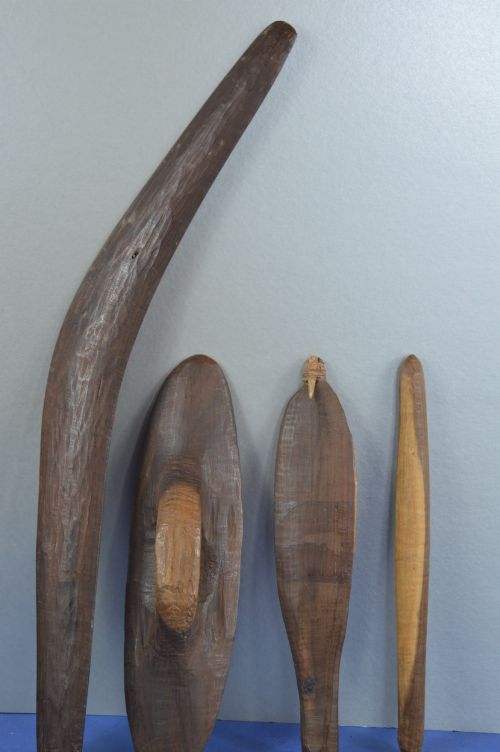
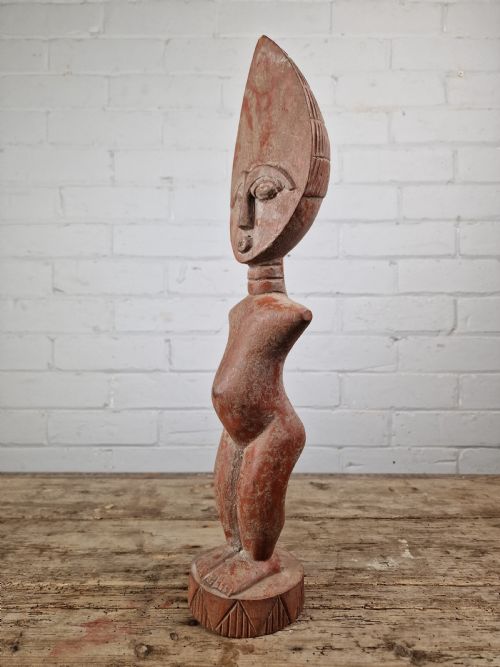
When you examine tribal wooden art on this page, you encounter pieces originating from diverse cultural contexts including African tribal art, Oceanic tribal art, and Indigenous Australian heritage. These range from functional items like grain mortars and dowry chests to expressive sculptures, ceremonial masks, and throwing clubs.
The selection spans periods from the nineteenth century through the mid-twentieth century, capturing traditional craftsmanship across global regions such as West Africa, Central Africa, the Pacific, and South Asia. Forms vary widely from figurative carvings of warriors and fertility figures to intricate architectural doors and ritual headdresses.
How they were made
Many works incorporate contrasting materials embedded within the wood grain, utilising bone inlay, brass elements, and iron reinforcements to strengthen structural components or add decorative detail.
Tribal Wooden Art Retail Price Guide 2026
Typical asking prices for tribal wooden art among the pieces listed under this phrase on Sellingantiques today, from the lower quarter to the upper quarter. They describe what is for sale here now, not the wider market.
Listings feature woods such as hardwood alongside applied pigment, bone, and brass across nineteenth and twentieth-century items.
What varies in quality
The standard of carving distinguishes exceptional examples, where the precision of detail in facial expressions, surface textures, and proportion reveals the maker's mastery. Depth of carving and the fluid movement within figurative or sculptural forms separate more accomplished works from simpler regional items.
Patina and surface preservation also dictate distinction, as authentic handling wear, aged pigment retention, and the warmth of untreated timber contribute to a piece's visual integrity.
The Tribal Wooden Art Glossary
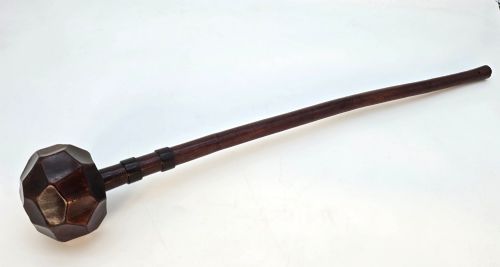
- Knobkerrie
- A traditional Southern African wooden club featuring a heavy spherical or rounded head mounted on a slender shaft. These items served dual purposes in hunting and interpersonal conflict.
- Reliquary
- A container or guardian figure designed to house sacred relics or ancestral remains. In specific cultural traditions, carved wooden heads guarded these important spiritual deposits.
- Ula
- A traditional throwing club originating from Fiji, characterised by a distinctive lobed or bulbous head used in warfare and hunting. Artisans carved these from dense island hardwoods.
- Kifwebe
- A distinct style of striated mask associated with the Songye people of the Democratic Republic of Congo. These pieces feature prominent geometric patterns and linear carvings.
- Provenance
- The documented history and geographical origin of an artefact, tracing its journey from its original cultural context to current collections. Proper documentation supports attribution.
Tribal Wooden Art: Frequently Asked Questions
How do I care for wooden tribal art?
Keep carved wooden items away from direct sunlight and sudden temperature fluctuations to prevent the material from drying out or splitting. Dust gently with a soft, dry cloth without applying modern polishes or cleaning agents.
Maintain stable indoor humidity levels where the objects reside. Excessive dryness causes timber to contract, while high moisture risks warping the carved structure.
What regions do these carvings come from?
The pieces originate from various global indigenous traditions, with significant representation from African regions such as Congo, Gabon, and the Ivory Coast. Other examples stem from Oceanic cultures including Papua New Guinea and Fiji, alongside Indigenous Australian communities.
Additional pieces reflect the artistic traditions of South Asia, including Himalayan regions, Burma, and India. Each geographic origin displays distinct stylistic conventions in form and decoration.
How can I tell the age of a tribal carving?
Age is assessed through visible wear patterns, the natural oxidation of the timber, and traditional tool marks left by the maker. Authentic handling creates a soft patina in areas touched frequently over generations.
Stylistic conventions and tribal motifs also provide chronological clues, as specific forms align with nineteenth and early twentieth-century production methods. Comparing construction details with documented museum pieces helps confirm dating.
Were these objects used ceremonially?
Many items fulfilled specific ritual or utilitarian functions within their original societies, including masks worn during dances, figures used in fertility rites, and vessels for daily tasks. Ceremonial objects often carried deep spiritual significance for the community.
Other pieces served as status markers or functional tools like headrests, stools, and currency objects. Understanding the original context illuminates why specific materials and symbols were chosen by the artisan.