


Tribal Silk Bag
These tribal silk bag examples bring vibrant Central Asian nomadic artistry into modern interiors through intricate embroidery and rich textile traditions.
Tribal Silk Bag
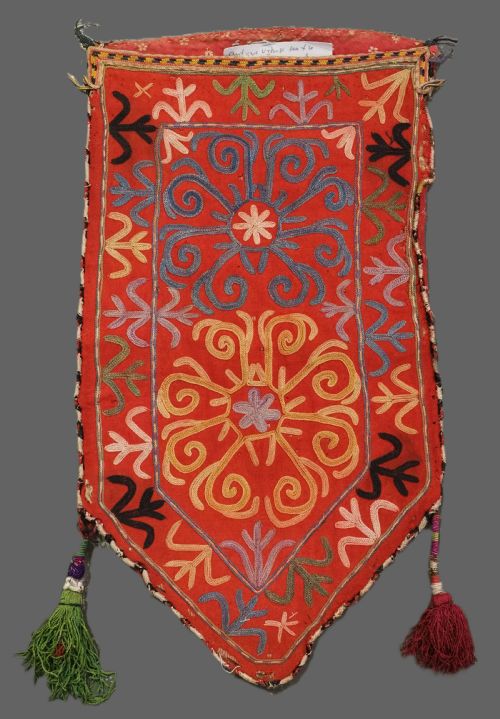
A tribal silk bag search brings up authentic Central Asian nomadic textiles, specifically focusing on utilitarian items like torba, uut kap ilgich, and purse forms. These pieces originate from regional groups including the Uzbek Lakai and Turkmen tribes such as the Ersari and Saryk.
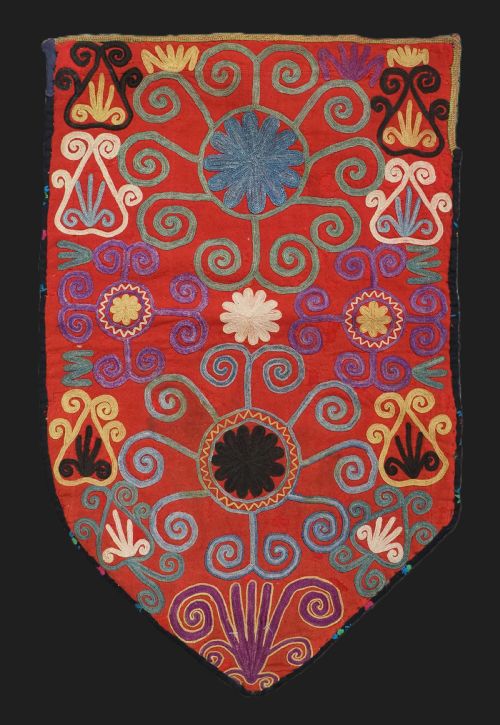
The most common examples encountered on this page are antique wall hangings and bag faces originating from Uzbekistan around nineteen hundred. They display traditional tribal designs worked in silk highlights upon wool grounds with glass bead embellishments.
How they were made
Artisans constructed these textiles using wool grounds, often in mogul red, embellished with vibrant silk embroidery highlights and white cotton details. Glass beads frequently provide additional texture and decorative contrast to the primary textile surface.
The construction involves meticulous needlework applied to sturdy woven foundations, resulting in double-faced wall hangings and ornate purse panels designed for nomadic daily life.
Nomadic artisans ensured their tent bags remained cheerful by mixing glass beads directly into the heavy wool embroidery.
What varies in quality
Quality differences rest primarily in the density and complexity of the silk embroidery and the preservation of the underlying wool ground. Pieces featuring intricate guls and intact glass bead ornamentation demonstrate superior execution.
The clarity of tribal motifs and the harmonious use of crimson silk against contrasting wool or cotton grounds distinguish the finer examples from simpler work.
The Tribal Silk Bag Glossary
- Torba
- A small Turkmen bag traditionally used for tent storage. These pieces feature embroidered faces and silk highlights.
- Uut kap ilgich
- A Central Asian tent bag hanging utilised by nomadic tribes. They display rich textile art and embroidery.
- Gul
- A medallion motif repeated across Turkmen carpets and bag faces. These geometric patterns identify specific tribal groups.
- Ikat
- A dyeing technique where yarn is tie-dyed before weaving. This method creates distinctive feathered patterns on purses and textiles.
Tribal Silk Bag: Frequently Asked Questions
How were these bags used?
Nomadic communities utilised these items inside tents for storing household goods and personal belongings. Their structured forms accommodated daily domestic needs.
Over time, many surviving bag faces and panels transitioned into decorative wall hangings and textile art displayed for their visual appeal.
How do I care for antique textiles?
Keep these fragile silk and wool pieces away from direct sunlight to prevent fading of the crimson silk and red wool grounds. Gentle dusting preserves the delicate glass bead embellishments.
Avoid hanging them in areas of high humidity or fluctuating temperatures to protect the natural fibres from degradation.
How do I identify Lakai pieces?
Lakai tribal items from Uzbekistan often feature dynamic geometric embroidery using vibrant silk on dark or mogul red wool grounds. Their distinct style sets them apart from Turkmen work.
Look for characteristic motifs and Shakrisabz origins within the textile structure to confirm the tribal attribution.