

Tribal Patterned Rug
A tribal patterned rug brings centuries of nomadic heritage and geometric symmetry directly onto the floor.

Tribal Patterned Rug
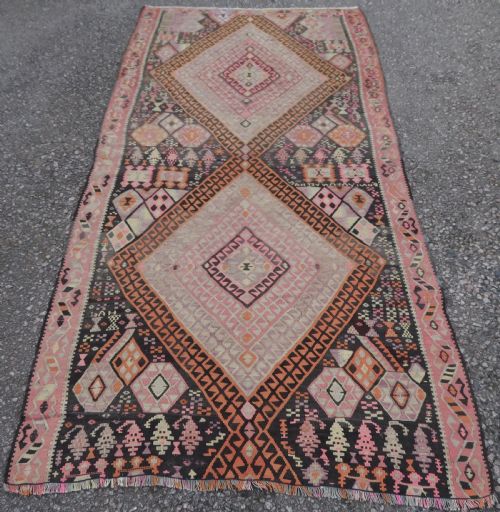
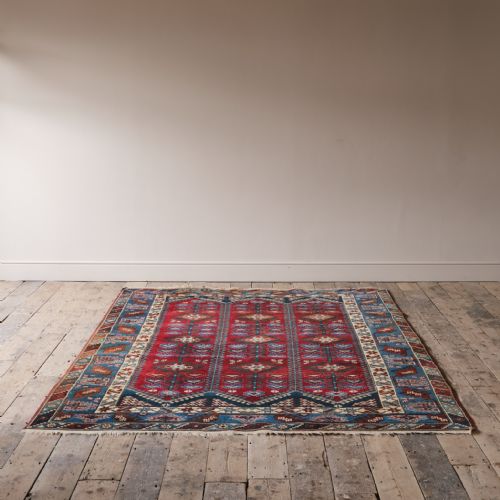
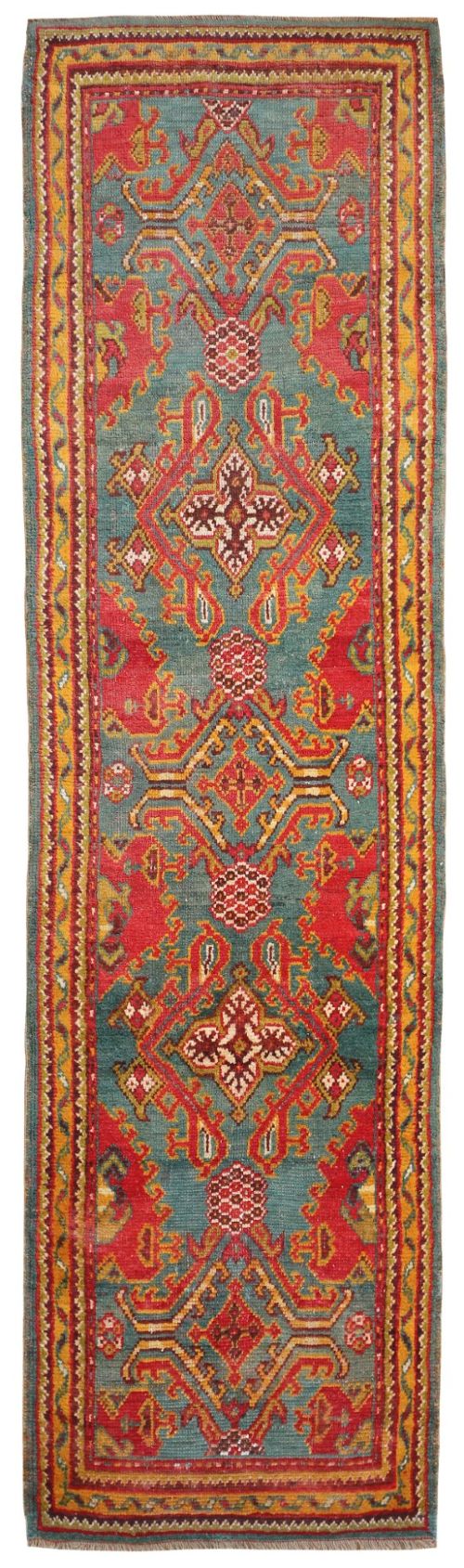
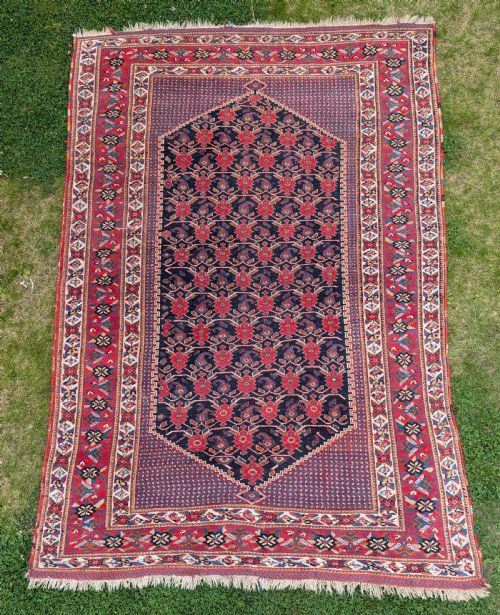
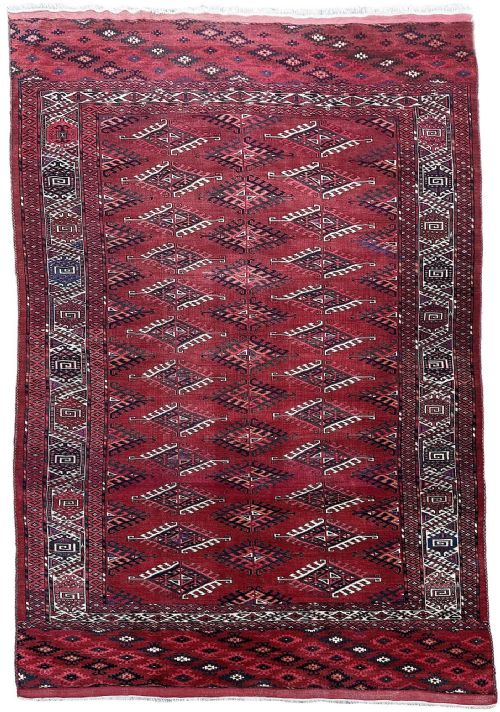
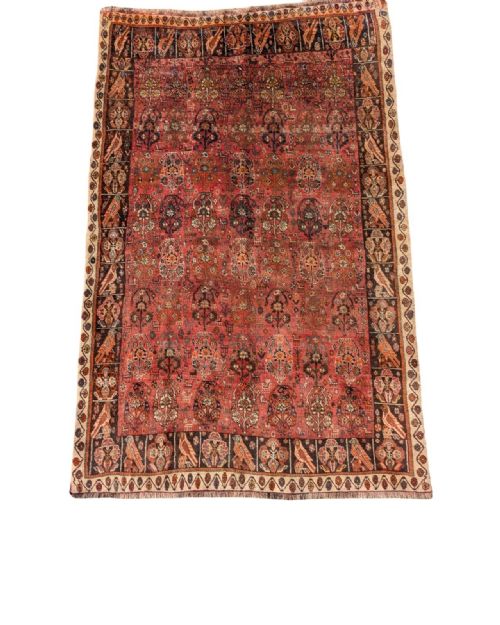
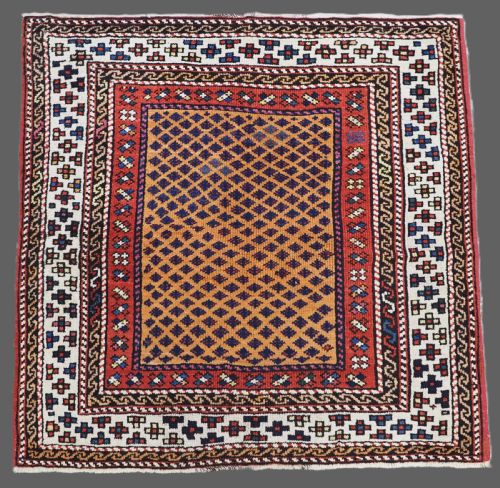
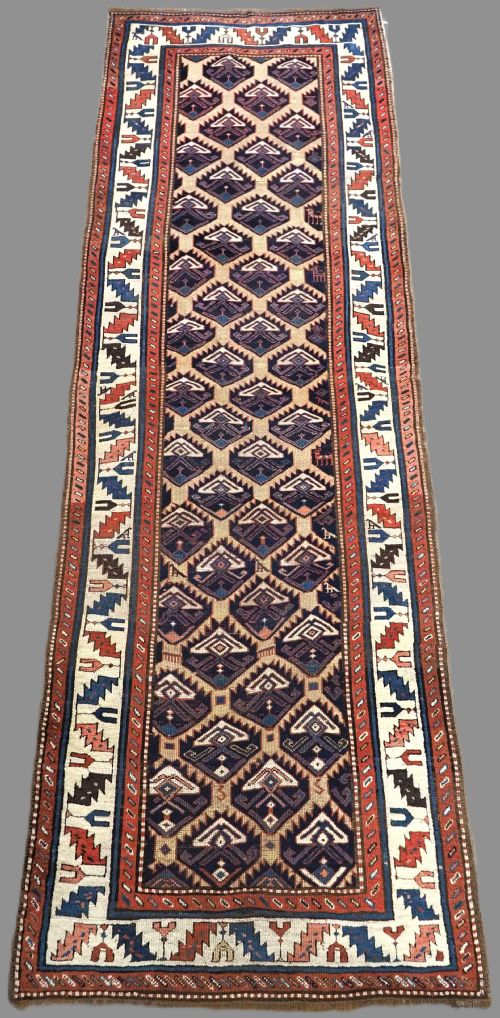
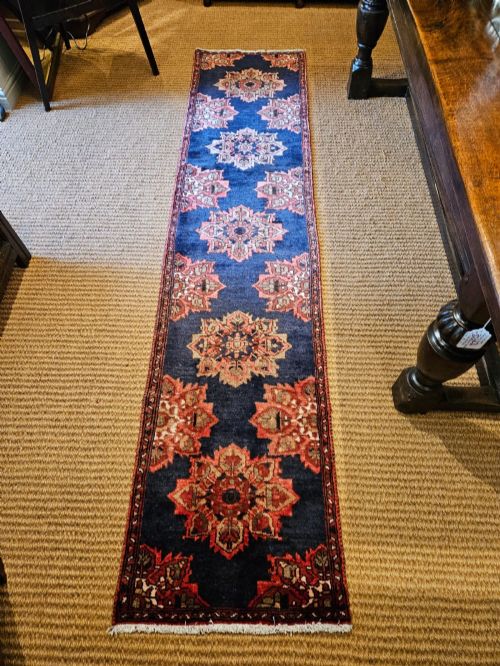
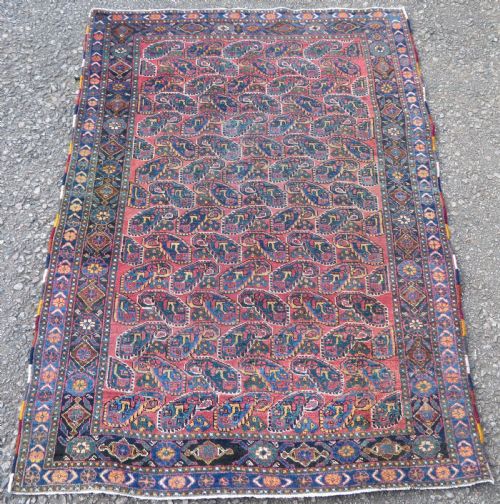
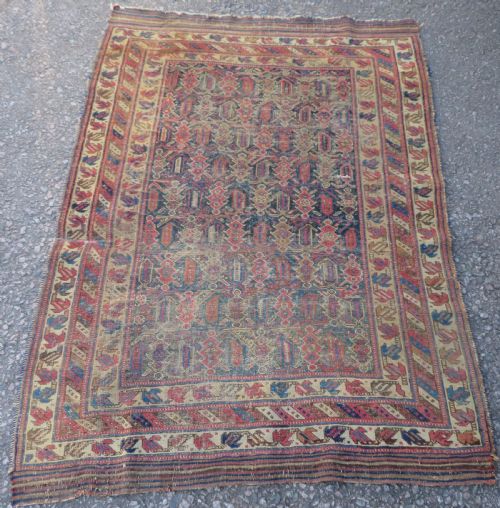
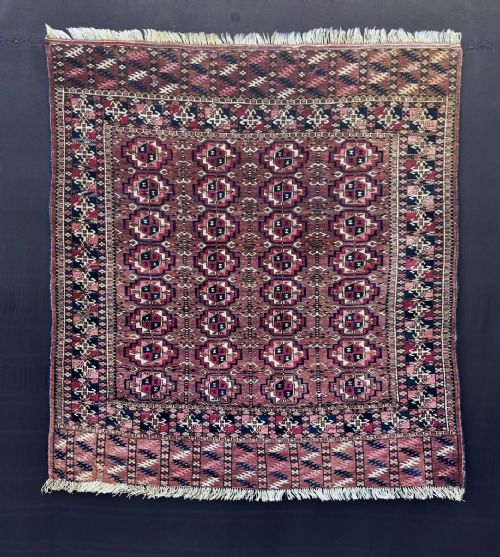
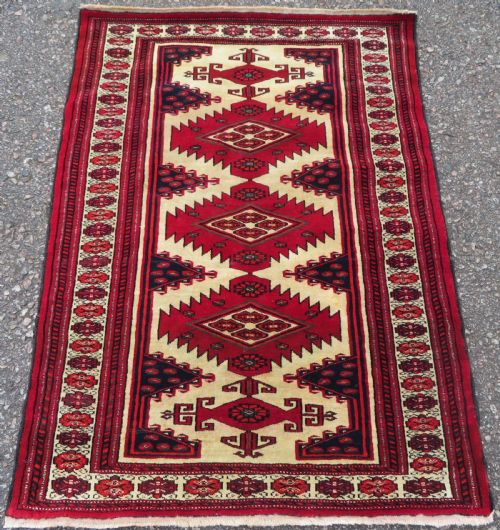
A tribal patterned rug encompasses traditional hand-knotted floor coverings and textiles created by nomadic and village weavers across Persia, the Caucasus, and Central Asia. When exploring this category, buyers frequently encounter pieces originating from specific tribal groups such as the Afshar, Kurdish, Qashqa'i, and various Turkmen tribes including the Yomut and Ersari. These works display distinctive geometric motifs, medallions, and lattices that reflect the specific cultural identity and region of the maker.
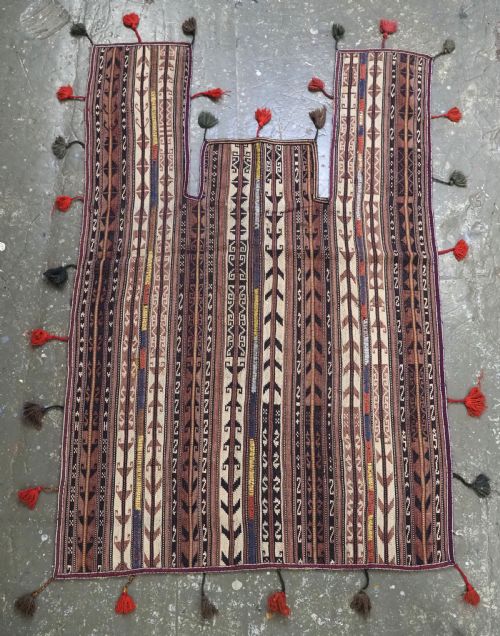
The format of these textiles varies widely to suit different domestic spaces, stretching from small square formats and ceremonial bags to long hallway runners and large carpets. Pieces often date from the late nineteenth century through the early decades of the twentieth century, capturing a period before commercial synthetic dyes fully replaced traditional methods. Each item functions as a practical furnishing imbued with historical design vocabulary passed down through generations.
Materials and construction methods
Weavers constructed these textiles primarily using wool and cotton, frequently employing hand-spun wool for the pile to achieve a tactile, durable surface. Natural dyes supplied the characteristic earthy palettes, anchoring the deep reds, indigos, and golds seen across the regional types.
The execution relies on traditional hand-knotting techniques performed on vertical or horizontal looms. This labour-intensive process produces dense pile foundations and flatweave structures, such as kilims and soumacks, designed to withstand rigorous daily use.
Some nomadic weavers occasionally worked stray animal hairs and personal mementos directly into the foundation wool of their daily utility pieces.
Assessing quality and craftsmanship
Quality in these textiles depends heavily on the fineness of the knotting and the integrity of the materials. Tighter knots and consistent hand-spun wool create a resilient structure that ages gracefully under foot.
Visual depth is governed by the purity and saturation of the natural dyes used in the wool. Superior examples display subtle tonal variations known as abrash, which add vibrancy and character across the field of the design.
The Tribal Patterned Rug Glossary
- Gul
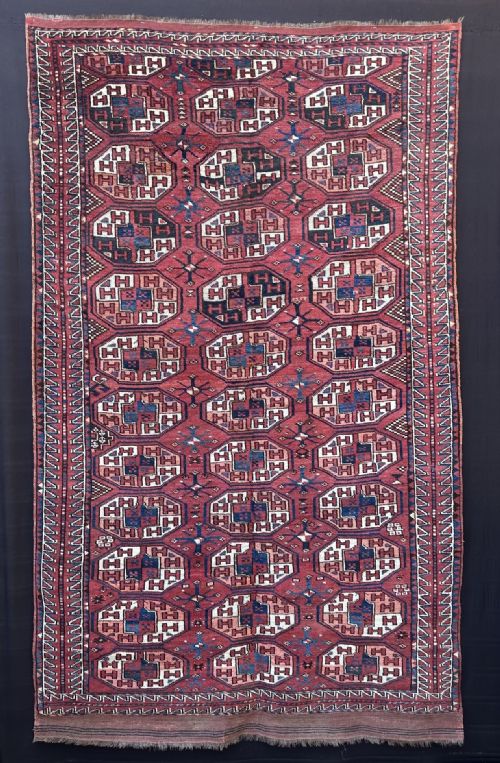
- An octagonal, medallion-like motif frequently repeated across Turkmen and Central Asian weavings. Each design often identifies the specific tribe or clan that produced the textile.
- Boteh
- A stylised almond, pear, or pine-cone shaped motif with a curved upper end. This ancient Persian symbol represents life and eternity.
- Engsi
- A specialised carpet used as a tent door hanging among Turkmen nomads. They typically feature a quartered design separated by a candelabra-like vertical axis.
- Torba
- A small wall-hanging bag or storage sack produced by nomadic tribes. These pieces frequently display intricate primary guls and detailed elem skirts at the base.
- Abrash
- A natural variation in colour shading caused by changes in batches of dyed wool. This phenomenon is a hallmark of traditional vegetable dyeing and enhances the visual texture of the piece.
Tribal Patterned Rug: Frequently Asked Questions
How do I identify different tribal designs?
Distinguishing between regional styles relies on recognising characteristic motifs, border arrangements, and colour palettes. Turkmen weavings often feature repeating octagonal guls on deep red fields, while Caucasian pieces display sharp geometric polygons and primary blues.
Examining the structure, knot density, and fringe finishing provides further clues to the specific tribe and geographic origin. Reference guides and comparative examples help map particular patterns back to groups such as the Afshar or Qashqa'i.
Where were these rugs originally used?
Nomadic and village weavers produced these textiles primarily for practical domestic utility within tribal tents and rural homes. They served as floor coverings, sleeping mats, horse blankets, and storage bags for daily nomadic life.
Certain specialised pieces held ceremonial significance, functioning as wedding rugs, tent door hangings, or dowry items. Their robust construction ensured they could withstand the rigours of migration and harsh climates.
How should I care for an antique wool rug?
Maintaining an antique textile requires gentle handling, starting with regular, cautious vacuuming without a rotating power brush. Professional cleaning should occur periodically by specialists experienced in antique vegetable-dyed wool.
Placing a breathable rug underlay prevents slipping and reduces friction between the fibres and the floorboards. Keeping the textile away from direct, harsh sunlight prevents the natural dyes from fading prematurely.
What does nomadic weaving mean?
Nomadic weaving refers to textiles produced by pastoral peoples who moved seasonally with their flocks across Persia, the Caucasus, and Central Asia. These communities translated their surrounding environment, folklore, and tribal history into geometric patterns.
Unlike urban workshop carpets drawn by master designers, nomadic pieces were woven from memory on portable looms. This improvisational approach gives each rug an organic irregularity and unique artistic voice.