


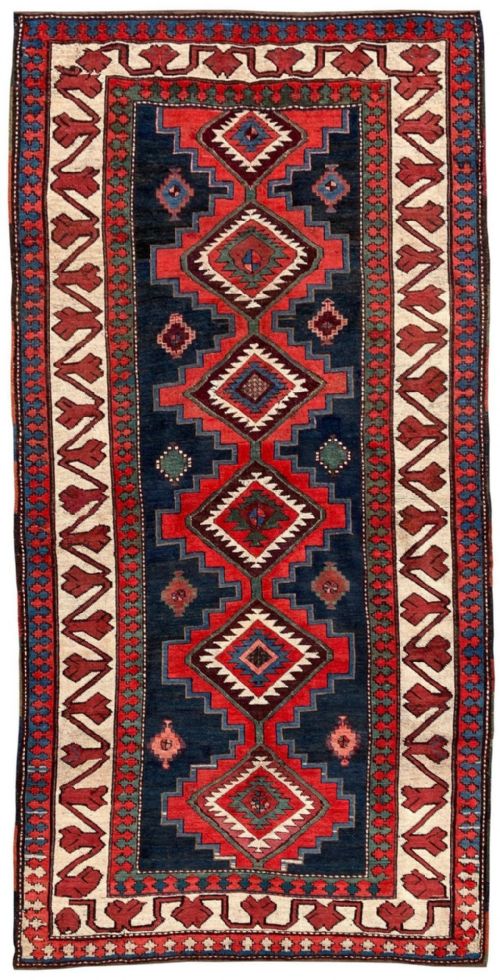
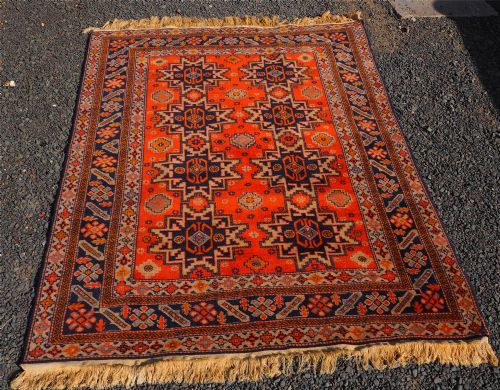
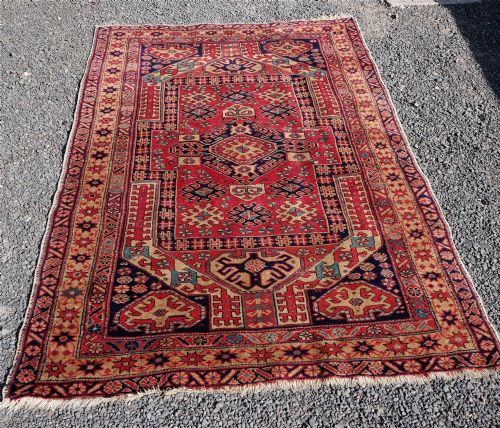
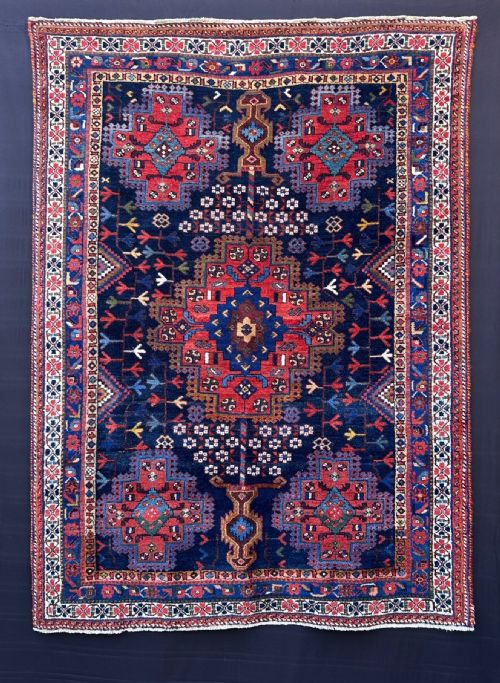
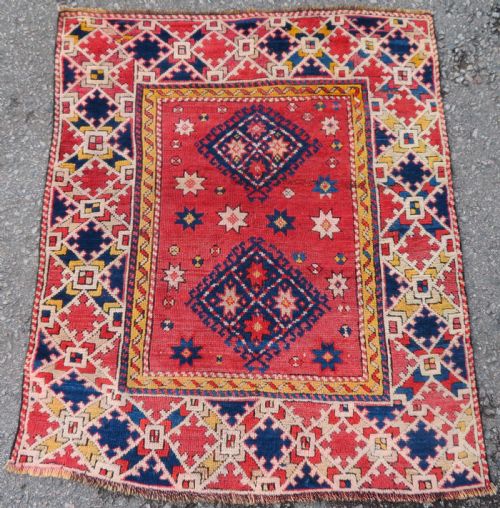
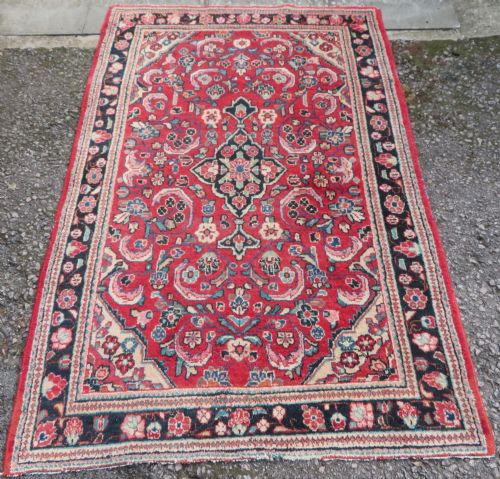
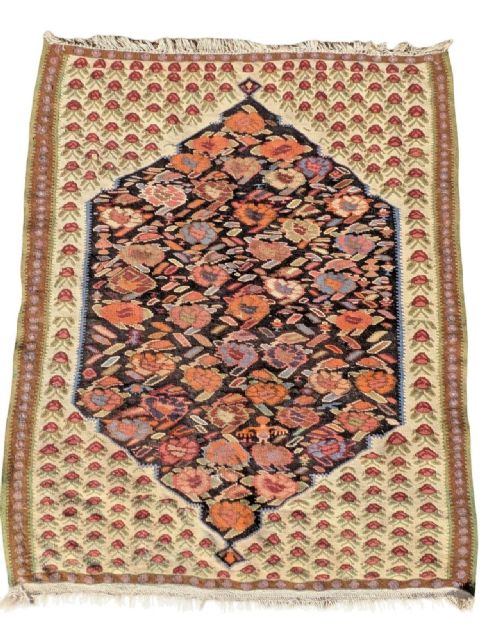
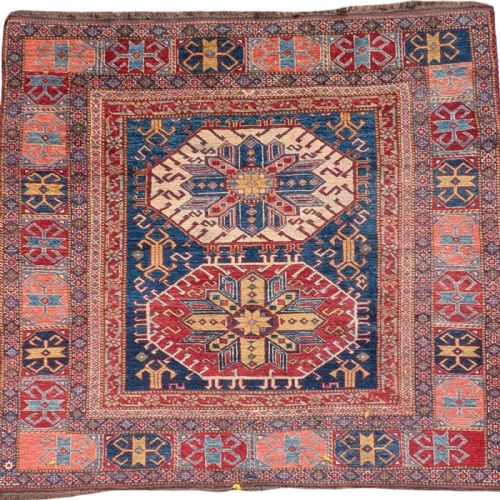
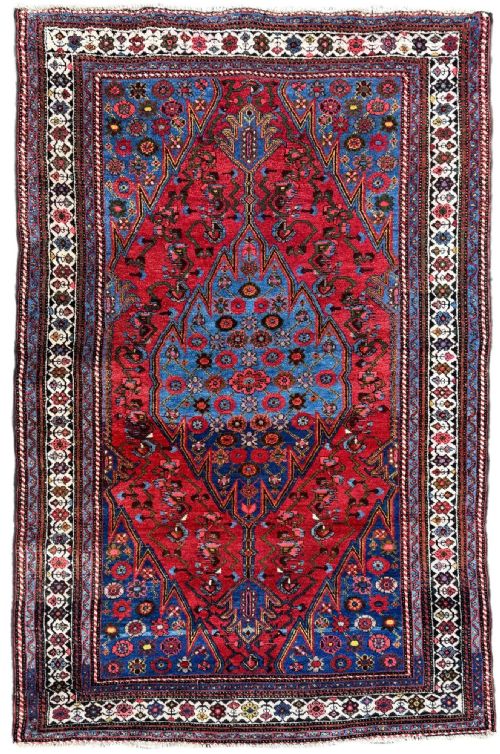
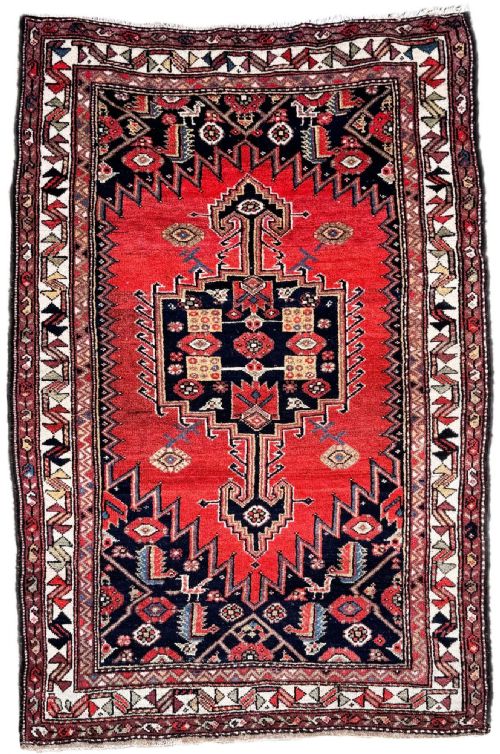
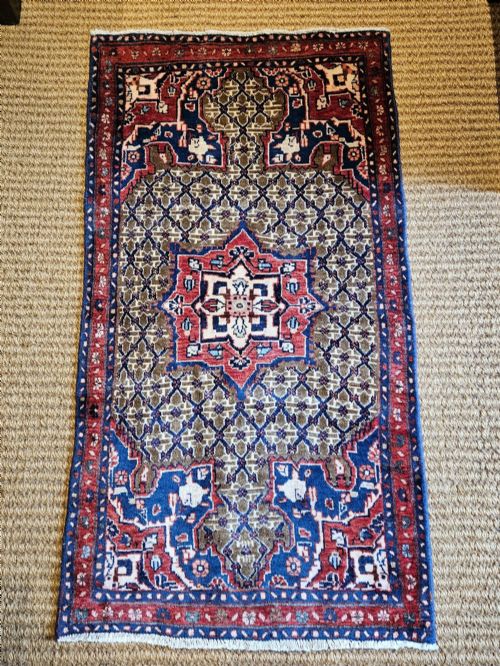
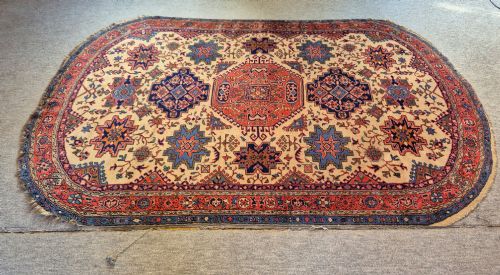
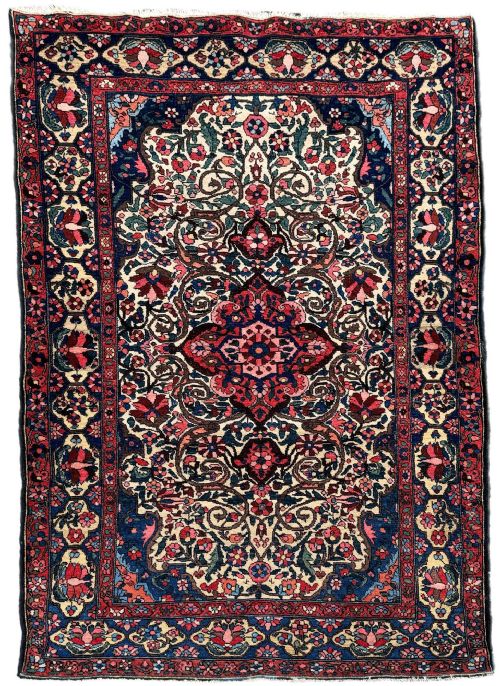
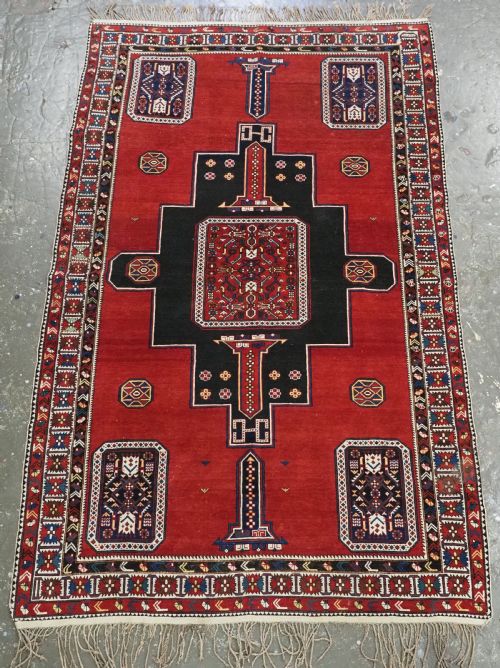
Tribal Medallion Area Rug
A tribal medallion area rug brings grounded geometric presence and village character to a room through centuries of weaving tradition.
Tribal Medallion Area Rug
A tribal medallion area rug unites nomadic weaving traditions from Persia, the Caucasus and Anatolia, featuring central geometric motifs.
Buyers encountering this search phrase find room-sized carpets, runners and hearth-sized rugs originating from periods spanning the late nineteenth century into the mid-twentieth century.
The assortment includes village and confederacy weaving from regions such as Khamseh, Bakhtiar, Kazak, and Afshar, displaying distinct regional patterns.
Materials and Construction
These floor coverings are constructed primarily with hand-knotted wool pile on cotton or wool foundations, utilising traditional upright looms.
Certain pieces incorporate camel wool fields, imparting natural tonal depth and varied tactile qualities to the surface.
Dye methods rely on traditional colorants that yield mellow, nuanced hues across the geometric fields.
Listings span from the 1880s through the 1940s, utilising wool, cotton, and camel wool across Persian, Caucasian, and Anatolian styles.
Evaluating Quality and Execution
Quality separates through the precision of the knotting and the structural integrity of the foundation, which dictates how flat the rug lies.
The complexity and balance of the central medallion design, combined with the saturation and harmony of the palette, distinguish finer examples.
Condition varies from distressed surfaces with heavy wear to well-preserved piles, influencing the visual weight within an interior space.
The Tribal Medallion Area Rug Glossary
- Medallion
- A central ornamental motif set within the field of a rug. It anchors the geometric composition of the design.
- Pile
- The vertical or slanted loops of yarn that form the usable surface of the carpet. This layer is sheared to an even height after knotting.
- Kilim
- A flat-woven carpet or rug produced without a pile. These pieces rely on interlocking weft techniques.
- Warp
- The stationary longitudinal threads stretched on a loom parallel to each other. Weft threads are passed through them to secure the knots.
Tribal Medallion Area Rug: Frequently Asked Questions
What is a tribal medallion area rug?
A tribal medallion area rug is a hand-knotted textile featuring a prominent central geometric motif created by nomadic or village weavers.
These pieces reflect the cultural heritage and specific regional patterns of areas like the Caucasus, Persia, and Anatolia.
How were these rugs used originally?
Nomadic and village weavers produced these textiles for utilitarian floor coverage inside tents, village homes, and hearth areas.
They served both as durable insulation against cold floors and as portable decoration that communicated tribal identity.
How do I live with an antique rug?
Living with these textiles involves placing them in low-to-moderate traffic areas to preserve the remaining wool pile.
Using an appropriate underlay prevents slipping and reduces friction between the foundation and the floor.
How do I identify different regional types?
Regional identification relies on observing the specific structure, palette, and geometric vocabulary unique to weaving groups like Kazak, Khamseh, or Bakhtiar.
Small details in the border arrangements and central medallions often point directly to specific village workshops or tribal confederacies.