






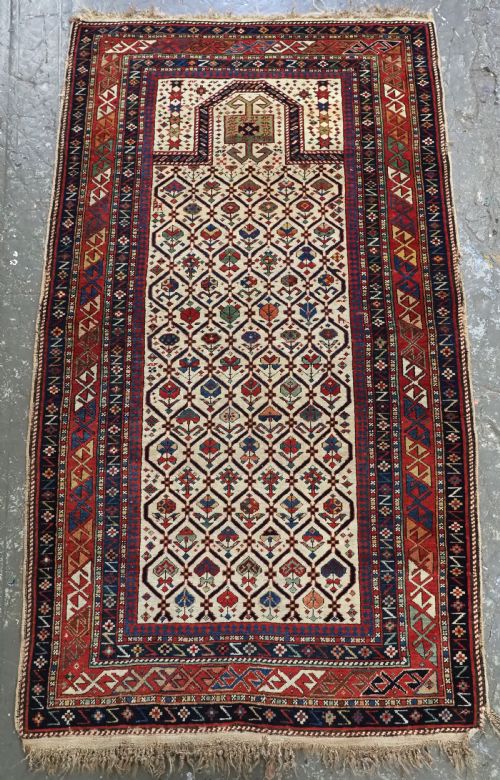

Tribal Caucasian Carpet
A tribal caucasian carpet brings bold geometric motifs and rich vegetable dyes straight from the mountainous Caucasus region into the home.
Tribal Caucasian Carpet
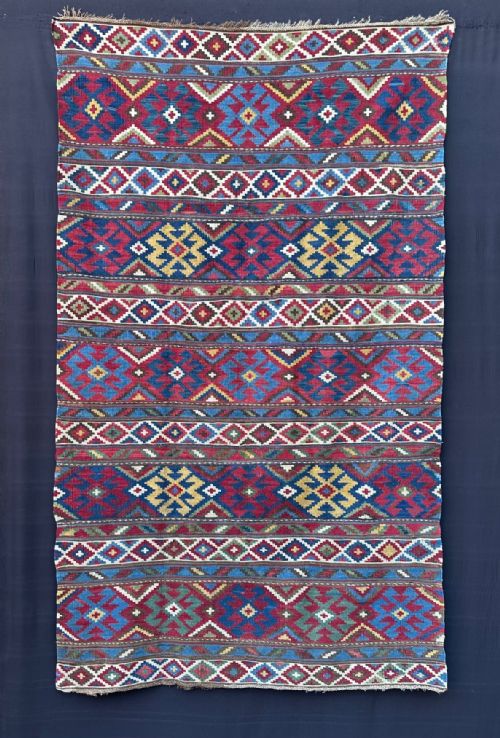
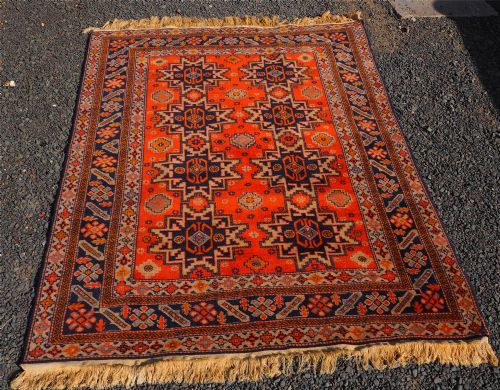
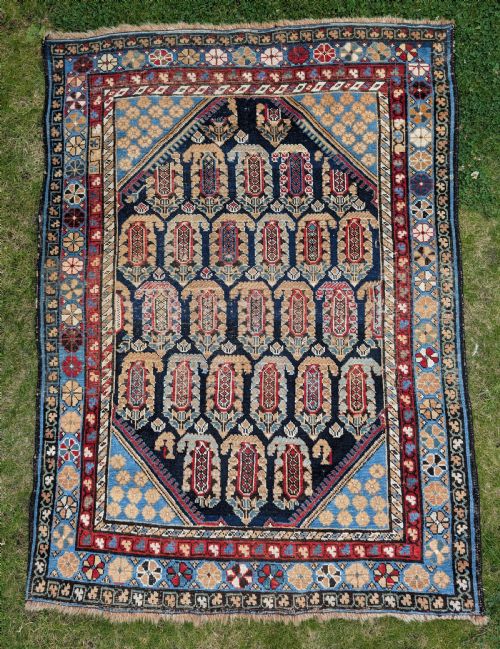
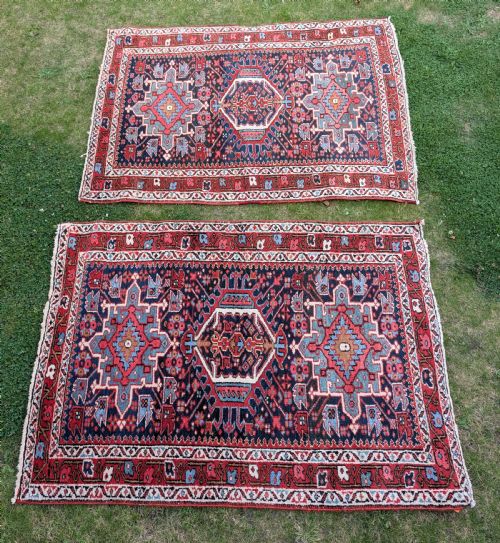
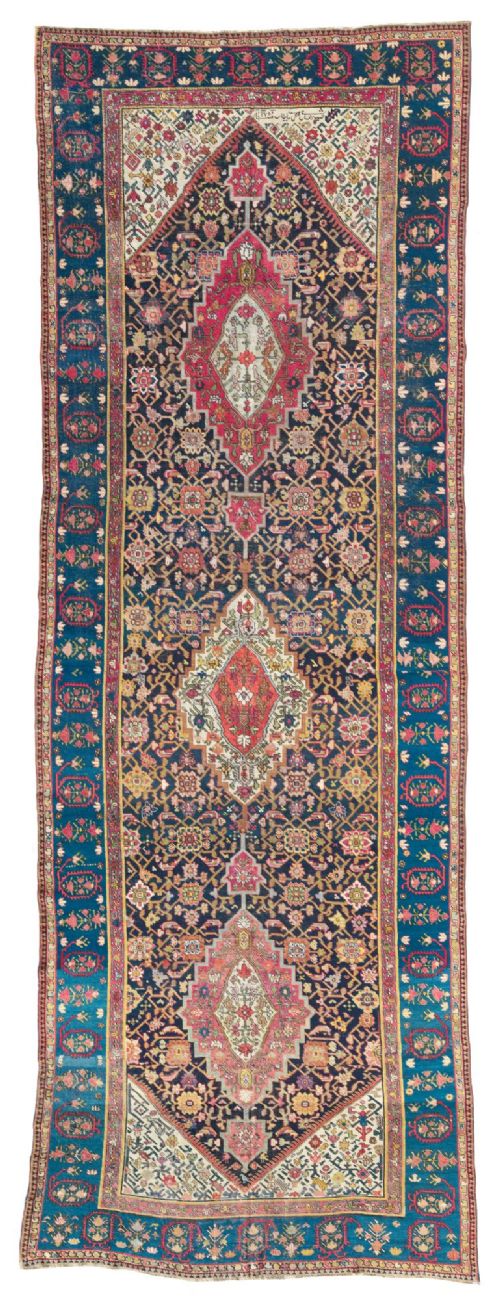
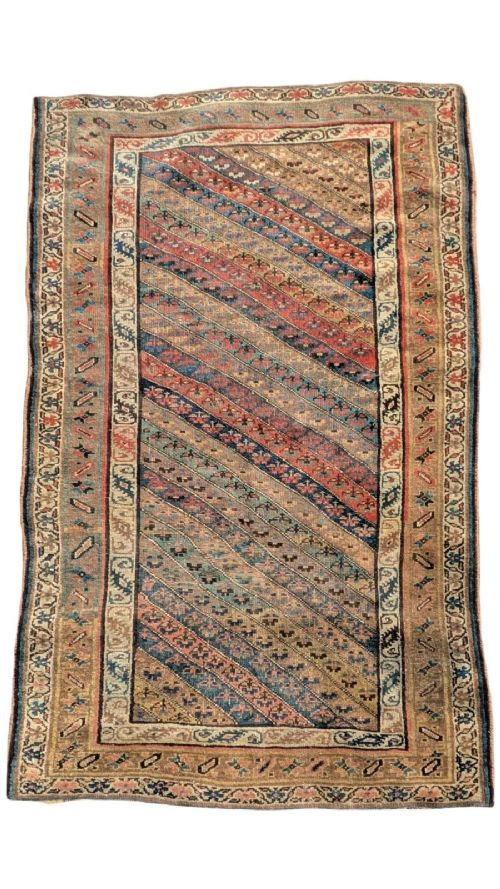
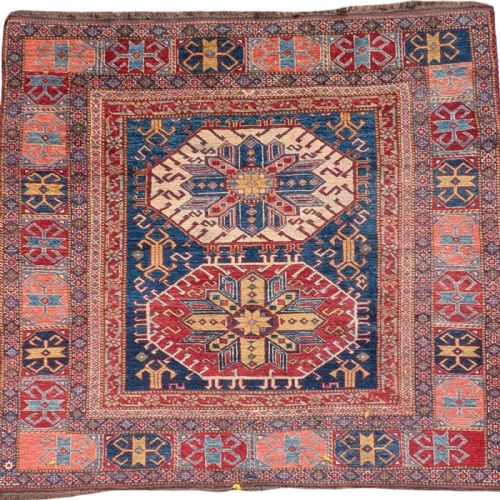
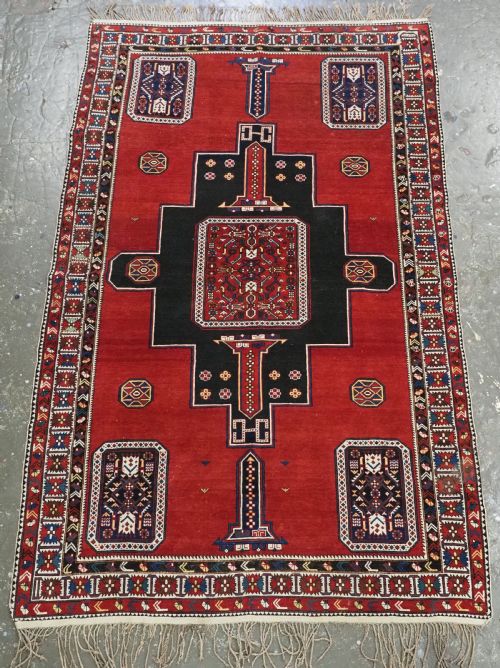
A tribal caucasian carpet is a hand-knotted floor covering originating from the Caucasus region during the nineteenth and early twentieth centuries. These textiles include specific regional types such as Kazak, Shirvan, Gendje, Kuba, and Daghestan rugs.
Buyers will most frequently encounter nineteenth-century room-sized or smaller area rugs featuring traditional tribal patterns. The selection ranges from archaic Kuba rugs to long Kazak runners bearing distinctive keyhole designs or bird motifs.
How They Were Made
Every tribal caucasian carpet on this page is woven from wool, utilising traditional hand-knotting techniques passed down through generations of regional weavers. The materials reflect pastoral mountain life, employing sturdy local wool for both the foundation and the pile.
Weavers constructed these pieces on vertical looms, applying saturated natural dyes to create the striking colour palettes seen in examples like the Shirvan bird rug and the dated Sewan Kazak.
Tribal Caucasian Carpet Retail Price Guide 2026
Typical asking prices for tribal caucasian carpet among the pieces listed under this phrase on Sellingantiques today, from the lower quarter to the upper quarter. They describe what is for sale here now, not the wider market.
Weavers occasionally wove tiny, unexpected human and animal figures between massive geometric medallions, hiding little surprises in the wool.
What Varies in Quality
Quality in a tribal caucasian carpet rests upon the precision of the geometric drawing and the saturation of the wool pile. Finer examples display crisp, uncluttered designs with deeply resonant natural colour variations.
The handle and density of the weave also dictate the standing of a piece, distinguishing robust utilitarian floor coverings from more finely executed tribal room furnishings.
The Tribal Caucasian Carpet Glossary
- Kazak
- A style of tribal caucasian carpet known for bold, geometric medallions and primary, saturated colour palettes. These rugs originate from the western Caucasus and often feature large-scale designs.
- Shirvan
- A classification of weaving from the eastern Caucasus, frequently recognised by intricate compartmentalised patterns and animal motifs like the famous bird rug. They generally show finer knotting than their western neighbours.
- Daghestan
- A northern Caucasian weaving style characterised by densely patterned geometric fields and intricate borders. These rugs often employ crisp, angular drawing.
- Gendje
- A specific type of Caucasian rug typically featuring diagonal stripes or repeating latch-hook motifs in the field. They provide a distinct alternative to medallion-heavy carpets.
- Wool
- The primary natural fibre utilised for the pile and foundation of these antique rugs. Its natural lanolin content ensures durability and rich dye absorption.
Tribal Caucasian Carpet: Frequently Asked Questions
How do I clean an antique rug?
Professional specialist cleaning is essential for any tribal caucasian carpet to preserve the historical wool fibres and natural dyes. Domestic washing methods risk bleeding colours and damaging the traditional hand-knotted foundation.
Regular gentle suction from a vacuum without a beater bar removes surface dirt safely between professional treatments.
Can I place these rugs in hallways?
Longer formats like the antique Kazak long rug suit corridors and heavy-traffic areas well due to the durable nature of traditional wool pile. However, placing a quality underlay beneath the carpet prevents slipping and reduces friction against hard floors.
Rotating the rug periodically ensures even wear patterns across the surface over decades of daily use.
What does a keyhole design mean?
The keyhole motif is a traditional geometric emblem found in specific regional pieces such as the Sewan Kazak. It represents ancient symbolic iconography particular to the weavers of the Caucasus.
Collectors prize these specific structural markers for dating and attributing pieces to precise weaving communities.
How do I identify a Kuba rug?
Kuba rugs originate from the northeastern region of the Caucasus and typically display archaic, tightly controlled geometric lattice patterns. They often combine subdued background tones with striking, sharply drawn primary motifs.
Examining the density of the wool knotting and the specific border arrangements helps separate them from Shirvan or Daghestan equivalents.