








Trestle Base Occasional Table
A trestle base occasional table is a sturdy, compact surface built to hold lamps, books or drinks without dominating a room.

Trestle Base Occasional Table
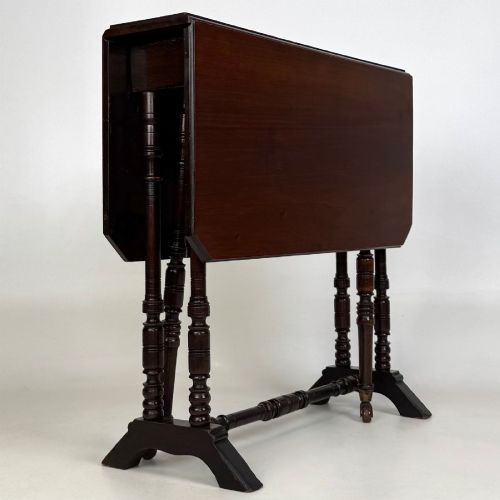
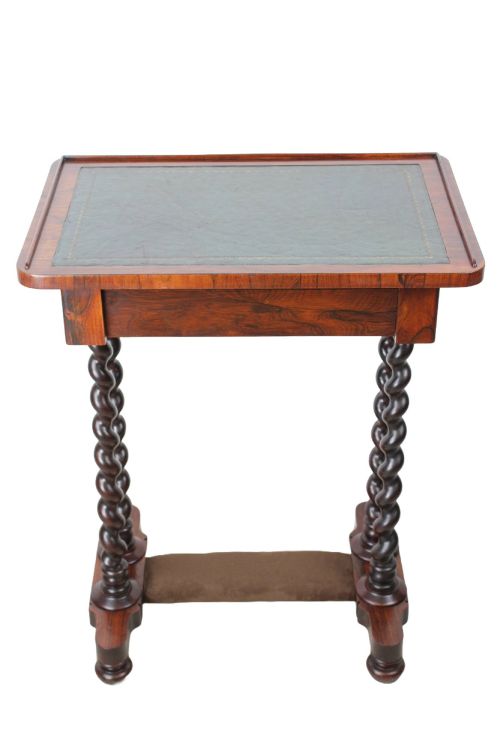
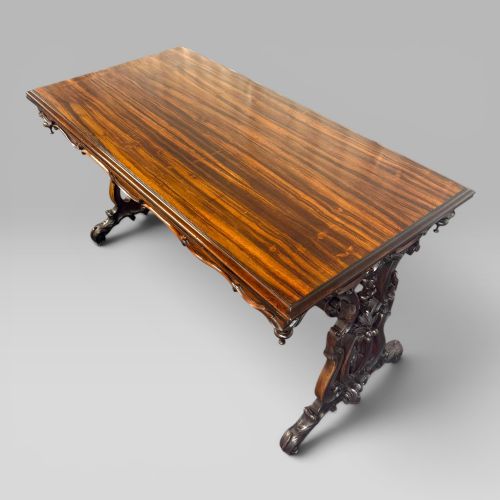
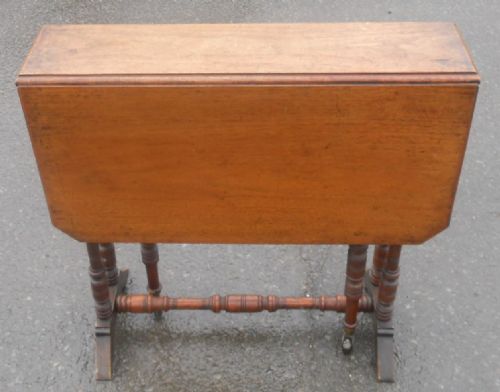
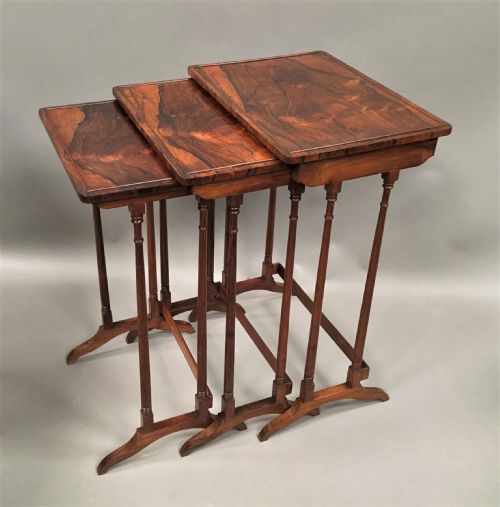
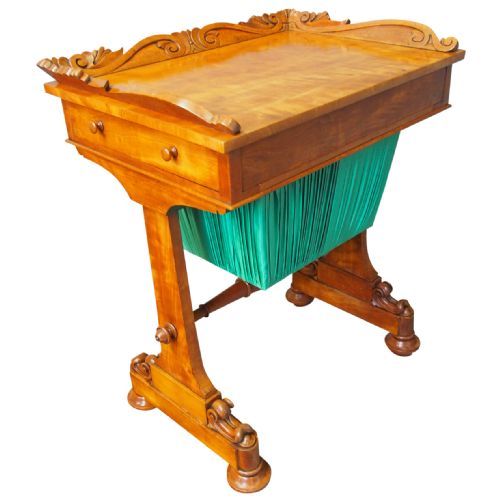
A trestle base occasional table brings together compact surfaces and architectural supports from periods spanning the eighteenth century through the early twentieth century. You will encounter forms ranging from nests of quartetto tables and Pembroke designs to sofa tables, card tables, and sewing tables.
The materials recorded across these pieces lean heavily towards figured rosewood, mahogany, and oak, often enriched with satinwood, ebony, walnut, and brass details. These timbers give each piece a distinct weight and colour, whether finished with a deep polish or left with the plainer grain of an Arts and Crafts design.
Origins stretch from English workshops in the Regency, Georgian, and Victorian eras to Edwardian rooms and later revival pieces, including Chinese export work. Buyers select them to fit tight spaces beside chairs or sofas while retaining the character of period timber.
How they were made
Cabinet makers utilised solid hardwoods and applied veneers such as yew, rosewood, and satinwood over secondary timbers to build these tables. Crossbanding, stringing, and marquetry like Killarney ware decorated the tops, while turned or trestle supports held the structure rigid.
Drop leaves, folding card table tops, and sliding work bags required functional hinges, brass castors, and clever joints. Joinery relied on traditional methods suited to the movement of timber across changing seasons.
Trestle Base Occasional Table Retail Price Guide 2026
Typical asking prices for trestle base occasional table among the pieces listed under this phrase on Sellingantiques today, from the lower quarter to the upper quarter. They describe what is for sale here now, not the wider market.
Listings feature woods such as rosewood, mahogany, oak, walnut, satinwood, and ebony across various nineteenth and twentieth-century periods.
What varies in quality
The distinction between ordinary and exceptional work rests on the choice of timber and the precision of the grain matching across table tops and drop leaves. Richly figured rosewood or banded satinwood paired with finely turned trestle supports elevates a piece far above simpler utility items.
Makers' signatures or stamps from recognised workshops add documentary weight, while the crispness of marquetry and the smooth operation of nesting parts demonstrate high competence in construction.
Heal and Son·Gillows of Lancaster·W and C Wilkinson London
The Trestle Base Occasional Table Glossary
- Quartetto tables
- A set of four graduated nesting tables designed to slide one beneath another. They became particularly popular during the Regency period.
- Sofa table
- A rectangular occasional table traditionally placed in front of a sofa, usually featuring drop leaves and twin pillar or trestle ends.
- Killarney ware
- Irish decorative woodwork characterised by intricate inlaid marquetry of native timbers such as arbutus and yew, often depicting local scenery.
- Card table
- A folding table with a hinged top that opens to reveal a baize-lined surface for playing games.
- Work table
- A small table equipped with drawers or a fabric bag for sewing and needlework, also known as a sewing table.
Trestle Base Occasional Table: Frequently Asked Questions
How do I use a nesting table?
Nesting tables stack together to save floor space when not in use. You pull them apart individually whenever you need extra surfaces for drinks or books.
They work well beside armchairs or sofas where a permanent large table would crowd the room.
What is a sofa table used for?
A sofa table provides a narrow surface designed to stand directly behind a sofa or against a wall. Drop leaves allow you to expand the top when entertaining.
In period interiors they often held lamps, writing materials, or sewing work.
How can I tell a Regency table?
Regency pieces often feature dark rosewood, brass inlay, and classical architectural proportions inspired by ancient Greek and Roman designs. Turned pedestals and sabre legs frequently appear on tables from this era.
Inspect the grain and timber selection to understand the quality of the period construction.
Where should I place an occasional table?
Place an occasional table within easy reach of a seating area to hold a reading lamp, glasses, or small decorative items. Their compact size allows them to fit into awkward corners or narrow hallways.
Ensure the height matches the arm of your chair for practical daily use.