

Travel Trunk Box
These travel trunk box pieces span centuries of rugged journeys, offering sturdy storage and tangible history for any interior.
Travel Trunk Box
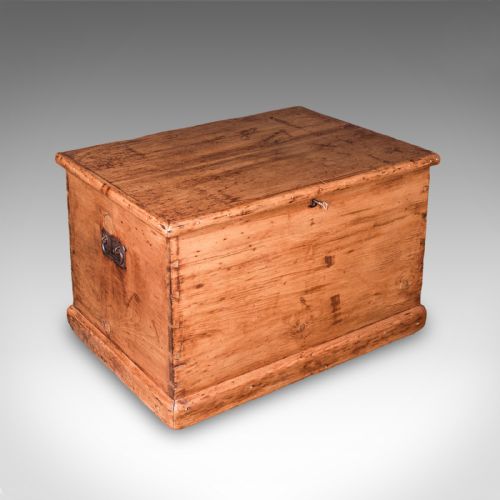
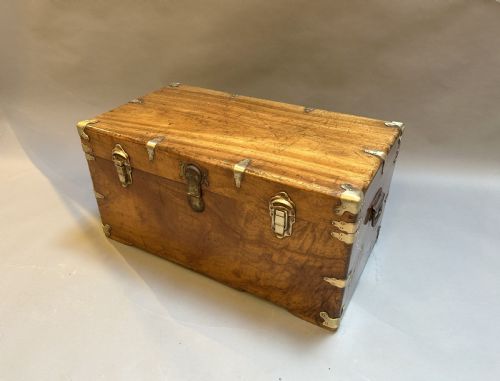
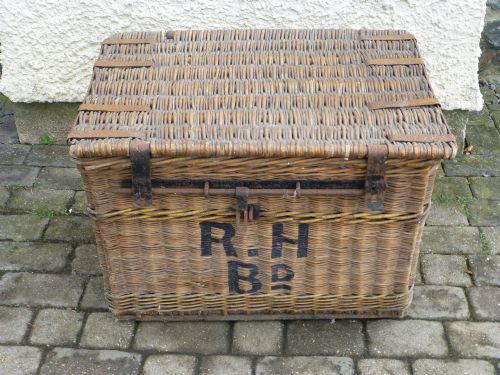
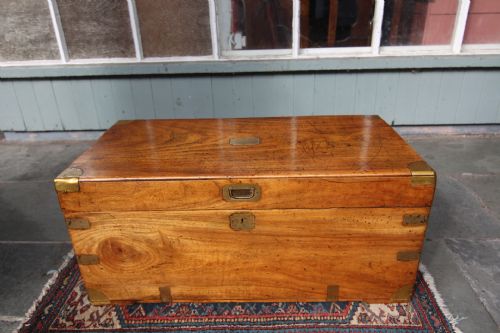
A travel trunk box serves as a robust container designed to protect belongings during transit, appearing in various forms from compact hat cases to large campaign chests. The selection draws on periods ranging from the 18th century through the Victorian era and into the early 20th century.
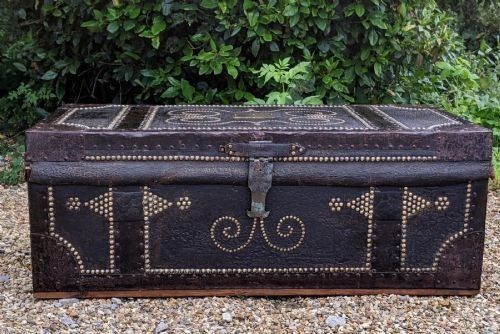
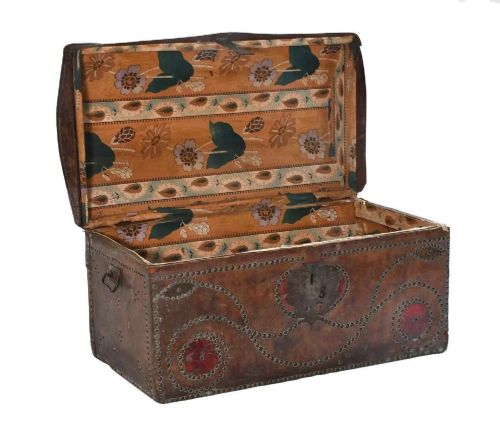
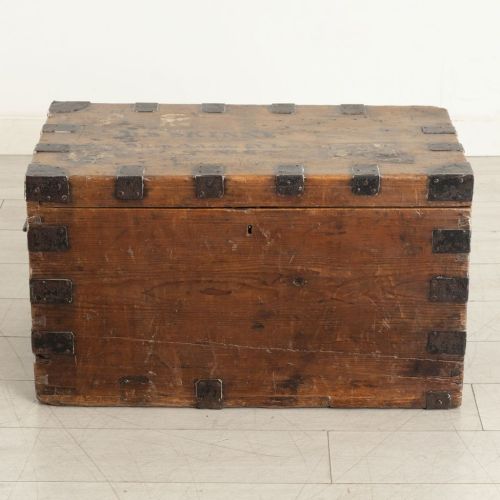
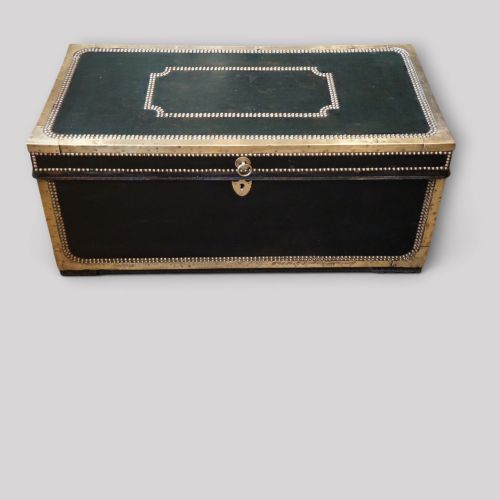
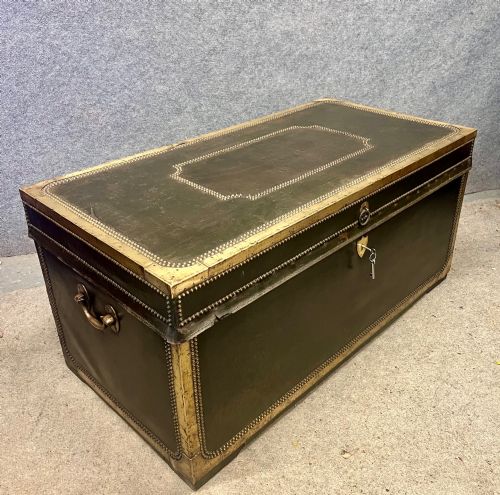
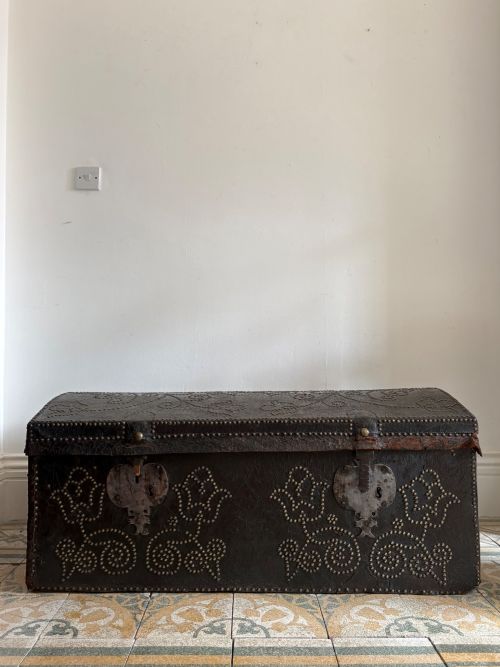
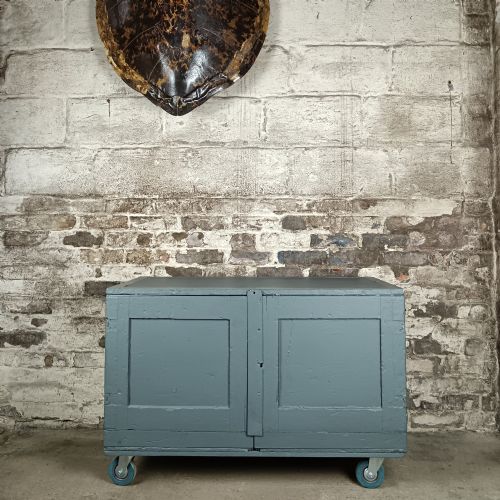
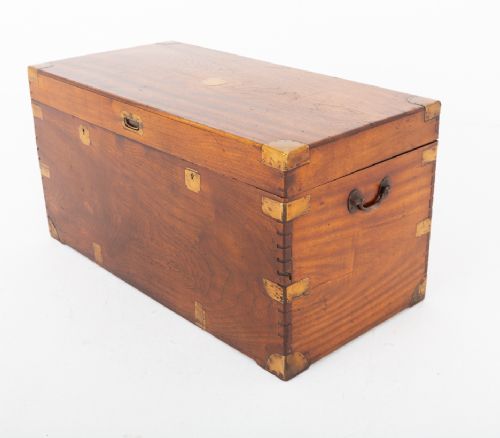
Buyers encounter sturdy pine storage trunks alongside sophisticated Regency and Georgian leather-covered examples fitted for military use. Specialised pieces such as China Trade camphor wood trunks and steel steamship luggage also appear frequently.
These items function equally well as living room coffee tables or practical bedroom storage, retaining the original hardware and travel labels from their active days.
How they were made
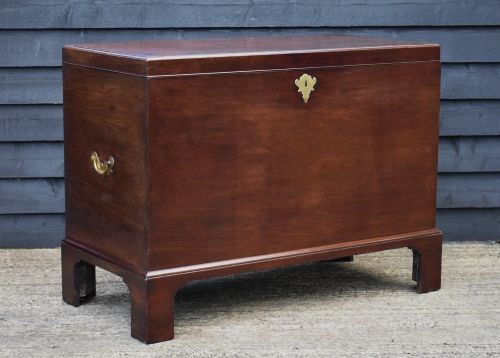
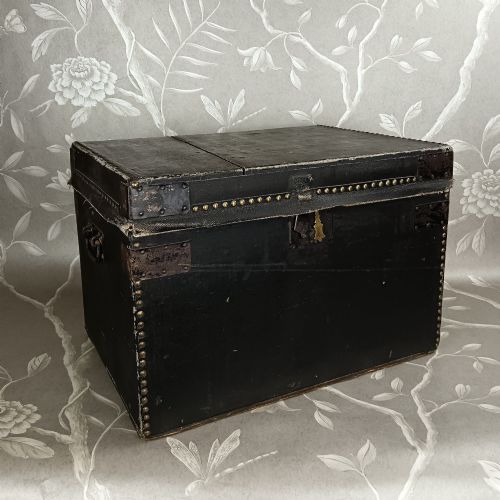
Construction relies heavily on durable timbers like pine, mahogany, and aromatic camphor wood, often reinforced with iron or brass bands to withstand rough handling. Hides and leather coverings are fastened securely using thousands of individual brass studs.
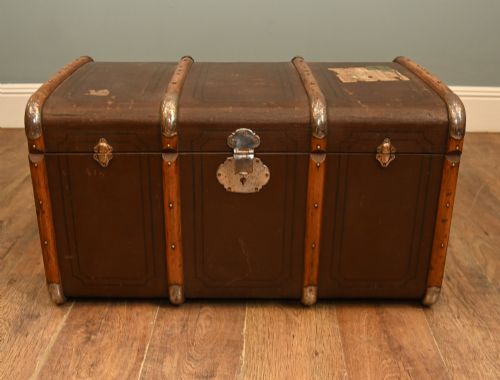
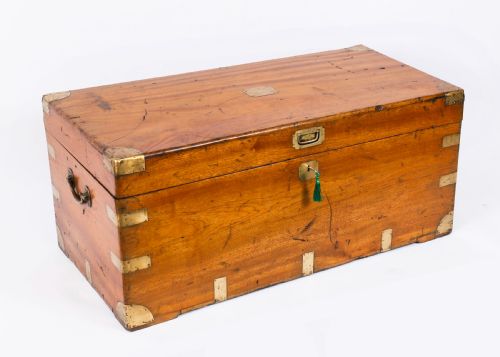
Exterior surfaces frequently feature protective canvas, painted metal, or lacquered finishes designed to resist moisture during long voyages. Specialised hardware includes recessed carrying handles, reinforced corners, and robust locking mechanisms made from brass or iron.
Travel Trunk Box Retail Price Guide 2026
Typical asking prices for travel trunk box among the pieces listed under this phrase on Sellingantiques today, from the lower quarter to the upper quarter. They describe what is for sale here now, not the wider market.
Listings feature travel trunk boxes spanning the 17th, 18th, 19th, and early 20th centuries, utilising materials from camphor wood and pine to steel and crocodile leather.
What varies in quality
Quality depends on the integrity of the original construction and the preservation of exterior materials like leather, canvas, and studwork. Finer examples display high-grade cabinet timbers, such as camphor wood or mahogany, paired with bespoke brass hardware and maker signatures.
The degree of original hardware survival, including working locks, hinges, and carrying handles, distinguishes standard transport containers from exceptional commission pieces.
Wm Insall of Bristol·Arthur Wannop·Lincoln Bennett·Chapple and Sons
The Travel Trunk Box Glossary
- Campaign chest
- A modular wooden chest designed to dismantle easily into sections for transport by military officers on campaign. These pieces typically feature recessed brass handles and corner brackets.
- Camphor wood
- An aromatic timber prized for furniture and trunks due to its natural insect-repellent properties. It protected stored garments from moths during long sea voyages.
- Studded leather
- A method of covering wooden core trunks with animal hide secured by rows of decorative metal tacks. This technique provides extra surface durability.
- Steamer trunk
- A lower-profile luggage case designed during the early 20th century to fit beneath the cabin berths of ocean liners. These trunks utilise lightweight metal and canvas construction.
- Hat box
- A specialised rigid container shaped to hold tall hats or top hats securely without crushing the brims. They often feature internal fitted compartments.
Travel Trunk Box: Frequently Asked Questions
How are travel trunk boxes cleaned?
Dust surfaces gently with a dry cloth and nourish aged leather using appropriate conservation waxes. Avoid harsh liquid cleaners that might damage historic finishes or original metal hardware.
Keep wooden and camphor interiors fresh by airing them out rather than using strong chemical fresheners.
Can travel trunk boxes be used as coffee tables?
Many sturdy examples function well as coffee tables, providing concealed storage for blankets and books within a living space. Flat-topped variants in wood or leather suit this purpose best.
Ensure the lid remains stable and consider placing a tray on top to protect the historic surface from spills.
What dates a leather studded trunk?
Studded decoration patterns, lock mechanisms, and the type of underlying timber help indicate the manufacturing period. 18th-century examples often feature domed lids and heavy iron mounts, while Victorian versions display precise brass studwork.
Maker stamps on the interior lining or locks can also provide a reliable production date.