


Traditional Yorkshire Artwork
Traditional yorkshire artwork captures the distinct light, topography and working life of the northern county through the brush of regional painters.
Traditional Yorkshire Artwork
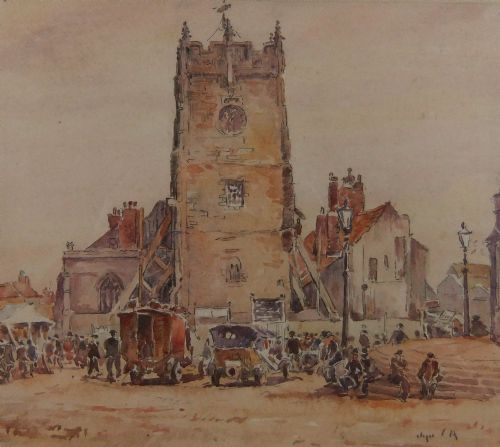
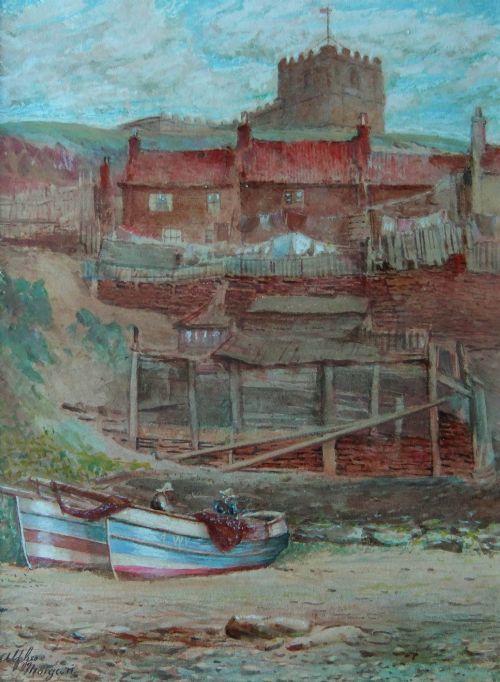
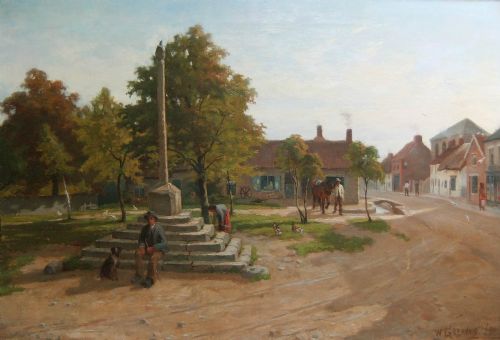
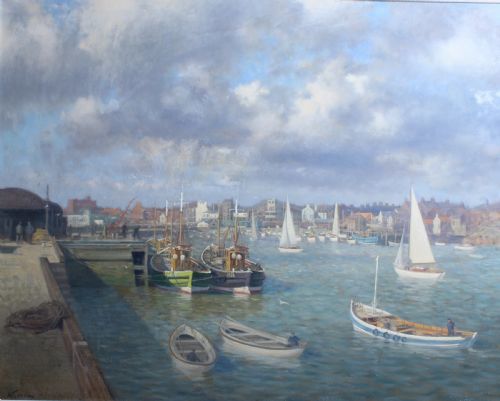
Traditional yorkshire artwork encompasses paintings that depict recognisable local landmarks, rural valleys, coastal harbours and moorland scenes across the county. Buyers search for these pieces to connect with specific northern locations such as Wharfedale, Whitby, Richmond and Leeds through historical visual records. The items available on this page consist predominantly of framed landscapes and harbour views created during the late nineteenth, early twentieth and mid-century periods.
The subjects span quiet pastoral farmyards, haymaking scenes, river banks and busy maritime ports rendered with regional accuracy. Most works concentrate on outdoor vistas, capturing the changing seasons, grey morning light and coastal weather unique to the area. These paintings function both as historical records of local geography and as traditional decorative pieces for domestic interiors.
How the works were constructed
The pieces are executed using traditional media including oil paint applied to canvas, board or wood panels, alongside watercolour pigment on paper. Artists utilised these mediums to capture atmospheric weather conditions, employing fluid washes for coastal skies and heavier impasto for rural fields and farmsteads. The physical application of paint reflects the prevailing academic and impressionist techniques favoured by regional painters of the era.
Support materials range from heavy paper sheets for delicate watercolours to stretched canvas and wooden boards for substantial oil paintings. Many retain their original frames, constructed from wood and gilded or painted mouldings appropriate to the period of creation. The combination of durable pigments and stable supports ensures the longevity of these regional scenes.
British Impressionism and Victorian Naturalism represent the dominant stylistic approaches found across the regional landscapes.
Factors determining quality
Quality rests upon the artist's ability to render light, atmosphere and perspective convincingly within the chosen medium. Stronger works demonstrate confident brushwork, a coherent palette and a successful balance of composition, particularly in complex harbour or moorland views. Less accomplished examples may rely on formulaic repetition without capturing the specific character of the Yorkshire location.
The integration of the subject matter with the scale of the canvas or paper also influences the overall merit of the piece. Works that convey a genuine sense of place through observational depth stand apart from generic topographical illustrations. The preservation of the pigment layer and the compatibility of the frame contribute to the enduring appeal of the stronger paintings.
John Smith Atherton·Alfred G Morgan·William Greaves·Walter Goodin·Robert Little RWS·Herbert Royle·Reginald Grange Brundrit RA·Arthur Tucker·William Mellor·Owen Bowen·George Hamilton Constantine·Frederick Williamson·Albert Robert Quinton·Ernest Higgins Rigg·James L Brooke·Rowland Henry Hill·Tom Dudley·Frederick William Jackson·John Cawthorn·Fred Lawson·Lester Sutcliffe
The Traditional Yorkshire Artwork Glossary
- Watercolour pigment
- A water-based paint using finely ground colour particles suspended in a water-soluble binder. It is applied to paper to create transparent washes and detailed regional views.
- Oil on canvas
- Pigment mixed with drying oils applied to a stretched woven fabric support. This technique allows for rich texture and deep colour layering in landscapes.
- Impressionism
- A style of painting emphasising light and its changing qualities rather than minute detail. British practitioners adapted this approach to capture northern weather and rural light.
- Topographical art
- Artwork that accurately depicts specific geographical locations and identifiable buildings. These pieces serve as visual documents of historical Yorkshire towns and countryside.
Traditional Yorkshire Artwork: Frequently Asked Questions
What periods do these paintings cover?
The available selection spans from the late nineteenth century through the Edwardian era and into the mid-twentieth century.
Most pieces date from the decades around nineteen hundred, reflecting active regional art communities operating across the county.
Which locations are most commonly depicted?
Coastal spots like Whitby, Staithes and Filey appear frequently alongside inland river valleys such as Wharfedale and Swaledale.
Urban and architectural landmarks in York, Leeds and Huddersfield also feature across the selection.
Are these works original paintings?
Every listed item is an original piece created by hand rather than a modern reproduction or print.
Artists used either watercolour on paper or oil paint on canvas and board to capture their Yorkshire subjects.
How should I care for an antique watercolour?
Watercolours are sensitive to prolonged direct sunlight and require placement away from bright south-facing windows.
Framing behind conservation glass helps protect the delicate pigments from fading over time.