




Traditional Woven Wool Rug
A traditional woven wool rug brings centuries of hand-knotted artistry into a room through dense pile and enduring natural fibre.
Traditional Woven Wool Rug
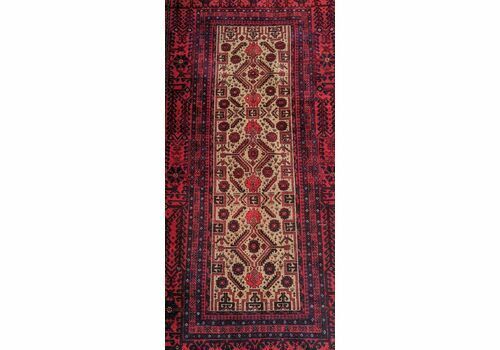
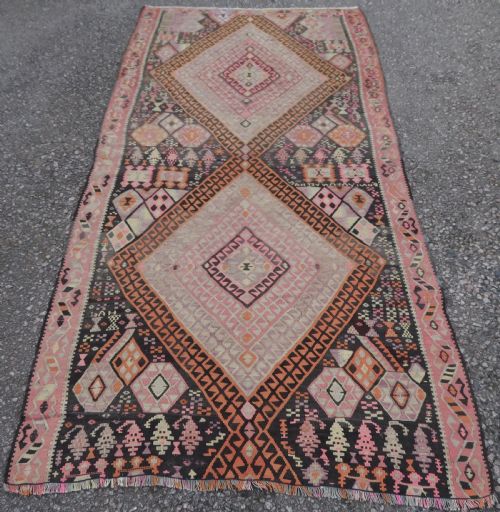
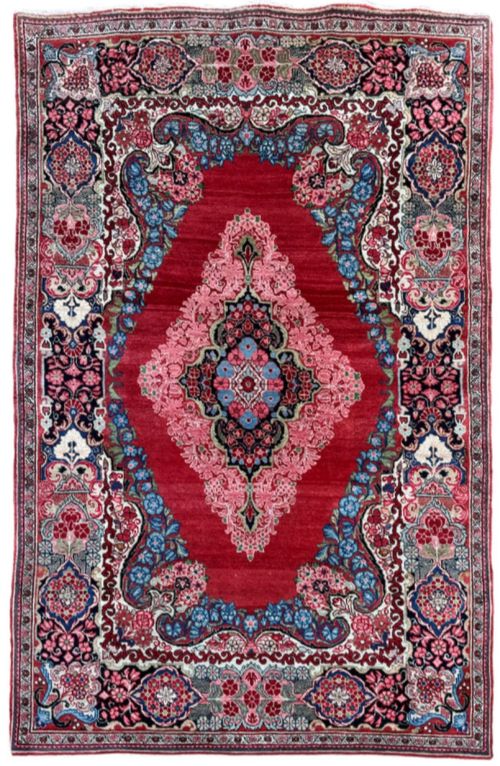
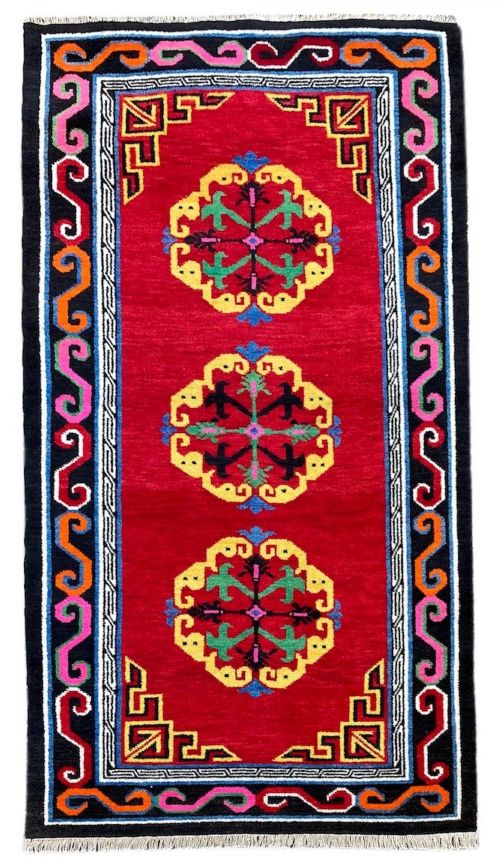
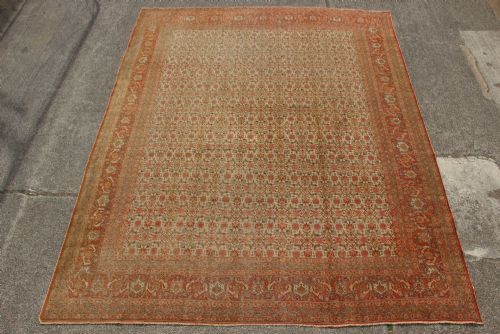
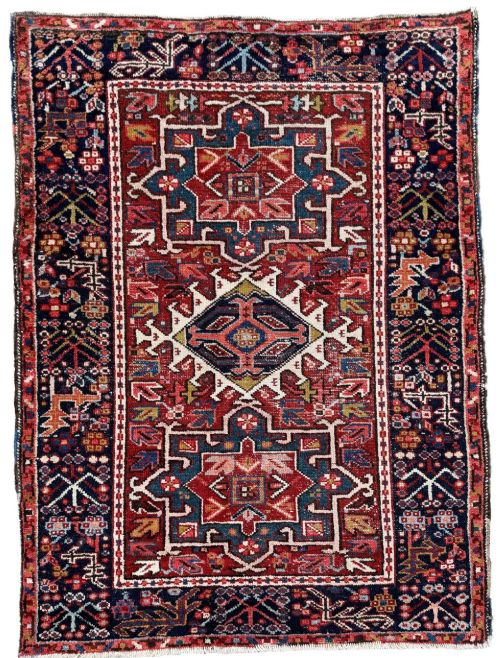
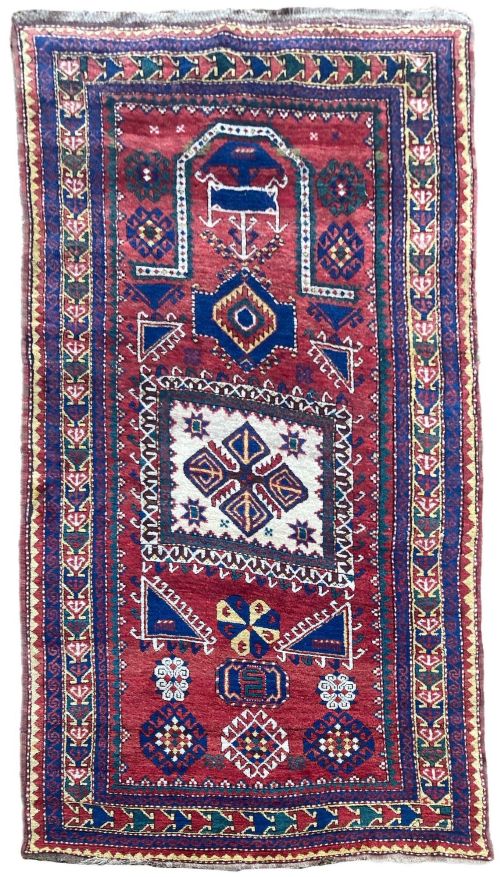
When you search for a traditional woven wool rug, you encounter hand-knotted and flat-woven floor coverings originating from Persian, Caucasian, Turkmen, Anatolian and Tibetan traditions. These pieces span production dates from the nineteenth century into the twentieth century, taking the form of area rugs, large carpets, long hallway runners and specific prayer formats.
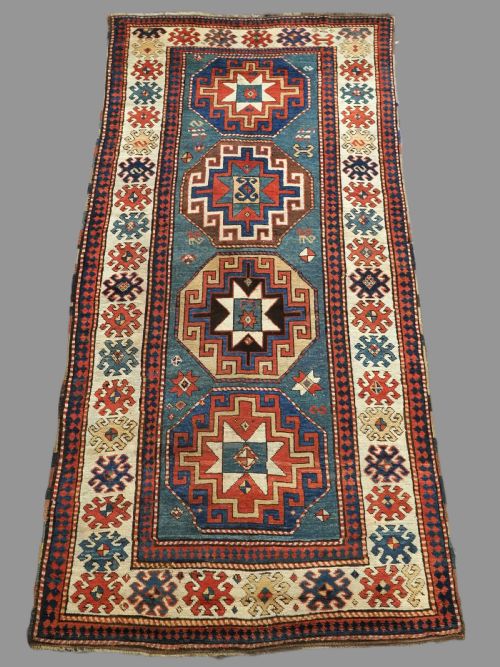
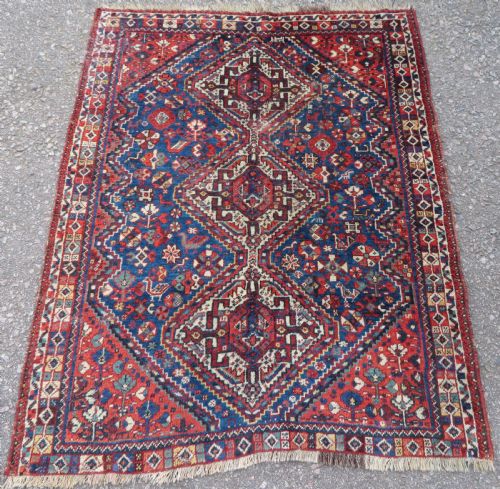
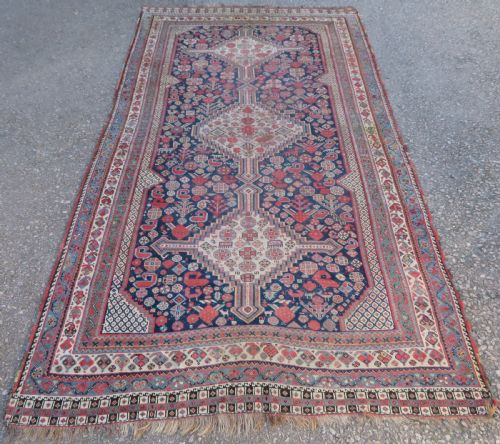
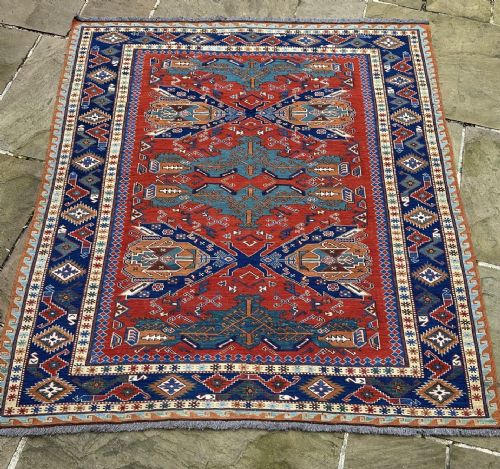
The most common examples you meet on this page are Persian village and tribal pieces alongside Caucasian Kazak and Karabagh weaves. These textiles serve both domestic warmth and decorative impact, utilising room-anchoring scales and distinct regional motifs that reflect the communities where makers tied them yarn by yarn.
How They Were Made
Makers constructed these floor coverings primarily using wool foundations and pile, occasionally integrating cotton structural warps and select silk highlights for textural contrast. Spinners carded and spun sheep fleece by hand before dyers immersed the yarns in natural dye baths derived from plants and minerals to secure deep, rich hues.
Weavers tied intricate knots onto vertical looms or worked flat-woven tapestry structures, often finishing the sides with sturdy overcast selvedges. Artisans incorporated glass beads into certain designs or bound ends with woven kilim fringes to protect the main carpet body from fraying.
Certain antique runners stretch over four metres long, designed specifically to warm echoing country house corridors.
What Varies in Quality
The distinction between standard village production and finer workshop output lies in knot density, yarn preparation and the precision of the drawn cartoon. Tighter knotting permits sharper geometric or floral definition, while superior wool retains natural lanolin for resilience under heavy foot traffic.
Design execution and dye consistency separate exceptional textiles from simpler commercial pieces. Subtle abrash variations within the wool field show natural dye absorption shifts over time, contributing depth that chemical dyes fail to replicate.
The Traditional Woven Wool Rug Glossary
- Pile
- The upright yarn loops or cut ends that form the soft surface of a rug. This layer absorbs daily wear and reveals the woven pattern.
- Knot density
- The measurement of individual knots per square unit on the reverse side of a textile. Higher counts generally indicate greater labour investment and finer detail.
- Abrash
- The subtle horizontal colour variation within a wool field caused by changes in dye batches. This tonal shift confirms natural dyeing methods.
- Kilim
- A flat-woven textile made without pile by tightly interweaving warp and weft threads. These pieces function as versatile floor coverings or wall hangings.
- Selvedge
- The reinforced outer edge binding running parallel to the length of a rug. This finish prevents the side cords from unravelling under tension.
Traditional Woven Wool Rug: Frequently Asked Questions
How do I clean a wool rug?
Regular gentle vacuuming without a rotating brush roll removes surface grit from the wool pile safely.
Professional immersion washing remains necessary for deep cleaning to protect the natural fibres and dyes from damage.
Can I place these rugs in hallways?
Long runner formats fit narrow corridors and high-traffic transitional spaces effectively.
Using an appropriate underlay prevents slipping and cushions the wool structure against hard stone or wooden floors.
What makes Persian rugs different?
Persian examples typically feature curved floral medallions, elaborate vine scrolls and city workshop origins.
Tribal variants from the same regions employ bolder geometric motifs, asymmetrical layouts and spontaneous village designs.
How do I identify Caucasian rugs?
Caucasian pieces display crisp geometric medallions, primary primary star motifs and saturated primary colours.
Weavers in this mountainous region utilised sturdy wool structures and distinctive rectilinear borders unique to local tribal groups.