


Traditional Wool Room Carpet
A traditional wool room carpet grounds a large interior with enduring pattern and warmth.
Traditional Wool Room Carpet
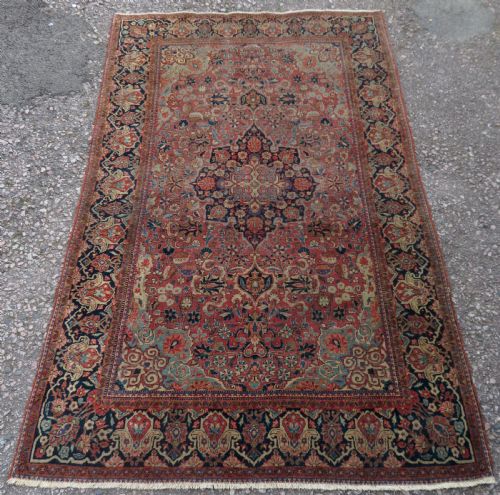
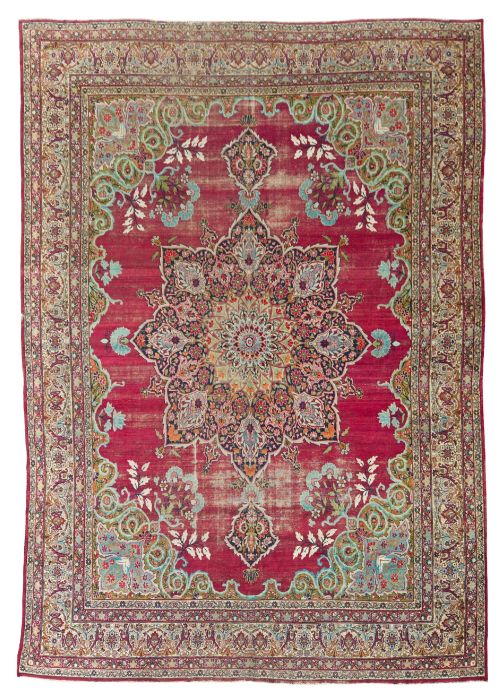
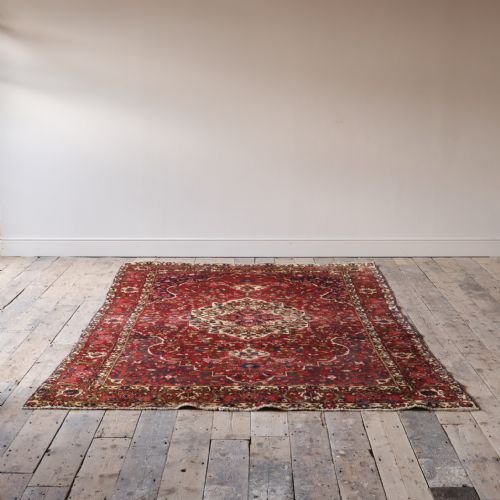
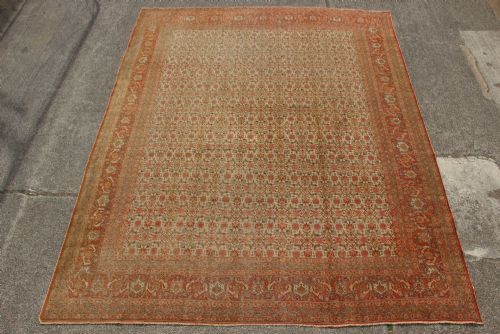
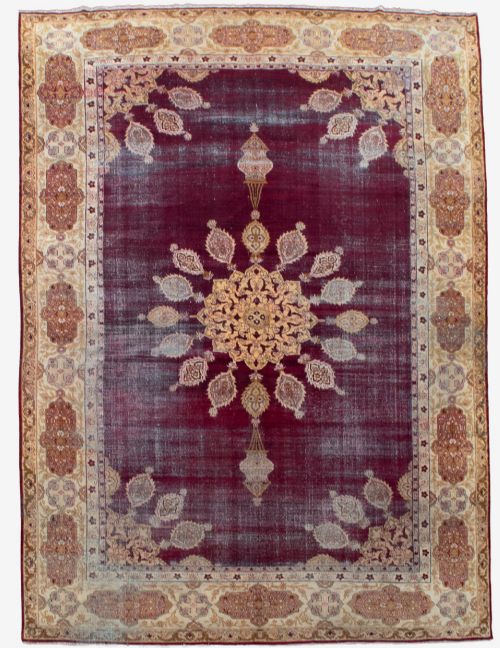
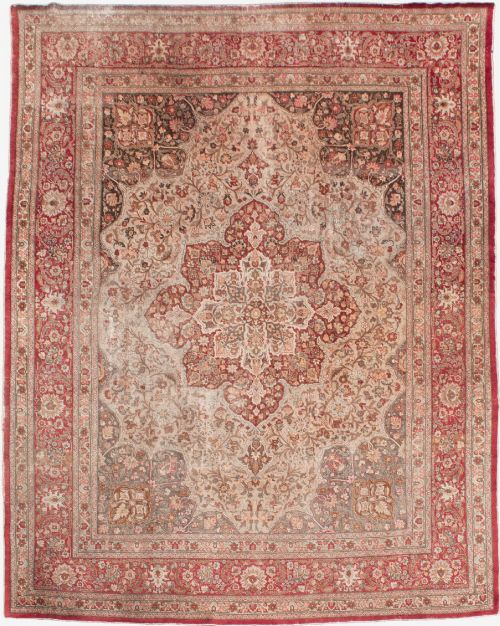
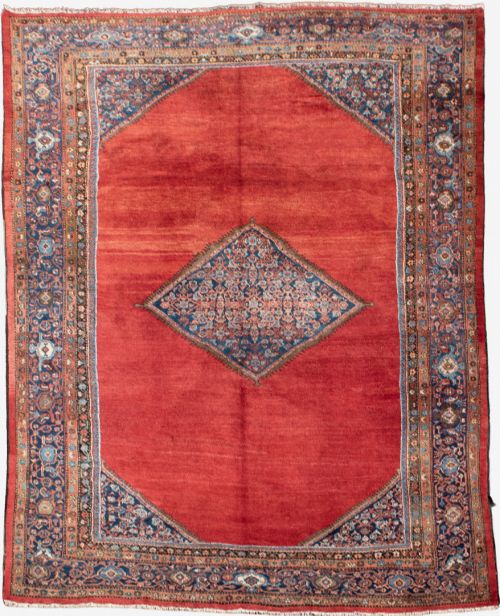
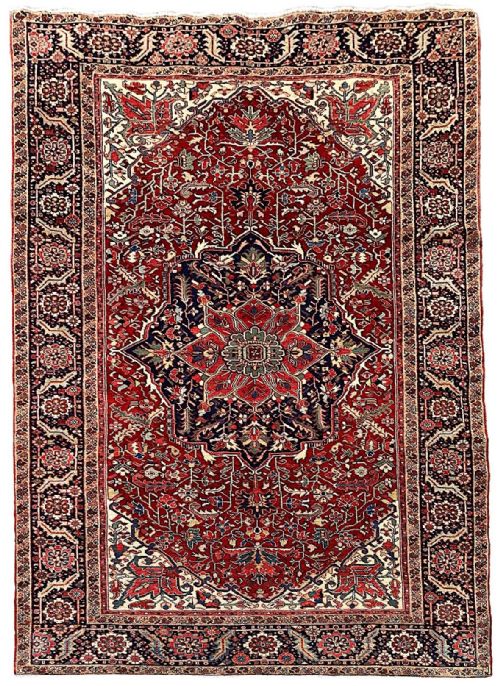
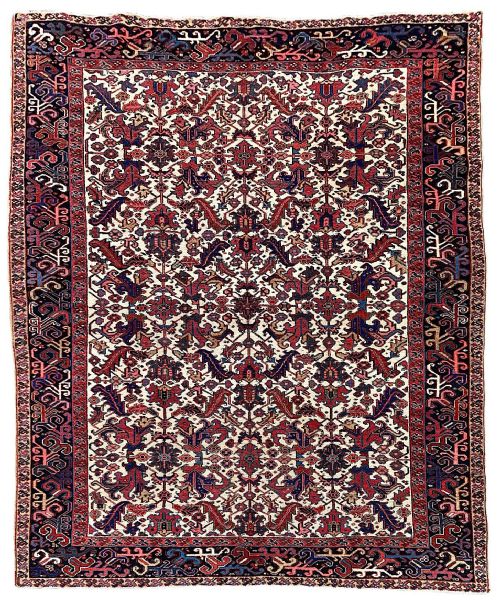
When you search for a traditional wool room carpet, you encounter large floor coverings originating from Persia, Turkey, and India, dating from the late nineteenth century through the mid twentieth century. These pieces appear as rugs, area rugs, and room-sized carpets designed for expansive spaces.
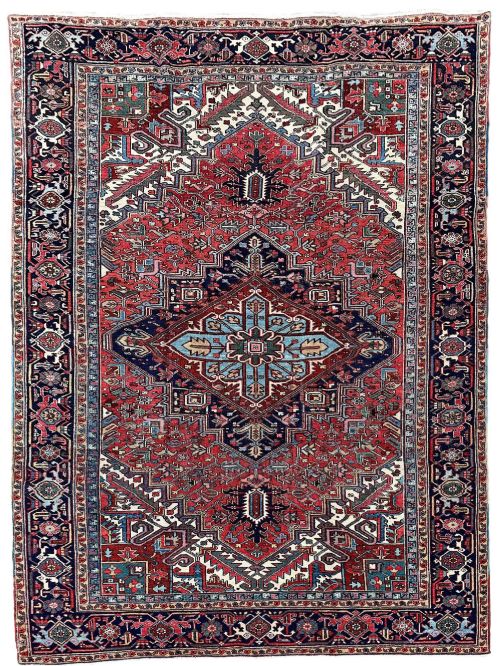
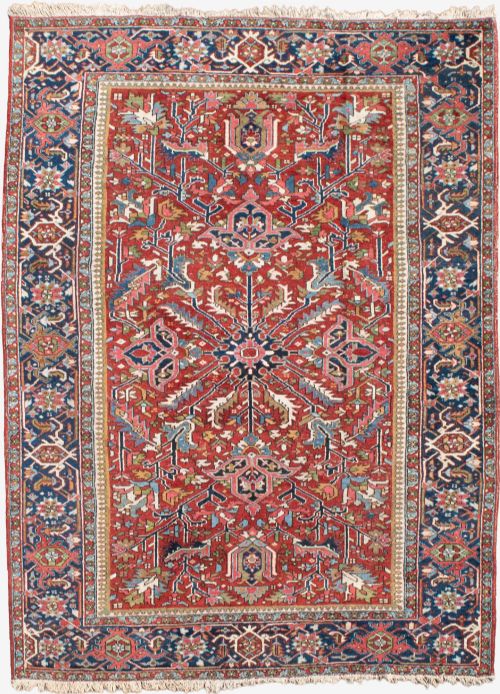
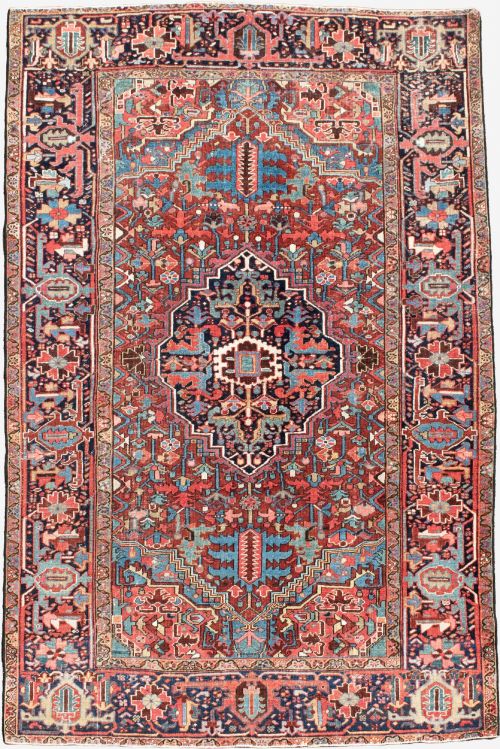
The selections on this page span styles such as Heriz, Tabriz, Oushak, Kirman, and Amritsar. Heriz and Tabriz pieces dominate the selection, offering substantial proportions suited to principal reception rooms.
Materials and construction
These carpets rely primarily on wool, occasionally incorporating cotton foundations and select silk highlights. Hand-weaving techniques unite these materials into durable floor coverings designed for heavy domestic use.
Weavers knot the wool pile onto cotton or wool warp and weft threads, creating dense structures that withstand generations of foot traffic.
Several carpets in this collection have spent over a century quietly listening to family arguments and dropped toast.
Distinctions in standard
Quality rests upon knot density, the fineness of the wool, and the complexity of the dye work. Tighter knots allow for sharper detail in intricate geometric and floral motifs.
The source of the wool and the depth of the palette dictate the visual impact across the room. Superior examples maintain structural integrity despite significant age and wear.
The Traditional Wool Room Carpet Glossary
- Pile
- The upright loops or cut strands of wool that form the usable surface of the carpet. This layer absorbs foot traffic and displays the woven design.
- Warp
- The stationary vertical threads stretched upon the loom before weaving begins. These parallel strings form the foundational skeleton of the piece.
- Weft
- The horizontal threads passed alternately over and under the warp threads to bind the knots in place. Packing the weft tightly secures the pile rows.
- Kilim
- A flat-woven carpet or rug produced without a pile. These pieces offer a lighter weight and distinct geometric patterns.
- Medallion
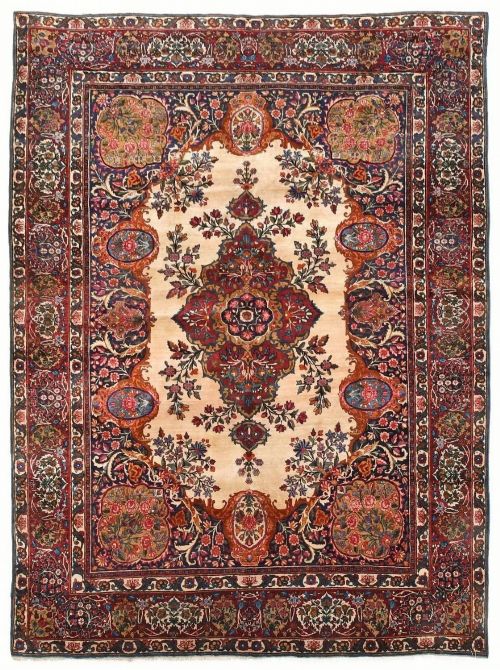
- A central ornamental motif dominating the middle of the carpet field. This design element often anchors the entire composition.
Traditional Wool Room Carpet: Frequently Asked Questions
How do I clean a wool room carpet?
Vacuum gently without a rotating brush to protect the vintage pile. Professional specialist cleaning remains essential for removing deep dirt.
Avoid household detergents and excessive moisture, which weaken old wool fibres and foundation threads.
Where should I place a room size carpet?
Position these large carpets in primary reception spaces, drawing rooms, or dining areas where furniture can rest upon them. Ensure the scale leaves a uniform border of exposed floor around the perimeter.
Use a quality underlay to prevent slipping and reduce friction between the antique fibres and the floorboards.
How do I identify an Oushak carpet?
Oushak carpets typically display softer, more open floral designs rendered in muted pastel or pale blue and pink palettes. The wool tends to feel looser and softer than that of tighter Persian counterparts.
Originating in Turkey, these large format pieces suit understated interiors that require gentle colour harmonies.
What is a Heriz carpet?
Heriz carpets originate from northwest Persia and feature bold, geometric medallions set against prominent corner spandrels. They employ sturdy wool well suited to heavy domestic use.
Their robust construction and distinctive village designs make them enduringly popular for large living spaces.