


Traditional Wooden Tray Table
A traditional wooden tray table offers flexible surface space, combining a removable tray top with a supportive folding or fixed stand.
Traditional Wooden Tray Table
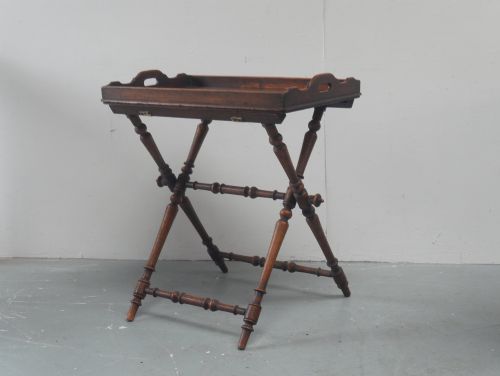
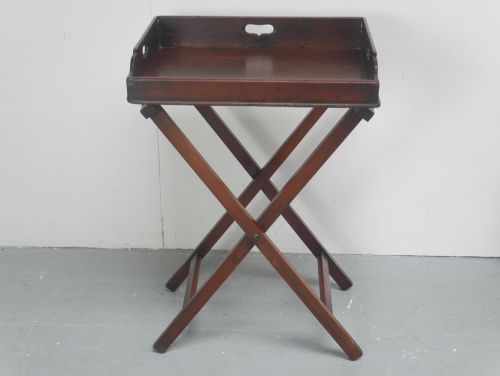
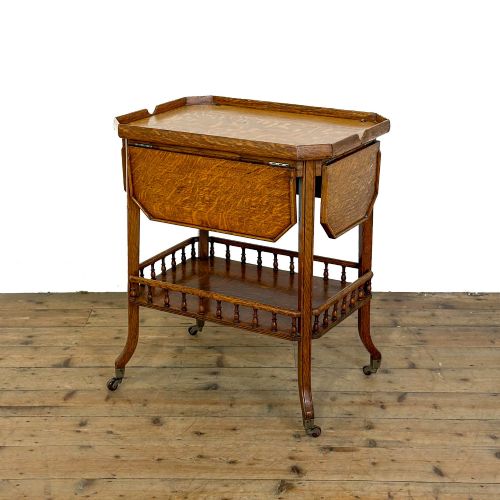
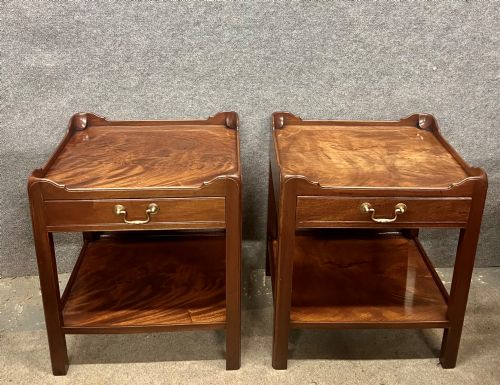
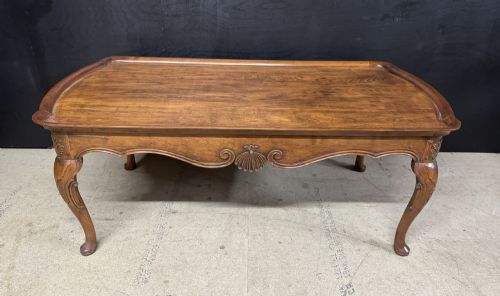
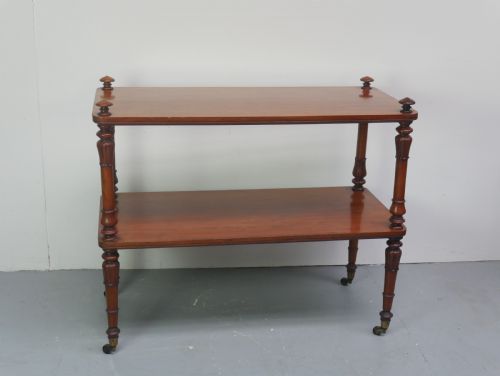
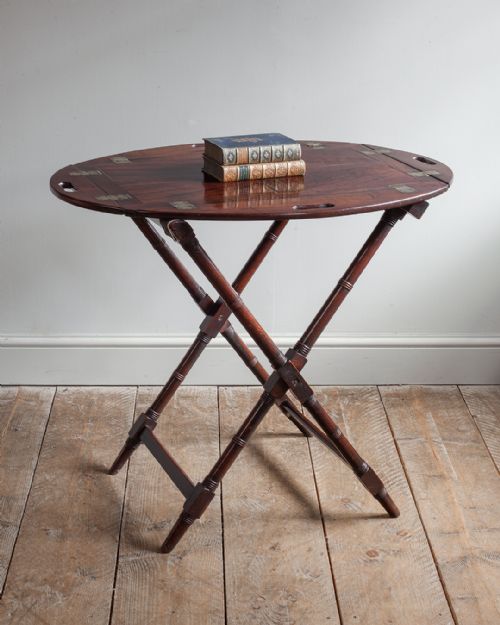
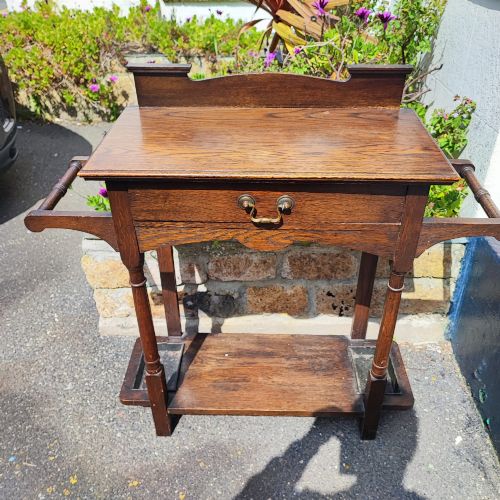
A traditional wooden tray table serves as portable furniture designed for serving or display, combining a removable tray top with a matching base. When exploring a traditional wooden tray table, buyers encounter folding stands alongside fixed occasional tables.
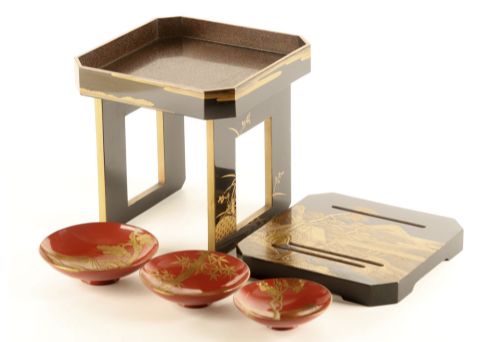
The selections span multiple eras, including Georgian, Victorian, Edwardian, and early twentieth-century examples. Mahogany and oak dominate the offerings, appearing alongside walnut and specialised lacquer surfaces.
Materials and construction
Cabinet makers utilised dense hardwoods such as mahogany and oak to construct durable frames and tray surrounds capable of frequent handling. Folding stands rely on hinged or X-frame mechanisms designed for compact storage.
Surface finishes involve traditional polishing techniques that highlight the natural grain of walnut, mahogany, or oak. Details such as carved edges and brass hardware provide structural reinforcement and decorative contrast.
Some folding stands hide ingenious locking hinges designed to prevent tea services from sliding off during enthusiastic Victorian parlour gatherings.
Assessing quality and craftsmanship
Quality rests upon the selection of timber and the precision of the joinery connecting the tray sides and base stands. Finer examples display harmonious grain matching across the tray floor and sturdy, well-fitted hinges on folding supports.
Condition depends on the preservation of the original polish and the structural integrity of the stand. Pieces retaining their original matching stands hold greater cohesion than those assembled from mismatched components.
The Traditional Wooden Tray Table Glossary
- Butler's tray
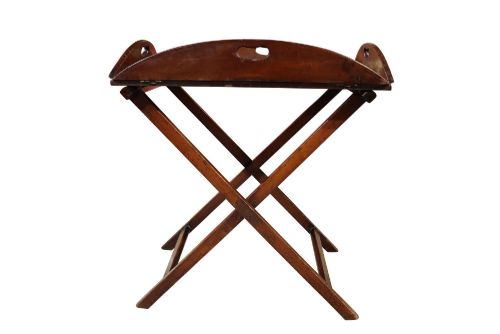
- A removable wooden tray featuring raised sides, often with cutout handles, designed to sit upon a folding X-frame stand.
- Occasional table
- A small, portable table utilised for specific domestic tasks such as serving tea or holding lamps.
- X-frame
- A folding support structure formed by intersecting wooden legs that allow the stand to collapse flat.
- Hongmu
- A dense, dark traditional Chinese hardwood utilised for fine furniture and decorative objects.
Traditional Wooden Tray Table: Frequently Asked Questions
How were traditional tray tables used?
These tables served primarily for carrying food and beverages from the kitchen to the parlour or dining room. The removable tray allowed servants to clear settings efficiently while leaving the folding stand in place.
Over time, many of these pieces transitioned into permanent living room furniture, acting as coffee tables or side tables. Their dual nature made them adaptable to various domestic tasks.
Are the trays removable?
Most traditional butler-style tray tables feature a loose tray resting securely on top of a folding or fixed wooden stand. This design allowed the surface to double as a serving platter.
Some later or revival variants integrate the tray more permanently into the base structure. Buyers examining specific listings can determine whether the surface lifts off independently.
How do I date a wooden tray table?
Dating relies upon timber selection, hardware design, and cabinet-making techniques visible in the frame and handles. Georgian and Victorian examples typically employ solid mahogany or oak with hand-cut dovetails and turned supports.
Edwardian and later pieces often incorporate lighter oak constructions or distinct revival styling. Comparing the construction methods of the tray to its stand provides further chronological clues.
How do I care for wooden tray surfaces?
Maintenance involves dusting with a soft, dry cloth and applying appropriate beeswax or polish sparingly to preserve the timber finish. Avoiding excessive moisture and direct heat protects the antique polish from staining or cracking.
Placement away from direct sunlight prevents the mahogany, oak, or walnut from fading over time. Regular gentle care maintains the natural lustre of the wood.