
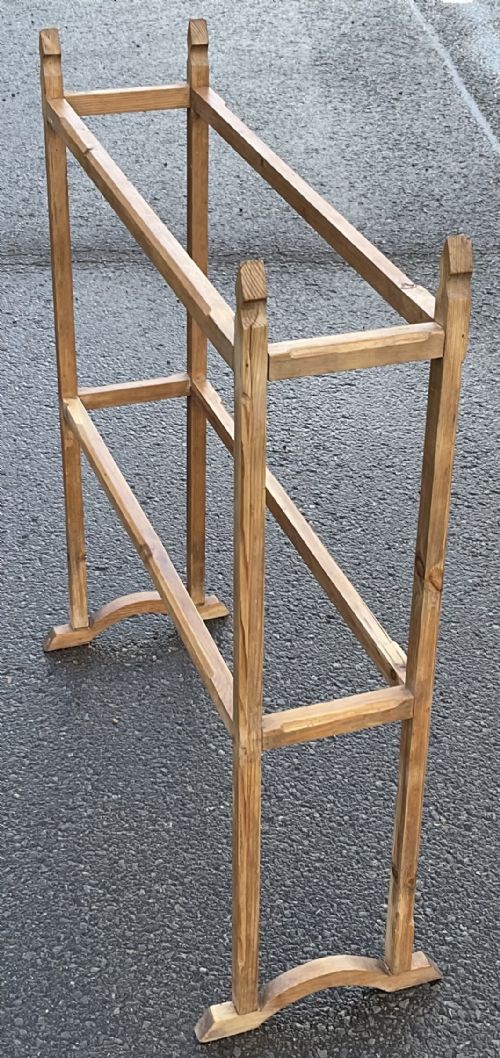


Traditional Wooden Towel Rack
A traditional wooden towel rack brings warmth and practical utility to a room, offering sturdy rails for linens in polished mahogany or painted pine.
Traditional Wooden Towel Rack
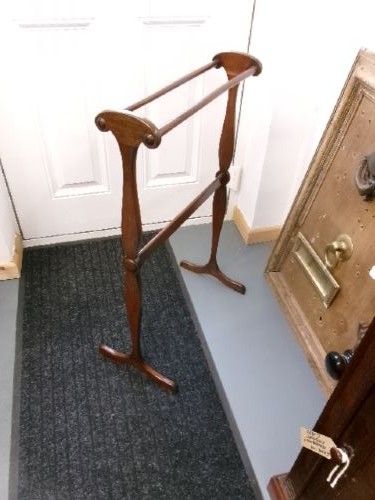
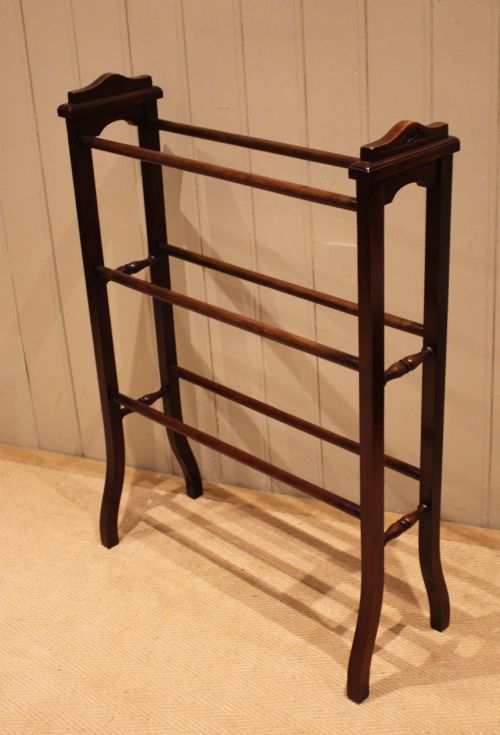
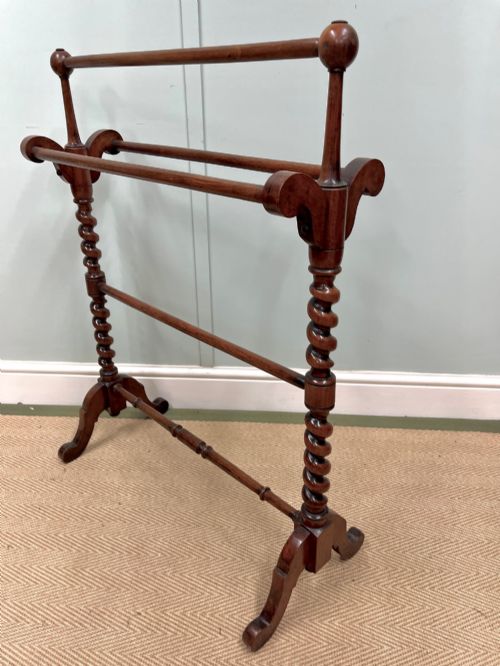
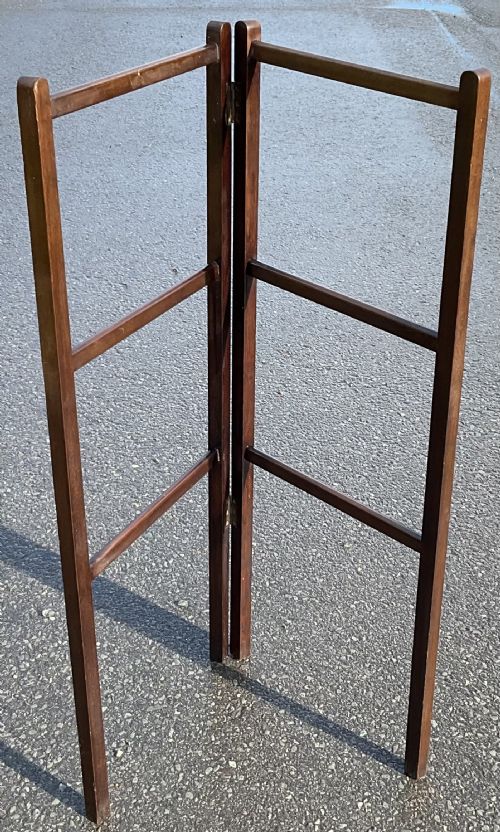
A traditional wooden towel rack is a practical furnishing designed to hold and dry linens, appearing frequently in mahogany and pine across this selection. Buyers encounter freestanding rails from the Victorian and Edwardian eras, alongside folding designs and larger five-bar variations.
The objects span multiple periods, including pieces from the nineteenth century, the Regency era, and Chinese Qing Dynasty workshops. Forms range from simple standing rails to clothes racks and hall stands, reflecting diverse domestic uses for textiles and garments.
Mahogany predominates among the surviving pieces, often shaped with multiple rails or enhanced by satinwood inlay. Simpler pine versions also feature, alongside ebonised wood and lacquered finishes that show the varied domestic tastes of the past.
How they were made
Cabinetmakers utilised timber such as mahogany, pine, elm, and hardwood to construct these frames, joining vertical supports with horizontal rails. Carpenters shaped the wood using traditional hand tools, creating joints designed to withstand the daily weight of damp linens.
Surface treatments include polished mahogany, black ebonised finishes, and decorative lacquer work. Certain pieces incorporate brass fittings and delicate satinwood inlay to add visual contrast to the structural timber.
The listings here feature nineteenth-century, Regency, and Edwardian pieces constructed from mahogany, pine, hardwood, and elm.
What varies in quality
The distinction between standard utility items and finer pieces lies in the selection of timber and the refinement of the joinery. Dense mahogany with rich grain and precise framing stands apart from simpler pine or utilitarian workshop construction.
Decorative elements such as satinwood inlay, carved details, and brass components elevate the visual presence of a rail. Proportion and scale also dictate quality, with larger or more generously proportioned stands offering greater visual weight.
Gillows
The Traditional Wooden Towel Rack Glossary
- Mahogany
- A durable hardwood prized for its deep reddish-brown colour and fine grain. Cabinetmakers favoured it for nineteenth-century furniture due to its strength and polish.
- Pine
- A soft timber commonly used for utilitarian furniture and painted domestic pieces. It offers a lighter appearance and was widely utilised in Edwardian households.
- Ebonised wood
- Timber treated with a dark stain or finish to imitate expensive ebony. This technique gained popularity during the Victorian period for striking visual contrast.
- Satinwood inlay
- A decorative technique inserting contrasting pale timber into a darker wood surface. It adds refined detail to Edwardian and Victorian mahogany pieces.
- Qing Dynasty
- The final imperial dynasty of China, dating from the seventeenth to the early twentieth century. Pieces from this period feature distinctive carved ornamentation and lacquer finishes.
Traditional Wooden Towel Rack: Frequently Asked Questions
How do I date a towel rail?
Dating relies on timber choice, construction methods, and stylistic cues present in the frame. Victorian and Edwardian examples often display distinct turning and wood finishes typical of their respective decades.
Earlier Regency or nineteenth-century pieces typically show heavier proportions and specific timber selections like dense mahogany. Comparing these structural details against known period styles helps determine the approximate age.
Were these racks only for bathrooms?
These pieces served multiple domestic spaces, including bedrooms, dressing rooms, and hallways, long before modern central heating. They were utilised for airing garments and linens rather than simply hanging wet towels.
Larger variations and clothes racks functioned similarly to wardrobes in rooms where textile storage was necessary. Their portable standing design allowed them to move easily near hearths or dressing areas.
Can I use an antique rail daily?
Solid wood construction and sturdy joinery make these pieces durable enough for regular modern use. Care should be taken not to overload fragile joints with excessive weight.
Placing dry or moderately damp linens on the rails preserves the historic finish and timber. Routine handling reveals the lasting strength built into these traditional domestic furnishings.
What is the difference between pine and mahogany rails?
Pine rails offer a lighter, softer appearance and frequently carry painted finishes suited to simpler chambers. Mahogany provides a denser, heavier structure with a dark, polished grain favoured in formal reception rooms.
Each timber reflects the intended status of the room it originally inhabited. Cabinetmakers chose materials based on both functional durability and prevailing interior fashions.