


Traditional Wooden Tallboy
These traditional wooden tallboy pieces combine practical storage with historical craftsmanship, offering substantial height and timeless utility for the home.
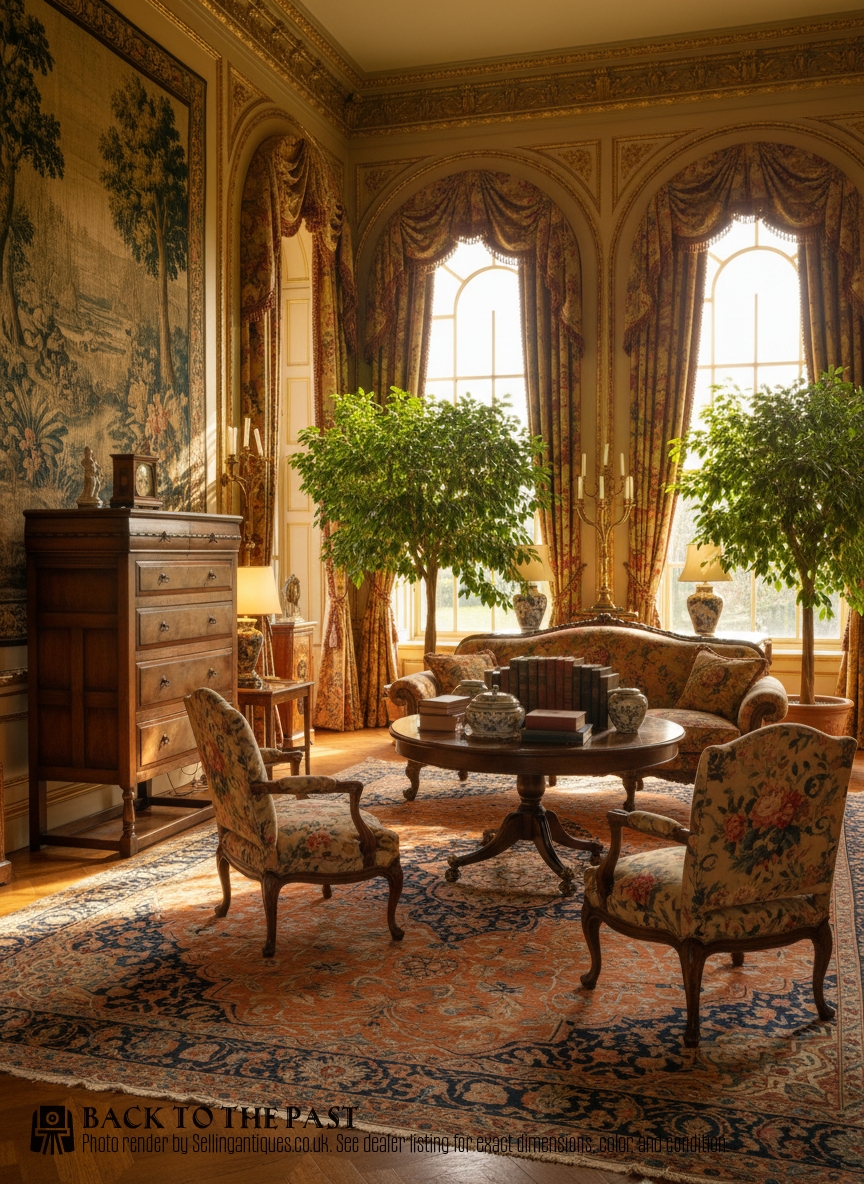
Traditional Wooden Tallboy
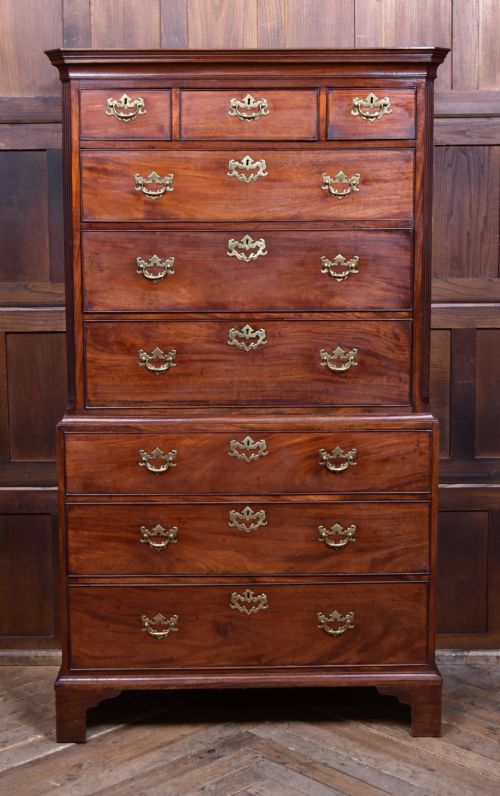
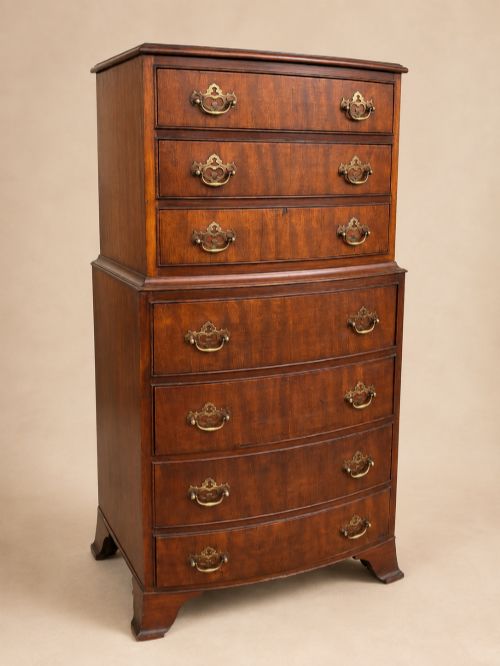
When you search for a traditional wooden tallboy, you are looking at tall vertical storage furniture designed to maximise floor space by stacking drawers upwards. These pieces span multiple centuries, including Georgian, Victorian, and Edwardian eras, reflecting changing domestic needs over generations.
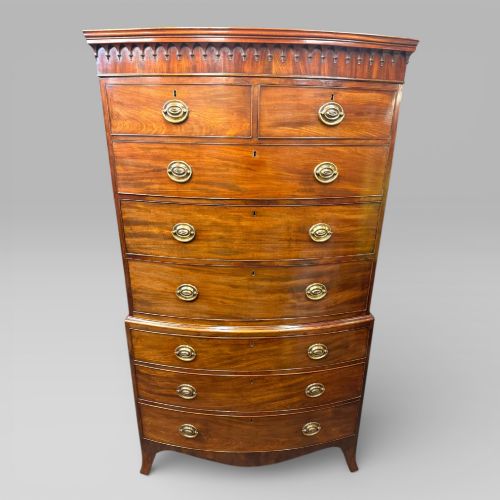
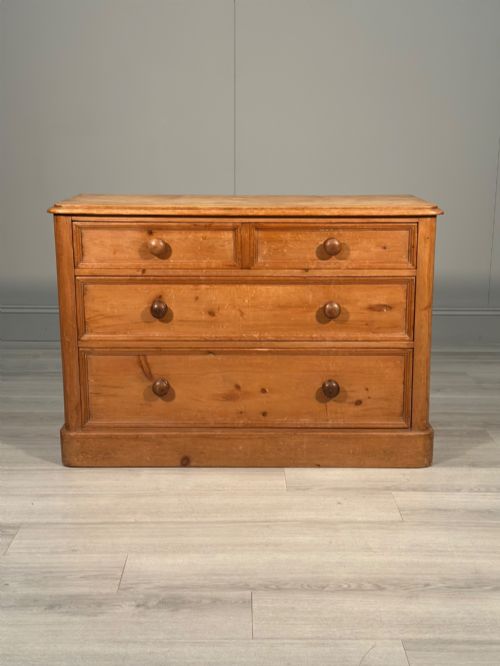
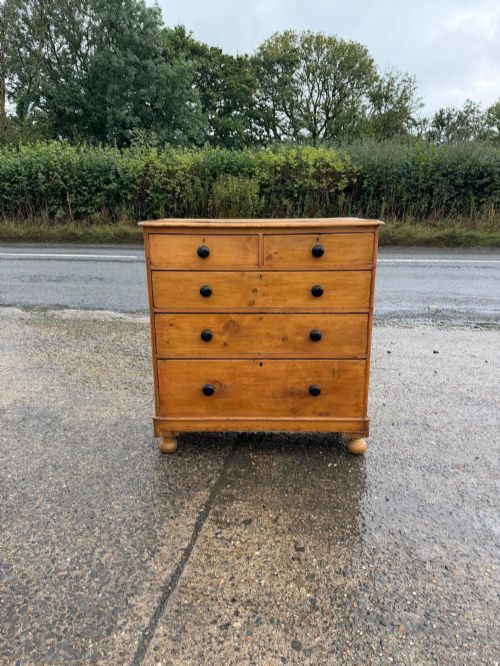
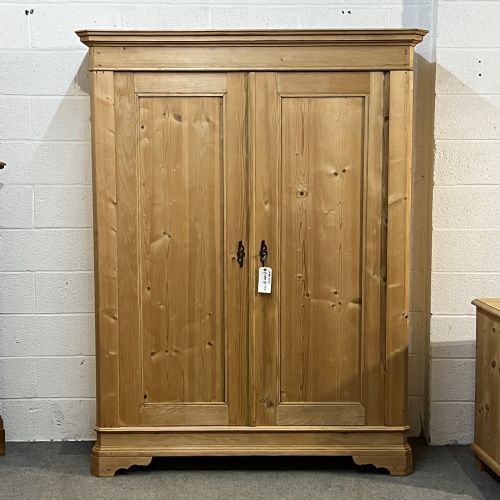
The selections available here range from formal mahogany chest on chest designs to sturdy pine and oak farmhouse drawers. You will also encounter related elevated forms such as linen presses, wardrobes, and bedside chests that share the vertical emphasis of the traditional tallboy.
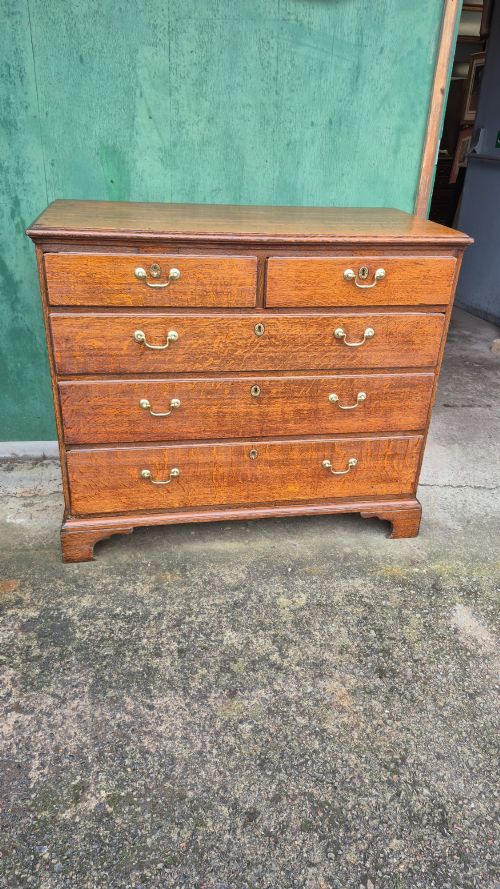
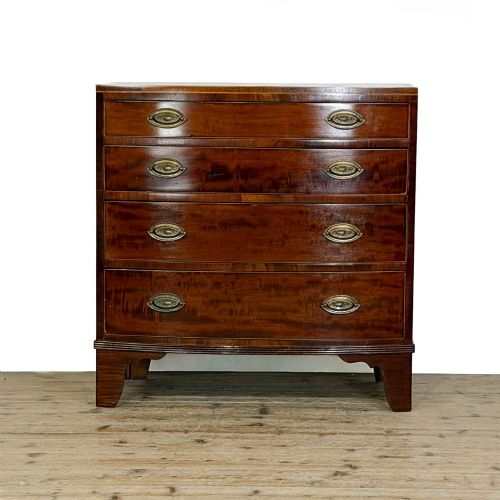
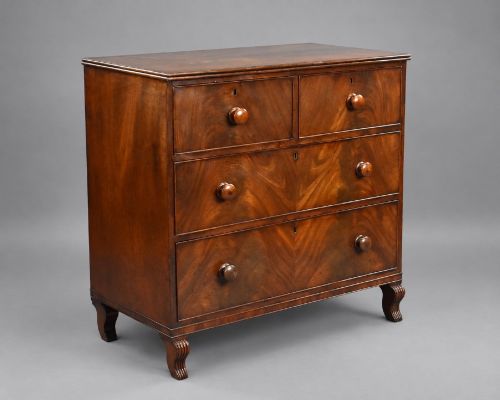
Many items date from the nineteenth and early twentieth centuries, featuring distinct regional variations from golden oak to flame mahogany veneer. Whether built as a single towering chest or a two-part chest on chest, each piece provides deep multi-tier storage for textiles and garments.
How traditional wooden tallboys were made
Cabinet makers utilised dense native and imported timbers, primarily working with solid mahogany, oak, pine, and walnut. Selecting these strong woods ensured the tall frames could support the weight of multiple heavy drawers without sagging.
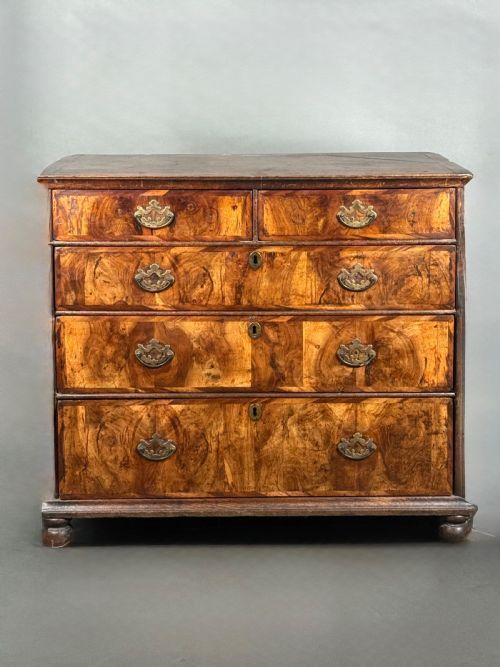
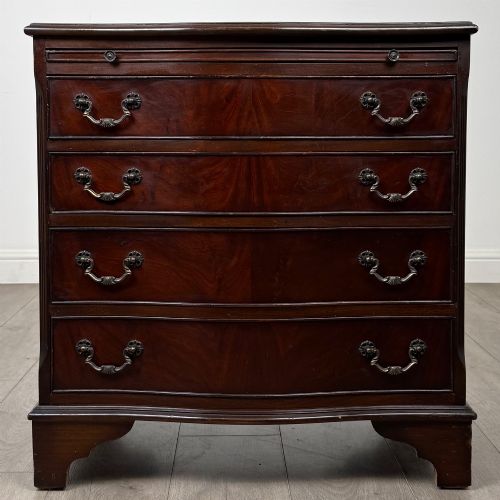
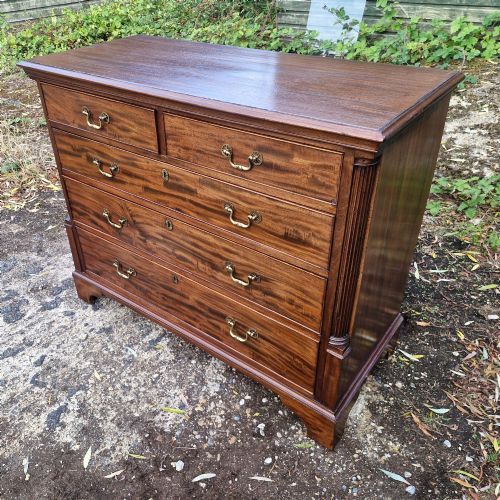
Construction techniques relied on sturdy joinery and finely figured veneers, such as flame mahogany and oyster veneer, applied to secondary woods. Metal elements like brass handles and keyhole escutcheons were securely fitted to the drawer faces to handle daily use.
Traditional Wooden Tallboy Retail Price Guide 2026
Typical asking prices for traditional wooden tallboy among the pieces listed under this phrase on Sellingantiques today, from the lower quarter to the upper quarter. They describe what is for sale here now, not the wider market.
Listings feature woods such as mahogany, oak, walnut, pine, and yew wood, spanning periods from the eighteenth to the twentieth century.
What varies in quality
The standard of a traditional wooden tallboy depends heavily on the selection of timber and the precision of the cabinet work. Pieces featuring book-matched flame mahogany veneer or intricate figured walnut represent superior craftsmanship compared to simpler utilitarian items.
Hardware and internal construction also distinguish finer examples from standard workshop output. Hand-cut dovetail joints, substantial brass drawer furniture, and secondary timbers of matching quality separate high-grade period furniture from later revival pieces.
Jas Shoolbred
The Traditional Wooden Tallboy Glossary
- Tallboy
- A tall chest of drawers, often constructed as one single tall unit or as a chest on chest arrangement. This form provides maximum vertical storage while occupying minimal floor space.
- Chest on Chest
- A tall storage unit comprising an upper chest of drawers stacked securely upon a slightly wider lower chest. This two-part construction allowed easier transport of heavy furniture.
- Flame Mahogany Veneer
- A thin decorative slice of mahogany wood exhibiting a distinctive flickering, flame-like grain pattern. Cabinet makers applied this to primary drawer fronts for visual impact.
- Dovetail Joint
- An interlocking wood joint formed by interlocking wedge-shaped fingers, prized for its exceptional tensile strength. It remains a hallmark of traditional drawer construction.
- Escutcheon
- A protective metal plate surrounding a keyhole, often made of brass. It prevents the wood around the lock from splitting during the insertion of the key.
Traditional Wooden Tallboy: Frequently Asked Questions
What is a traditional wooden tallboy?
A traditional wooden tallboy is a high-standing chest of drawers designed to hold clothing while taking up minimal floor space. These pieces often feature stacked drawer configurations built from timbers like mahogany, oak, and walnut.
Historically used in bedrooms, the vertical design allowed households to store linens and garments efficiently before fitted wardrobes became common.
How do I date a tallboy chest?
Dating involves examining the construction methods, timber choices, and hardware styles visible on the piece. Georgian examples often showcase rich mahogany and fine bracket feet, while Victorian versions tend to be heavier with rounded drawer edges.
Secondary woods inside the drawers and the style of the dovetail joints also offer clues to the decade or century of manufacture.
How do I care for antique wood furniture?
Maintain antique wooden surfaces by keeping them away from direct sunlight and sudden temperature changes. Applying a natural beeswax polish occasionally helps nourish the timber and preserve the historic finish.
Avoid using modern silicone sprays, as they can penetrate the wood grain and damage fragile antique polishes over time.
Are chest on chest and tallboy the same thing?
While both terms describe tall storage furniture, a chest on chest specifically refers to a two-section design stacked one upon another. A traditional tallboy can describe either this stacked configuration or a single tall vertical chest of drawers.
Both forms share the primary purpose of offering extensive drawer capacity within a compact footprint.