
Traditional Wooden Sideboard
A traditional wooden sideboard offers generous storage and grounding presence, combining timeless craftsmanship with practical utility for modern dining and living spaces.
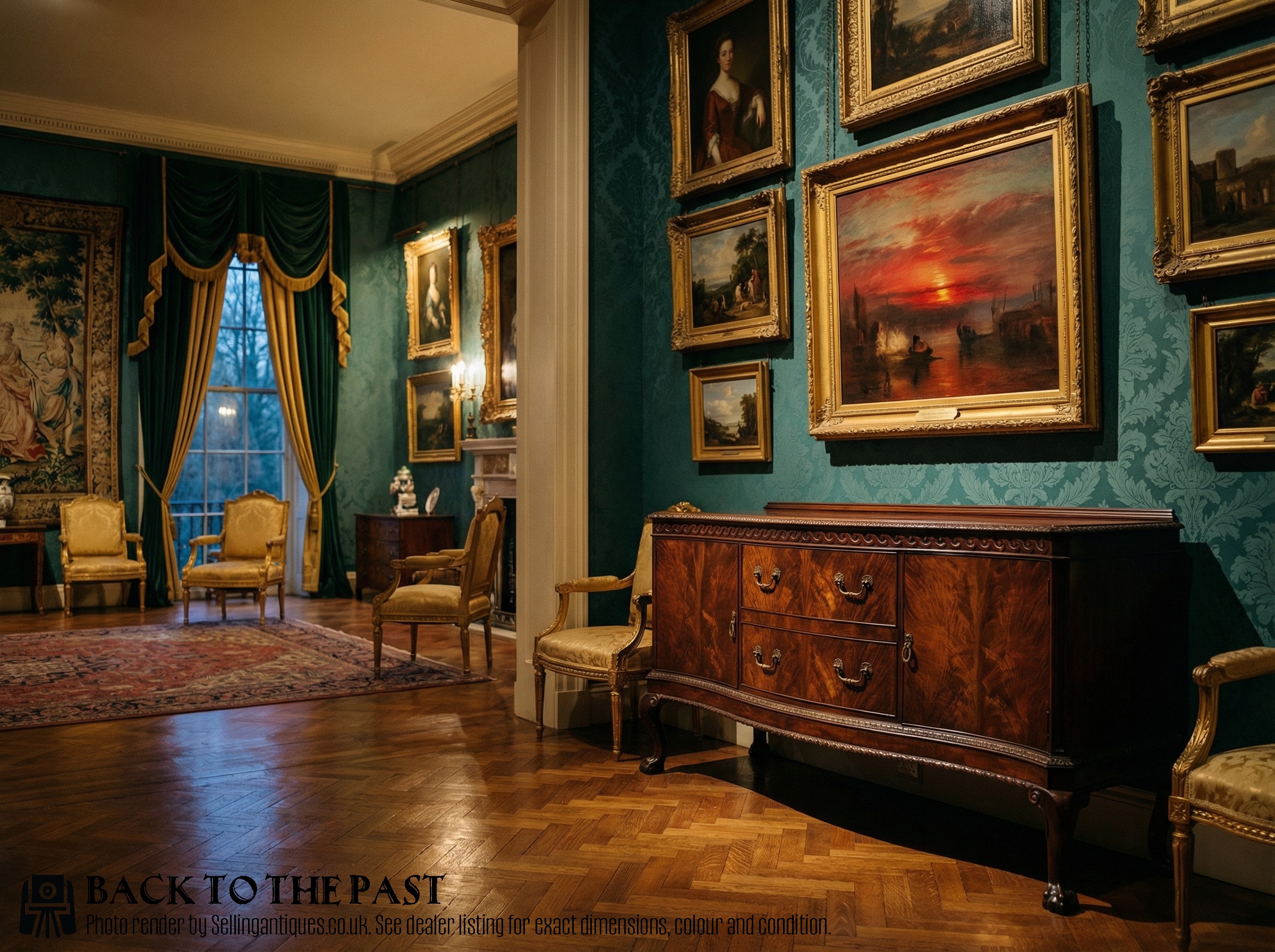
Traditional Wooden Sideboard
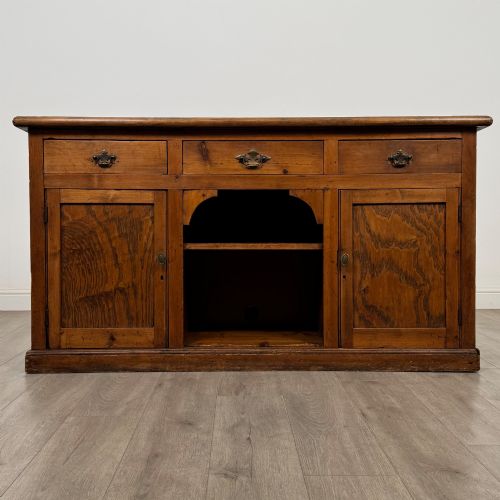
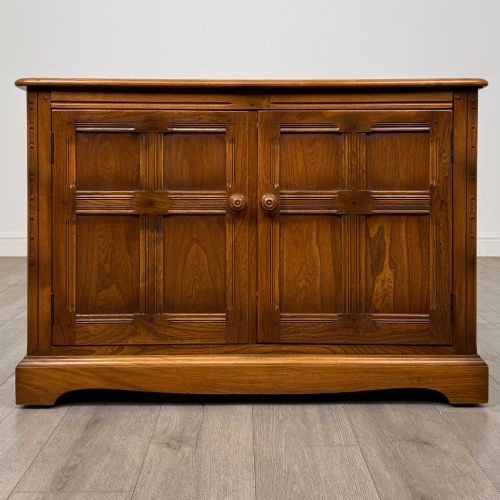
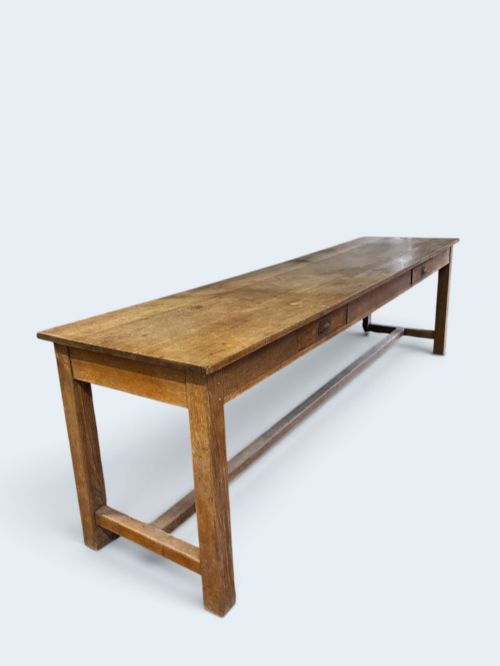
A traditional wooden sideboard serves as a practical storage unit and serving surface, typically found in dining rooms and kitchens. These pieces encompass varied forms including dresser bases, serving tables, and low cabinets designed for everyday utility.
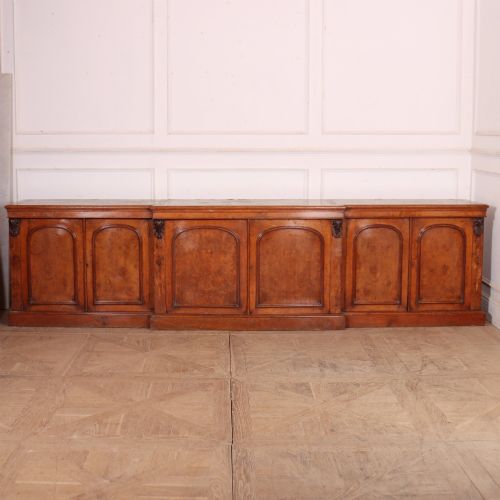
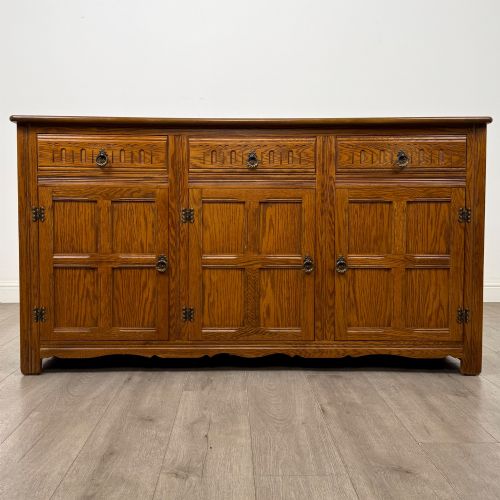
The selections span multiple historical periods, most notably the 18th century, Victorian era, and Edwardian period. Buyers encounter robust oak and mahogany constructions reflecting regional British, European, and wider stylistic influences.
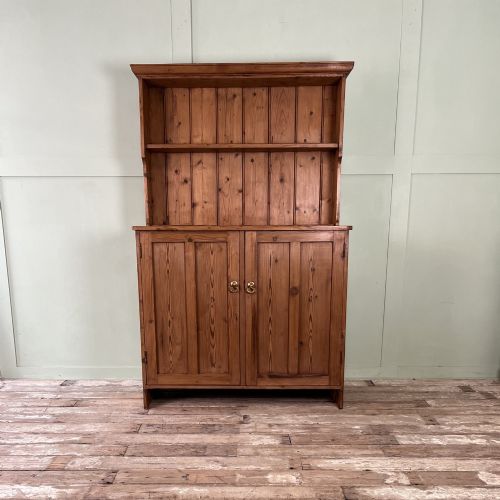
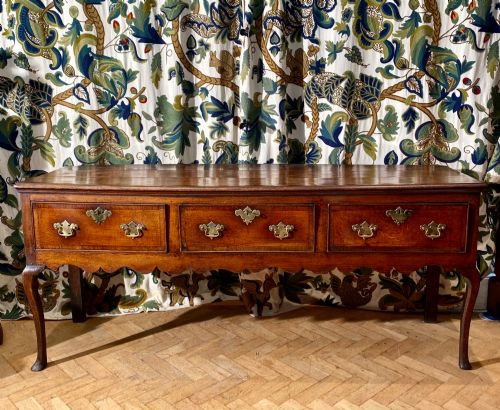
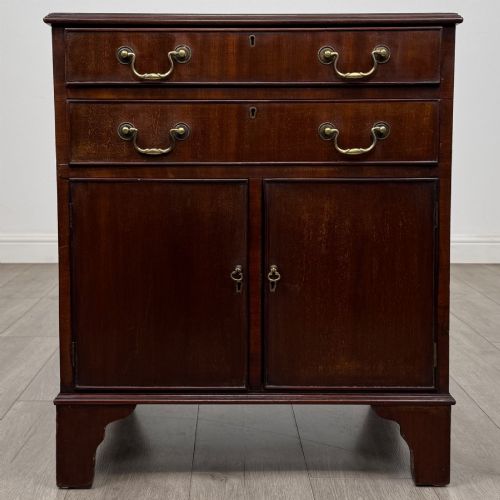
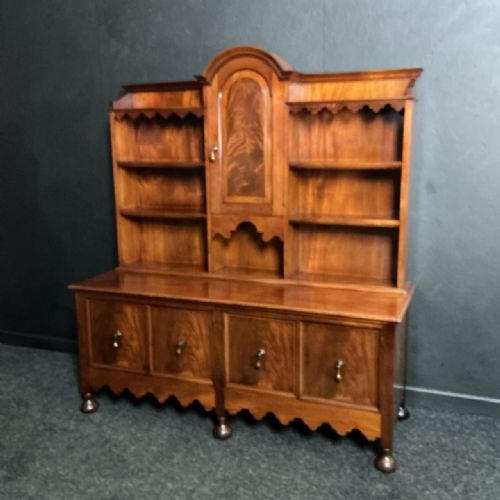
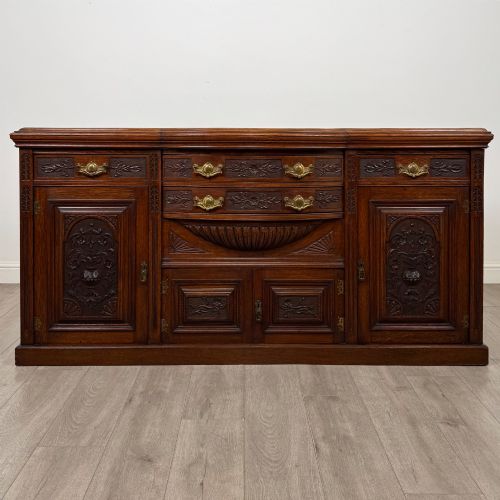
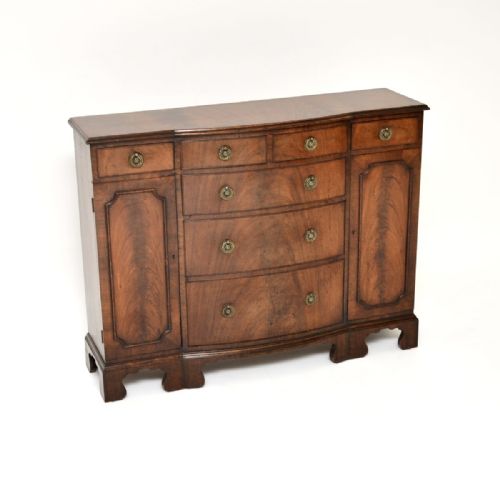
Forms range from simple pine kitchen bases to serpentine mahogany breakfronts and carved walnut cupboards. This variety allows collectors to find items suited to both rustic country interiors and formal rooms.
What varies in quality
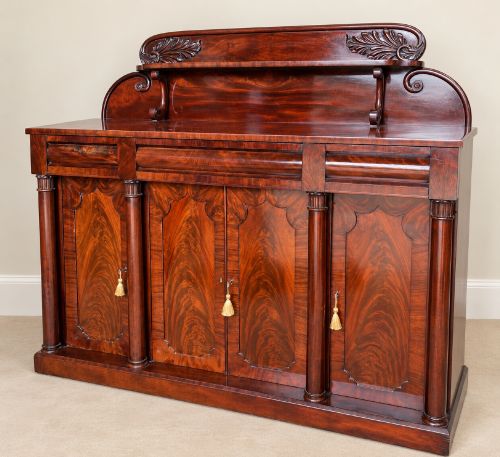
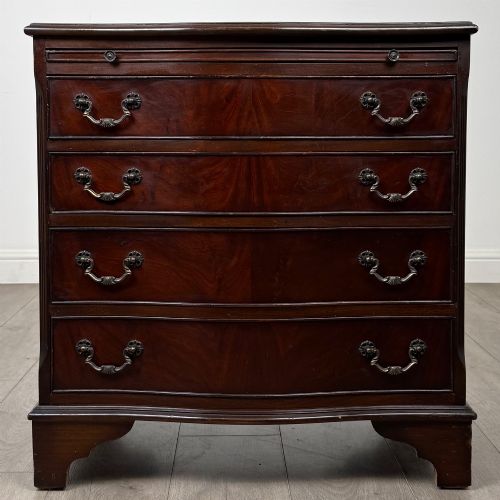
Quality differences emerge in the selection of timber grades, from dense golden oak and flame mahogany to standard pine. Superior examples display carefully matched wood grains and sophisticated construction details like serpentine or breakfront shapes.
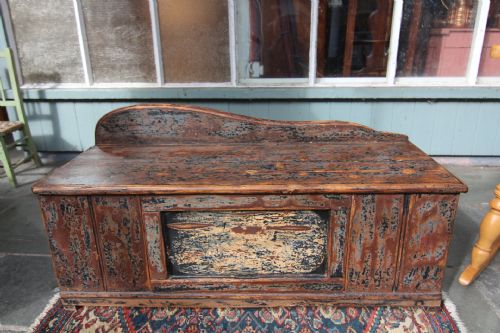
The refinement of hand-carved ornamentation and the presence of original brass or iron hardware distinguish finer cabinetmaking from simpler utility pieces. Retained original surfaces, such as early paint or patinated wax, elevate the historical standing of a sideboard.
Listings feature items spanning the 18th century, Victorian, Edwardian, and 1930s periods, constructed from oak, mahogany, pine, and brass.
The Traditional Wooden Sideboard Glossary
- Breakfront
- A cabinet design where the central section projects forward from the flanking outer sections. This architectural arrangement creates depth and visual interest in larger dining room pieces.
- Serpentine
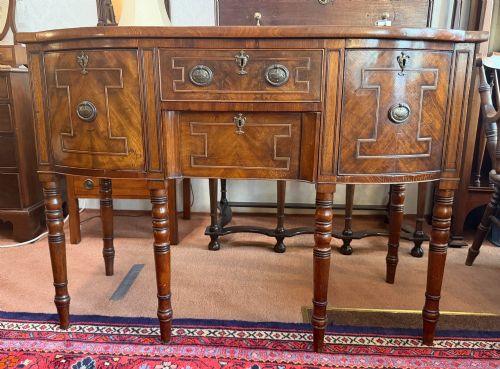
- A curved shape featuring a convex centre flanked by concave ends, creating a flowing wave effect. This contour demands advanced woodworking skill and appears on finer mahogany items.
- Dresser base
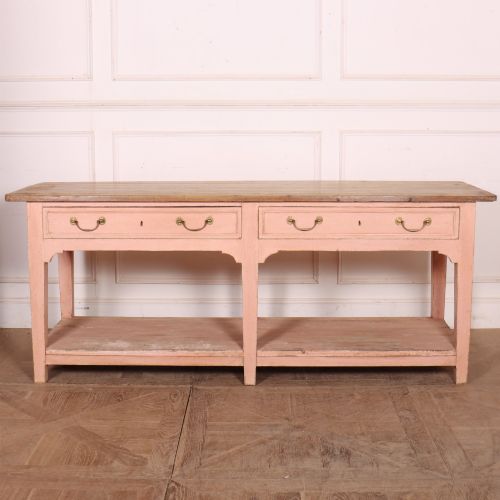
- The lower portion of a kitchen or dining dresser, comprising cupboards and drawers without the upper plate rack. These sturdy items function effectively as independent serving tables.
- Potboard
- An open slatted lower shelf incorporated into traditional dressers or potboard bases for storing heavy kitchen pottery. It provides open display space beneath the main working surface.
- Linenfold
- A carved wood panel motif resembling folded fabric or linen cloth. This decorative technique is frequently found on oak cupboard doors from revivalist and earlier periods.
Traditional Wooden Sideboard: Frequently Asked Questions
What is a traditional wooden sideboard used for?
These pieces function primarily for storing dining utensils, crockery, and table linens while providing a convenient top surface for serving food. They originated as utility furniture in kitchens and dining rooms.
Today, they adapt easily to living spaces and hallways as storage cabinets or display surfaces for lamps and decorative objects.
How do I tell an Edwardian sideboard from a Victorian one?
Victorian sideboards often feature heavier proportions, dark oak timbers, and deep, robust carvings reflecting mid-19th-century taste. They frequently incorporate mirrors or heavy raised backs.
Edwardian examples tend to display lighter golden oak or mahogany tones, simpler lines, and occasional inlay work, aligning with the turn-of-the-century aesthetic.
Are pine sideboards considered antique?
Pine sideboards and kitchen dresser bases dating from the 19th century or earlier are classified as antique. They were traditionally used as utilitarian farmhouse furniture rather than formal dining room pieces.
Their appeal lies in patinated waxed surfaces and honest construction rather than high-style cabinetmaking.
What wood types are most common?
Oak and mahogany appear most frequently across these listings, representing robust regional furniture and formal cabinetmaking respectively. Pine is also common, particularly in kitchen dressers and country pieces.
Less frequently, makers utilised walnut, teak, and painted woods for specific regional or imported cabinet forms.