
Traditional Wooden Refectory Table
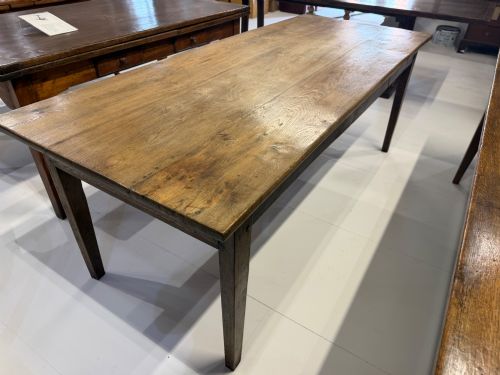
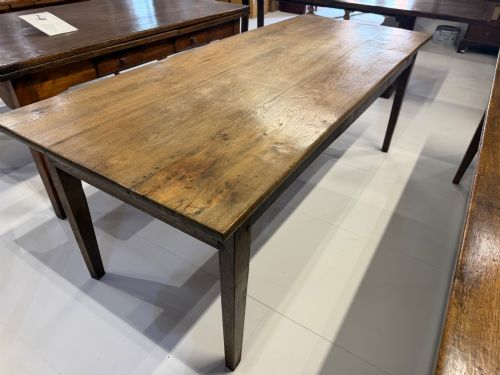
A traditional wooden refectory table anchors a room with sturdy boards and enduring presence, offering generous surface space for daily gatherings.
Traditional Wooden Refectory Table
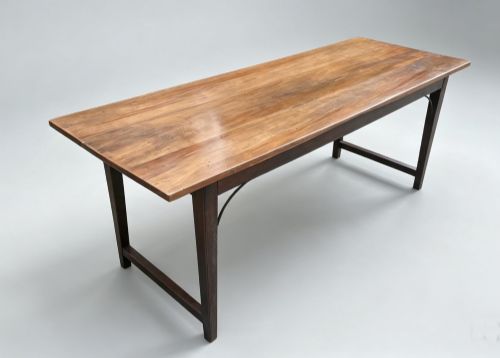
A traditional wooden refectory table represents a long, substantial form originally built for communal dining in large halls. When you search for a traditional wooden refectory table, you encounter forms stretching from the seventeenth century through to the Edwardian period and the early twentieth century.
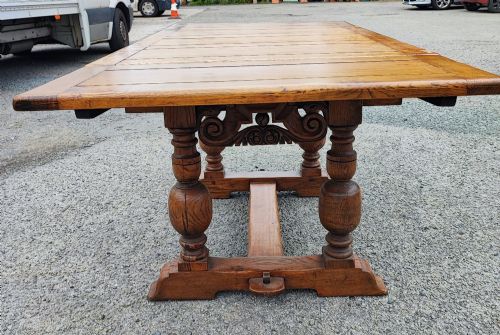
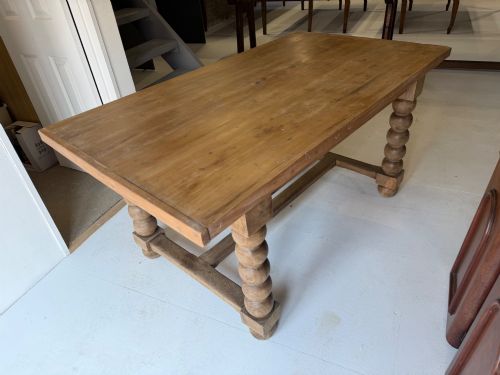
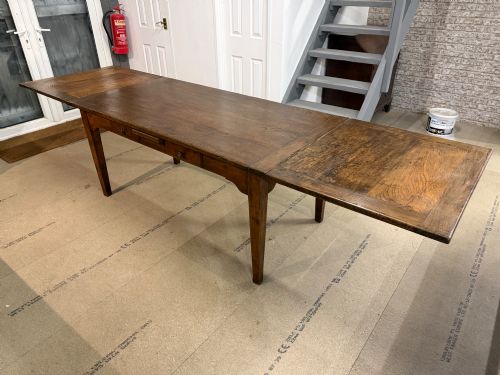
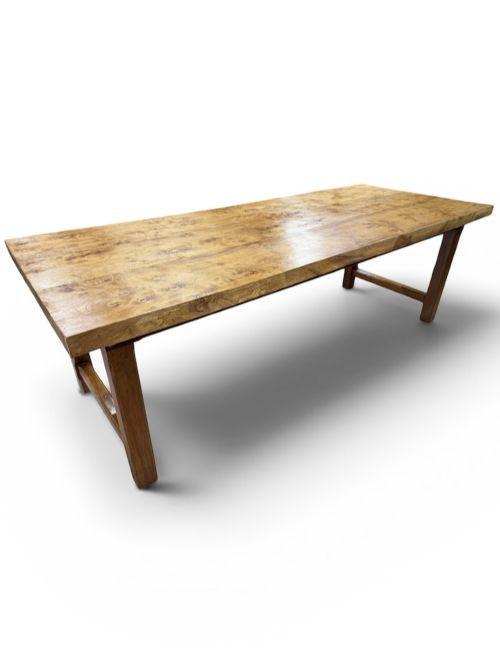
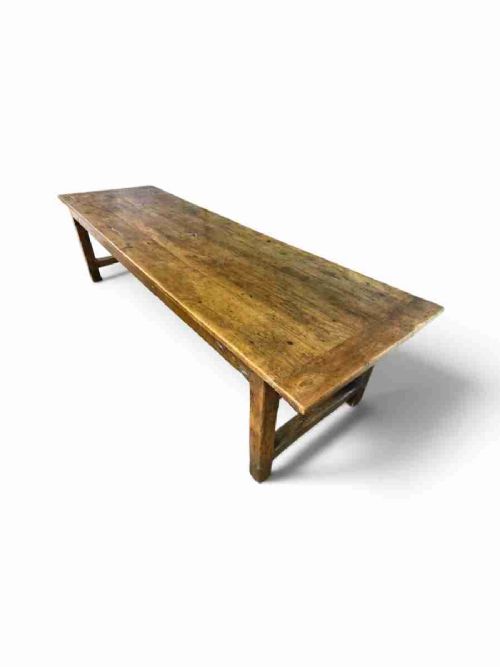
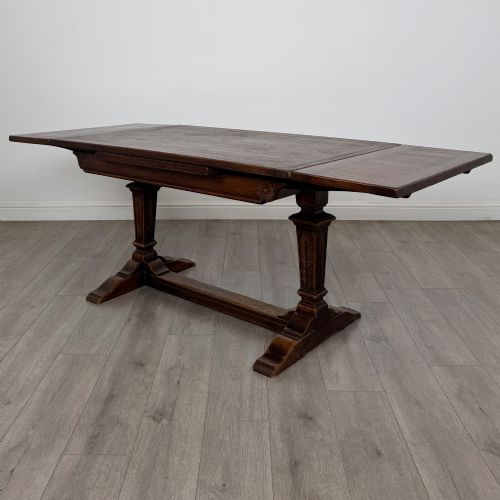
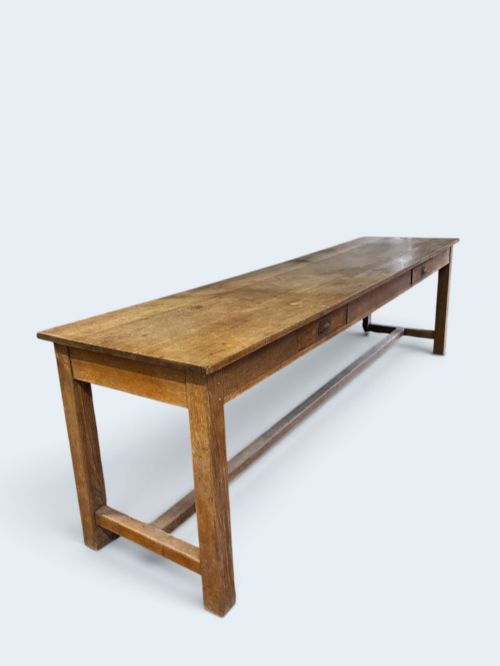
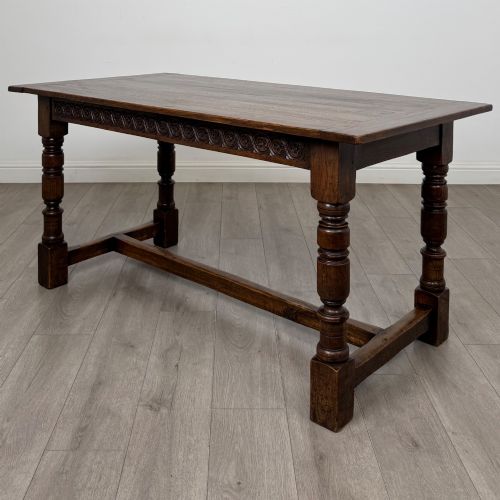
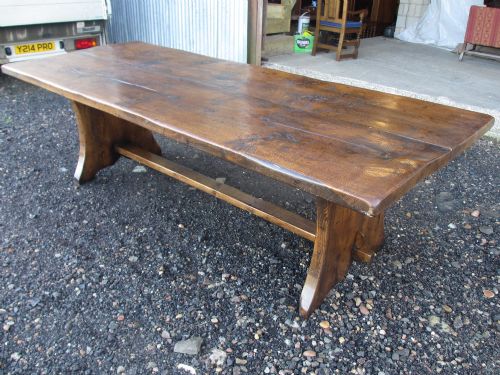
The selections on this page lean heavily towards solid oak and pine timbers, often constructed in farmhouse, Jacobean Revival, or Arts and Crafts styles. You will find examples featuring draw leaves, trestle ends, and tapered legs designed to seat large numbers of people.
Many items derive from nineteenth century and Edwardian workshops, reflecting both utilitarian country utility and formal revivalism. The range spans simple deal kitchen boards to heavy golden oak dining centrepieces.
How they were made
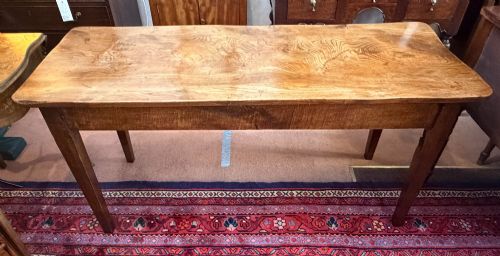
Joiners built these boards primarily from solid oak, pine, and elm, sometimes employing beech or fruitwood for secondary framing and legs. Early examples utilise single plank elm tops secured with traditional pegged joints.
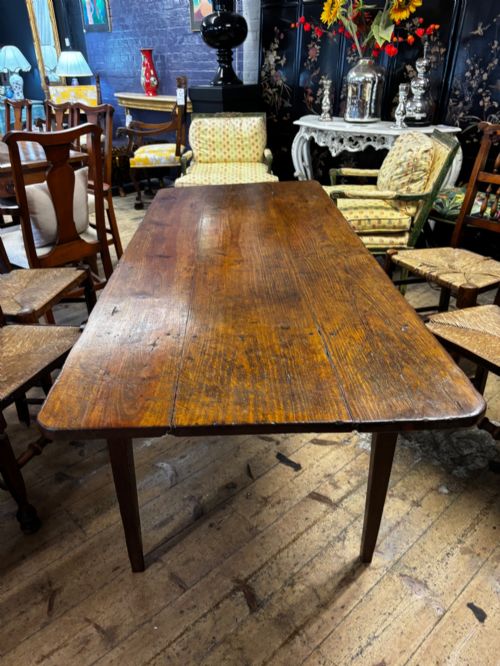
Makers shaped heavy trestle ends, shaped supports, and bobbin legs using hand tools, mounting boards to withstand decades of heavy daily use. Surfaces received wax or natural finishes that highlighted the grain of the wood without heavy modern varnishes.
The listings span eight distinct periods, stretching from the seventeenth century through to the nineteen thirties.
What varies in quality
Quality rests in the selection of timber, such as heavy solid oak planks versus softer pine boards, and the integrity of the original construction. Tables featuring single plank tops and substantial trestle bases command greater respect than later simplified formats.
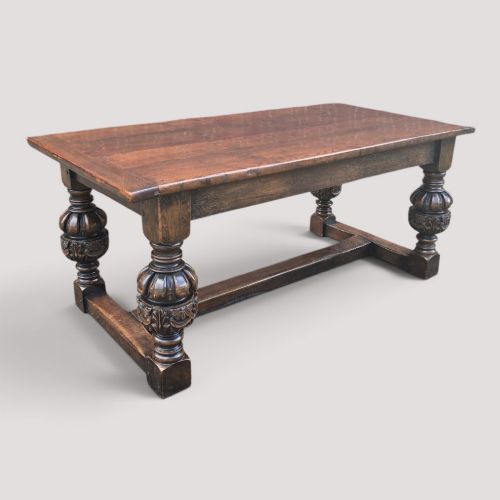
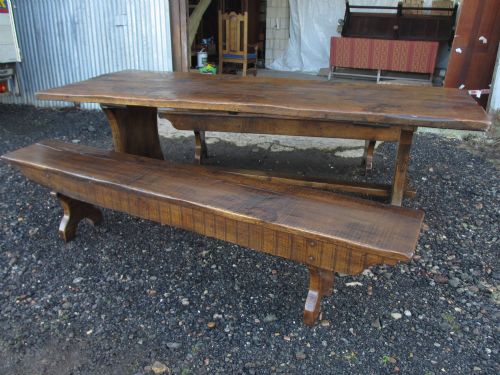
The sophistication of the carving and the presence of original draw leaf mechanisms or matching benches elevate certain pieces above standard utility furniture. Proportion and timber figure distinguish vernacular farmhouse carpenter work from refined revivalist dining furniture.
The Traditional Wooden Refectory Table Glossary
- Refectory table
- A long dining table traditionally used in monasteries and great halls. These pieces are characterised by their elongated proportions and sturdy undercarriages.
- Draw leaf
- An extension mechanism where two hidden leaves slide out from beneath the main top. This allows the table length to increase easily for guests.
- Trestle end
- A support structure consisting of horizontal feet connected to upright beams. This design provides maximum legroom along the length of the board.
- Jacobean Revival
- A nineteenth and early twentieth century style copying seventeenth century British furniture. It uses dark oak, heavy turning, and geometric panel carving.
- Single plank top
- A tabletop fashioned from one wide piece of timber rather than multiple joined boards. This feature appears on early elm and oak examples.
Traditional Wooden Refectory Table: Frequently Asked Questions
How do I seat eight people comfortably?
Look for descriptions mentioning lengths of eight feet or greater, or check for draw leaf extensions. These larger boards provide adequate knee clearance between the legs.
Ensure you measure your dining room space to allow sufficient chair pull-out room around the edges of the table.
What is the difference between oak and pine?
Oak is a hard, heavy timber with a pronounced grain that resists dents and darkens richly over decades. It forms the basis of formal and revival dining tables.
Pine is a softer, lighter wood frequently found in farmhouse and kitchen settings, offering a paler appearance and lighter weight.
Can I use a refectory table daily?
These pieces were built for active family use and withstand daily dining without issue. Their solid wooden construction handles regular cleaning and gathering.
Apply wax periodically to maintain the timber finish and protect the surface from moisture marks.
How do I date an older wooden table?
Examine the timber species, joinery marks underneath, and tool indicators on the boards. Seventeenth and eighteenth century pieces display hand-cut pegs and wide single planks.
Edwardian and later twentieth century examples often show standardised machining and lighter secondary woods like beech.