



Traditional Wooden Mirror
A traditional wooden mirror brings warmth and depth to a room, offering functional reflection framed in enduring timber.
Traditional Wooden Mirror
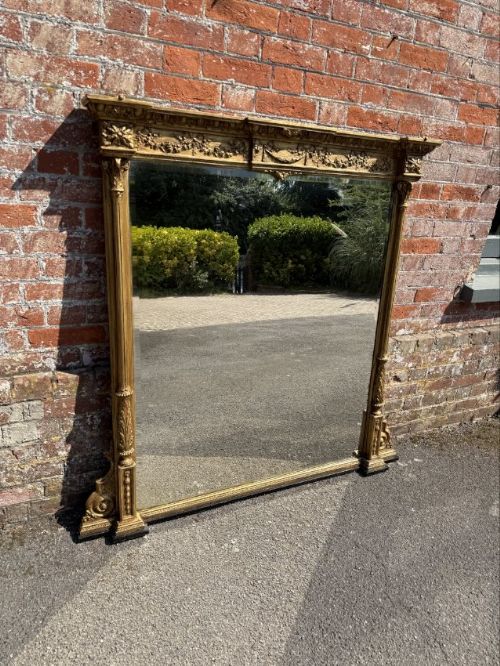
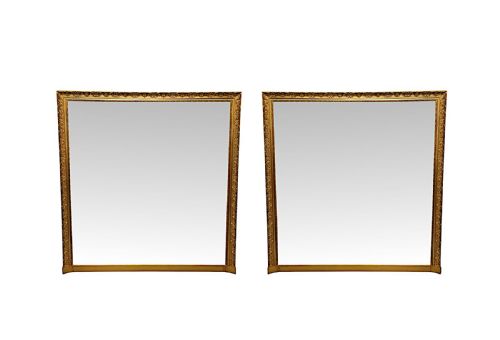
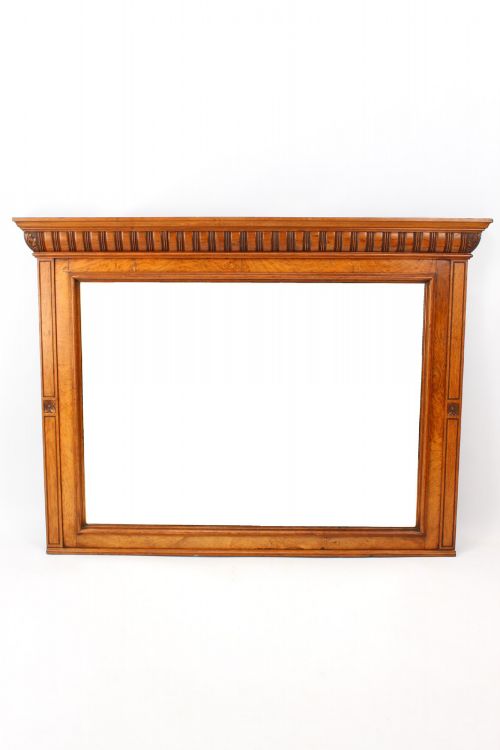
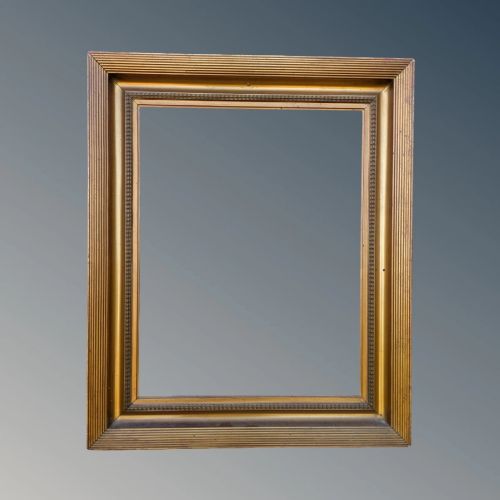
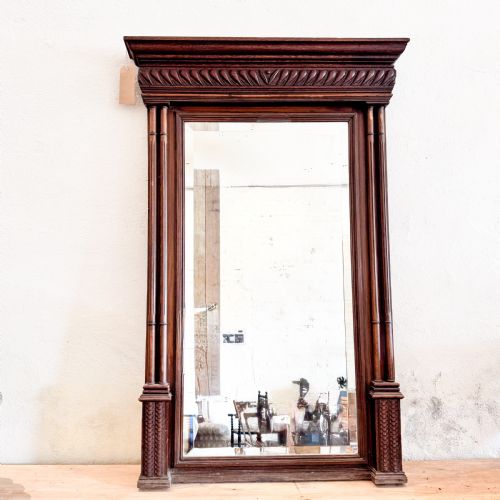
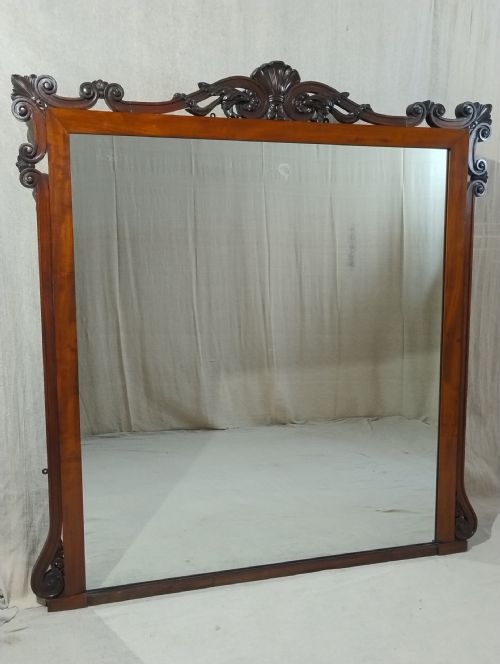
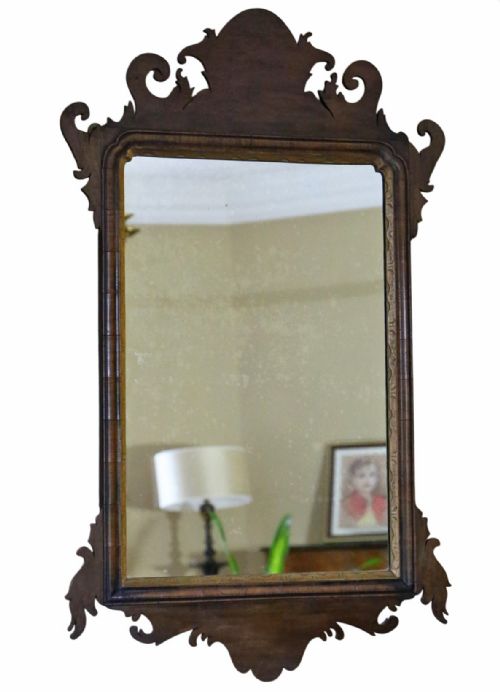
A traditional wooden mirror takes several distinct forms across the selection, most commonly appearing as wall mirrors, dressing table mirrors, and overmantel mirrors. These pieces span centuries of design, drawing from Georgian, Victorian, and Edwardian periods.
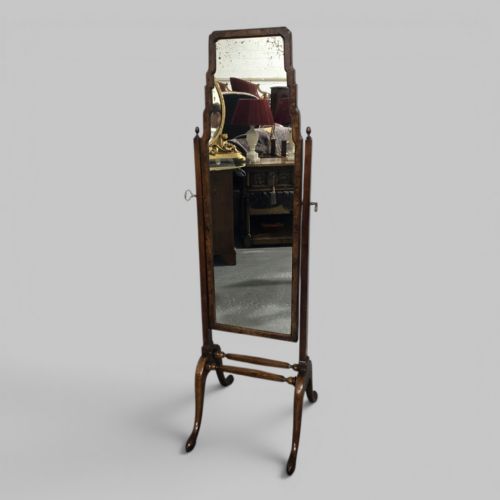
Buyers will frequently encounter wall-mounted formats alongside larger cheval mirrors and overmantel pieces designed to sit above fireplaces. The timber frames often incorporate walnut, mahogany, and oak, reflecting the prevailing furniture styles of their respective eras.
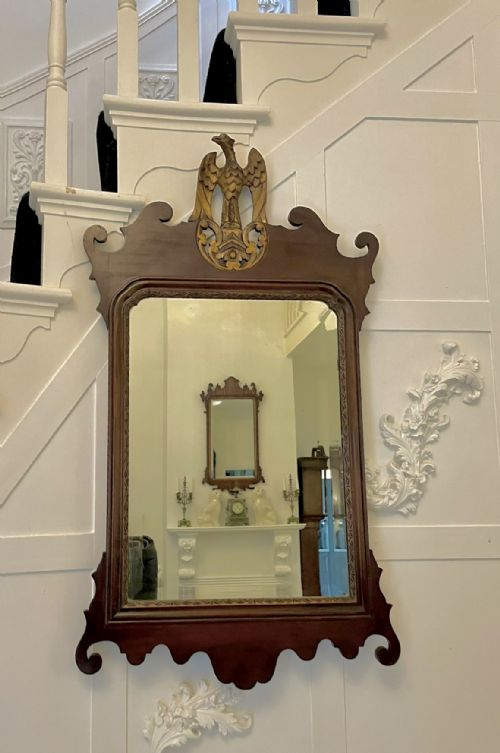
Origin and period dictate the structural character, ranging from the fret-cut silhouettes of the early decades to the heavy carved mouldings of the later nineteenth century. Each piece demonstrates how cabinetmakers applied classical proportions to domestic glass.
Materials and construction methods
Makers constructed these frames using solid timbers such as mahogany, oak, walnut, and rosewood, frequently applying veneer over secondary woods for decorative grain patterns. Gesso and giltwood details were often added to carved wooden mouldings to create contrasting gilded highlights.
Glass plates were traditionally silvered and secured into the timber rebate using wooden backing boards and glazier's points. Joinery techniques varied from simple mitred corners to complex fretwork cut with precision hand tools.
The listings span multiple centuries, uniting Victorian carved oak overmantels, Georgian walnut wall mirrors, and early twentieth-century fret-cut designs under traditional woodworking.
Distinctions in craftsmanship and materials
Quality separates pieces through the depth of the timber carving and the sophistication of the fretwork, where crisp edges indicate skilled hand-tooling rather than mechanical production. Superior examples utilise well-figured veneers and retain their original gilding or polish.
The integrity of the frame construction and the clarity of the original mirror plate further divide standard utility pieces from exceptional works of cabinetmaking.
The Traditional Wooden Mirror Glossary
- Overmantel mirror
- A large mirror specifically designed to hang on the wall directly above a fireplace mantelpiece. These pieces often feature wide frames proportioned to command the chimney breast.
- Cheval mirror
- A freestanding full-length mirror suspended in a frame on pivots, allowing the glass to tilt. This form emerged to assist with dressing and full-length attire.
- Fret cut
- A decorative pattern pierced or cut through thin timber using a fine saw. This technique defines the ornate silhouetted borders seen on many eighteenth-century and revival wall mirrors.
- Gesso
- A plaster-based mixture applied to wood surfaces as a smooth base for gilding or painting. Artisans carved intricate relief designs directly into this layered preparation.
- Dressing table mirror
- A smaller mirror mounted on a miniature frame or chest base with drawers, historically placed on top of a bureau or dressing table.
Traditional Wooden Mirror: Frequently Asked Questions
How do I hang a heavy wooden mirror?
Heavy wooden mirrors require secure fixings into structural wall studs or solid masonry using appropriate weight-rated brackets. The hanging wire or D-rings on the reverse must match the substantial mass of the timber frame.
Professional installation is recommended for large overmantel mirrors to ensure the weight distributes safely without straining the frame joints.
Are these mirror plates original?
Many older mirrors retain their original glass, which often exhibits subtle distortions, light foxing, or minor silvering losses accumulated over decades. These natural signs of age confirm the historic character of the piece.
Replacement glass is sometimes fitted during the lifespan of a mirror when the original plate has deteriorated beyond functional reflection.
How do I care for antique wood and gilt?
Dust the timber frame regularly with a dry, soft cloth and avoid chemical polishes that can degrade aged wax or oil finishes. Giltwood surfaces require particular care, as moisture and vigorous rubbing will damage the delicate gold leaf.
Keep wooden mirrors away from direct sunlight and damp environments to prevent the timber from warping and the mitred joints from separating.
What defines a Georgian Revival mirror?
A Georgian Revival mirror is a later piece, typically made around the early twentieth century, that copies the distinct fret-cut or parcel-gilt styles of the eighteenth century. These pieces combine older aesthetic conventions with the construction methods of their actual manufacturing date.
Discerning these from true period pieces involves examining the timber shrinkage, backing boards, and tool marks on the reverse of the frame.