
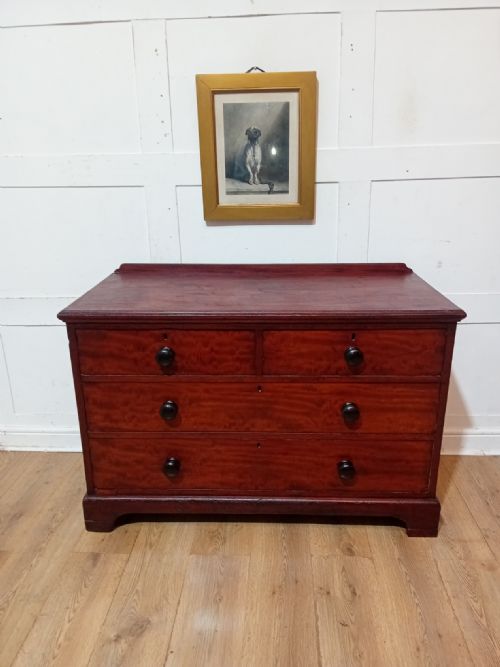


Traditional Wooden Lowboy
A traditional wooden lowboy offers compact surface space and accessible drawers, bringing understated utility and period craftsmanship to any room.
Traditional Wooden Lowboy
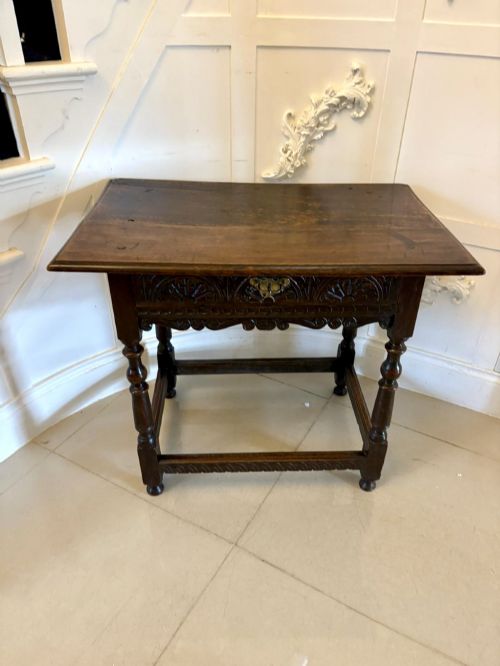
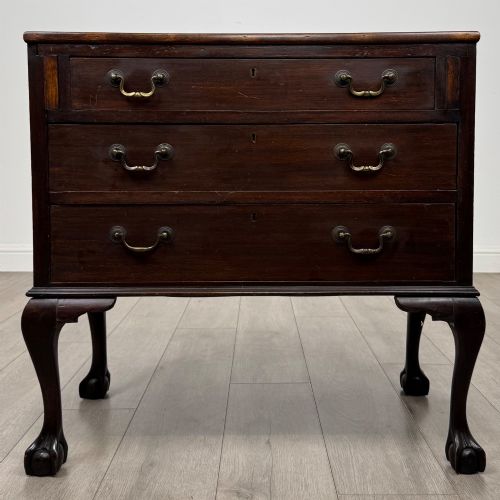
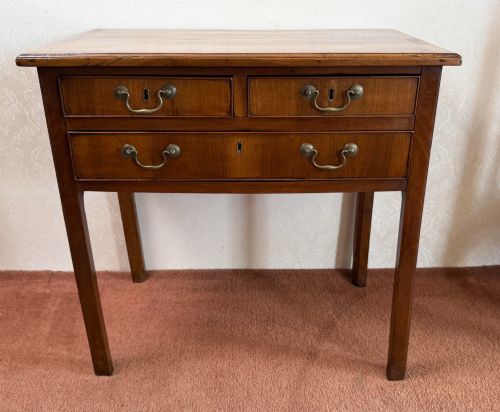
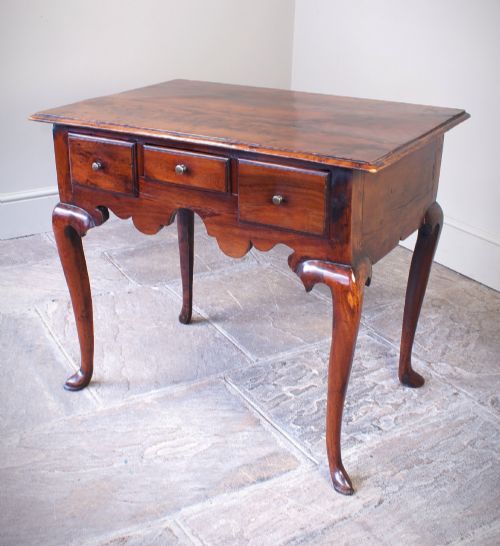
When you search for a traditional wooden lowboy, you examine low tables equipped with one to three drawers, historically used for grooming, writing, or serving. The examples on this page span the eighteenth and nineteenth centuries, alongside Edwardian and revival interpretations.
Most pieces you encounter here appear in mahogany, oak, or walnut, whilst rarer variants utilise yew wood, fruitwood, or pine. Their forms often overlap with side tables, dressing tables, and correspondence tables from Georgian and later periods.
How they were made
Cabinetmakers constructed these tables using dense hardwoods such as mahogany, oak, and walnut, frequently pairing them with secondary woods like pine in drawer linings. Surfaces are often finished with polished timber grains or occasional painted treatments.
Hardware details typically include brass handles and escutcheons fitted to dovetailed drawers. Joinery methods reflect the period of origin, ranging from eighteenth-century cabinet work to later nineteenth-century and Edwardian production.
Current listings feature pieces spanning the eighteenth century to the Edwardian era, constructed in mahogany, oak, walnut, yew wood, fruitwood, and pine.
What varies in quality
The distinction between standard and superior pieces rests on timber selection and timber figure, particularly in walnut and mahogany surfaces. Hand-cut dovetailing and original brass furniture elevate a piece above later replacements or heavy restorations.
Proportion and structural harmony also separate ordinary utility items from finer examples designed for principal reception rooms. Retained patination on eighteenth-century surfaces indicates careful preservation over centuries.
The Traditional Wooden Lowboy Glossary
- Lowboy
- A small table with drawers, standing on relatively tall legs, commonly used as a dressing table or side table in the eighteenth century.
- Dovetail
- A joint formed by interlocking wedge-shaped fingers, widely used in drawer construction for structural strength.
- Escutcheon
- A protective plate surrounding a keyhole, frequently made of brass on period furniture.
- Patina
- The surface sheen and mellowing developed by wood over years of handling, exposure, and polishing.
- Dresser base
- The lower section of a kitchen or dining room dresser, sharing similar proportions and drawer configurations with large lowboys.
Traditional Wooden Lowboy: Frequently Asked Questions
What is a traditional wooden lowboy used for?
These pieces function well as lamp tables, small hallway desks, or compact dressing tables in modern interiors. Their modest footprint allows them to fit into tight spaces where larger case pieces cannot.
Historically, they served elite households for personal grooming and letter writing. Today, their drawers provide convenient storage for keys, stationery, or small household items.
How do I date a traditional wooden lowboy?
Dating relies on examining the timber species, construction methods, and hardware styles. Eighteenth-century versions often feature hand-sawn oak linings and pegged joints, whilst later pieces show machine-sawn elements.
Design motifs also offer clues, such as the proportions found in Georgian pieces versus Edwardian revivals. Comparing the patination and wear patterns helps confirm the age of the timber.
What woods were used for lowboys?
Cabinetmakers primarily utilised native and imported hardwoods including oak, mahogany, and walnut. These timbers provided the strength and stability required for slender legs and working drawers.
Less common examples feature yew wood, fruitwood, or pine, sometimes with painted finishes. Secondary woods like pine appear inside drawer boxes on many eighteenth-century and nineteenth-century pieces.
Are lowboys and side tables the same?
The terms frequently overlap because lowboys are essentially side tables equipped with drawers. Many historical examples served multiple functions depending on the room they inhabited.
A side table might lack drawers entirely, whereas a lowboy specifically incorporates one, two, or three drawers beneath the main surface. This shared form explains why listings often group them together.