

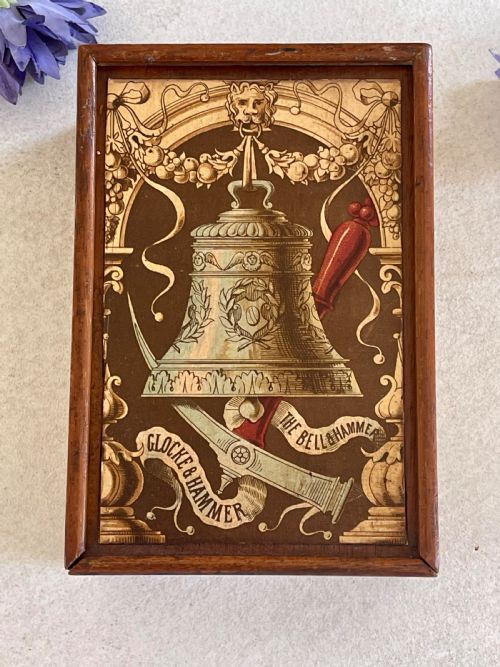


Traditional Wooden Game
A traditional wooden game brings tactile history into the room, offering centuries of leisure through carved boards, turned pieces, and polished boxes.
Traditional Wooden Game
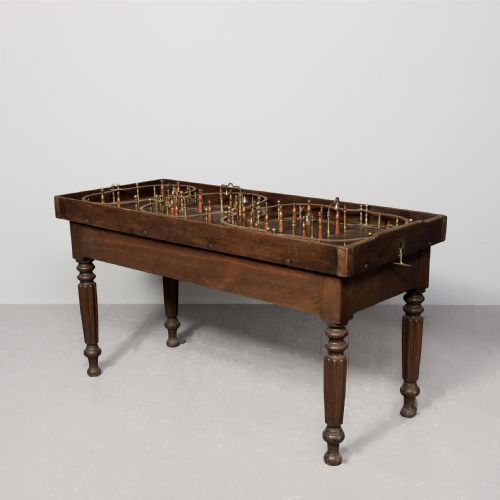
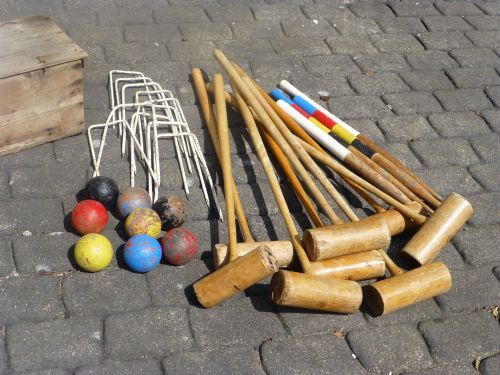
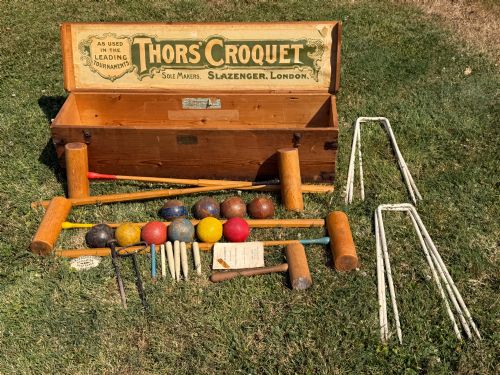
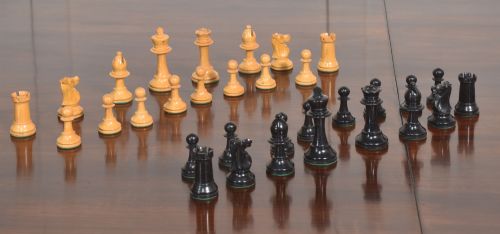
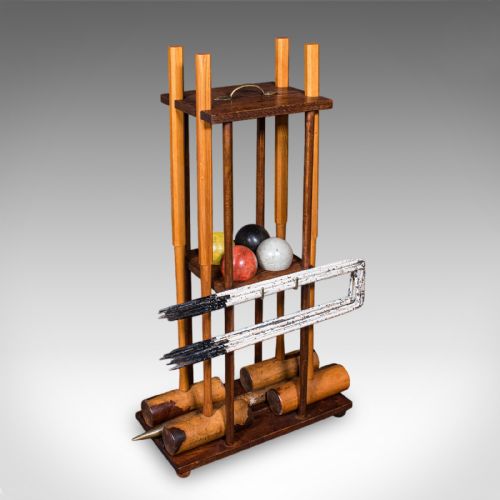
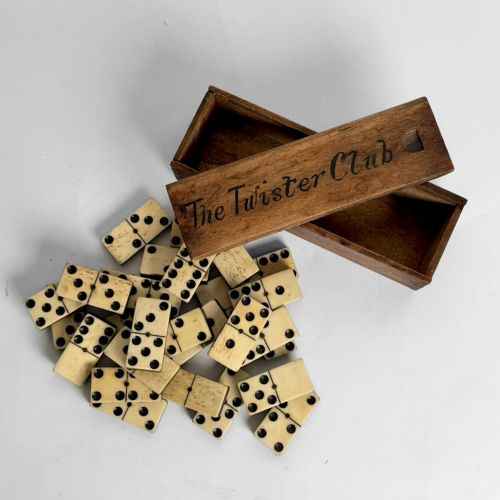
A traditional wooden game encompasses everything from lawn sets and board pastimes to dexterity puzzles originating in the nineteenth and early twentieth centuries. These objects range from George IV skittles and Edwardian lawn croquet sets to Victorian dominoes, solitaire boards, and intricate chess sets.
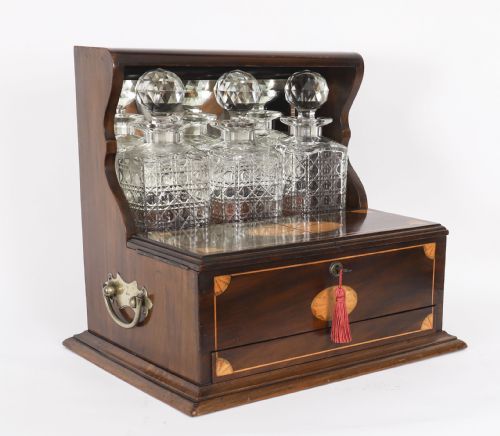
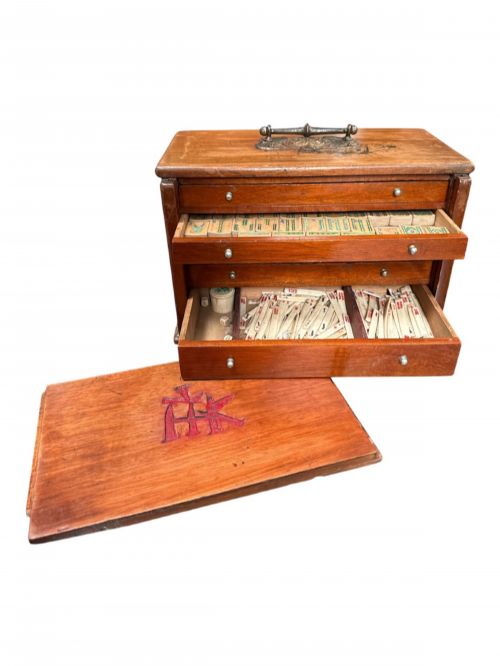
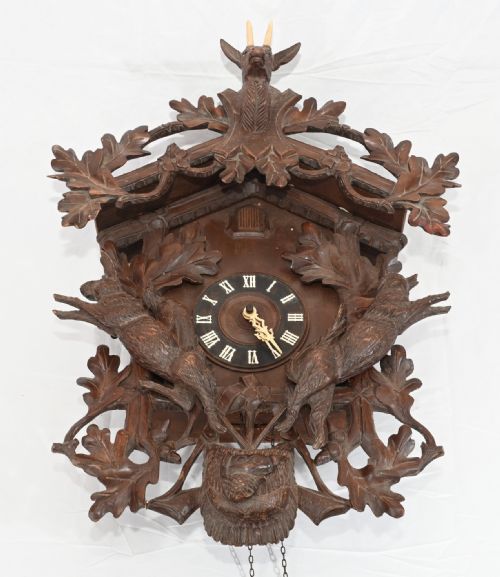
Buyers encounter numerous variations housed in their original pine or mahogany boxes, often complete with period components such as bone markers, ceramic jacks, and hand-turned wooden pieces. Originating across Victorian England, Scotland, and continental workshops like Black Forest carvers, these items served as central fixtures of family entertainment.
The selection includes specialised scoreboards for billiards and snooker, alongside travel-sized folding chess and backgammon boards designed for portability. Each piece demonstrates the durability of traditional materials utilised in domestic and outdoor recreation over past generations.
How they were made
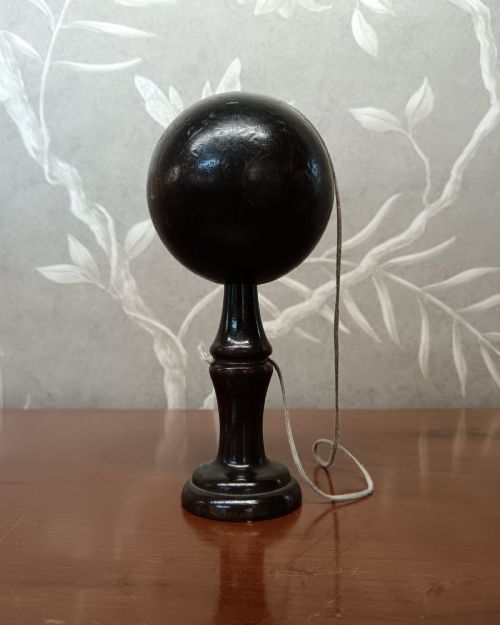
Maker's workshops relied heavily on dense hardwoods including boxwood, ebony, mahogany, laburnum, and walnut to withstand rigorous handling during play. Turning on a lathe shaped uniform chess pieces, skittles, and bilboquet ball and cup toys, while hand-carving defined decorative elements such as Black Forest animal motifs.
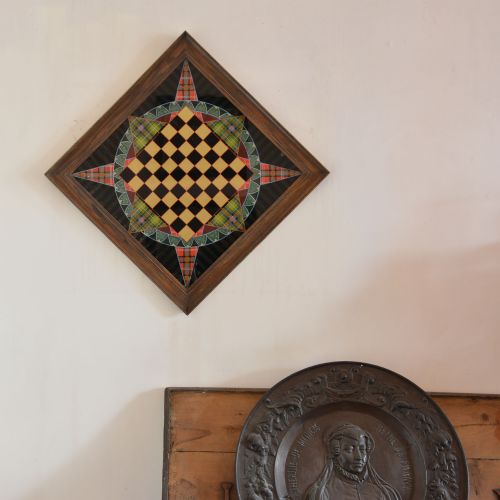
Inlay techniques combined contrasting timbers on folding games boards, creating precise squares for chess and backgammon alongside geometric cribbage tracks. Original fitted boxes utilised sturdy pine secured with brass hinges and hooks, protecting delicate components like glass painted panels and bone score counters.
Listings feature items from the Georgian, Victorian, and Edwardian periods, utilising boxwood, mahogany, brass, and bone.
What varies in quality
The standard of carving and turning dictates the desirability of a traditional wooden game, separating mass-produced utilitarian sets from workshop-produced examples with finely weighted Staunton pieces. Precision in the balance of chess sets and the crispness of hand-cut details on scoreboards reveal the maker's proficiency.
Survival of original housing also influences standing, as complete outfits retaining their fitted pine boxes, correct counts of marbles or counters, and intact manufacturer labels command greater appreciation. The choice of timber grain, from figured mahogany to ebonised boxwood, further distinguishes standard versions from superior specimens.
Jacques·Slazenger·A.W.Gamage·Orme & Sons Manchester·British Chess Company
The Traditional Wooden Game Glossary
- Staunton
- The standard design for chess pieces created in the mid nineteenth century, distinguished by heavily weighted bases and distinct, recognizable shapes for kings, queens, and pawns.
- Bilboquet
- A traditional cup and ball dexterity toy where players attempt to catch the suspended wooden ball on a spike or within a hollow cup.
- Treen
- Small handmade wooden objects for domestic use, encompassing items like bird calls, small boxes, and turned game pieces.
- Cribbage
- A card game traditionally scored by moving pegs along a numbered track set into a carved wooden board, often fitted with a storage compartment.
- Squails
- A nineteenth-century table game where players flick wooden discs across a circular board toward a central target.
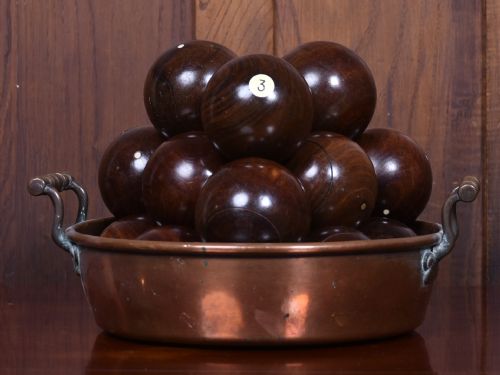
- Carpet bowls
- An indoor adaptation of traditional lawn bowls, utilising smaller wooden or laburnum woods designed for play on household floor coverings.
Traditional Wooden Game: Frequently Asked Questions
How do I date a traditional wooden game?
Dating relies on stylistic markers, construction methods, and materials associated with specific periods like the Victorian or Edwardian eras. Original packaging, manufacturer stamps, and the patina of the wood offer further chronological clues.
Examinations of brass hardware, dovetail joints on boxes, and typography on instruction sheets help narrow the manufacturing window to a specific decade.
Are these games still suitable for playing today?
Many surviving sets remain entirely functional and robust enough for regular use, provided they are handled with reasonable care. Solid hardwoods and quality turning have ensured their physical survival over a century or more of domestic leisure.
Collectors often balance the enjoyment of playing with the preservation of delicate original components, choosing gentle use for sturdier items like croquet or draughts.
What maintenance do antique wooden games require?
Preservation involves keeping wooden components away from direct sunlight, extreme temperature fluctuations, and excessive humidity to prevent warping or splitting. Occasional light dusting and careful handling protect fragile surfaces and hand-carved details.
Original boxes and fitted interiors benefit from being stored flat in stable indoor environments, avoiding chemical polishes that might damage aged finishes.
Why do some chess sets feature ebonised wood?
Ebonising involved treating lighter timbers such as boxwood with chemical solutions or dark stains to imitate expensive ebony. This technique provided a uniform dark contrast against natural boxwood pieces without the prohibitive cost of importing tropical hardwoods.
Makers utilised this method extensively for standard tournament sets, achieving a clear visual distinction between opposing sides on the board.