

Traditional Wooden Fireplace
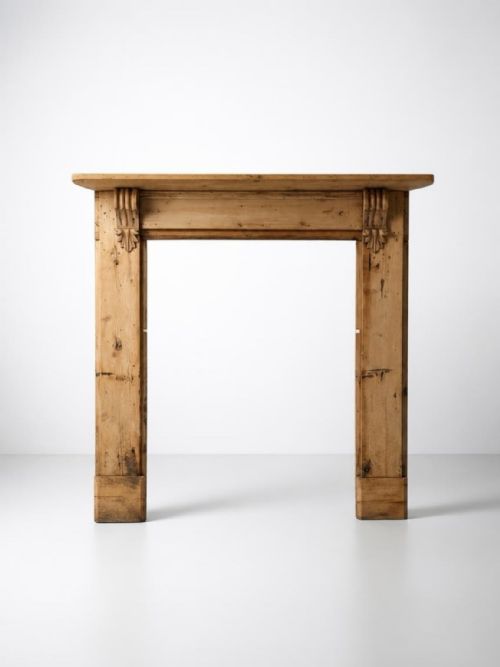
A traditional wooden fireplace centres a room with warmth, bringing together architectural timber surrounds, cast-iron grates and hearth accessories from the Georgian, Victorian and Edwardian periods.
Traditional Wooden Fireplace
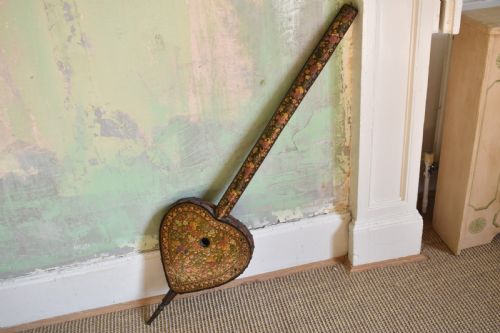
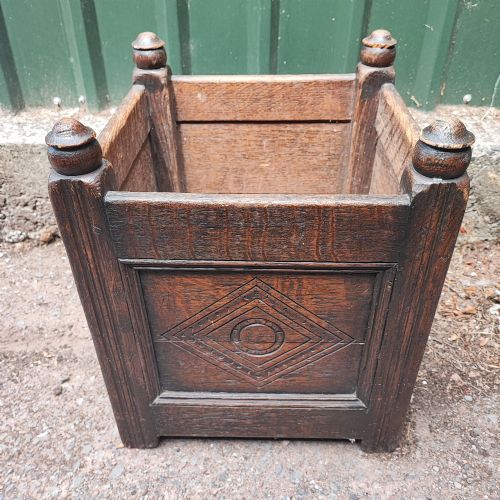
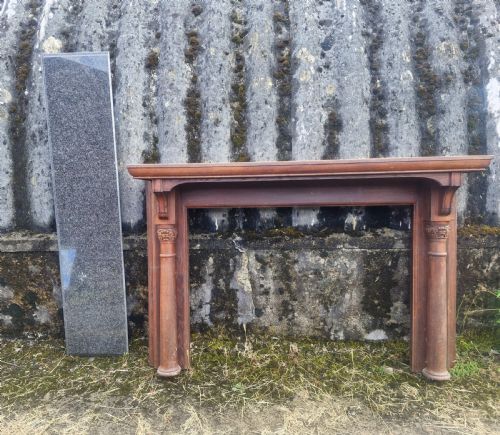
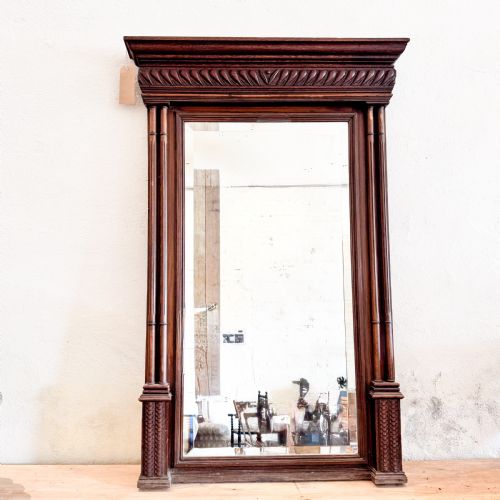
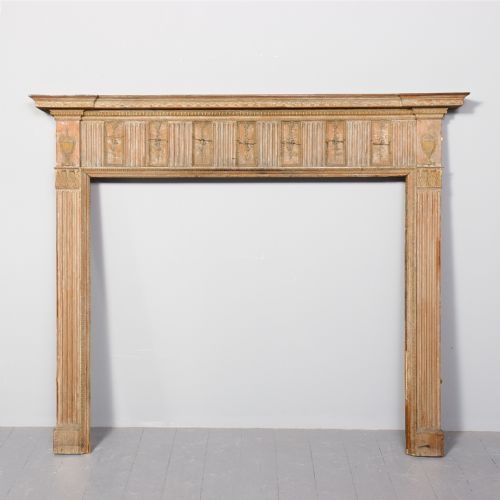
A traditional wooden fireplace search encompasses structural fire surrounds made from oak, pine, mahogany and walnut, alongside functional fireside furniture such as log boxes, coal bunkers and bellows. The structural timber surrounds frame the hearth opening, frequently appearing in robust oak or carved pine dating from the eighteenth and nineteenth centuries.
Victorian and Edwardian examples dominate the selection, utilising seasoned timbers like pitch pine and walnut alongside Edwardian variations featuring integrated granite tops or marquetry inlay. Each piece serves either to construct the hearth architectural frame or to organise fuel and tend the fire.
Materials and construction methods
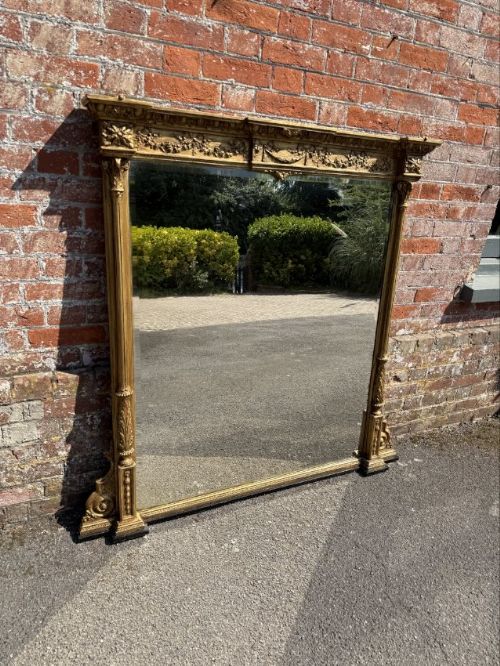
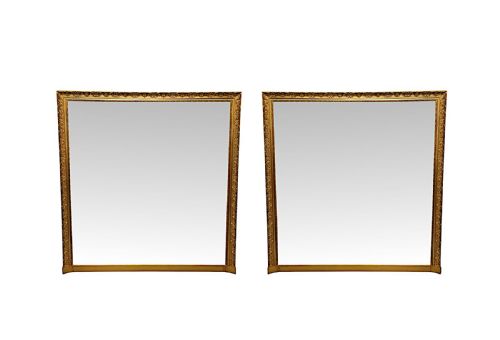
Makers utilised solid hardwoods and softwoods including oak, walnut, mahogany and pine, often combining carved gesso and gilt details on architectural surrounds and overmantel frames. Joinery methods relied on traditional pegged mortise and tenon joints for heavy furniture like log bunkers and settles, ensuring structural endurance under daily domestic use.
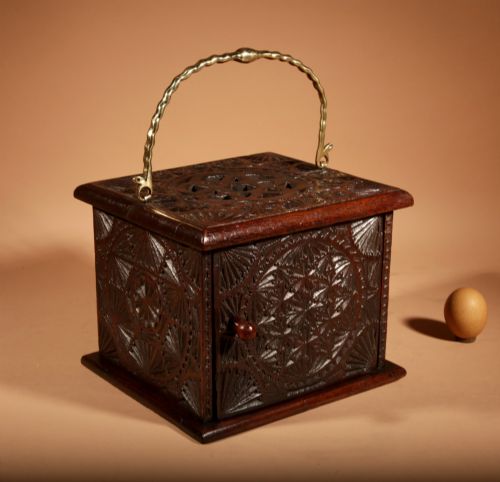
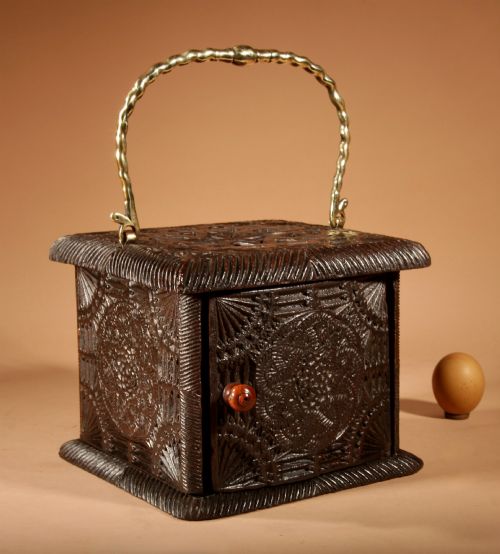
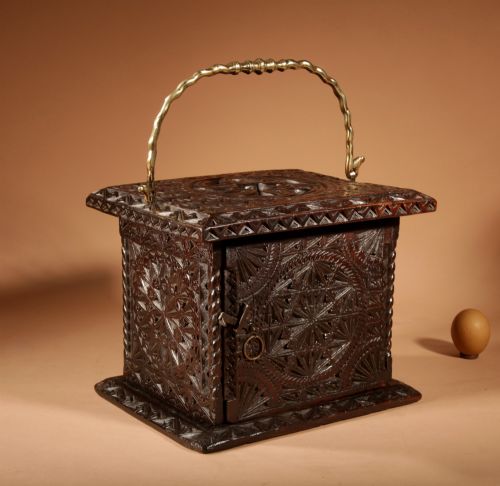
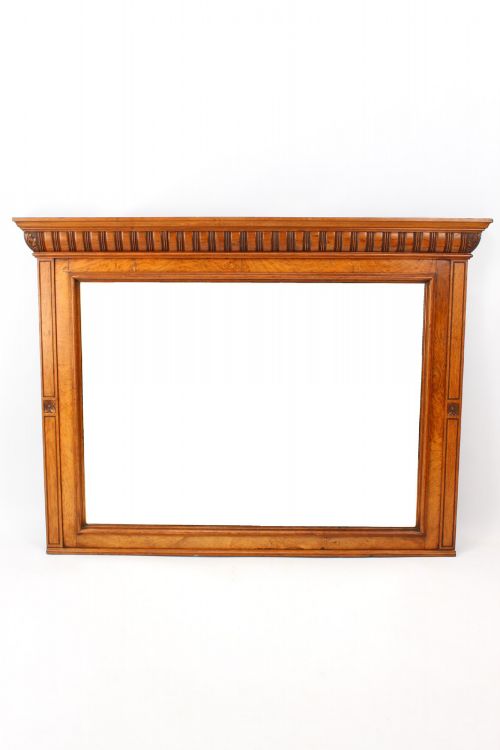
Surface ornamentation involved hand-carved chip carving, particularly on Frisian foot stoves, alongside intricate turnings, brass detailing and marquetry inlay found on Edwardian mirror frames. Timber surfaces were finished with wax or polish to protect the grain while accentuating the natural figure of oak and walnut.
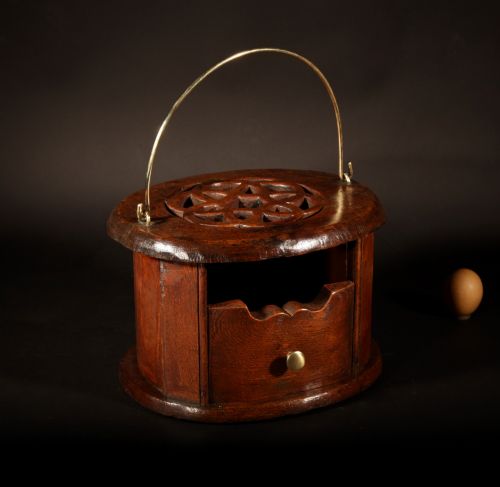
Foot stoves kept feet warm in chilly parlours using hot embers tucked inside carved wooden boxes.
Assessing quality in timber hearth pieces
Quality rests in the crispness of the hand-carving and the structural integrity of the timber joints, distinguishing workshop-produced architectural elements from mass-produced later iterations. Surrounds and mirrors featuring deep relief carving, such as gesso gilt columns or detailed chip carving, demonstrate superior artisan skill.
The selection of timber grain and the condition of original surfaces determine the merit of a piece, with well-figured oak, walnut and mahogany holding greater visual coherence. Integration of secondary materials, such as solid brass fittings or intact granite mantel inserts, further elevates the standard of construction.
The Traditional Wooden Fireplace Glossary
- Overmantel mirror
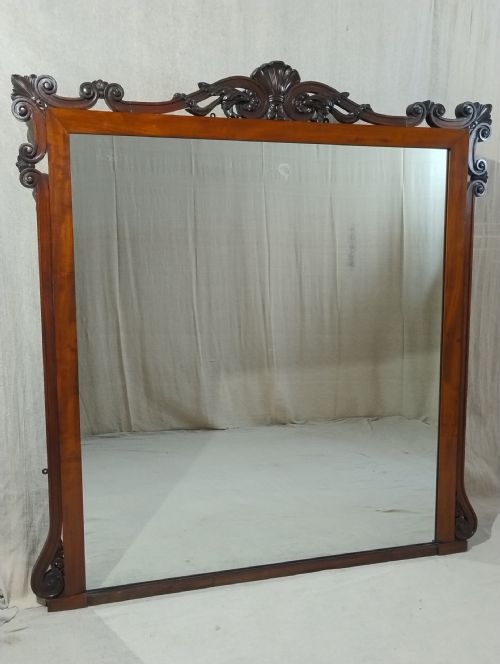
- A large mirror designed to hang specifically on the wall directly above a mantelpiece. These frames often match the timber or architectural style of the fireplace below.
- Foot stove
- A small wooden box, sometimes pierced or carved, containing a metal pan for hot embers to warm the feet. Dutch and Frisian examples often feature intricate chip-carved geometric patterns.
- Purdonium
- A specialised Edwardian coal box designed with a sloping front and an internal metal liner. They typically include a matching shovel stored in a side compartment.
- Club fender
- A low, padded seat built around a hearth with a metal frame and upholstered top. They provide comfortable fireside seating while protecting occupants from excessive heat.
- Gesso
- A plaster-like mixture applied to wood surfaces and carved or moulded before gilding. It provides a smooth base for gold leaf on decorative mirror frames and mantelpieces.
Traditional Wooden Fireplace: Frequently Asked Questions
How do I date a wooden fire surround?
Dating relies on architectural proportions, moulding profiles and timber choice, shifting from heavy Georgian pine and mahogany to pitch pine and elaborate Victorian oak.
Secondary woods at the rear and construction techniques like hand-cut screws or machine-sawn boards help confirm the manufacturing era.
Are wooden surrounds safe for modern fires?
Traditional timber surrounds require specific safety clearances from the heat source and open flame depending on whether they enclose gas, electric or solid fuel inserts.
Building regulations dictate minimum distances between timber mantels and the actual fire opening to prevent scorching.
How should I clean antique fireplace oak?
Maintenance involves applying a microcrystalline wax to nourish the dry timber and repel soot or dust accumulation from daily fireside use.
Harsh chemical cleaners or modern silicone polishes must be avoided as they strip historic patina and damage the grain.
What is the difference between a mantel and an overmantel?
The mantel refers to the horizontal shelf and surrounding structure affixed to the wall above the fireplace opening. An overmantel is the separate mirror or decorative panel designed to mount directly on the wall space above that shelf.