

Traditional Wooden Door
Traditional wooden door examples span Georgian, Victorian, and Edwardian periods, offering solid oak, pine, and mahogany construction for period interiors.
Traditional Wooden Door
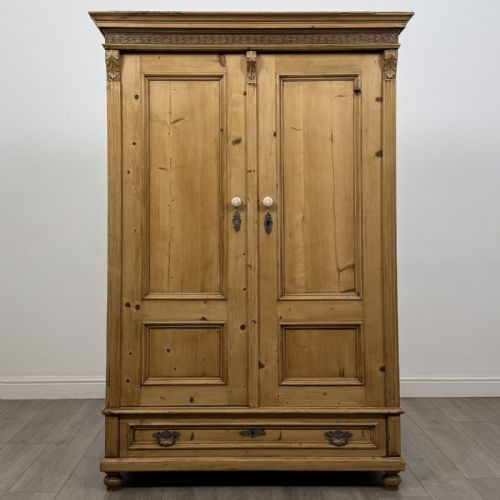
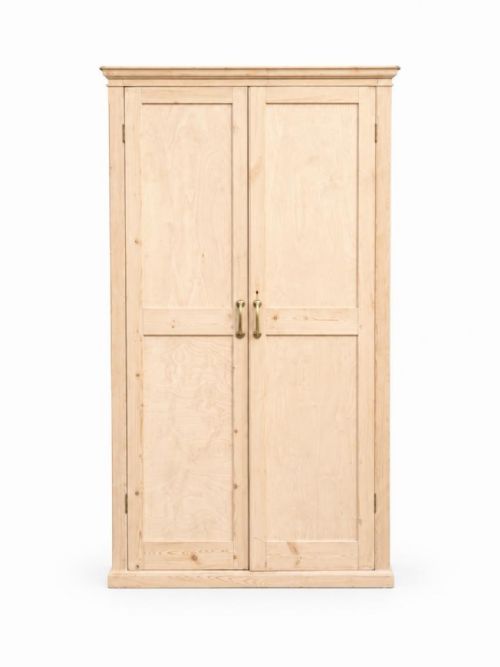
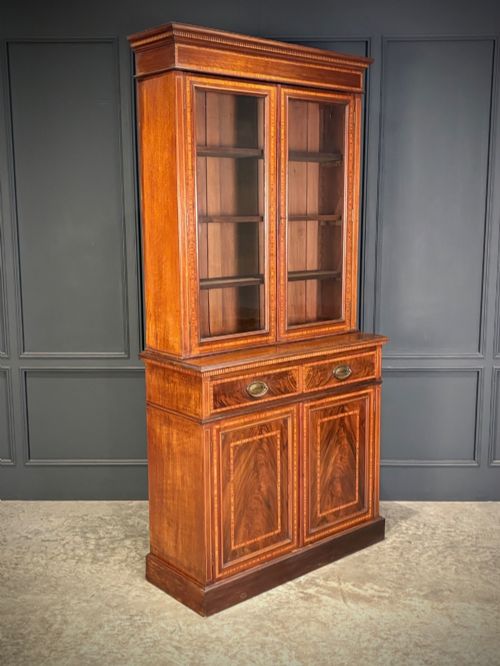
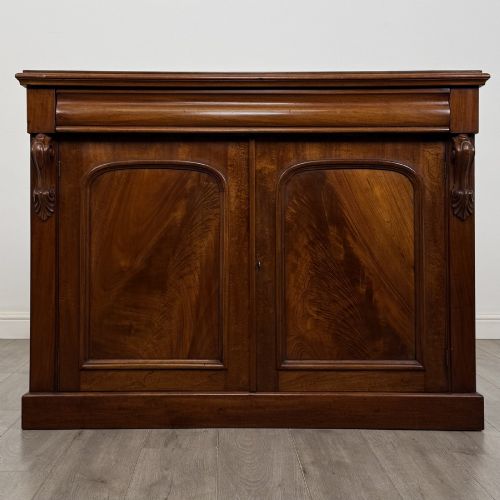
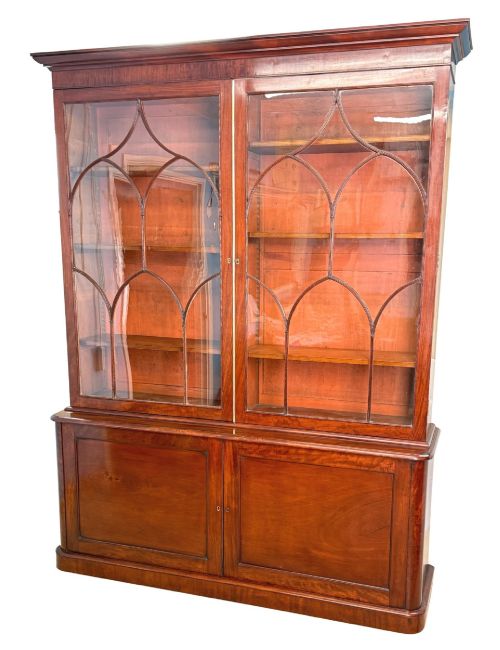
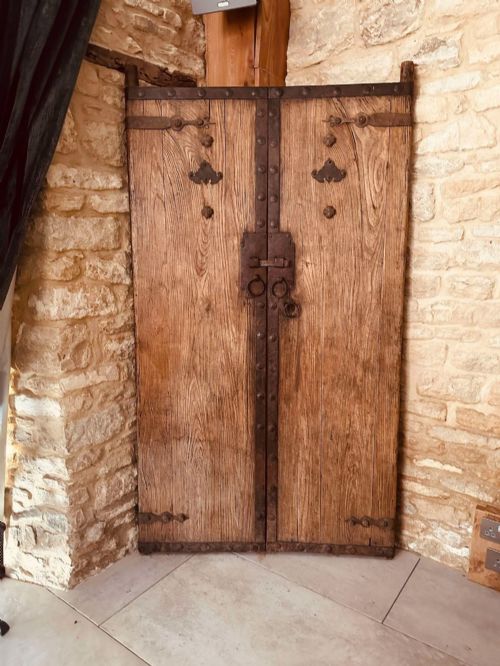
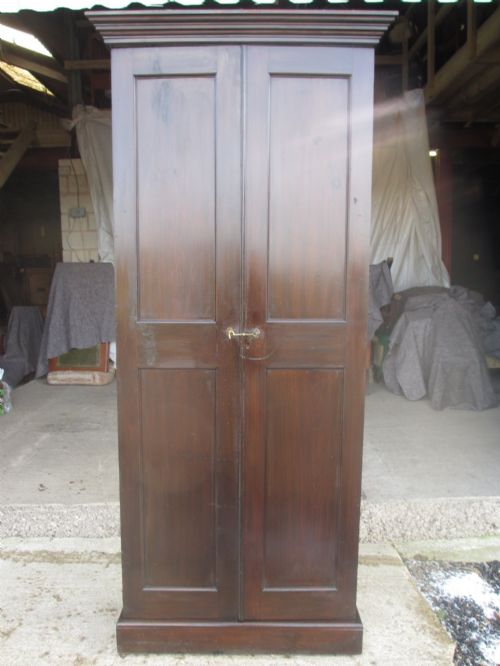
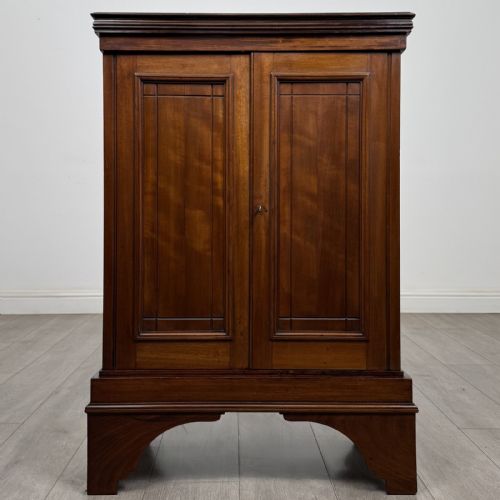
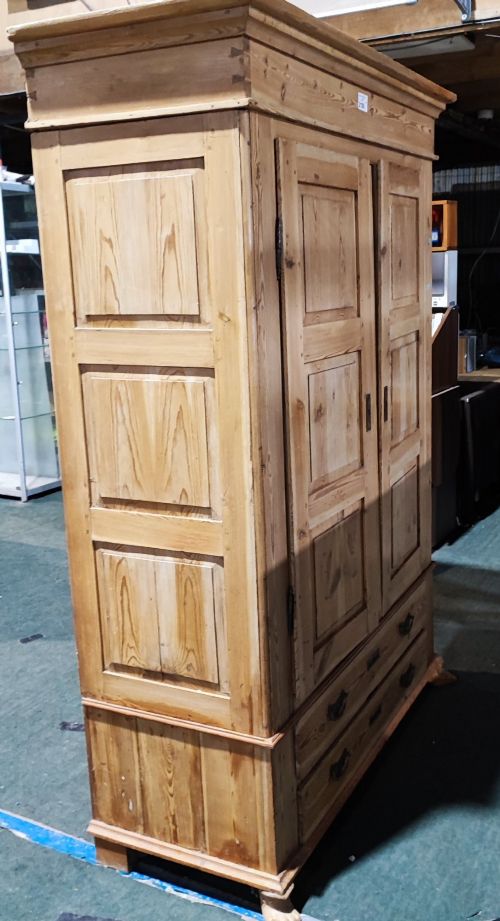
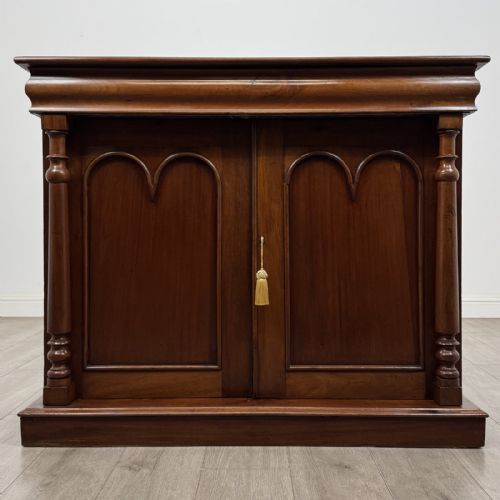
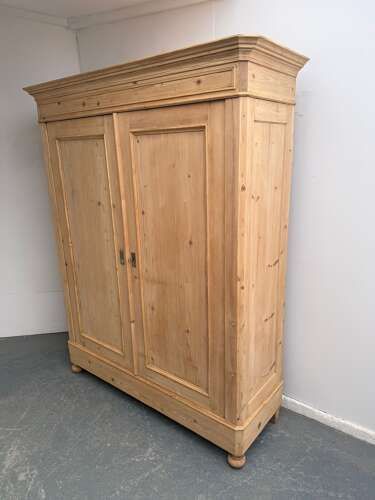
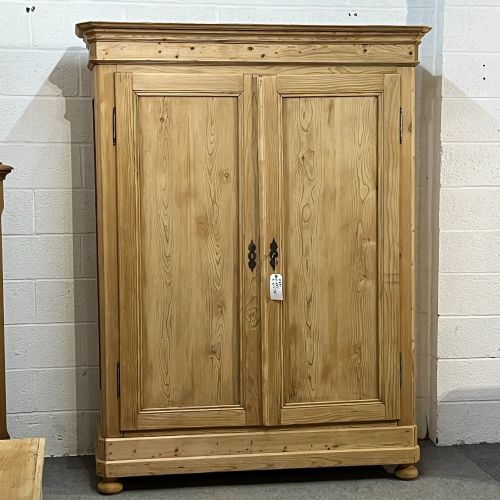
A traditional wooden door search uncovers architectural elements and storage furniture with operational doors, such as cupboards, wardrobes, and bookcases from the Georgian, Victorian, and Edwardian eras. Buyers encounter pieces ranging from simple painted pine storage units to substantial mahogany and oak wardrobes.
The selection includes specific regional variants like French pine wardrobes, English country dressers, and Berber doors. These items bring period character and functional storage to domestic spaces through time-tested joinery and heavy timber construction.
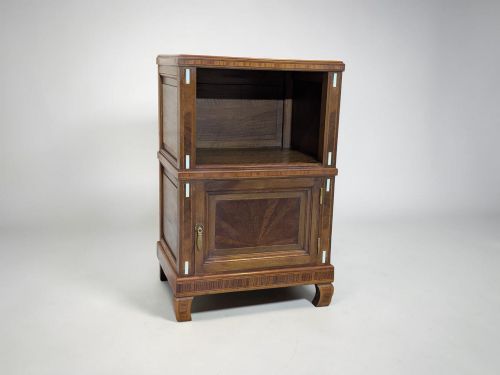
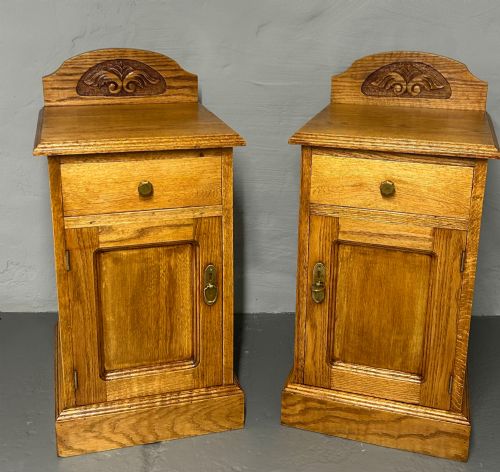
Most entries combine functional cabinetry with period hardware like brass handles and iron hinges. The form factor spans floor-to-ceiling wardrobes, compact bedside cabinets, and corner cupboards designed for domestic utility.
Materials and construction methods
Construction relies heavily on dense hardwoods such as mahogany, oak, and walnut alongside softer timbers like pine and teak. Artisans joined these materials using traditional techniques including mortise and tenon joints, dovetail drawers, and panelled door construction.
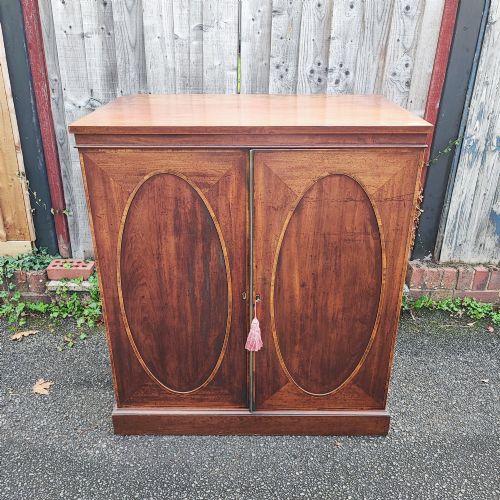
Surfaces receive various finishes, from waxed and polished grain in oak and mahogany to painted or lacquered treatments found on continental and regional pieces. Glass panelling, brass locks, and iron hardware integrate directly into the wooden framework of these items.
Traditional Wooden Door Retail Price Guide 2026
Typical asking prices for traditional wooden door among the pieces listed under this phrase on Sellingantiques today, from the lower quarter to the upper quarter. They describe what is for sale here now, not the wider market.
A musical grandfather clock chimes alongside solid oak cupboards, proving that traditional wooden doors sometimes come with a soundtrack.
Factors of quality and execution
Quality rests on timber selection and timber stability, where tightly grained hardwoods and old-growth pine demonstrate superior resistance to warping over centuries of use. The integrity of internal joints, drawer linings, and backboards dictates the longevity of each cabinet or wardrobe.
Refinement appears in secondary details such as hand-carved mouldings, matching timber grains across large double doors, and original hardware. Pieces retaining their structural plumb and original locking mechanisms demonstrate higher levels of initial craftsmanship and careful preservation.
The Traditional Wooden Door Glossary
- Compactum
- A multi-compartment wardrobe combining hanging space, drawers, and shelving within a single timber frame. This form gained popularity for efficient bedroom storage.
- Breakfront
- A piece of furniture featuring a central section that projects forward from the flanking cabinets. This design creates depth and visual rhythm in large bookcases and sideboards.
- Dresser Base
- A low rectangular cabinet fitted with cupboards and drawers beneath a flat top surface. These utilitarian pieces originate from farmhouse and country house kitchens.
- Bracket Feet
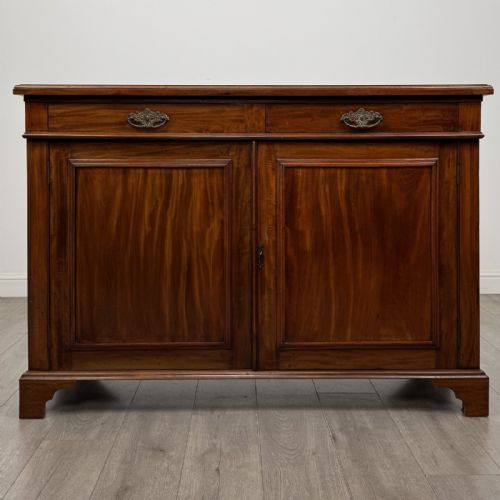
- Support feet formed by two pieces of wood mitred at the corner, providing a stable architectural base for Georgian and Victorian cabinets.
- Press
- An alternative historical term for a wardrobe or large cupboard used primarily for storing folded textiles and garments before modern hanging closets became standard.
Traditional Wooden Door: Frequently Asked Questions
How do I date a wooden cupboard?
Dating relies on examining construction marks, timber choice, and hardware styles. Early pieces often feature hand-cut dovetails and pegged joints.
Later Victorian and Edwardian examples show machine sawing marks and standardised brass hinges or locks.
Can I paint an antique pine wardrobe?
Many pine pieces arrive in a stripped or painted state suited to modern interior schemes. Historic finishes dictate whether preservation is preferred over new paint applications.
Unfinished pine takes chalk paint and wax finishes readily for customized room styling.
What is the difference between oak and mahogany pieces?
Oak items generally display visible growth rings and a heavier, rustic aesthetic suited to country and Jacobean revival interiors. Mahogany offers a smoother, finer grain typically associated with formal Georgian and Victorian rooms.
Both timbers provide exceptional structural durability when maintained with appropriate wax feeds.