
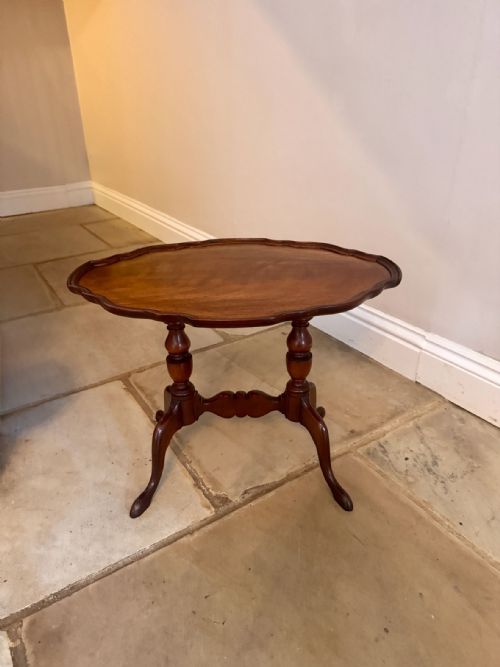
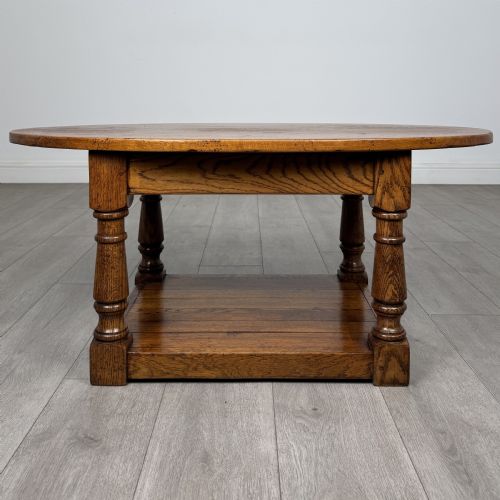
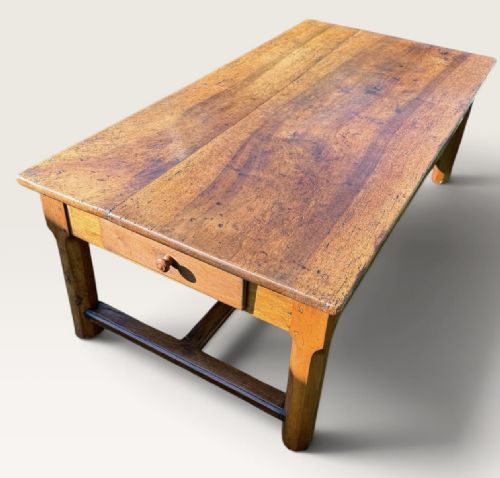
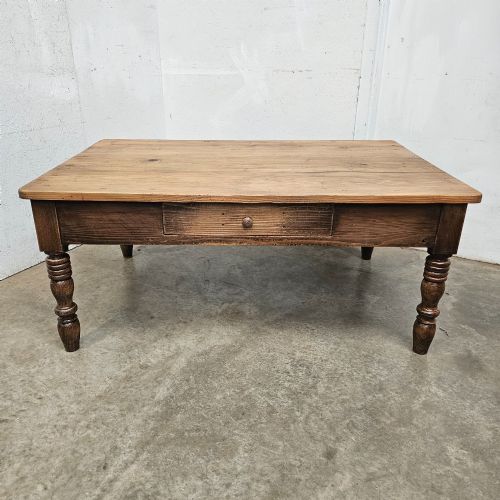




Traditional Wooden Centre Table
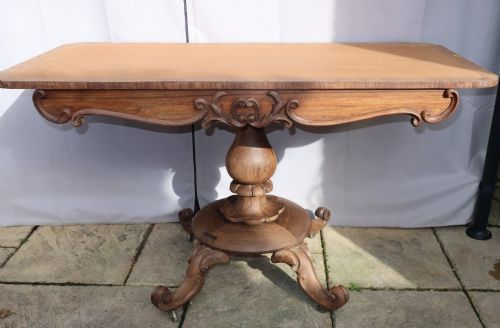
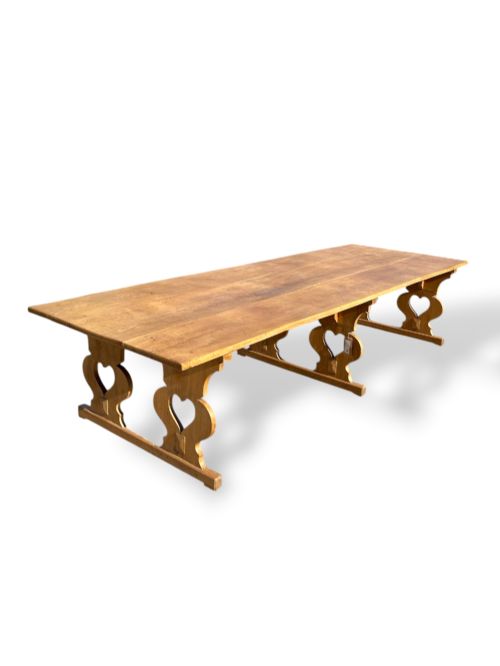
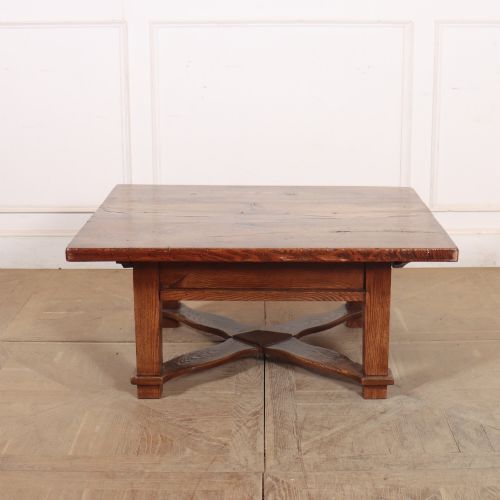
A traditional wooden centre table anchors a room with solid presence, offering a practical surface built from walnut, oak, mahogany, and pine across multiple centuries.
Traditional Wooden Centre Table
When searching for a traditional wooden centre table, buyers encounter diverse forms ranging from low coffee tables and rustic farmhouse boards to formal Victorian and Edwardian examples. These pieces serve as functional focal points in living spaces, libraries, and country kitchens.
The selection includes pieces spanning from the eighteenth century through to the early twentieth century, showing regional influences from English country houses to French provincial workshops and Austrian rural homes. Walnut, oak, and pine appear most frequently among the shapes.
Makers and workshops utilised sturdy timbers to build formats such as coffee tables, tavern tables, console tables, and prep tables. Each style reflects the domestic requirements of its period, from turned leg pine to marquetry inlaid walnut.
How they were made
Joiners and cabinetmakers relied on solid hardwoods like oak, mahogany, walnut, and fruitwood alongside softer timbers like pine and elm. Construction often involved pegged mortise and tenon joints, hand-turned legs, and thick planks selected for durability.
Surface decoration varied from simple scrubbed pine and painted finishes to intricate marquetry inlay, parquetry, oyster veneers, and leather tops. Brass hardware appeared on drawers and fittings where utility met formal design.
Jogltisch tables bring Austrian alpine heritage straight to the modern coffee cup.
What varies in quality
The calibre of a piece rests upon the selection of timber, such as figured walnut, burr walnut, or dense English oak, coupled with the precision of the joinery. Superior examples display thoughtful proportions and harmonious integration of decorative elements like hand-carved bases or parquetry.
Provenance and workshop attribution elevate certain pieces, distinguishing standard regional items from documented makers. The integrity of the original surface finish and timber grain heavily influences the character of each table.
Gillows of Lancaster
The Traditional Wooden Centre Table Glossary
- Parquetry
- A geometric mosaic of wood pieces used for decorative surfaces on tables and floors. It creates intricate patterns using contrasting timbers.
- Oyster veneer
- Thin slices of branch wood cut across the grain to produce circular or oval ring patterns resembling oysters. This technique appeared frequently on seventeenth and eighteenth-century furniture.
- Marquetry
- The art of applying pieces of veneer to a structure to form decorative designs and pictures. Artisans used various coloured woods to achieve pictorial depth.
- Plank table
- A heavy table constructed from long, wide boards of solid timber fixed to a supporting underframe. These functional pieces formed the backbone of rural kitchens and prep rooms.
- Tavern table
- A sturdy, utilitarian small table with a heavy wooden top and strong legs, historically used in public houses. They were built to withstand heavy daily use.
Traditional Wooden Centre Table: Frequently Asked Questions
What is a centre table?
A centre table is a freestanding piece designed to be viewed from all sides, traditionally placed in the middle of a room rather than against a wall.
These tables function as display surfaces for decorative objects or as central gathering points in larger spaces.
How do I date a wooden table?
Dating relies on examining the timber species, construction methods, tool marks, and overall stylistic characteristics of the period. Secondary woods used in drawers and underframes also provide clues to the age.
Earlier pieces often show hand-sawn markings and pegged joinery, whereas later nineteenth-century examples incorporate machine-sawn components.
Are these tables suitable for daily use?
Most traditional tables were originally built for practical domestic or working environments, making them inherently sturdy for modern living. Solid timber construction allows them to endure regular daily activity.
Maintenance involves using appropriate waxes and avoiding excessive moisture to protect the historic wood finishes.
What is the difference between a coffee table and a centre table?
Centre tables typically stand at standard table height or slightly lower, designed for general placement in a room, whereas coffee tables are intentionally low for seating areas.
Many listings categorise low nineteenth-century and early twentieth-century tables interchangeably based on their current functional use in modern homes.