





Traditional Wooden Buffet
A traditional wooden buffet grounds a dining room or kitchen with substantial storage and timber character.
Traditional Wooden Buffet
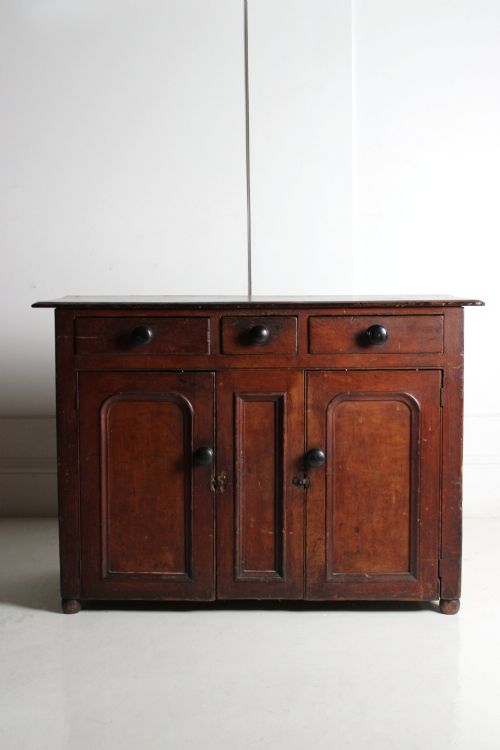
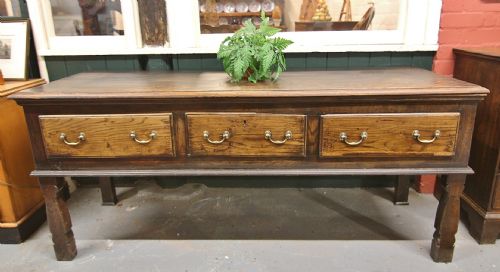
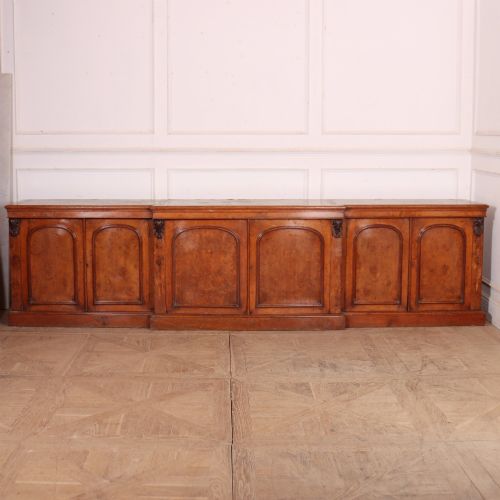
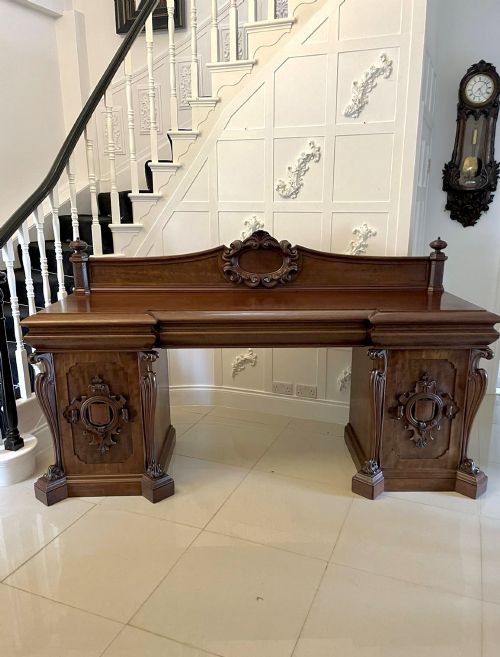
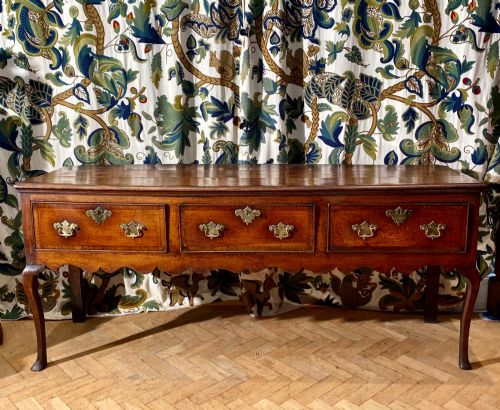
A traditional wooden buffet encompasses heavy timber sideboards, dresser bases, and storage cabinets designed for domestic utility and display. These pieces provide surface space and enclosed storage through drawers and cupboards.
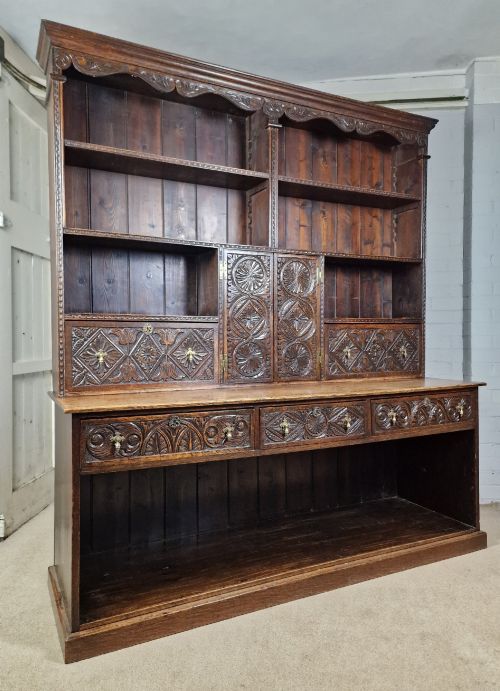
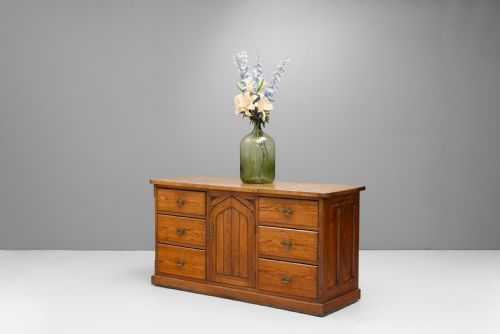
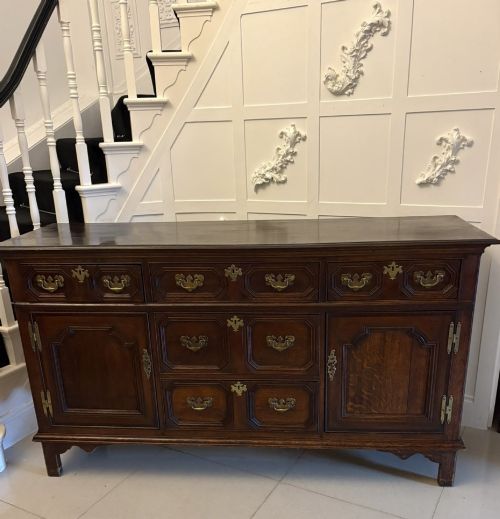
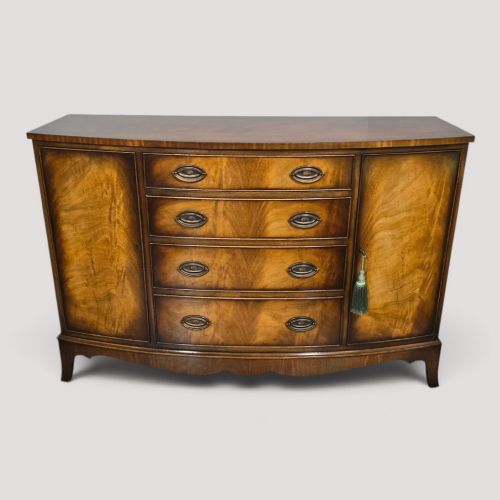
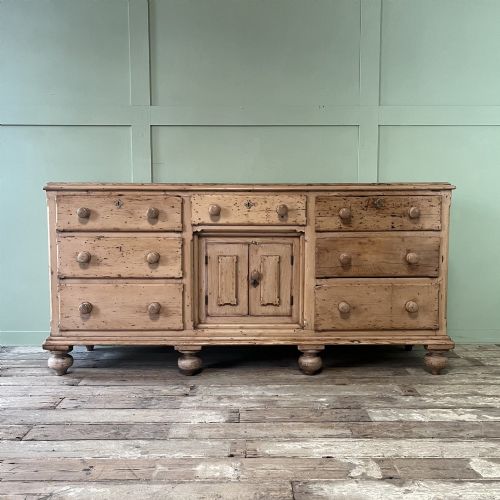
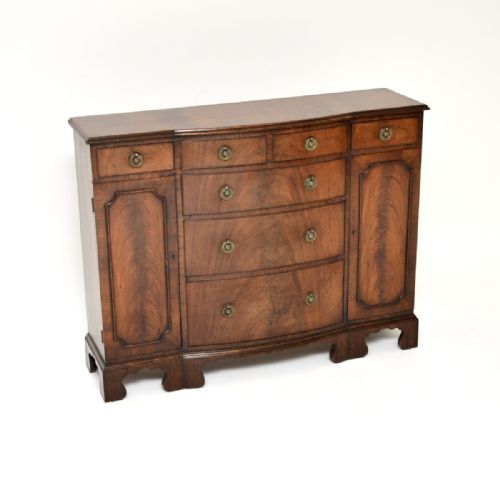
The selections span centuries of cabinet making, appearing in forms from Georgian mahogany breakfronts to robust Victorian and Edwardian oak pieces. Common variations include pot board bases, bow fronts, and kitchen dresser units.
Rural and formal workshops alike produced these items to serve dining spaces and hallways. Buyers frequently encounter oak and mahogany examples reflecting regional British and continental furniture traditions.
How they were made
Craftsmen shaped these items primarily from solid hardwoods like oak and mahogany, often pairing them with pine carcases and applying flame mahogany veneer for decorative effect. Timber selection dictated the weight and grain pattern of each piece.
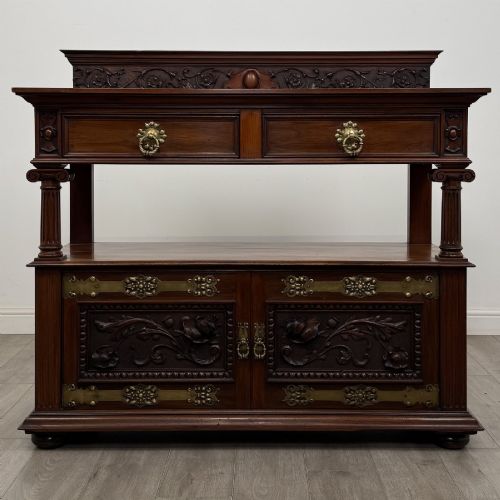
Construction relied on traditional joinery techniques, evident in dovetailed drawers and panelled doors supported by stretcher bases or bracket feet. Iron and brass hardware, such as swing handles and face plates, completed the structure.
Traditional Wooden Buffet Retail Price Guide 2026
Typical asking prices for traditional wooden buffet among the pieces listed under this phrase on Sellingantiques today, from the lower quarter to the upper quarter. They describe what is for sale here now, not the wider market.
Some Edwardian oak buffets still sport elaborate brass face handles that grin out from the drawer fronts.
What varies in quality
Quality rests in the selection of timber and the restraint of carved detail. Finer examples display figured grain and crisp mouldings that reveal the hand of a skilled cabinet maker.
Proportion and structural integrity distinguish superior pieces from utilitarian ones. Well-balanced proportions and original hardware elevate a standard storage unit into a refined focal point.
Rushworth's
The Traditional Wooden Buffet Glossary
- Dresser base
- A low cabinet featuring drawers and cupboards, traditionally used in kitchens and dining rooms for food preparation and storage.
- Pot board
- An open lower shelf fitted between the legs of a dresser base, originally intended for storing pots and pans.
- Breakfront
- A cabinet design where the central section projects forward from the flanking sections, creating architectural depth.
- Serpentine
- A furniture front characterised by a gentle convex curve flanked by two concave curves, requiring advanced woodworking skill.
- Flame mahogany
- A veneer cut from the fork of a mahogany tree that produces a distinctive flame-like pattern across the wood.
Traditional Wooden Buffet: Frequently Asked Questions
What is a traditional wooden buffet?
A traditional wooden buffet is a heavy timber storage piece, such as a sideboard or dresser base, used to hold dining ware and provisions in a home.
These items combine drawers and cupboards, offering practical surface space alongside enclosed storage.
How do I date a wooden buffet?
Dating relies on observing timber choices, construction methods, and stylistic cues like brass hardware or carved details.
Examining drawer joints and timber veneers helps place a piece within periods ranging from the eighteenth to the twentieth century.
Where were these pieces used?
They served primarily in dining rooms, kitchens, and large hallways for storing tableware, linens, and food supplies.
Kitchen pieces often featured pot boards for heavy cookware, while formal dining room versions prioritized display and serving space.
How do I care for antique timber?
Maintain antique wooden surfaces by keeping them away from direct heat sources and sudden humidity changes.
Applying occasional wax helps preserve the finish and nourishes the natural grain of woods like oak and mahogany.