

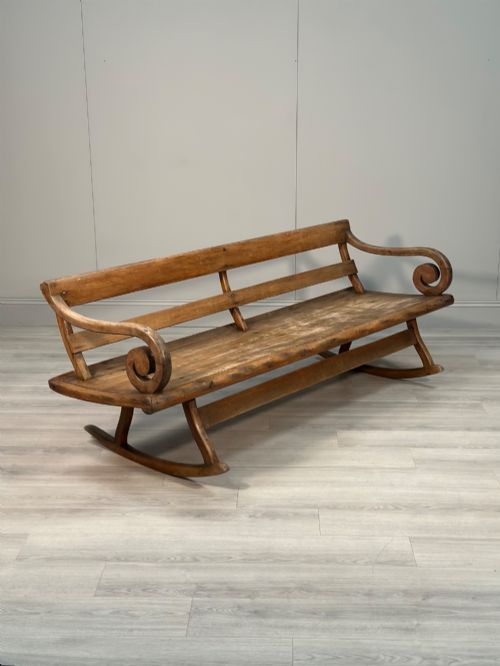
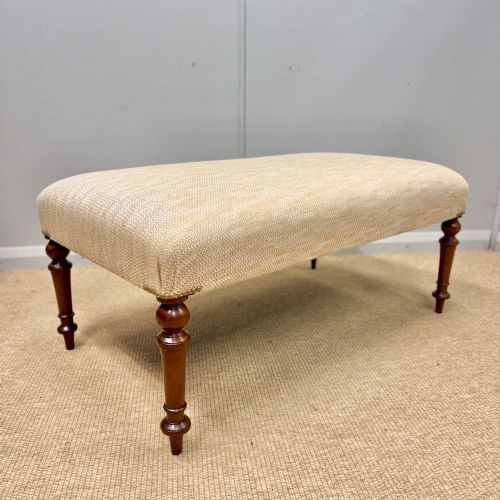
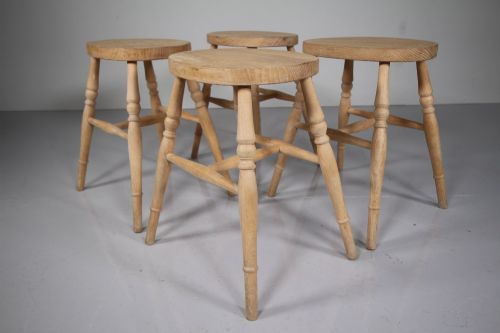
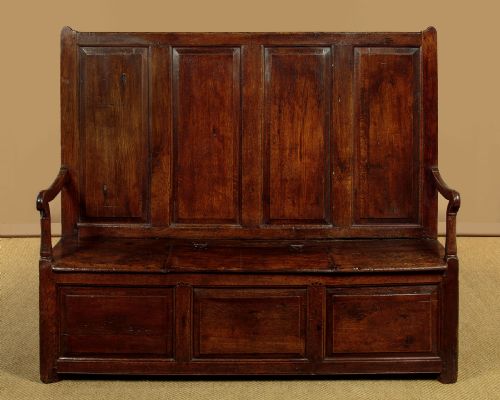
Traditional Wooden Bench
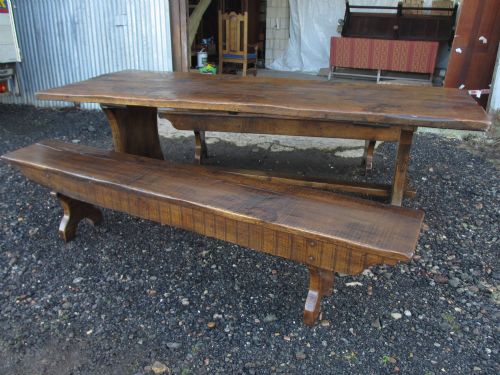
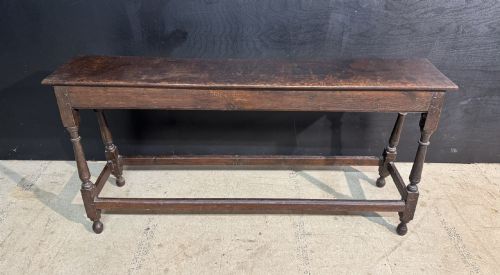
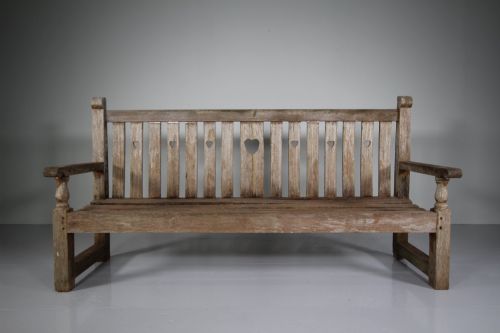
Traditional wooden bench designs span robust oak settles and rustic garden seats built for everyday utility.
Traditional Wooden Bench
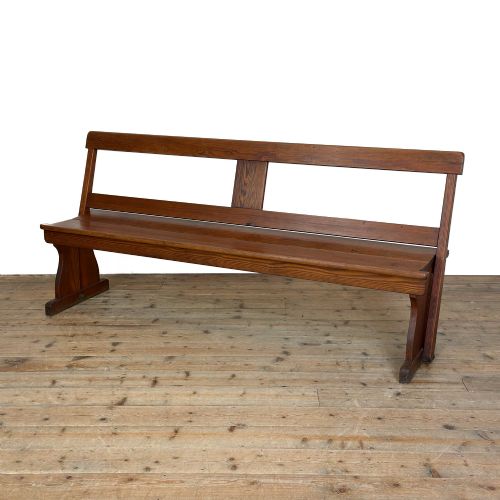
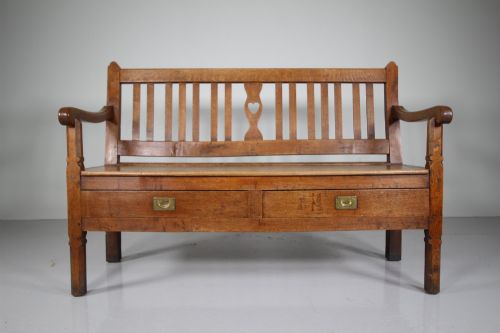
A traditional wooden bench serves as a practical seat for hallways, gardens, and firesides, often incorporating useful storage beneath the surface. When browsing this selection, buyers encounter forms ranging from high-backed oak settles to simple pine garden seats.
The periods represented stretch from the eighteenth century through the Edwardian era and into the early twentieth century. Common stylistic influences include rustic country, Georgian, and Victorian vernacular designs built for domestic or institutional use.
Materials and construction
Construction relies heavily on native hardwoods and softwoods such as oak, pine, mahogany, elm, and teak, selected for durability and grain. Cabinetmakers and country joiners utilised traditional jointing methods to ensure stability across long spans.
Surface finishes vary from waxed and polished interiors to weathered patinas on outdoor pieces exposed to the elements. Secondary materials like brass and iron appear occasionally in structural brackets or fittings.
Listings feature timbers including oak, pine, mahogany, elm, and teak across periods from the eighteenth century to the mid-twentieth century.
Assessing quality and character
Quality rests in the integrity of the timber, the weight of the timber sections, and the retention of original surfaces rather than modern refinishing. Dense native hardwoods like oak and elm command attention for their structural longevity.
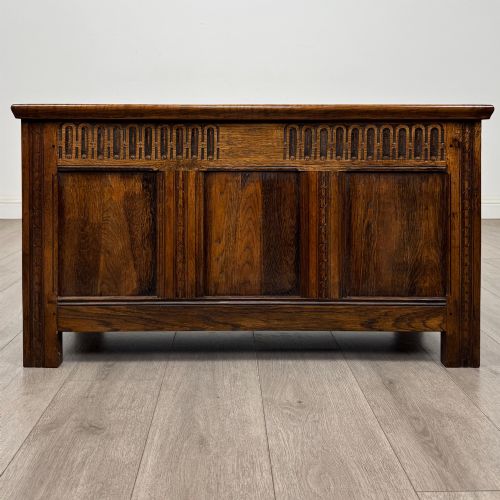
Subtleties in hand-carved detailing, panel construction, and integrated storage boxes distinguish bespoke vernacular pieces from standard utilitarian seating.
The Traditional Wooden Bench Glossary
- Settle
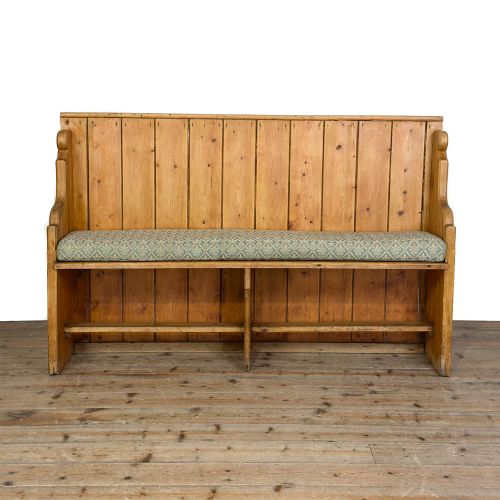
- A wooden bench featuring a high back and solid arms, often designed with a hinged seat concealing a storage box beneath. This form protected sitters from draughts in older homes.
- Joint stool
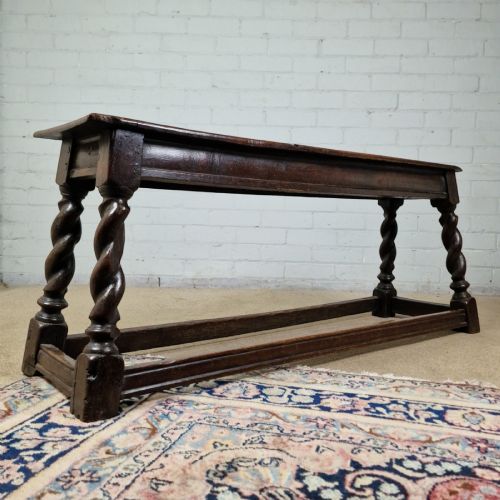
- An early form of sturdy wooden stool constructed with mortise and tenon joints rather than turned legs. These pieces frequently served varied domestic uses before chairs became common.
- Vernacular furniture
- Items made by local craftsmen using regional timbers to satisfy practical local needs, distinct from high-style urban cabinetmaking. Such pieces embody regional character.
- Refectory table
- A long dining table historically used in communal halls, often found paired with matching bench forms. These pieces utilise robust trestle or frame construction.
Traditional Wooden Bench: Frequently Asked Questions
Where should I place a wooden settle?
A high-backed settle suits a spacious hallway or a traditional farmhouse kitchen where it can block draughts from doors.
Positioning the piece against a solid wall allows the high back to frame the space effectively while providing convenient seat storage.
How do I care for antique outdoor teak?
Weathered teak garden benches require minimal intervention beyond seasonal washing with mild soapy water to remove accumulated dirt.
Applying oils is optional since the natural dense grain allows the wood to weather gracefully outdoors over decades.
What is the difference between a bench and a settle?
A standard bench offers open seating without a high protective back or enclosed base compartments.
A settle incorporates a solid high back and sides designed originally to shield occupants from cold draughts in historic interiors.
How do I date an oak bench?
Dating relies on examining tool marks, timber selection, construction joints, and the wear patterns on the seat surface.
Earlier eighteenth-century examples display hand-split panels and pegged joints, whereas later Edwardian revivals employ machine-sawn uniform boards.