




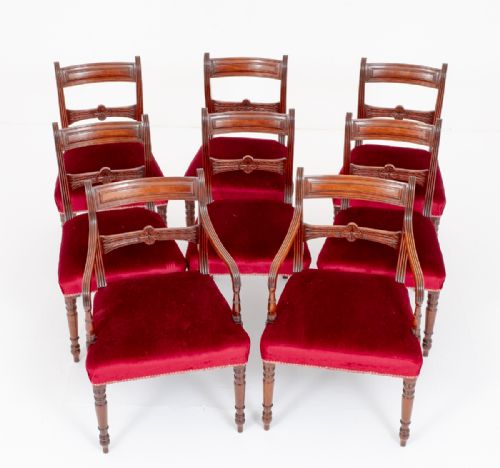
Traditional Wooden Bar Chairs
Traditional wooden bar chairs bring solid craft and enduring utility to high seating arrangements.
Traditional Wooden Bar Chairs
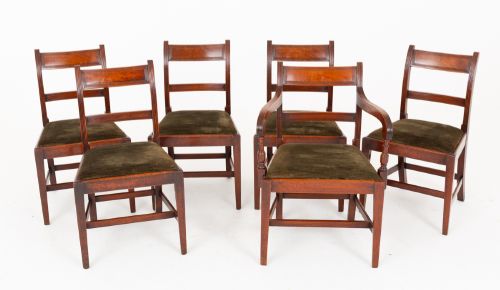
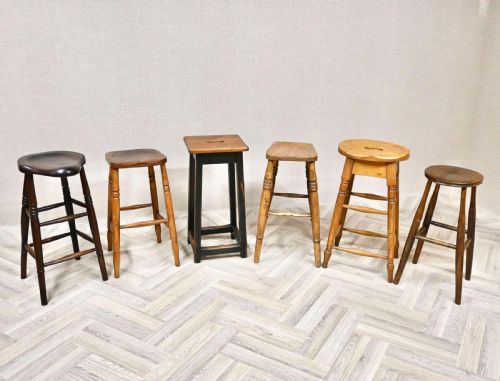
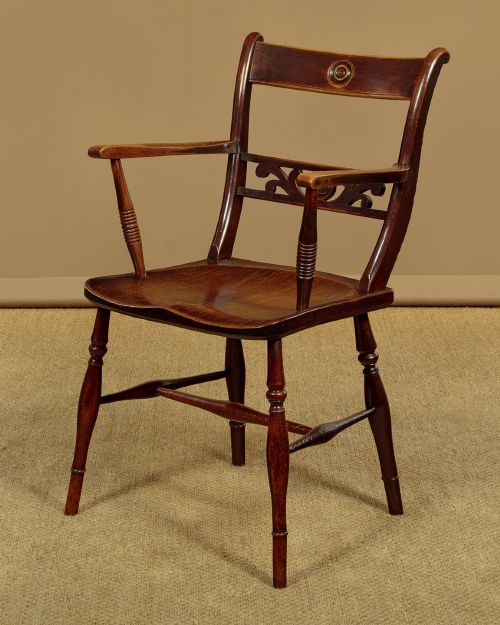
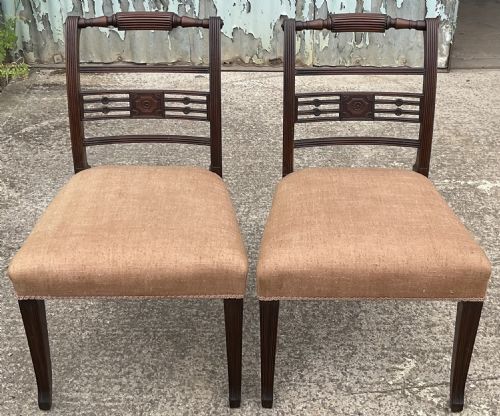
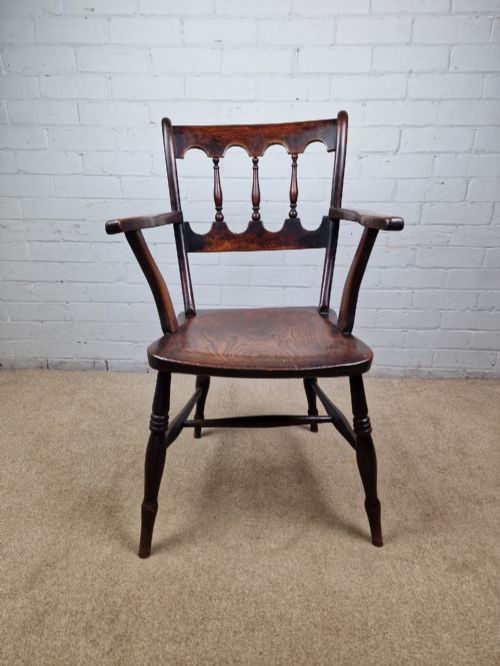
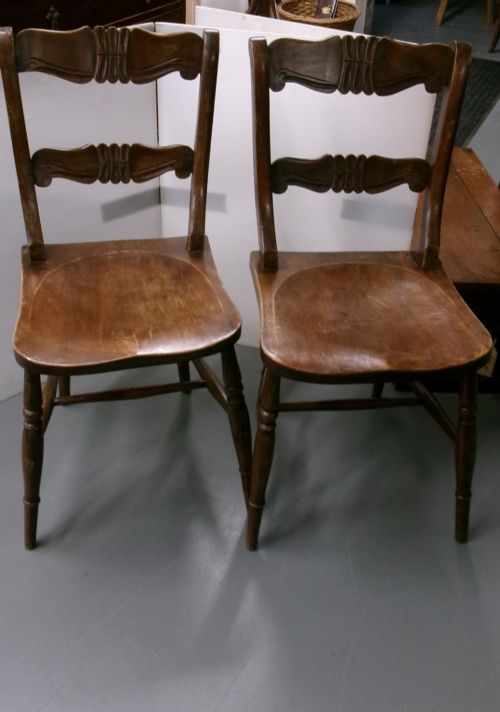
Traditional wooden bar chairs and related bar seating emerge from 18th, 19th, and early 20th century periods, encompassing styles like Georgian, Regency, Victorian, and rustic farmhouse. When searching for traditional wooden bar chairs, buyers encounter sturdy forms including bar back dining chairs, bar stools, Windsor armchairs, and clerk's stools.
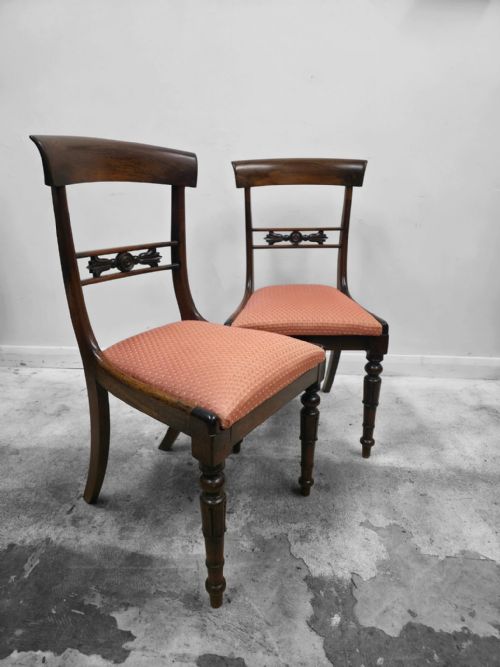
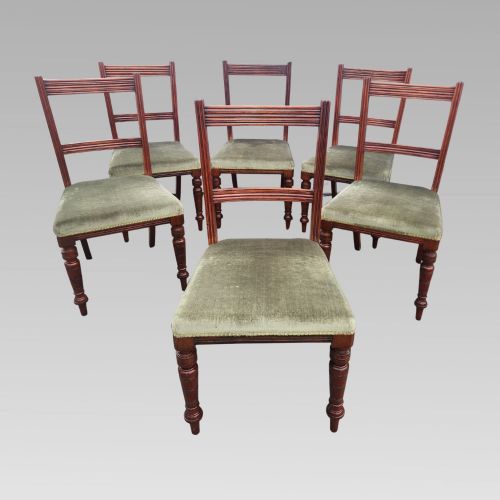
The selection ranges from sets of mahogany dining and bar chairs to individual elm, beech, oak, and birch seating. Pieces often feature distinct regional or stylistic traits such as sabre legs, turned supports, and characteristic bar backs.
How they were made
Cabinet makers and rural joiners utilised dense timbers like mahogany, oak, elm, and beech, selecting woods for structural resilience and grain character. Turning lathes shaped spindles and legs, while traditional joinery methods secured frames together without reliance on modern adhesives.
Upholstered elements incorporated textiles, velvet, fabric, and leather overstuffed pads to provide added comfort on seats and elbow rests. Surface finishes were applied to protect the timber while highlighting its natural colour and texture.
Listings feature timbers including mahogany, beech, elm, oak, and birch across 18th and 19th-century periods.
What varies in quality
The grade of timber and the precision of the original joinery distinguish finer examples from simpler vernacular pieces. Selection of figured mahogany or carefully seasoned elm reflects the maker's intent and influences the overall presence of the chair.
Proportion, balance, and the preservation of original turned components dictate the standing of a piece within its period. Chairs that retain their structural integrity and unaltered wooden frames demonstrate superior craftsmanship.
The Traditional Wooden Bar Chairs Glossary
- Bar back
- A chair design featuring a horizontal wooden slat or rail across the upper backrest, often shaped for lumbar support. This configuration appears frequently in Georgian and Regency seating.
- Windsor
- A chair construction method where legs and back spindles are inserted directly into a solid sculpted wooden seat. These pieces often utilise mixed timbers like elm and beech.
- Sabre leg
- A concave sweeping leg that tapers towards the foot, reminiscent of a cavalry sabre. This form is characteristic of Regency and later 19th-century furniture design.
- Carver chair
- An armchair designed in a matching style to a set of dining chairs, traditionally placed at the head of a table. These often feature open elbows and wider proportions.
- Overstuffed
- Upholstery that completely covers the seat frame so that only the wooden legs remain visible. This technique prioritised comfort in Victorian seating.
Traditional Wooden Bar Chairs: Frequently Asked Questions
How do I care for antique wooden chairs?
Maintain antique wooden chairs by keeping them away from direct heat sources and sudden humidity changes to prevent timber splitting. Regular dusting with a soft, dry cloth preserves the polished surface.
Avoid harsh chemical cleaners that can strip historical finishes and dry out the natural wood fibres over time.
Where were tall bar stools used historically?
Tall bar stools and clerk's stools served practical functions in counting houses, administrative offices, and public establishments where standing desks or high counters were standard. Their elevated form allowed workers to alternate between sitting and standing.
Turned stretchers were incorporated into these tall frames to provide stability and a place to rest feet.
How can I identify a Victorian Windsor chair?
Victorian Windsor chairs typically combine a solid elm or hardwood seat with turned beech spindles and legs. They often showcase an Oxford bar back or comb back construction.
Examining the underside reveals the wedged tenons where the legs enter the solid seat block.