




Traditional Wood Tub Chair
A traditional wood tub chair offers deep-seated comfort and solid vernacular framing, bringing robust nineteenth-century utility directly into the modern room.
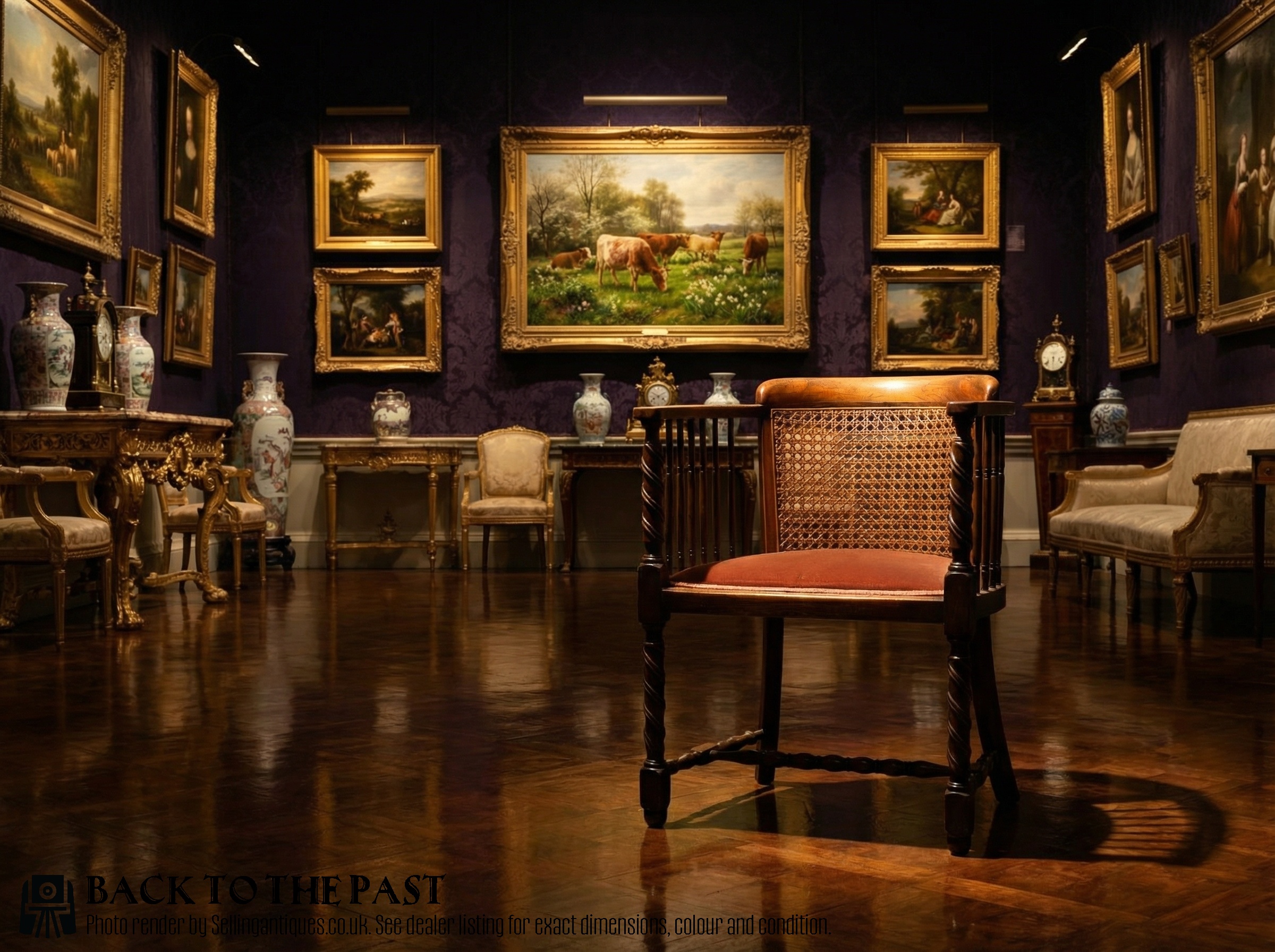
Traditional Wood Tub Chair
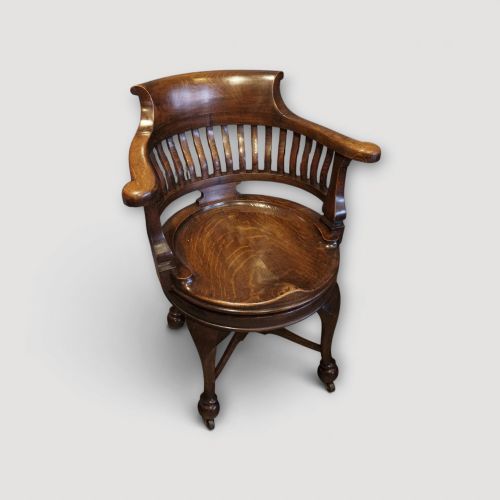
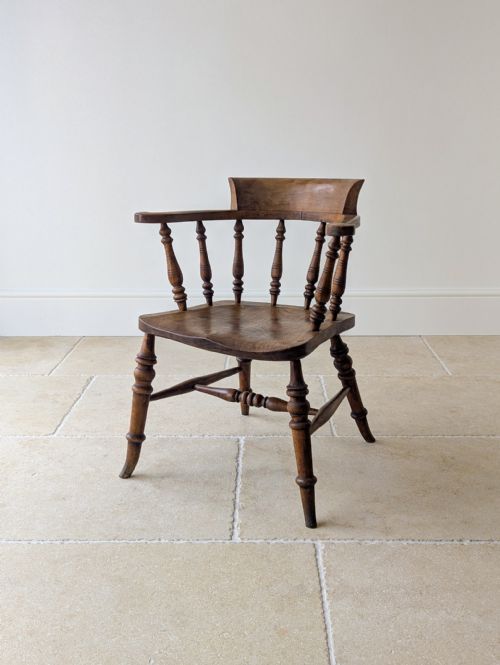
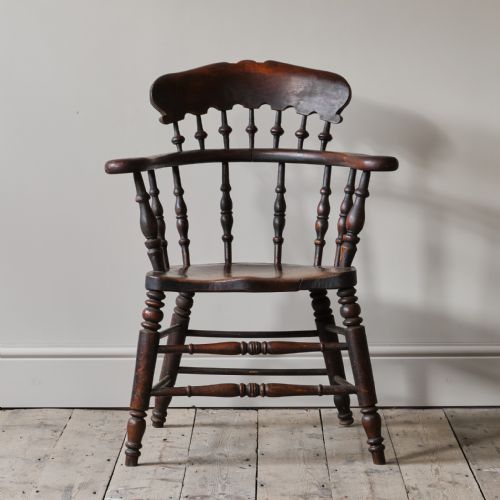
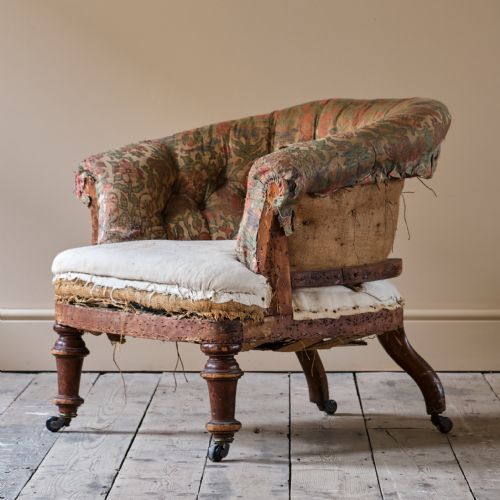
Most examples originate from English country workshops, utilising vernacular construction methods that prioritize ergonomic curved backs and supportive arm rails. These pieces range from substantial elm and ash desk chairs to compact mahogany and oak office seating.
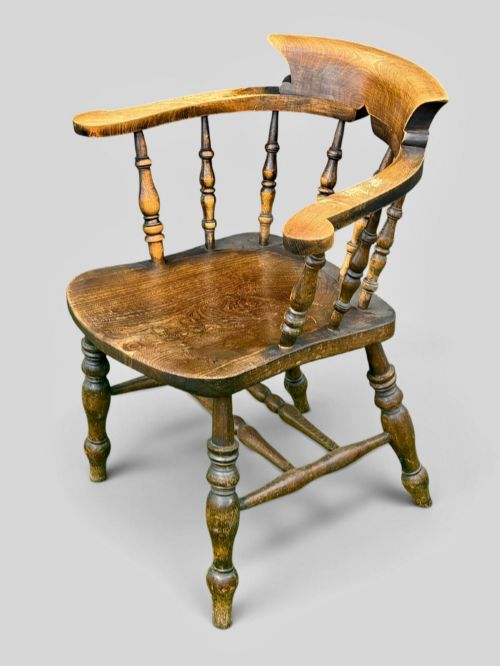
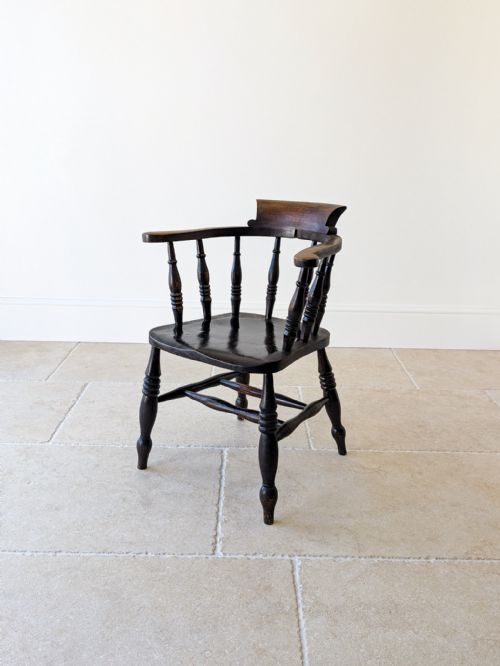
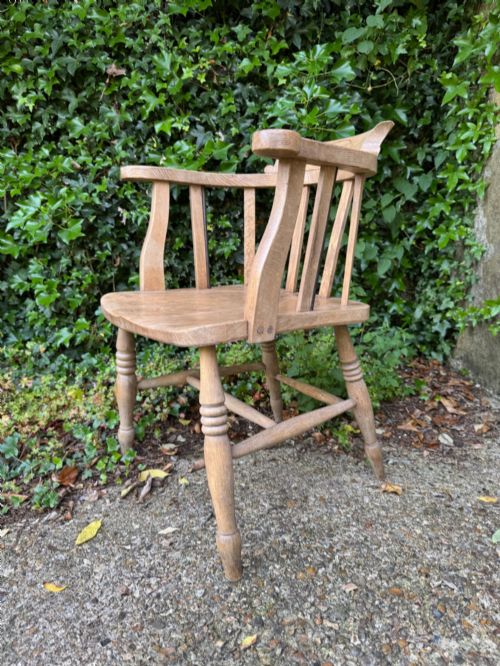
Formations encompass various seating configurations, including low children's chairs, corner chairs with marquetry inlay, and matching pairs intended for study or library placement. The underlying structural archetype remains consistent: a continuous curved wooden tub rail supported by turned spindles.
How they were made
Construction relies heavily on native timbers such as elm, beech, ash, and oak, frequently paired within a single frame for structural resilience. Cabinetmakers and bodgers utilised steam-bending techniques to form the continuous wooden tub rails and curved armrests characteristic of these seating designs.
Saddle seats were typically hollowed from solid planks of elm to ensure ergonomic comfort during long hours at a desk. Turned spindles and legs were secured using traditional mortise and tenon or wedged peg joints, occasionally accented with brass fittings or leather upholstery.
Traditional Wood Tub Chair Retail Price Guide 2026
Typical asking prices for traditional wood tub chair among the pieces listed under this phrase on Sellingantiques today, from the lower quarter to the upper quarter. They describe what is for sale here now, not the wider market.
Materials recorded across the inventory include traditional hardwoods like oak, beech, and mahogany, alongside leather and brass accents.
What varies in quality
The integrity of a traditional wood tub chair depends upon the selection of timber and the complexity of its turned components. Superior examples display dense, figured grain in elm seats and finely proportioned spindle work that remains rigid within the mortise joints.
Makers achieved distinction through the harmonious combination of contrasting woods, such as ash frames married to elm seats, finished with smooth hand-sculpted contours. Poorer quality versions often exhibit clumsy replacement stretchers, heavy utilitarian repairs, or excessive timber shrinkage that compromises the original stance.
The Traditional Wood Tub Chair Glossary
- Smokers bow
- A low-backed Windsor armchair featuring a rounded wooden rail and turned spindles, commonly found in nineteenth-century offices and smoking rooms. This form provides a broad seat and supportive armrests.
- Captain's chair
- A robust wooden armchair with a low, curved spindle back designed to fit beneath a partner's or captain's desk. These pieces utilise heavy timber frames for daily utility.
- Windsor chair
- A chair built with a solid wooden seat into which the legs and back spindles are directly bored and wedged. Provincial joiners perfected this regional technique across British workshops.
- Spindleback
- A chair back constructed from vertical turned wooden rods supporting the upper crest rail. This method lightens the visual weight of heavy hardwood frames.
- Vernacular
- Objects designed by regional craftspeople following local traditions rather than high-style academic conventions. These pieces reflect practical utility and available local materials.
Traditional Wood Tub Chair: Frequently Asked Questions
What is a smokers bow?
A smokers bow is a sturdy nineteenth-century vernacular armchair featuring a low, curved wooden back rail and turned spindles. It was widely used in offices, libraries, and public houses for everyday seating.
The design shares close lineage with the traditional Windsor chair, prioritizing a comfortable saddle seat and reliable joinery over decorative carving.
How do I date a tub chair?
Dating relies upon observing timber species, turning styles, and construction methods characteristic of nineteenth and early twentieth-century workshops. Victorian examples often show heavier elm and ash construction, whereas Edwardian pieces lean toward lighter mahogany frameworks.
Examining the wear patterns on the wooden seat and the ageing of pegged joints helps establish the period of manufacture.
Are these chairs comfortable?
Yes, traditional wood tub chairs are engineered for prolonged sitting, featuring ergonomically scooped wooden saddle seats and supportive curved arm rails. The rounded back encloses the sitter to provide natural lumbar support.
Many buyers enhance this comfort by placing small loose cushions on the timber seat base.
Where should I place one?
These chairs function naturally as desk or study seating due to their compact footprint and supportive wooden backs. They also serve well as occasional reading chairs in sitting rooms or libraries.
Their rich timber tones pair effectively with both antique writing tables and contemporary minimalist furniture.