


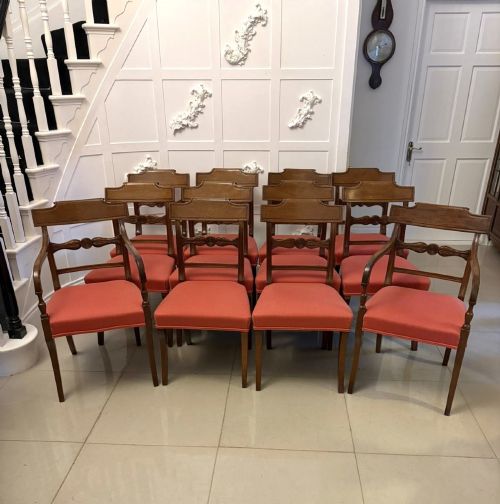
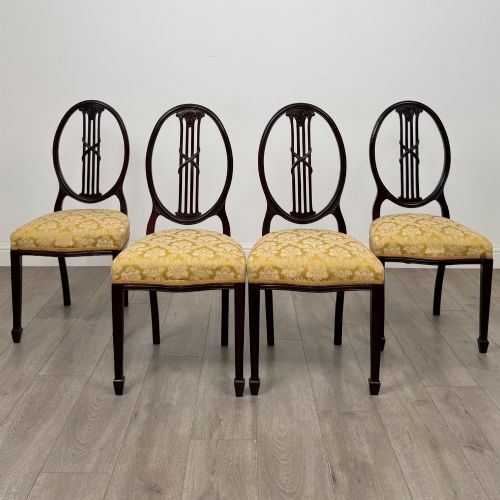
Traditional Wood Dining Chairs
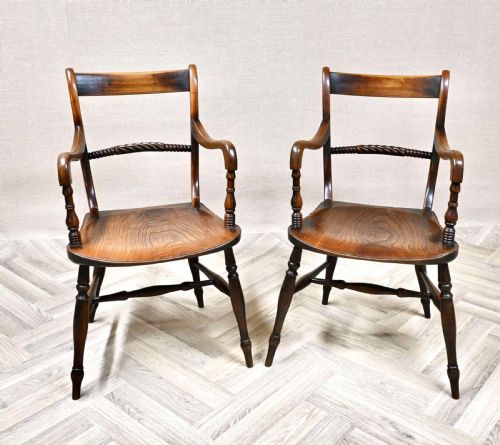
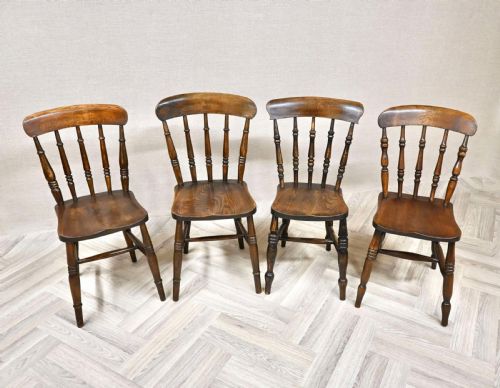
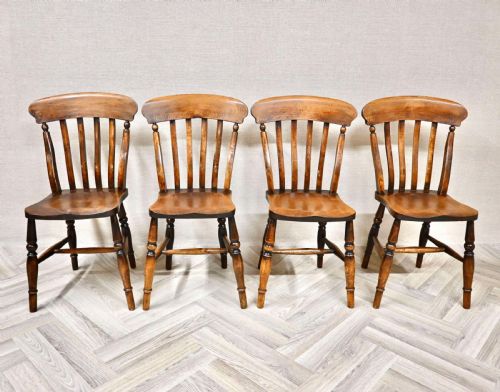
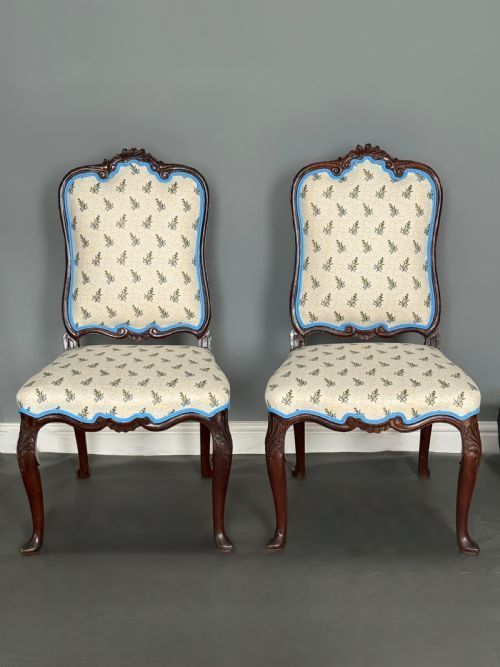
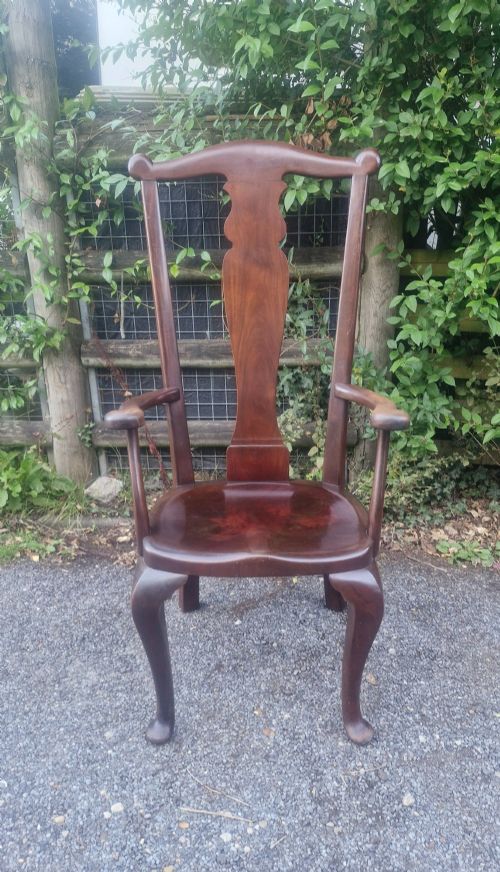
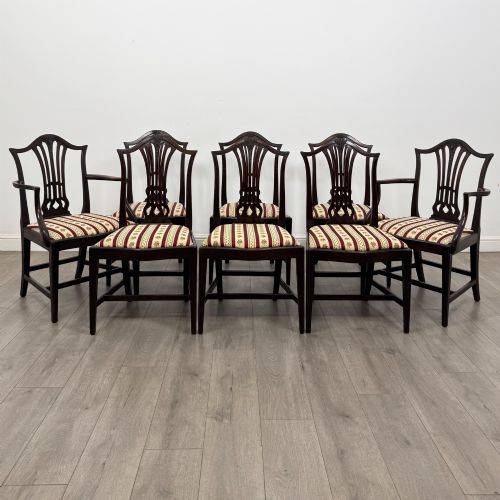
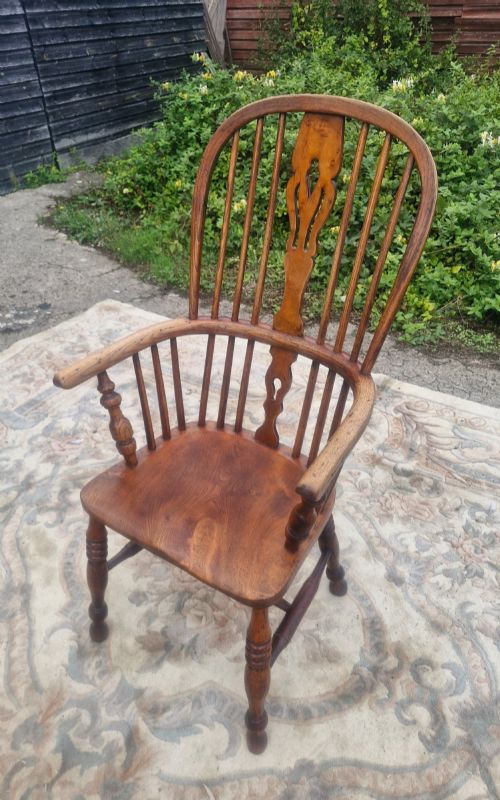
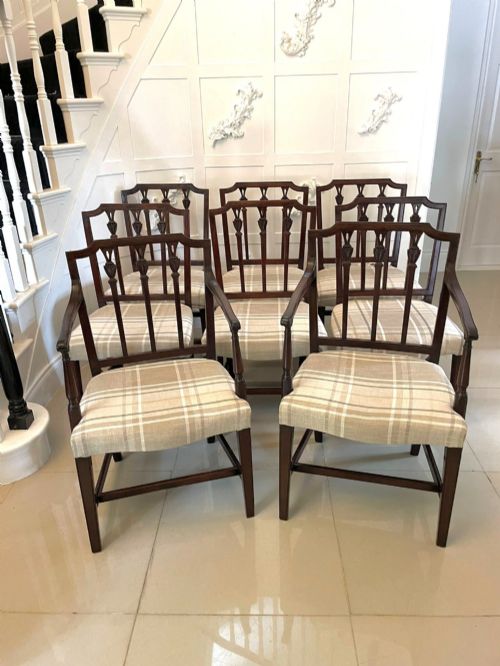
Traditional wood dining chairs bring enduring craftsmanship to the table, spanning robust country windsors and formal mahogany sets.
Traditional Wood Dining Chairs
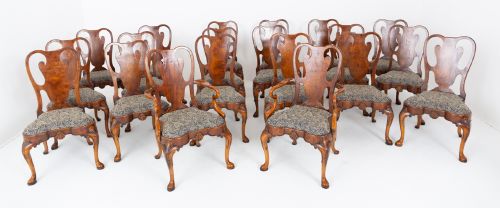
The selection ranges from single carvers and pairs to extensive matched dining sets numbering up to twenty pieces. These items appear across various historical periods, including the Georgian, Victorian, and Edwardian eras.
Formations vary widely between kitchen and dining spaces, utilising specific vernacular styles like windsor, balloon back, and shield back designs. Each configuration reflects the domestic habits and interior tastes of its original period.
Materials and construction methods
Cabinetmakers and country joiners relied heavily on timbers such as mahogany, elm, oak, ash, and beech to construct durable seating. Hardwoods provided the structural integrity required for legs and splats, while native timbers supported turned spindles and curved backs.
Joining techniques combined traditional mortise and tenon joints with steam bending to achieve resilient, organic curves. Surfaces were frequently hand-finished, leaving visible patinas and grain patterns that highlight the natural qualities of the wood.
Traditional Wood Dining Chairs Retail Price Guide 2026
Typical asking prices for traditional wood dining chairs among the pieces listed under this phrase on Sellingantiques today, from the lower quarter to the upper quarter. They describe what is for sale here now, not the wider market.
Current listings feature traditional wood dining chairs spanning the 18th, 19th, and 20th centuries, utilising mahogany, elm, ash, and oak.
Factors of quality and execution
Quality rests upon the selection of timber and the precision of the joinery rather than mere age. Superior examples display dense, well-figured wood grains and tight, uncompromised structural joints that withstand regular daily use.
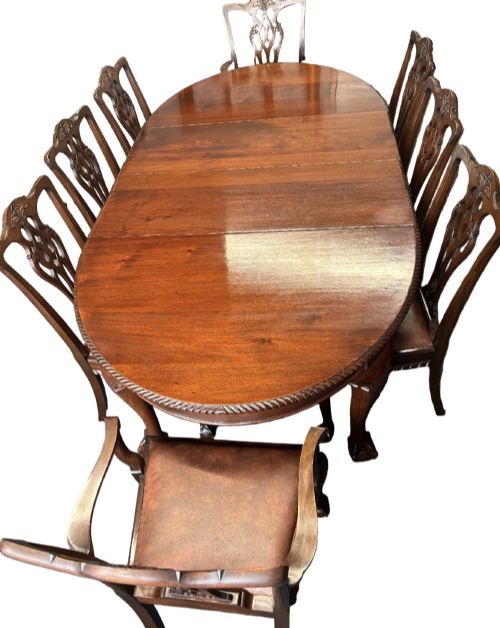
Carved details, such as ropework, pierced splats, or shield backs, demonstrate the carver's proficiency and patience. Consistent matching within larger dining sets further distinguishes higher-tier commissions from vernacular utility pieces.
The Traditional Wood Dining Chairs Glossary
- Windsor
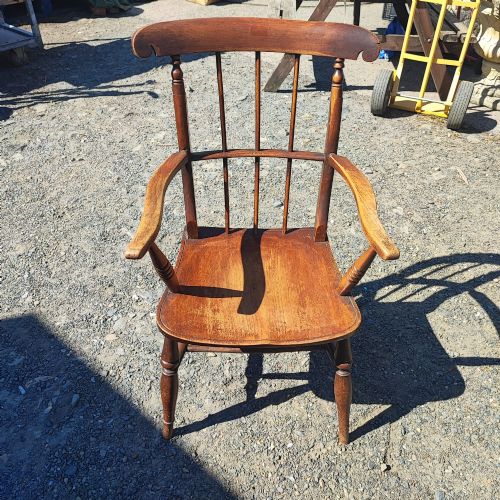
- A chair built with a solid wooden seat into which the legs and back spindles are directly inserted. This form originated in rural England and became a staple of farmhouse kitchens.
- Carver
- An armchair designed to match a set of single dining chairs, traditionally placed at the head of the table. These often feature more elaborate arm supports and wider proportions.
- Balloon back
- A rounded, continuous backrest shaped like an inflated balloon, popular during the Victorian period. This design allowed for comfortable lumber support and elegant carved ornamentation.
- Shield back
- A chair back shaped like a heraldic shield, popularized by 18th-century designers like Hepplewhite. The internal splat often incorporates carved wheat ears or drapery motifs.
- Lathe back
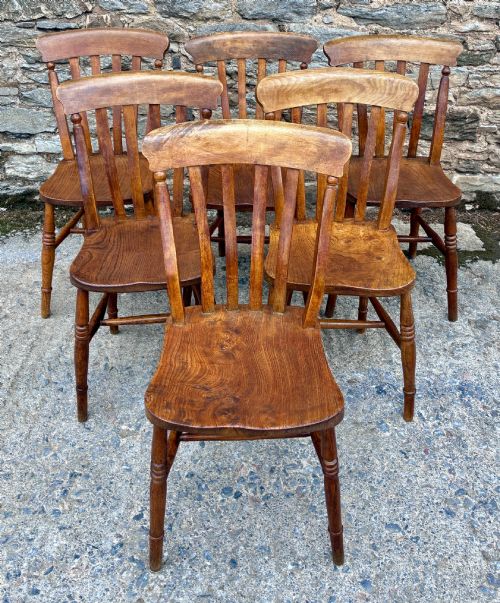
- A chair back featuring horizontal wooden slats turned on a lathe. These provide sturdy support while maintaining a simple, functional aesthetic.
Traditional Wood Dining Chairs: Frequently Asked Questions
How do I care for antique wood dining chairs?
Maintain stable indoor humidity levels to prevent the timber from drying out and splitting over time. Apply natural beeswax periodically to nourish the wood and preserve its historic patina.
Avoid placing chairs near direct heat sources or in strong sunlight, which can fade polished mahogany surfaces. Check joint tightness regularly to ensure structural stability during everyday dining use.
Can I mix different chair styles around one table?
Harlequin sets, consisting of mismatched yet complementary chairs, offer an authentic historical approach to furnishing a dining room. Grouping pieces with similar wood tones or periods creates visual interest while respecting historical context.
Ensure seat heights remain uniform across the mismatched pieces to guarantee comfortable dining for guests. Combining carvers at the table ends with simpler side chairs along the flanks works particularly well.
How do I identify a Victorian dining chair?
Victorian dining chairs frequently feature balloon backs or elaborate carved mahogany frames reflecting revivalist tastes. Upholstered slip seats or cane inserts often accompany these 19th-century domestic seating arrangements.
Examine the underside of the seat frame for tool marks, screw types, and timber oxidation indicative of 19th-century workshop practices. Elm and mahogany were the dominant woods utilised during this expansive period of manufacturing.