
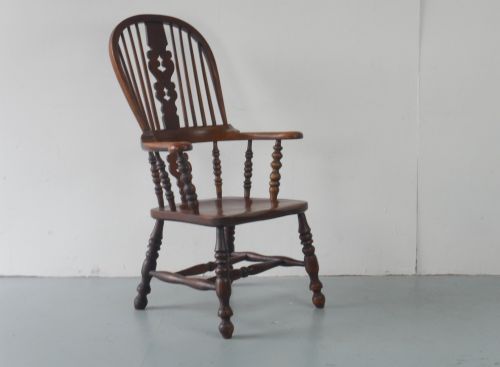
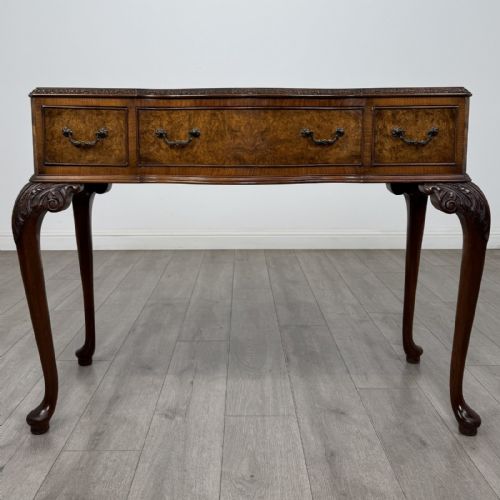
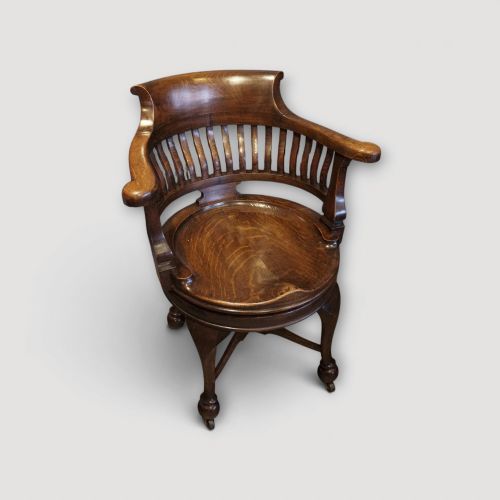
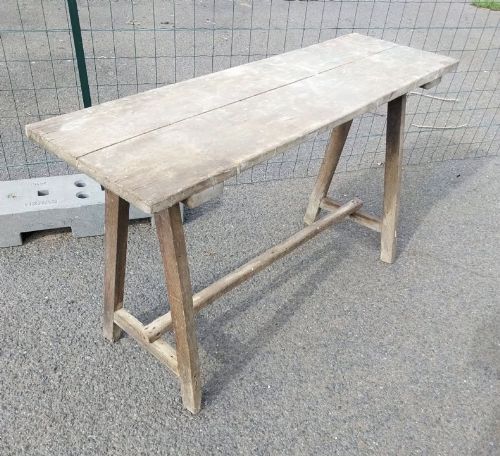
Traditional Wood Desk
Traditional wood desk options span centuries of cabinet-making, offering solid timbers like mahogany, oak, and elm configured for practical writing tasks.
Traditional Wood Desk
A traditional wood desk serves as a dedicated workspace, appearing across periods from the 18th century through the Edwardian era. These pieces incorporate practical writing surfaces, drawers, and compartments.
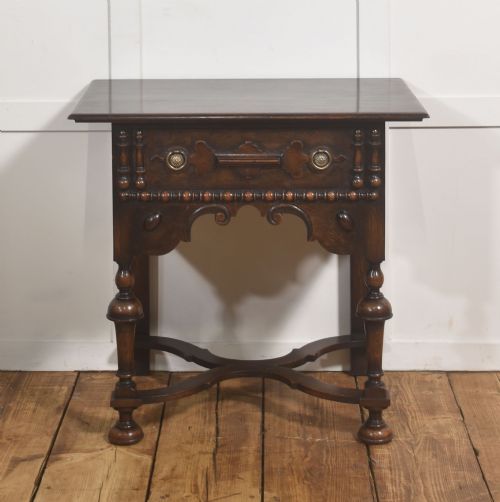
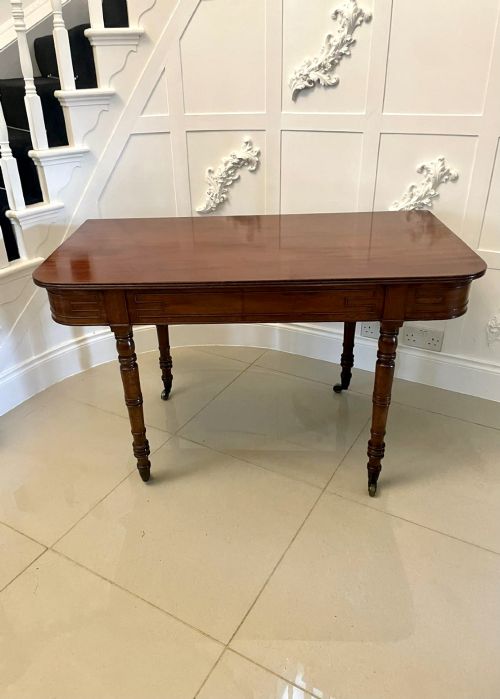
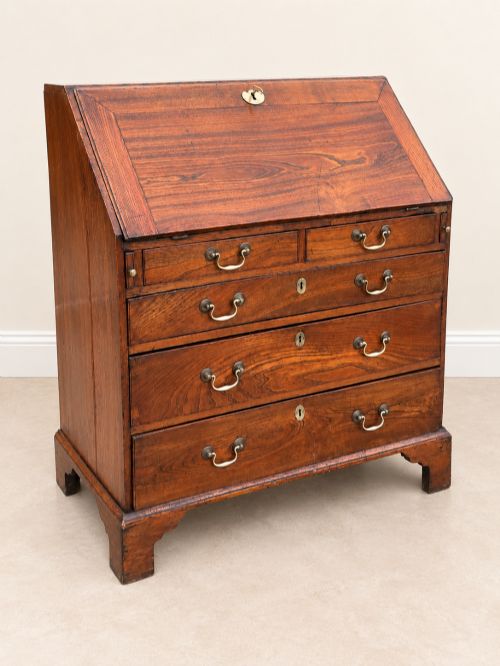
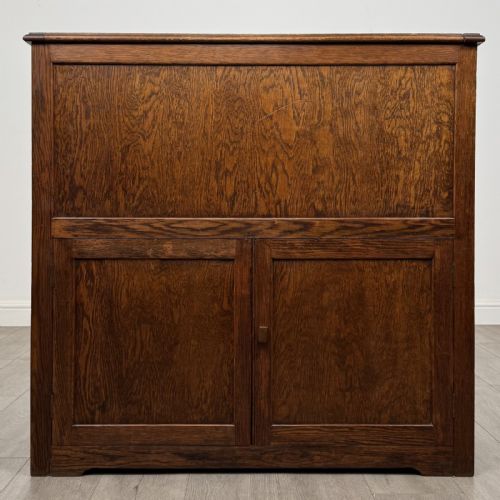
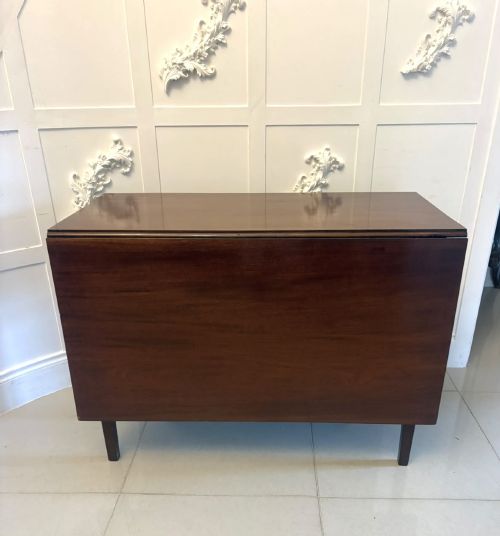
The selection here includes writing tables, kneehole desks, and drop-front bureaux. Examples emerge in oak, mahogany, and walnut, reflecting both formal Georgian designs and utilitarian Edwardian forms.
How they were made
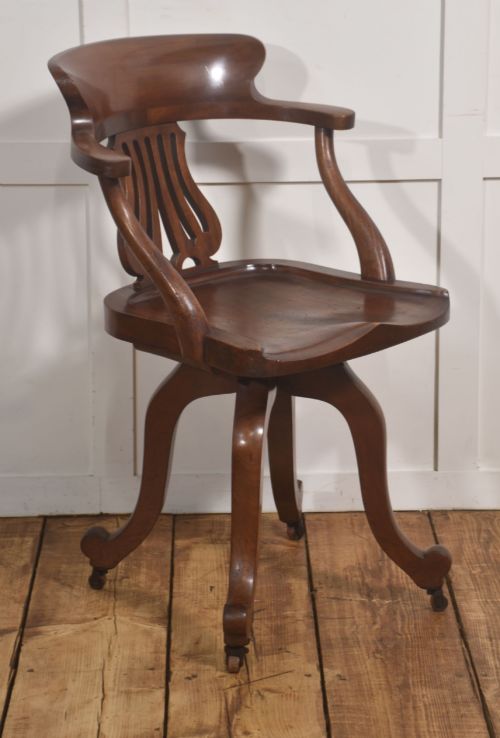
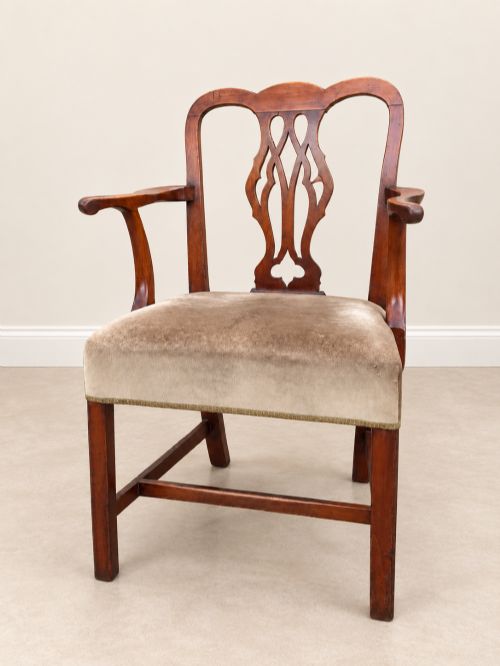
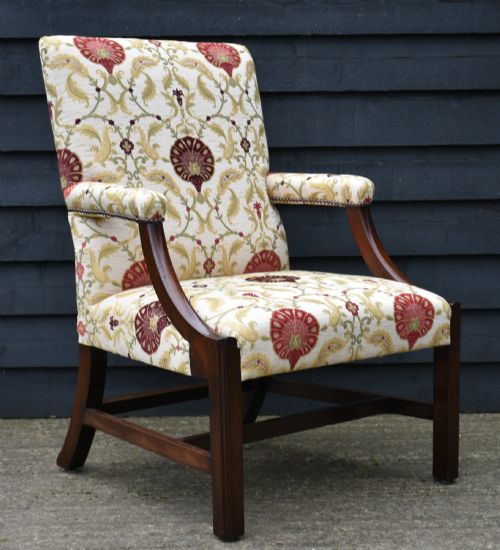
Cabinet-makers utilised dense hardwoods such as mahogany and oak for structural integrity and longevity. Secondary timbers like elm and beech appear in chair frames and internal framing.
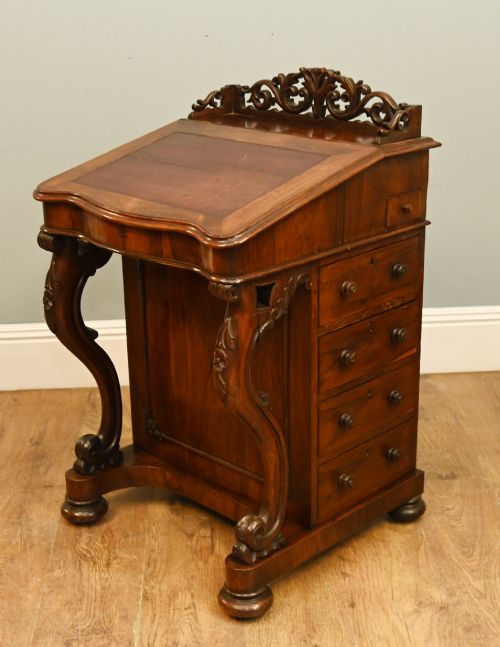
Joinery methods relied on traditional dovetails for drawer construction and mortise and tenon joints for frames. Surfaces received polished finishes, occasionally complemented by inset leather writing pads and brass hardware.
Several desks retain their original keys, unlocking hidden compartments designed for private correspondence.
What varies in quality
The grade of timber selection distinguishes standard items from superior pieces, with figured veneers and solid mahogany demonstrating higher craftsmanship. Drawer construction reveals meticulous hand-cut dovetails rather than mechanical fastening.
Original hardware, intact leather inserts, and retained surface patination elevate a piece's integrity. Maker marks or stamps provide tangible evidence of workshop provenance.
Trollope & sons
The Traditional Wood Desk Glossary
- Bureau
- A sloping desk with a hinged flap that folds down to reveal a writing surface and pigeonholes. It often sits atop a chest of drawers.
- Kneehole desk
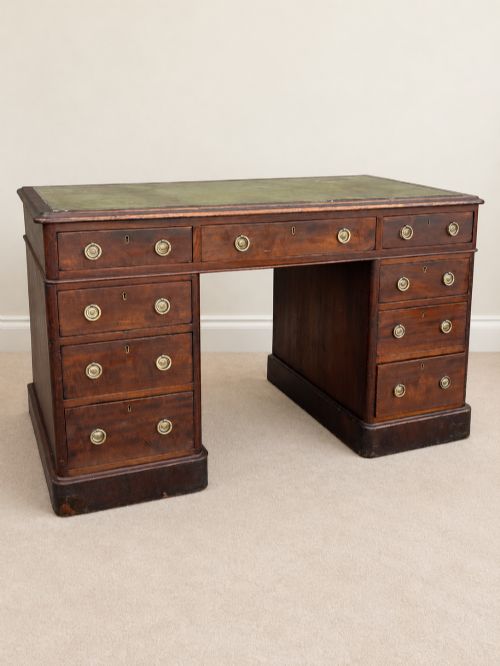
- A freestanding desk featuring a central recess for the user's legs, flanked by pedestals containing multiple drawers.
- Tambour
- A sliding door or shutter constructed from narrow vertical strips of wood glued to a canvas backing. This mechanism conceals interior compartments on specific writing desks.
- Dovetail
- A joint formed by interlocking wedge-shaped fingers, commonly used in drawer construction to ensure tensile strength.
Traditional Wood Desk: Frequently Asked Questions
How do I identify a Georgian desk?
Georgian desks typically display restrained classical proportions, premium mahogany construction, and hand-cut dovetails within the drawer linings. Brass swan-neck handles and bracket feet often complete the composition.
Later Victorian and Edwardian interpretations tended to introduce heavier carvings, alternative timbers like oak or walnut, and more varied interior configurations for stationery storage.
What is a kneehole desk?
A kneehole desk is a pedestal form featuring two banks of drawers separated by a central recess for seating. This layout provides substantial surface area alongside enclosed storage.
Such pieces function effectively as freestanding partners desks or against walls in studies and libraries.
How should I care for an antique wood surface?
Maintain antique timber surfaces by applying quality beeswax polish sparingly and buffing with a soft cloth. Avoid placing wooden desks near direct heat sources or in strong sunlight to prevent warping and fading.
Keep leather writing inserts conditioned with appropriate balms designed for historic bookbindings and furniture leather.
Are these desks suitable for daily computer use?
Many traditional writing tables and kneehole desks accommodate modern laptops and desktop accessories comfortably. Drawer depths and kneehole clearances vary, so measuring workspace requirements against specific internal dimensions remains advisable.
Drop-front bureaux require careful management of the folding writing flap when supporting modern technology.