
Traditional Wood Chest
A traditional wood chest brings warmth and historic utility to a room, offering enduring storage in oak, mahogany, pine and camphor.
Traditional Wood Chest
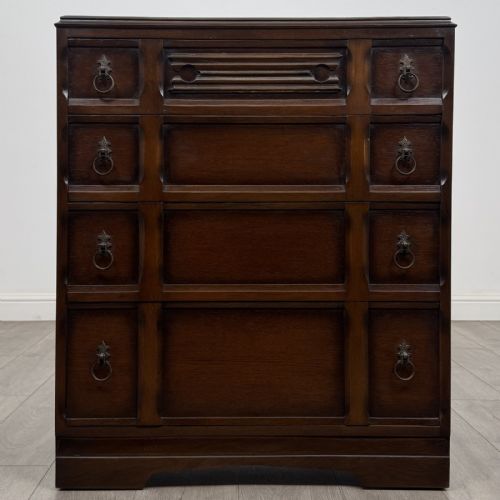
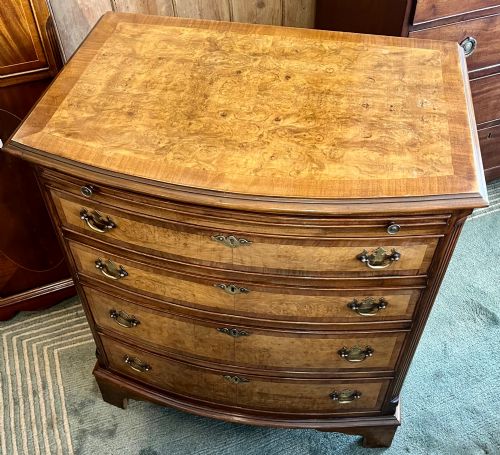
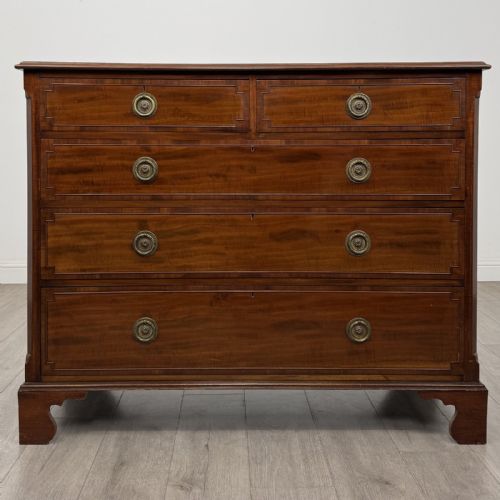
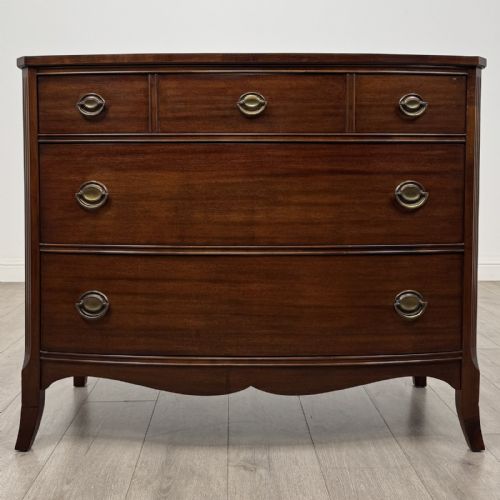
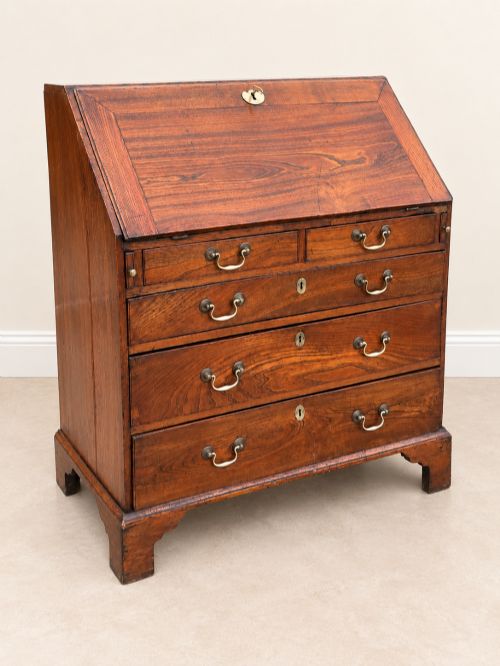
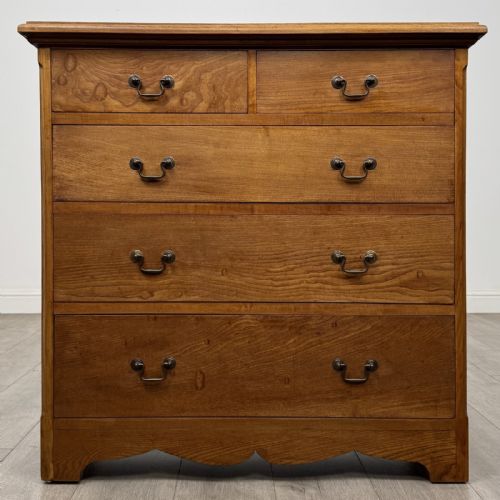
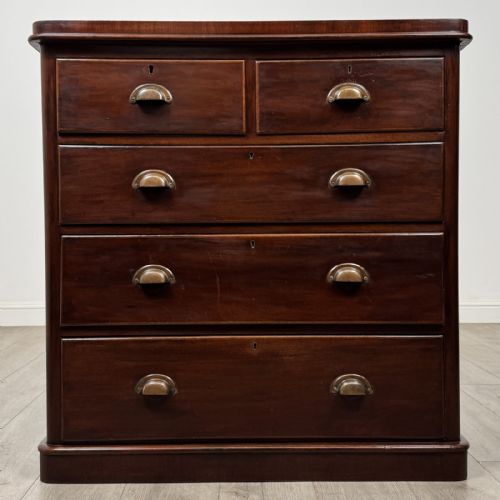
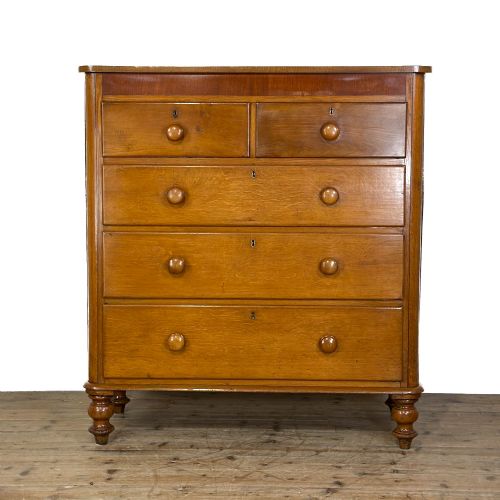
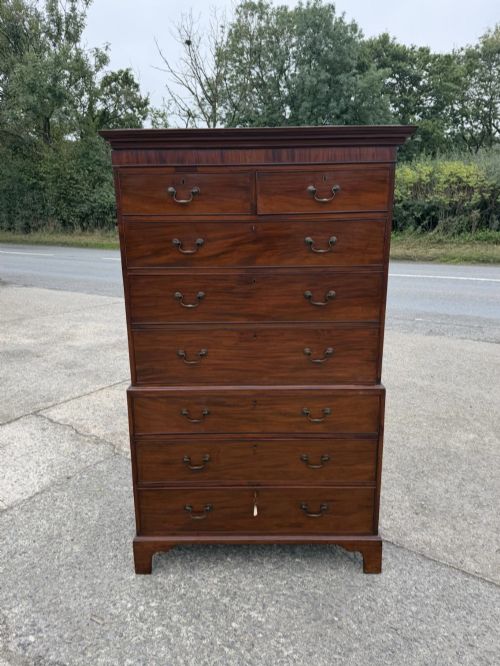
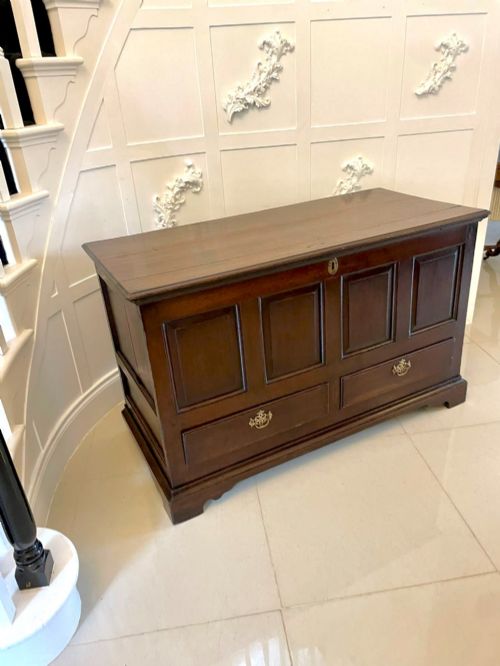
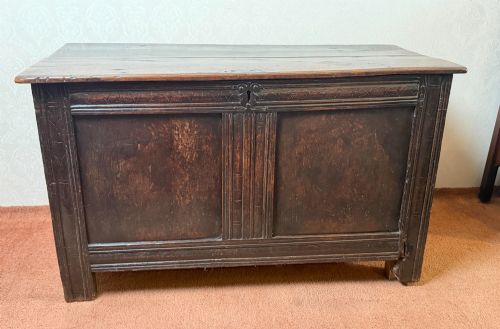
A traditional wood chest encompasses a variety of storage forms, ranging from six-plank coffers and blanket boxes to multi-drawer chests in mahogany, oak, and pine. These pieces served practical domestic storage needs across centuries, evolving from sturdy coffers into sophisticated drawer arrangements.
Buyers on this page are most likely to encounter Victorian and Edwardian iterations, alongside Georgian examples in mahogany and oak. Forms span from bedside chests and tall drawers to large carved coffers and campaign-style camphor wood trunks.
How they were made
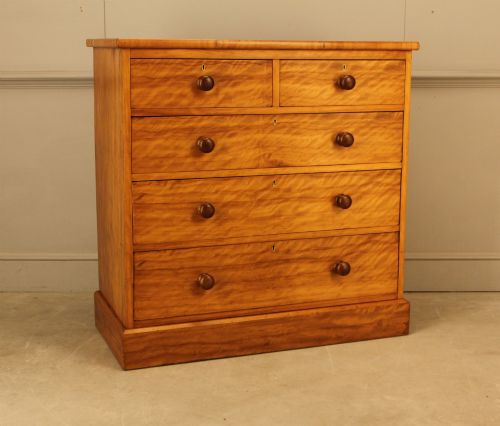
Cabinet makers utilised solid timbers such as oak, elm, ash, and pine for structural integrity, often applying flame mahogany veneer to primary surfaces for visual depth. Construction methods varied from simple pegged joints in early coffers to dovetailed drawer boxes in later Georgian and Victorian pieces.
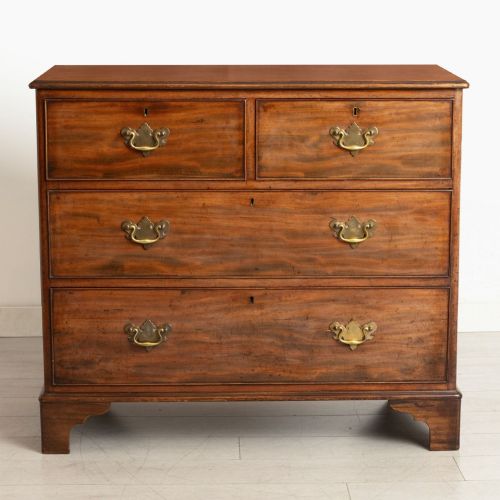
Hardware played a functional and decorative role, featuring brass handles and iron fittings secured to the wood. Surface treatments ranged from wax finishes that highlighted natural grain to intricate linenfold and geometric carving on revival pieces.
Camphor wood chests carried the scent of the East across the seas, serving as aromatic sea trunks that kept mothballs permanently out of a job.
What varies in quality
Quality rests in the selection of timber and the precision of the joinery, distinguishing utilitarian storage from fine cabinet work. Solid secondary woods, neatly dovetailed drawer linings, and well-figured mahogany veneers indicate superior craftsmanship.
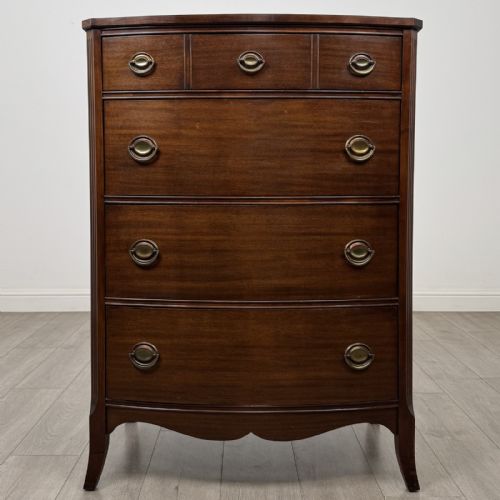
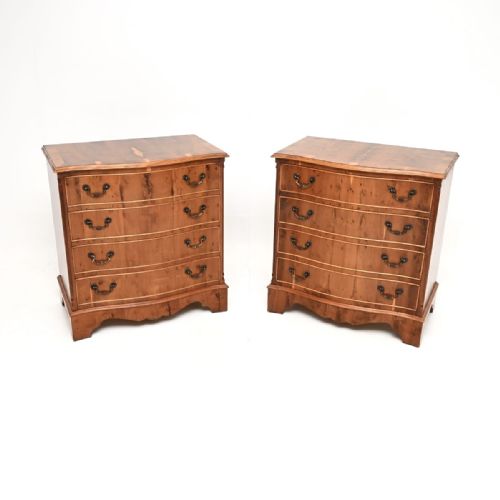
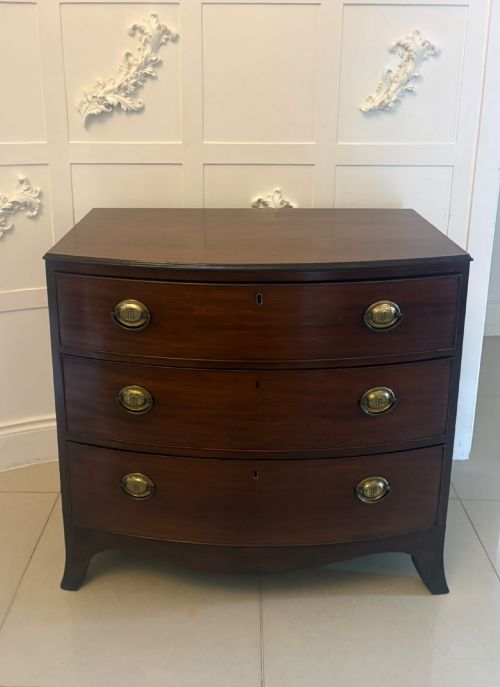
Proportion and detailing further separate pieces, seen in crisp carving, well-chosen brass hardware, and balanced drawer arrangements such as two-over-three configurations. Integrated design elements like bow fronts and serpentine shapes require advanced woodworking skill.
Warings Liverpool
The Traditional Wood Chest Glossary
- Coffer
- A heavy wooden chest traditionally used for storing valuables or linens. These often feature simple plank construction or carved panels.
- Bow front
- A convex curved front facade common on mahogany chests of drawers. This decorative shape became popular during the Georgian and Victorian periods.
- Dovetail
- A joint formed by interlocking wedge-shaped fingers, used extensively in drawer construction. Fine, tight dovetails indicate skilled cabinet making.
- Linenfold
- A style of relief carving resembling folded fabric, frequently seen on oak panels of early chests and coffers.
- Camphor wood
- An aromatic timber utilised for travel trunks and chests to protect contents from insects. Its distinct scent distinguishes it from standard domestic hardwoods.
Traditional Wood Chest: Frequently Asked Questions
What is the difference between a coffer and a chest of drawers?
A coffer is a deep box with a lid accessed from the top, designed primarily for bulk storage in earlier centuries. A chest of drawers incorporates horizontal sliding compartments accessed via pulls on the front facade.
Coffers generally predate the widespread use of multi-drawer chests in domestic interiors. They reflect a time when garments were folded rather than hung or stacked in shallow bays.
How do I care for a traditional wood chest?
Maintain the timber by applying a quality natural wax periodically to nourish the surface and prevent drying. Keep the piece away from direct sunlight and heat sources to avoid wood splitting.
Ensure humidity levels in the room remain relatively stable. Avoid using modern silicone-based polishes that can build up and damage historic finishes.
Where were bedside chests placed historically?
Bedside chests and nightstands sat adjacent to sleeping quarters to hold chamber pots, candles, or nighttime necessities. They emerged in matched pairs or single units during the Georgian and Victorian eras.
These smaller forms scaled down the proportions of full-size drawer chests while retaining the same timber choices and hardware details.
What woods were commonly used in traditional chests?
Oak and elm dominated early centuries for their strength and abundance in domestic furniture. Mahogany gained immense favour during the Georgian period for fine case pieces and veneer work.
Pine and pitch pine served as reliable secondary or primary woods for regional farmhouse furniture. Camphor wood was selected specifically for travel trunks due to its natural protective qualities.