

Traditional Wood Carver Chair
A traditional wood carver chair provides sturdy support with distinctive armrests, drawing many buyers to classic mahogany and elm designs.
Traditional Wood Carver Chair
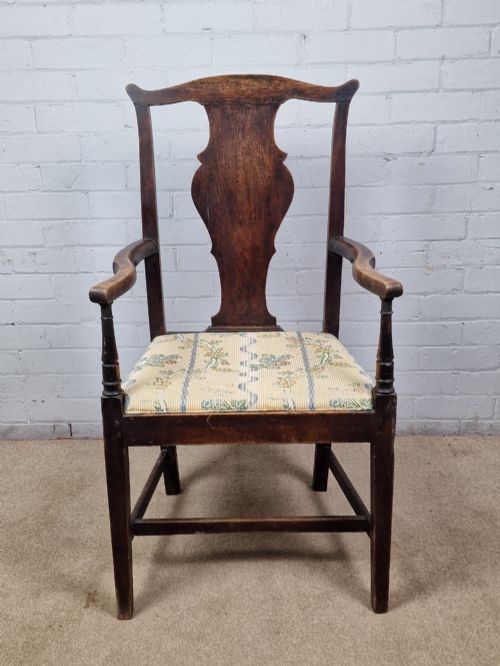
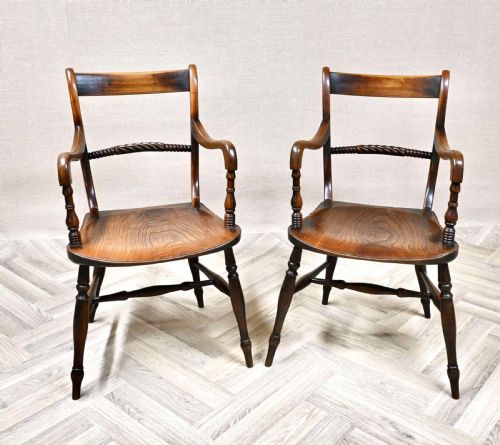
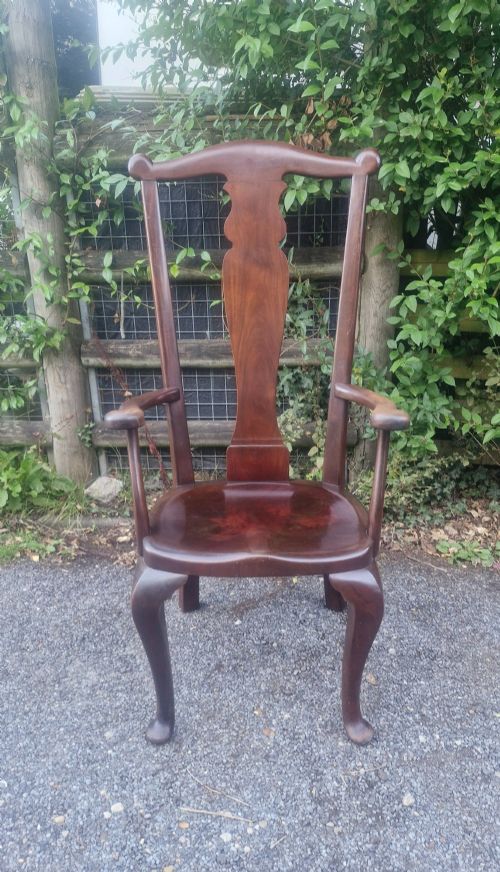
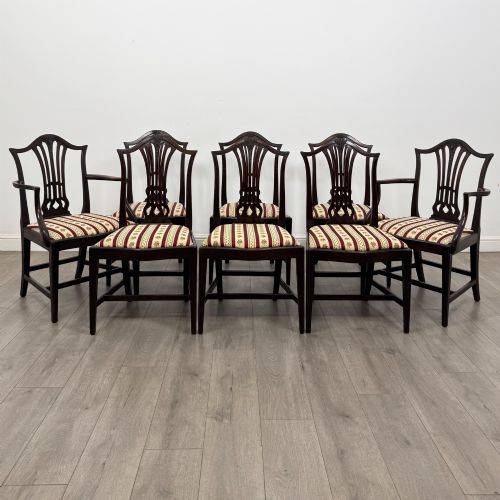
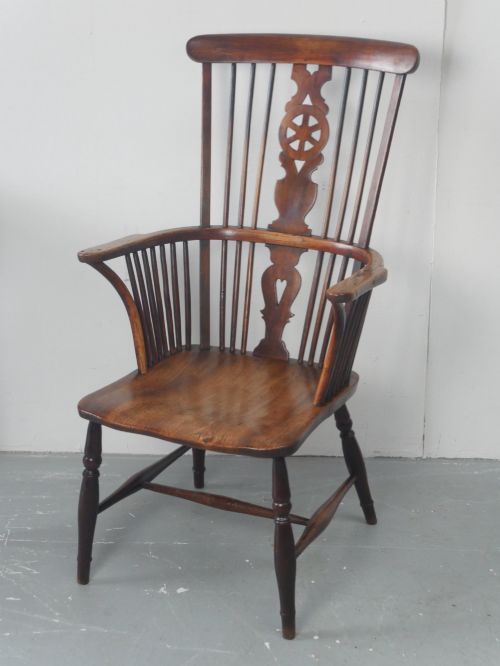
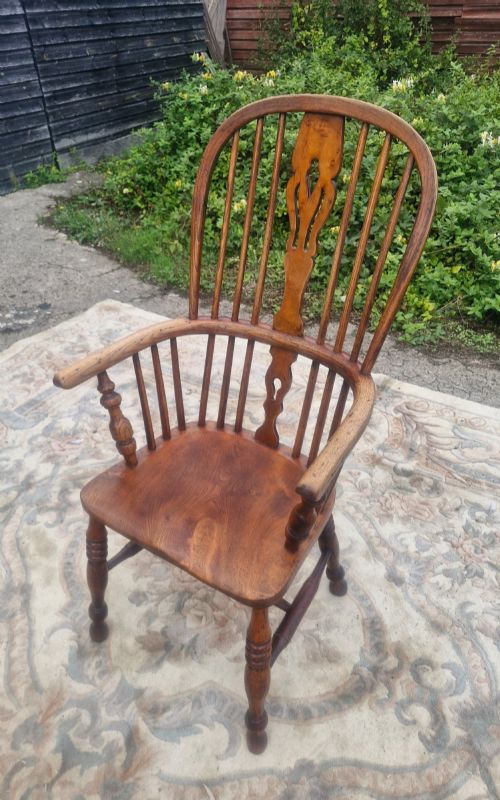
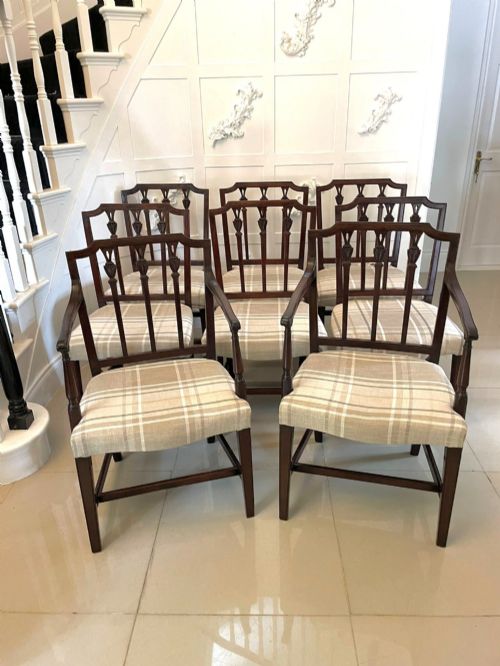
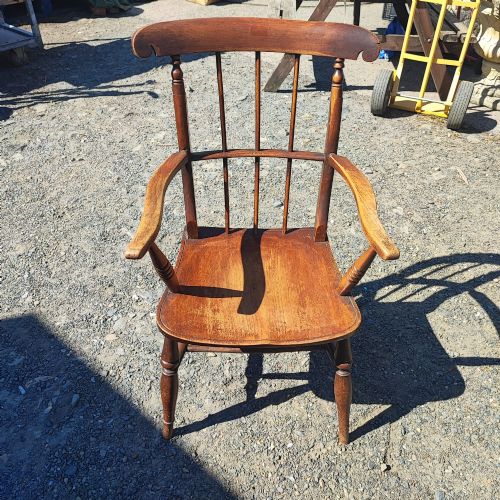
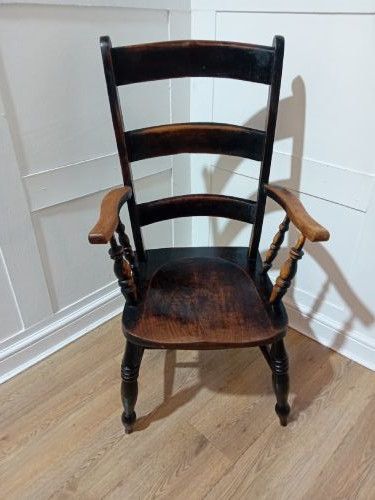
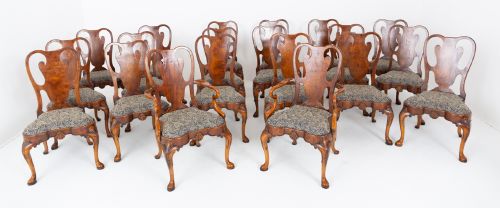
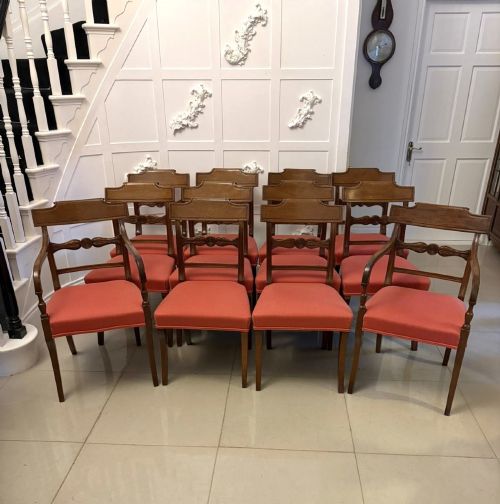
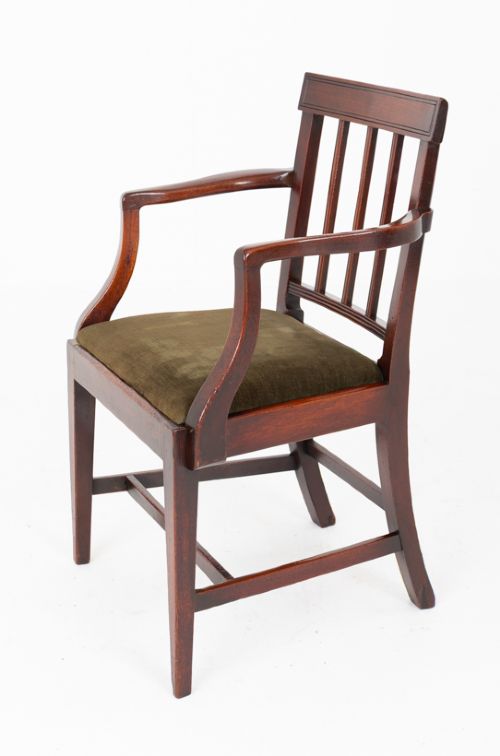
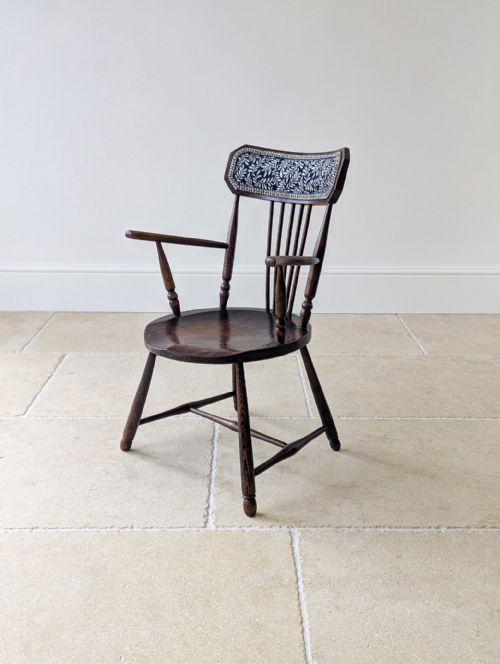
A traditional wood carver chair encompasses substantial elbow-chairs, robust Windsor armchairs, and formal dining carvers appearing across Georgian, Victorian, and Edwardian periods. Buyers encounter heavy English country vernacular forms alongside refined mahogany seating designed for formal dining rooms.
The selections span rustic country armchairs built from mixed timbers to grand sets of mahogany dining chairs featuring open arms. Most pieces originate from British workshops, reflecting regional variations from Thames Valley designs to Windsor traditions.
Materials and Construction
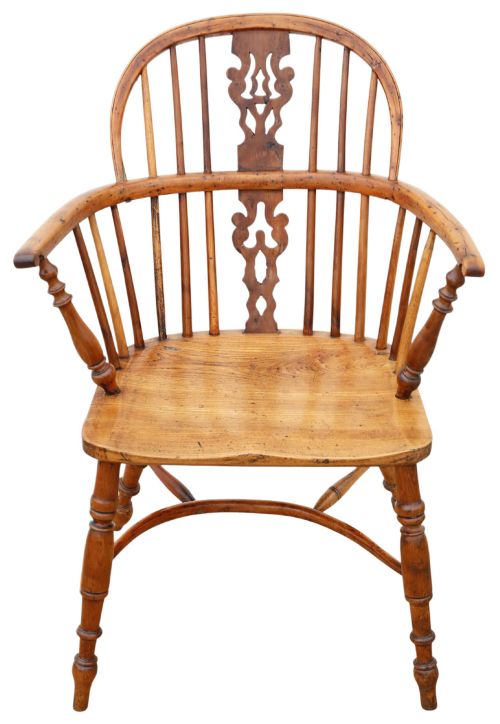
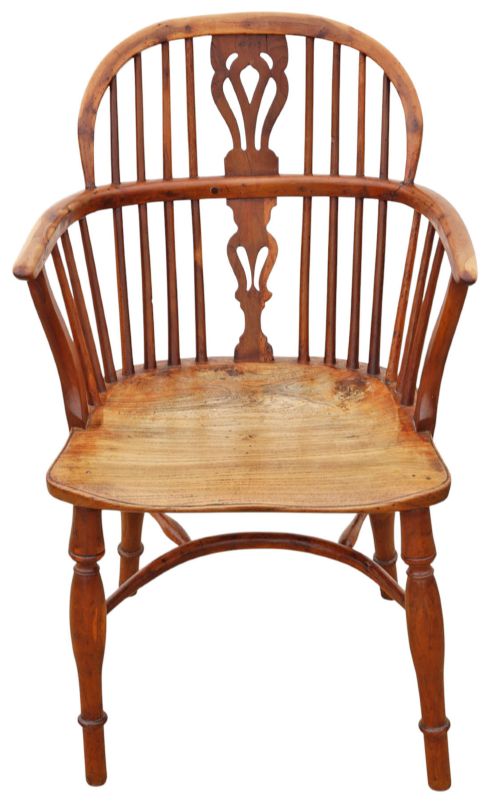
Carpenters utilised native timbers including elm, ash, yew wood, and oak for country seating, often combining bentwood bows with solid plank seats. Formal carvers rely on dense mahogany joined with traditional mortise and tenon techniques.
Surfaces frequently retain original patination or finish, while certain variations incorporate cane seats, leather upholstery, or fabric pads. Joinery methods prioritise structural longevity in high-stress areas like arm supports and high backs.
Certain nineteenth-century country chairs bear subtle carpenter marks beneath the seat, recording the quiet hand of the rural maker.
Distinctions in Standard
The standard of a carver rests on the selection of timber grain, particularly in figured mahogany or combined yew and elm chairs. Expert turning on spindle backs and balanced proportions in the armrests separate superior examples from ordinary production.
Integrity of the frame and retention of original finish dictate the standing of older seating. Examples retaining crisp carved details or uncompromised country construction command greater attention from discerning buyers.
Philip Clissett·Alfred Allen of Birmingham
The Traditional Wood Carver Chair Glossary
- Carver chair
- An armchair designed with open sides to accommodate wider clothing, frequently produced as part of a dining set alongside single chairs.
- Windsor
- A traditional wooden chair featuring a solid saddle-shaped seat into which the legs and back spindles are wedged directly.
- Elbow-chair
- A term used interchangeably with a carver, denoting a seat fitted with supporting arms for the occupant.
- Shield back
- A late eighteenth-century chair back design shaped in the outline of a shield, popularised during the Georgian era.
- Barback
- A chair design featuring a horizontal wooden slat across the upper back, often associated with nineteenth-century vernacular seating.
Traditional Wood Carver Chair: Frequently Asked Questions
How do I use a carver chair?
These chairs function well at the heads of a dining table or as standalone seats in a study or hallway. Their supportive arms provide comfortable seating for reading or formal meals.
Position them away from direct heat sources to protect the historic timber and any leather or fabric components. Regular dusting maintains the natural finish of the wood.
What timber is most common?
Mahogany appears frequently in formal dining carvers from the Georgian and Victorian eras. Country chairs utilise native woods like elm, ash, and yew.
Combinations of yew and elm are typical in traditional Windsor seating. Each timber brings distinct grain patterns and structural properties to the piece.
Are carver chairs sold in sets?
Many formal dining chairs appear as matched sets that include one or two carvers alongside several single chairs. Country armchairs more commonly present individually or as pairs.
Buyers often pair single carvers with existing dining tables or mix them into eclectic room schemes. Sets with multiple carvers remain practical for larger dining spaces.
How do I date an older chair?
Dating relies on observing construction methods, tool marks, and stylistic indicators such as shield backs or rope twists. Periods range from eighteenth-century Georgian to early twentieth-century revival styles.
Matching the timber species and finish characteristics to documented eras helps establish the approximate decade of manufacture. Consulting regional design traits further clarifies the origin.