


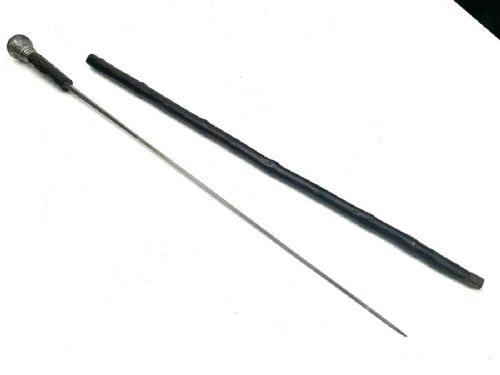

Traditional Wood Cane
These traditional wood cane pieces range from robust walking sticks to seating frames woven with natural cane, offering both practical support and historical craft.
Traditional Wood Cane
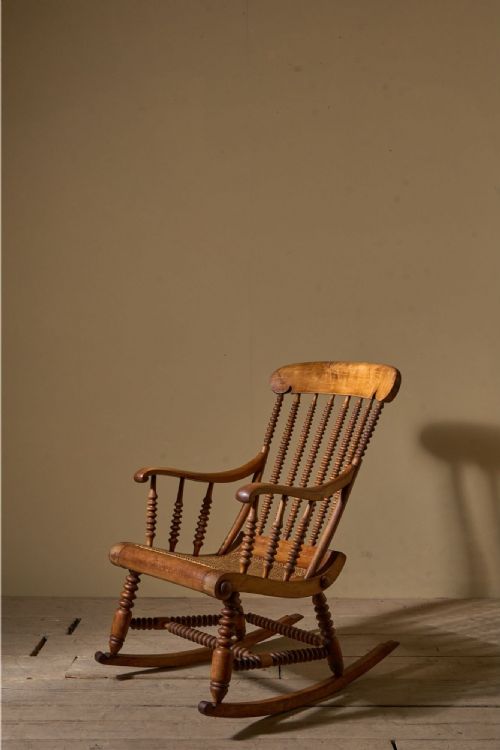
When you search for traditional wood cane, you encounter a diverse selection of items spanning walking sticks, dining chairs, armchairs, and rocking chairs. The materials include natural woods such as mahogany, oak, beech, and walnut, often paired with woven cane seating panels or built as solid turned supports.
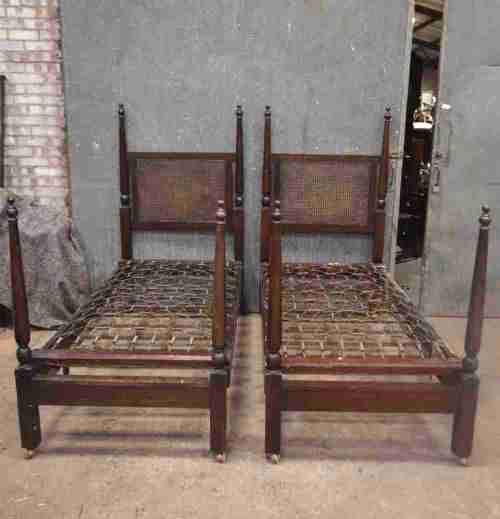
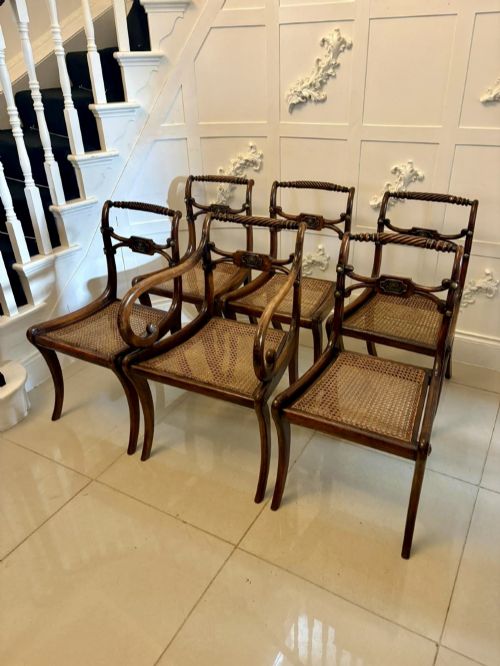
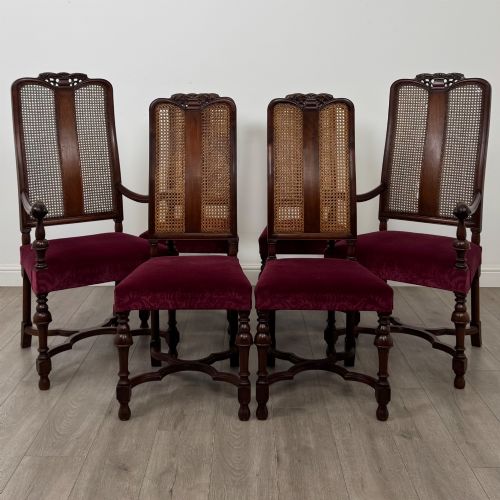
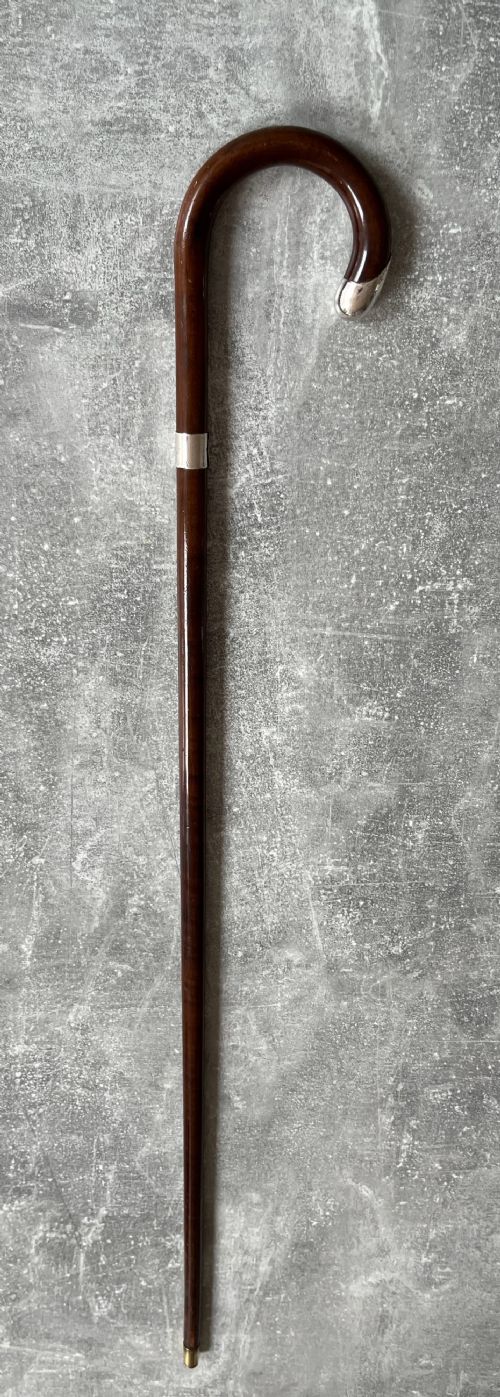
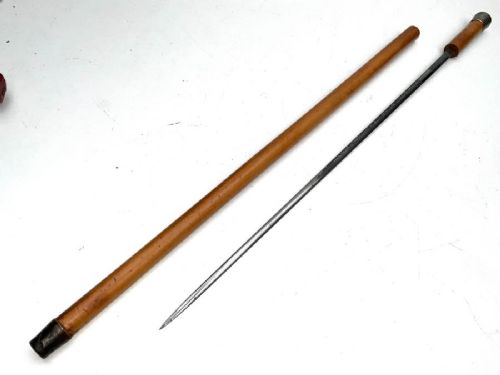
You are most likely to meet Victorian and Edwardian examples on this page, alongside pieces from the Regency period and the early twentieth century. Walking sticks feature heavily, sometimes incorporating silver mounts or hidden sword blades, while seating ranges from bergere four-poster single beds to dining chair sets.
The selection also includes umbrella stands, high chairs, and rocking chairs reflecting regional styles like Victorian Country, Colonial Revival, and Carolean Revival. Each object demonstrates the practical utility and decorative craftsmanship valued across the nineteenth and twentieth centuries.
How they were made
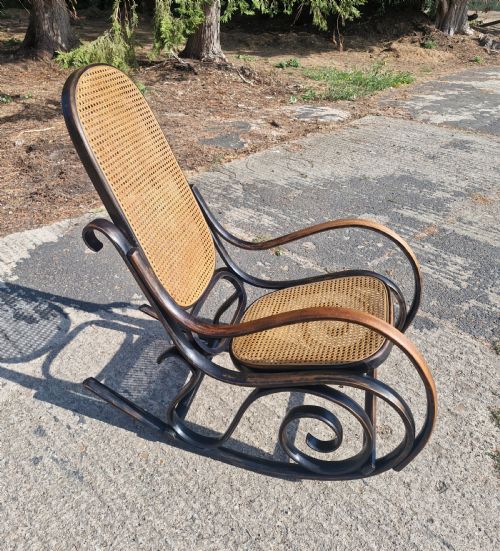
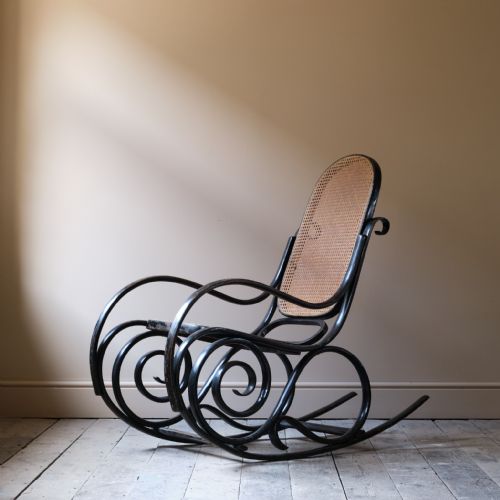
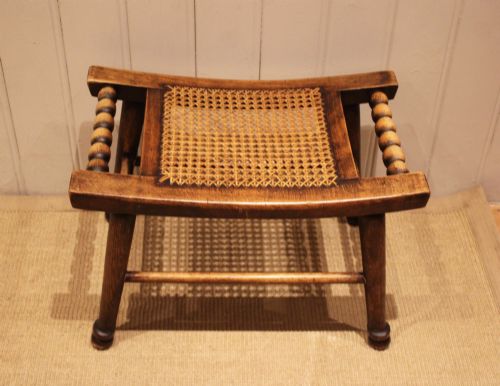
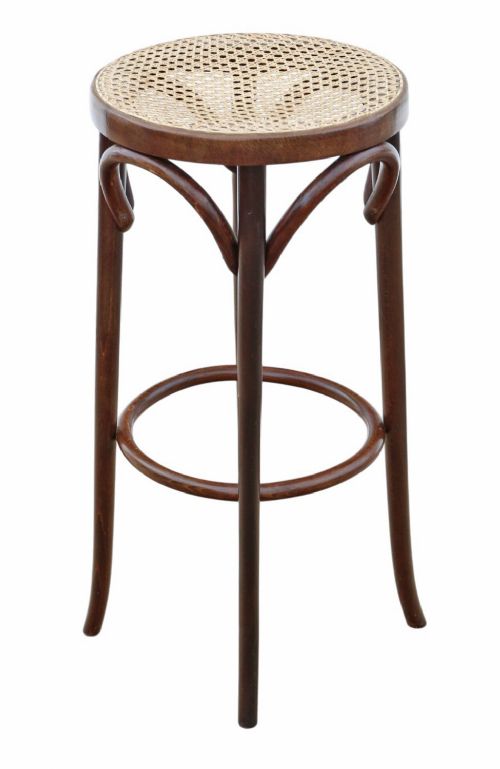
Maker workshops utilised solid hardwoods such as mahogany, oak, and beech for structural frames, turning wood on lathes for components like bobbin-turned spindles and chair legs. Bentwood techniques allowed straight timber to be steamed and curved into smooth, continuous lines for rocking chairs and high stools.
For seating elements, craftsmen wove natural cane into tight mesh patterns across chair backs and seats, securing the material within carved grooves. Metal components such as brass, steel, and silver mounts were added to walking sticks and riding crops for reinforcement and decoration.
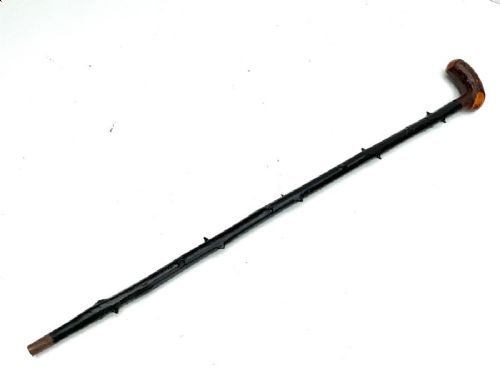
A thorn wood folk art walking stick brings an unexpected touch of untamed woodland directly into the hallway.
What varies in quality
The standard of a piece depends on the integrity of the timber framing and the tightness of the woven cane work. Superior examples show precise joinery, well-turned spindles, and durable natural materials that withstand daily handling.
Additional refinement appears in decorative elements such as hallmarked silver mounts on walking sticks, carved revival details on chair frames, and polished mahogany finishes. Lesser pieces display simpler construction and heavier wear across the woven panels.
The Traditional Wood Cane Glossary
- Bergere
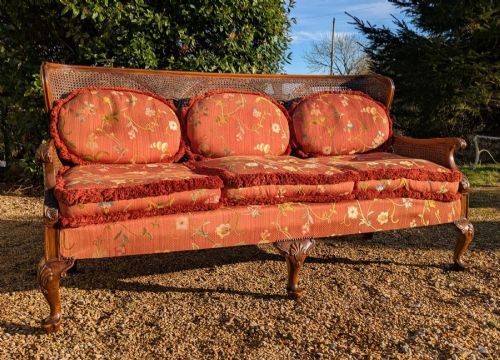
- An upholstered armchair or sofa with a solid wooden frame and cane lattice panels on the back and sides. This style gained popularity during the eighteenth century and continued through later revival periods.
- Bentwood
- Wood that has been heated with steam to make it pliable and then bent into curved shapes. It is commonly utilised in the production of lightweight rocking chairs and tall stools.
- Bobbin turned
- A method of woodturning that creates a series of rounded, spherical shapes resembling bobbins along the length of a furniture leg or spindle. This decorative turning technique appears frequently on nineteenth-century chairs.
- Carver
- An armchair designed to match a set of dining chairs, traditionally placed at the head of the dining table. These chairs feature armrests while the accompanying single chairs remain armless.
- Spindle back
- A chair back constructed with a row of thin, turned wooden rods connecting the top rail to the seat. This design provides lightweight structural support.
Traditional Wood Cane: Frequently Asked Questions
What is a cane seat?
A cane seat is formed by weaving processed rattan or natural plant material into an open mesh pattern across a wooden frame. This method creates a flexible and breathable surface for chairs and stools.
Craftsmen secure the woven cane into a channel carved around the perimeter of the seat opening, often finishing the edge with a decorative spline.
How are walking sticks dated?
Walking sticks are dated by examining the materials, construction methods, and any metal mounts or hallmarks present on the handle. Silver mounts often carry assay office marks and date letters.
Natural form sticks and carved folk art pieces rely on stylistic indicators and wood types to place them within specific nineteenth or twentieth-century periods.
How do I care for cane furniture?
Cane furniture requires stable humidity levels to prevent the natural plant fibres from drying out and becoming brittle. Regular dusting with a soft brush keeps the mesh clean.
Occasional dampening with a sponge can help maintain the moisture content of older cane, keeping the woven strands flexible.
What is bentwood furniture?
Bentwood furniture is made by steaming solid timber until it softens, allowing artisans to bend the wood into graceful curves. This technique eliminates the need for complex joinery.
It results in lightweight yet resilient frames commonly seen in rocking chairs and tall stools from the late nineteenth and early twentieth centuries.