

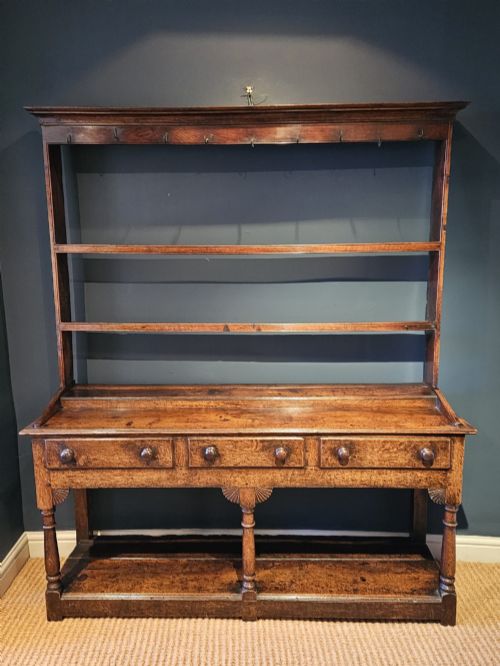
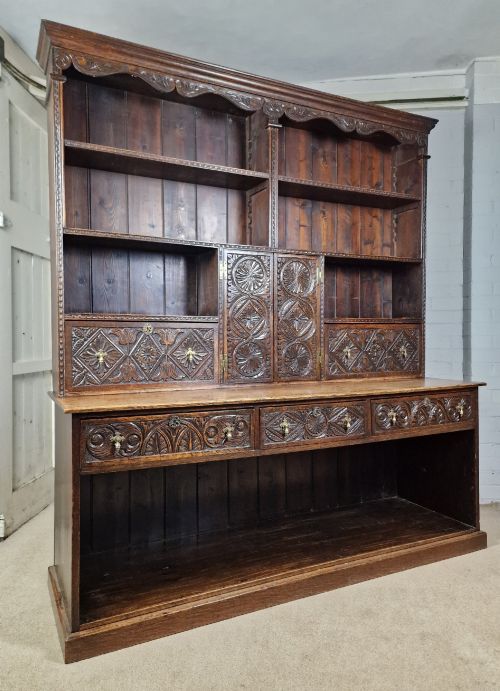
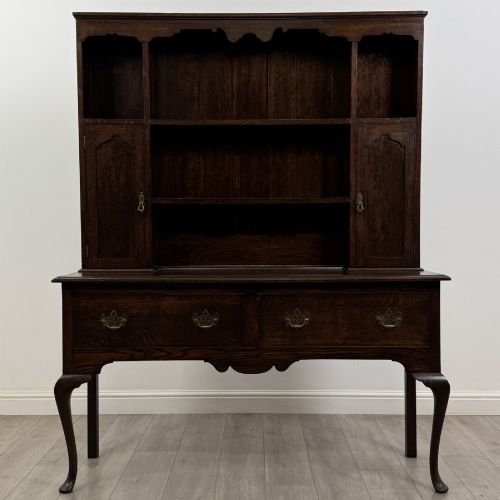
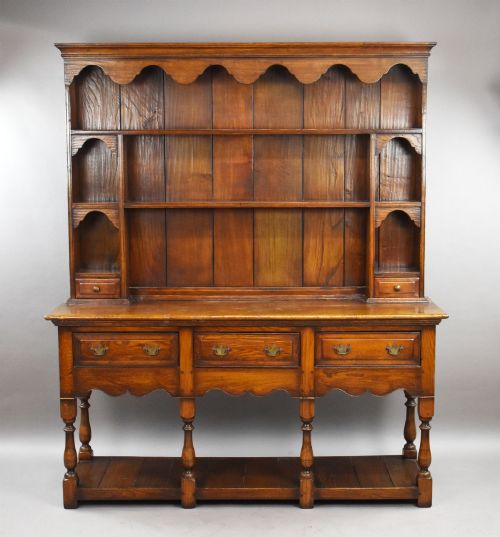
Traditional Welsh Sideboard
A traditional welsh sideboard is a sturdy country storage piece designed for family kitchens and dining rooms.
Traditional Welsh Sideboard
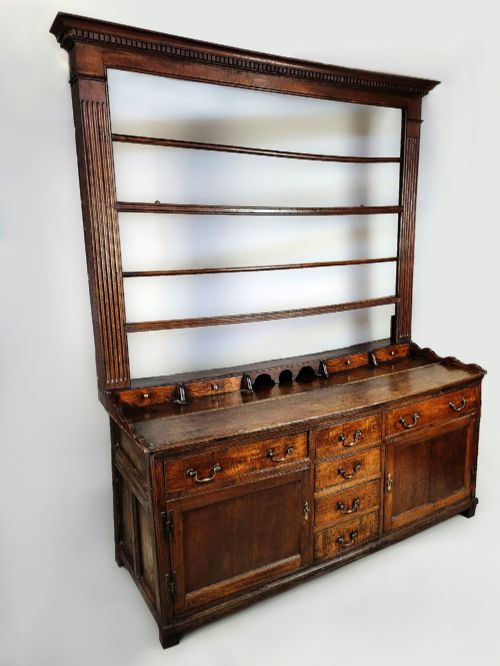
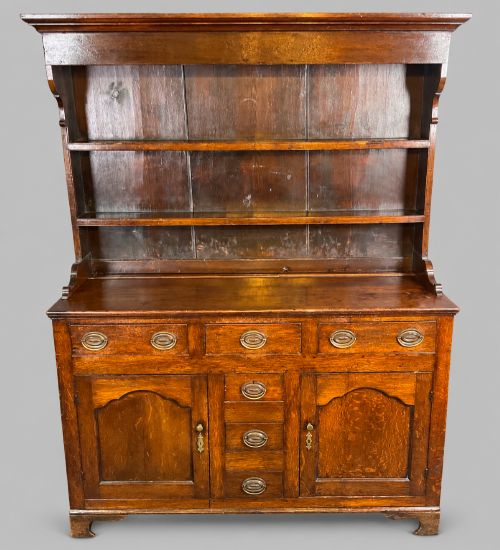
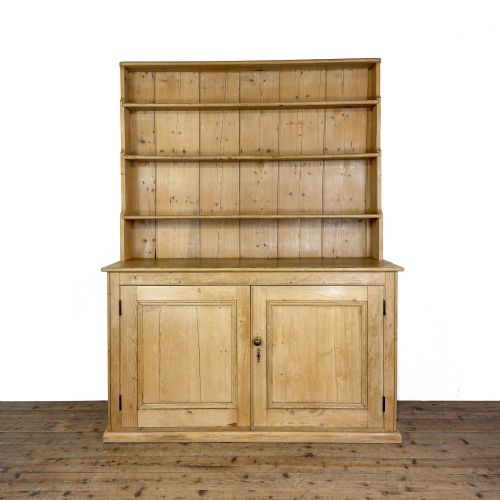
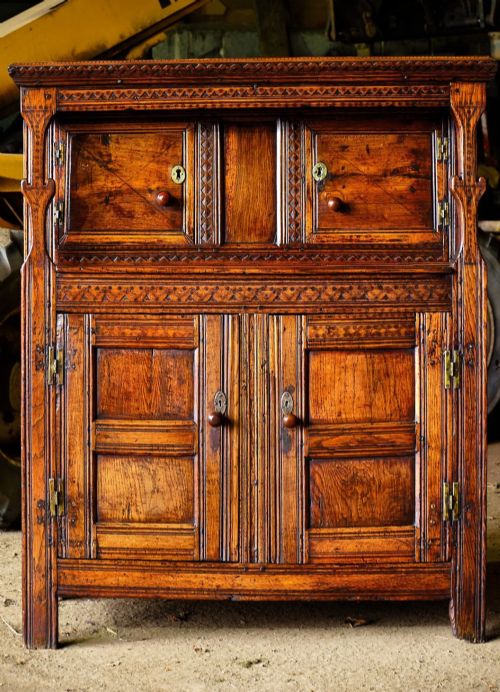
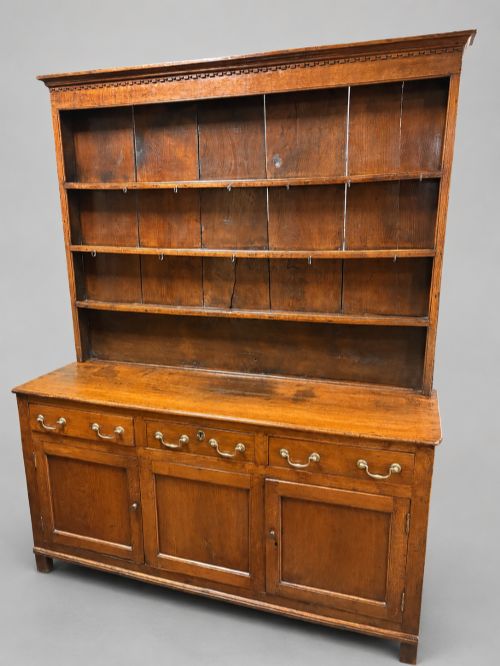
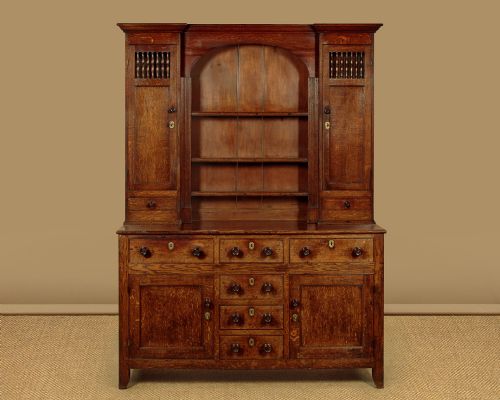
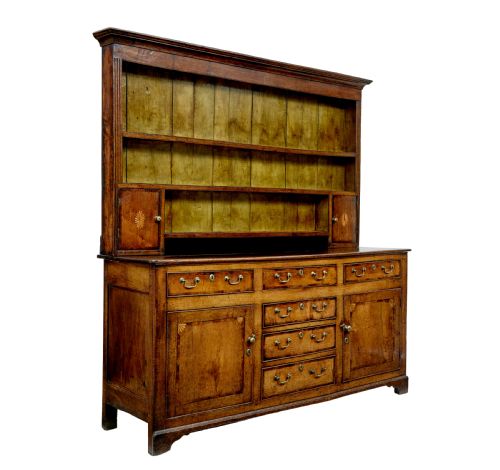
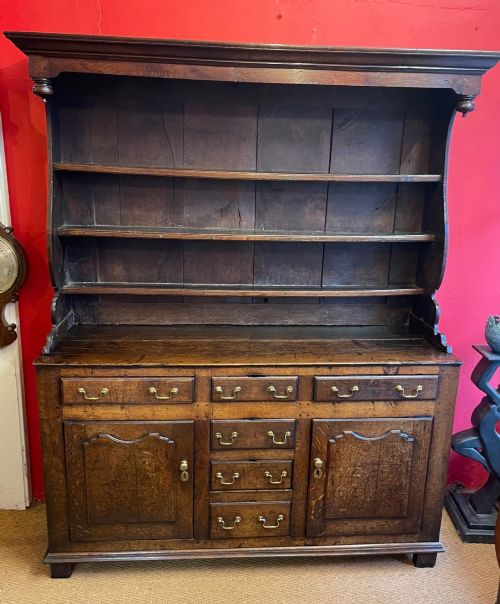
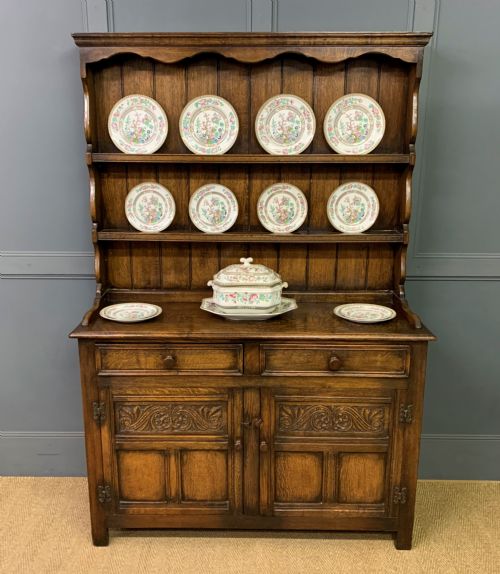
A traditional welsh sideboard usually appears as a robust oak or pine dresser base combined with drawers and cupboards. These practical items served generations of rural households for storing provisions and displaying pottery. The pieces range from open rack combinations to simple enclosed cupboard bases.
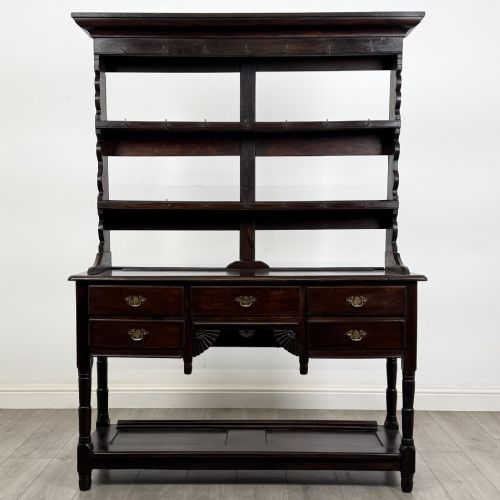
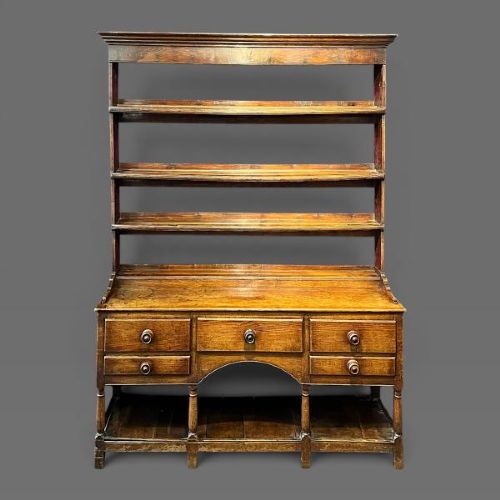
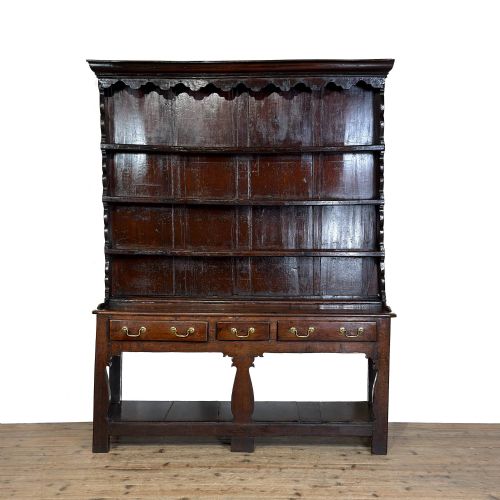
Makers in the country districts built these utilitarian units from local timber to suit farmhouse kitchens. The forms include potboard designs with lower display shelves and traditional dog kennel configurations with central recessed compartments. Regional variations stretch across eighteenth and nineteenth century vernacular workshops.
Buyers will frequently encounter oak and pine examples originating from Georgian and Victorian periods. The proportions are solid and rectangular, designed to stand firmly against cottage walls. Many retain their original plate racks for holding tableware.
Materials and construction methods
Country joiners built these items primarily using solid oak and pine, supplemented by elm and mahogany for specific components. Traditional construction relied on pegged mortise and tenon joints to withstand heavy domestic use. Iron and brass hardware secured doors and drawers.
Surfaces were finished with wax or left to develop a natural patina over decades of household care. Plate racks were pegged or screwed securely to the top of the dresser bases to support heavy ceramic plates. Cabinet makers utilised simple hand tools to shape mouldings and drawer fronts.
Traditional Welsh Sideboard Retail Price Guide 2026
Typical asking prices for traditional welsh sideboard among the pieces listed under this phrase on Sellingantiques today, from the lower quarter to the upper quarter. They describe what is for sale here now, not the wider market.
The inventory includes potboard bases, open plate racks and breakfront drawer configurations.
Assessing quality in country furniture
Quality rests on the selection of timber and the integrity of the original joints. Pieces constructed entirely from dense local oak display greater durability than later pine adaptations. The crispness of hand-cut mouldings and drawer dovetails marks superior cabinet work.
Preservation of original brass or iron metalwork and surface patination elevates a piece. Altered plate racks or replaced timber sections alter the historical integrity of the furniture. The balance of proportions between the base and upper rack demonstrates the skill of the original vernacular maker.
The Traditional Welsh Sideboard Glossary
- Potboard
- A lower open shelf built into the base of a dresser, historically used for storing pots and pans. This platform sits just above the floor on sturdy feet.
- Plate rack
- Open shelving attached to the top of a dresser base, featuring grooves to hold plates upright. These racks often include smaller hooks for hanging mugs.
- Dog kennel
- A central recessed space located underneath the drawers of a dresser base, flanked by cupboards or shelving. The term describes this specific vernacular layout.
- Patina
- The deep sheen and surface character acquired by wood through age, waxing and handling. This appearance develops naturally over many decades of use.
- Dovetail
- An interlocking joint used to construct drawer boxes securely. Hand-cut versions appear on older vernacular furniture.
- Vernacular
- Furniture designed and built by local craftsmen for everyday domestic use rather than following strict metropolitan high-style fashions.
Traditional Welsh Sideboard: Frequently Asked Questions
How were these sideboards used?
Rural families used these sturdy units to store everyday tableware, cookware and dry provisions in the kitchen. The upper racks displayed ceramic plates while the drawers and cupboards held linens and cutlery.
Working farms relied on the heavy wooden surfaces for food preparation and daily domestic chores. The combination of open display and concealed storage suited the practical needs of the household.
What wood types should I expect?
The primary timber used by country makers was native oak, prized for its strength and resistance to moisture. Pine also appears frequently, particularly in later nineteenth-century vernacular pieces.
Secondary woods such as elm or mahogany occasionally turn up in drawer linings or decorative mouldings. Most surfaces carry a traditional wax finish rather than modern heavy varnish.
Can I separate the top rack?
Many traditional pieces were constructed in two separate sections, consisting of a base cabinet and an upper plate rack. The upper rack usually lifts off the base for easier transport and positioning.
However, some historic examples were built as a single integrated unit. Check the joining points at the back before attempting to move the sections apart.
How do I care for the wood?
Maintain the surface by applying traditional beeswax periodically to nourish the dry timber. Avoid placing the furniture in direct sunlight or near strong heat sources that could split the wood.
Dust regularly with a soft dry cloth rather than using wet sprays or harsh chemical polishes. Preserving the natural finish protects the historic character of the piece.