



Dark Wood Plate Rack
A dark wood plate rack organises utility with warmth, turning everyday ceramics into wall display.
Dark Wood Plate Rack
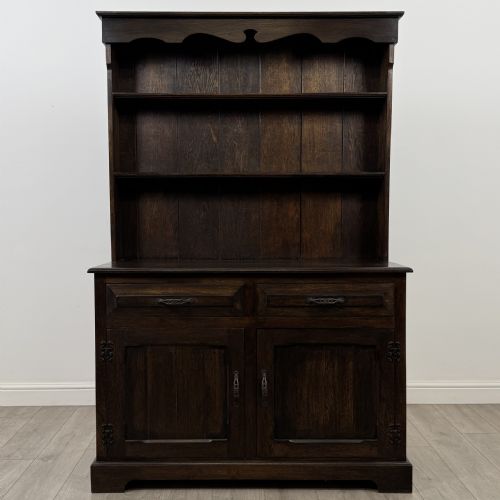
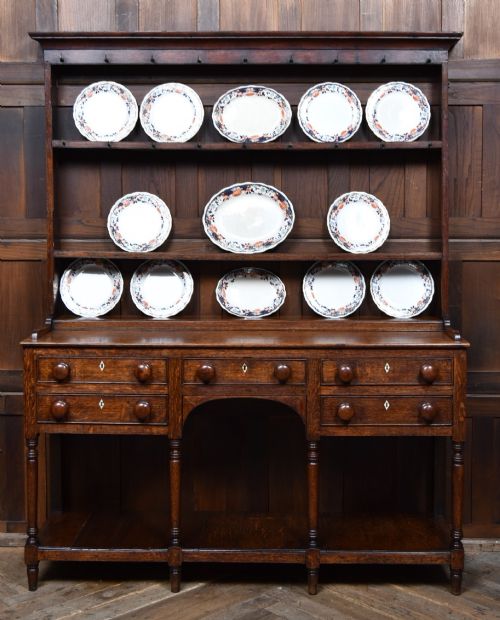
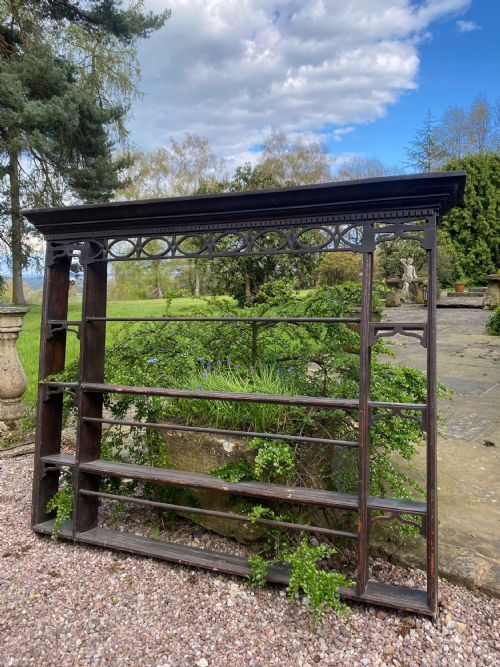
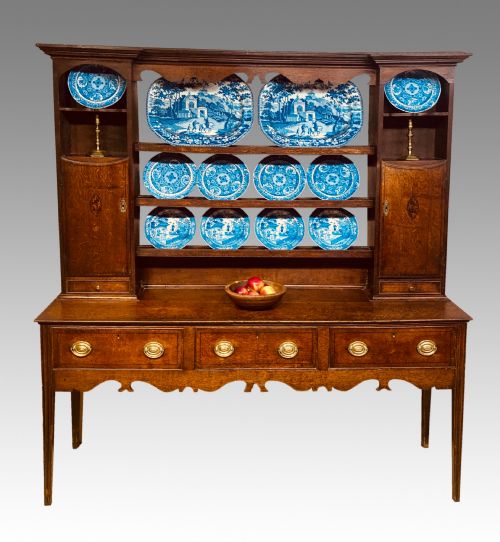
A dark wood plate rack typically appears as a wall-mounted shelving unit or as the upper section attached to a larger Welsh dresser. These pieces originate across the eighteenth and nineteenth centuries, spanning Georgian and Victorian periods.
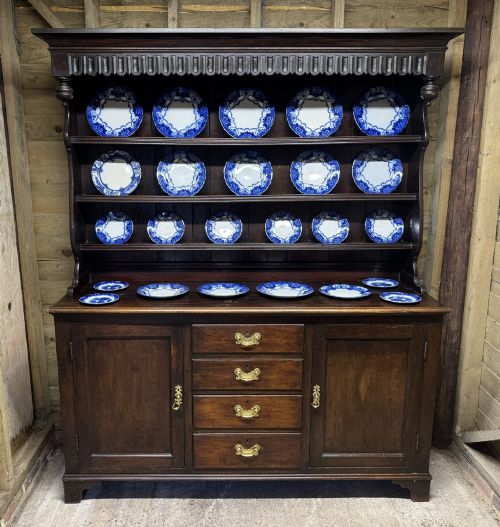
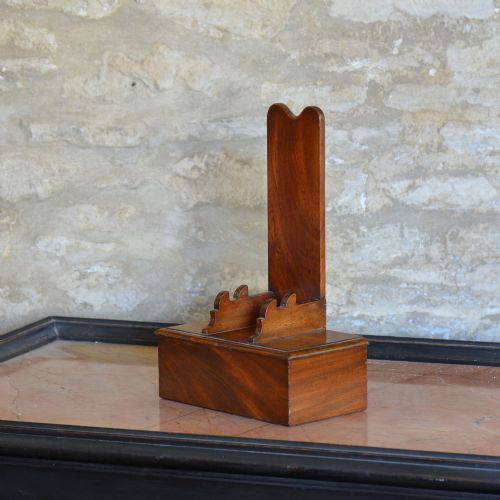
The form exists primarily to hold plates upright against a wall, using timber rails and grooved ledges to secure ceramics safely. Versions range from simple hanging shelves to substantial country oak and mahogany structures.
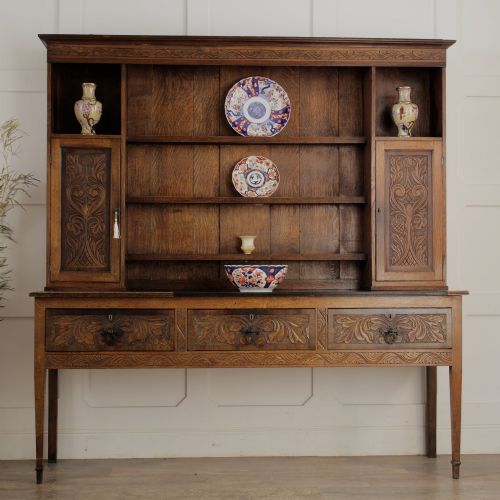
Regional vernacular pieces, particularly from Wales and English rural workshops, dominate the selection. Buyers encounter both standalone wall racks and complete dressers with integrated shelving.
Materials and construction
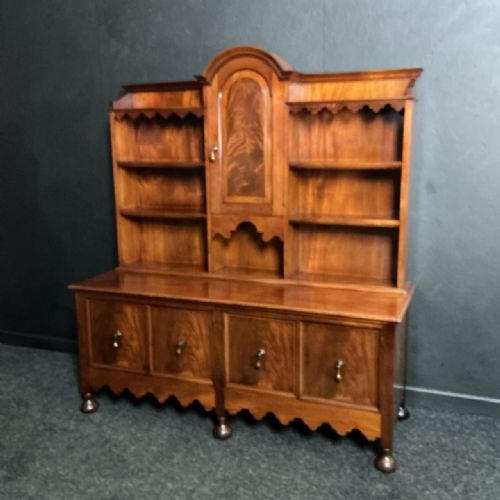
Makers relied heavily on solid oak, mahogany, and pine, often joined using traditional methods appropriate to the period. Timber selection dictated the character of the rack, with flame mahogany offering figured grain and oak providing robust structural framing.
Surfaces frequently show the marks of hand-planing and simple edge moulding, while structural joints employ pegging or basic dovetailing. Brass fittings and iron hardware appear on associated hooks and hanging points.
The inventory includes regional forms such as West Country pine dressers and Welsh vernacular oak plate racks.
Judging quality and proportion
Quality rests in the balance of timber selection, joinery integrity, and the preservation of original surfaces. Finer examples display carefully chosen grain patterns in mahogany or dense, patinated oak with minimal later intervention.
Proportion and depth determine utility, separating simple utilitarian shelves from pieces designed with architectural cornices and shaped friezes. The retention of original backboards and hanging fixtures influences the overall integrity of the piece.
The Dark Wood Plate Rack Glossary
- Delft rack
- An open wall-mounted shelving unit designed specifically for displaying tin-glazed earthenware and plates. These racks use narrow shelves and protective rails to keep plates upright.
- Welsh dresser
- A traditional furniture form combining a base of drawers or cupboards with an upper plate rack. This combination serves both storage and display functions in domestic interiors.
- Cornice
- The decorative moulded projection running along the top edge of a wall rack or dresser. It provides a finished architectural cap to the furniture.
- Pot board
- The lower open shelf found on certain country dressers, traditionally used for storing heavy kitchen pottery. It sits close to the floor between the lower legs.
- Bowfront
- A curved cabinet or dresser front where the central section swells outward. This shape appears on select nineteenth-century variations.
- Vernacular furniture
- Domestic pieces made by local regional craftsmen using traditional regional styles rather than academic architectural designs. These items reflect the specific habits of rural households.
Dark Wood Plate Rack: Frequently Asked Questions
How do I hang a heavy oak plate rack?
Wall-mounted racks require secure fixing directly into masonry or structural wall studs using appropriate heavy-duty brackets. The weight of stacked ceramic plates demands robust anchoring to support the load safely.
Professional installation is recommended for older timber pieces to prevent strain on historical joints and backboards.
Can I use these racks for modern dinnerware?
Most historical plate racks accommodate standard ceramic plates, though very thick modern stoneware may not fit the traditional grooves. Measuring the depth of the display ledge ensures your specific crockery sits securely.
Care should be taken with heavy or oversized dinner plates on antique hanging shelves.
How do I distinguish Georgian from Victorian racks?
Georgian pieces generally show simpler, linear construction in oak or mahogany, often with straightforward planked backboards. Victorian examples frequently incorporate heavier mouldings, darker finishes, or carved details such as regional foliage.
Examination of the timber preparation and nail types helps clarify the period of manufacture.
Are these racks sold separately from dressers?
The inventory includes both independent wall-hanging racks and complete dressers featuring integrated upper shelves. Standalone racks function as wall art while dresser racks form part of a larger floor-standing unit.
Listings specify whether a piece is a wall shelf or part of a dresser base combination.
What maintenance does dark wood require?
Regular dusting with a dry lint-free cloth preserves the surface polish of antique oak and mahogany. Avoiding direct sunlight and sudden temperature changes prevents the timber from drying and splitting.
Application of traditional wax polish maintains the lustre of the wood without building up heavy residues.