

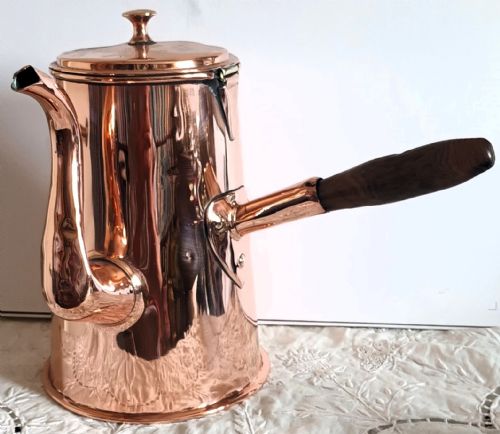


Traditional Watering Pot
These traditional watering pot examples are functional garden vessels and indoor pitchers that bring historic utility and metalwork character into modern spaces.
Traditional Watering Pot
When buyers search for a traditional watering pot, they encounter functional metal and ceramic vessels designed for dispensing water. The selection includes nineteenth century pieces alongside earlier Georgian and Victorian examples.
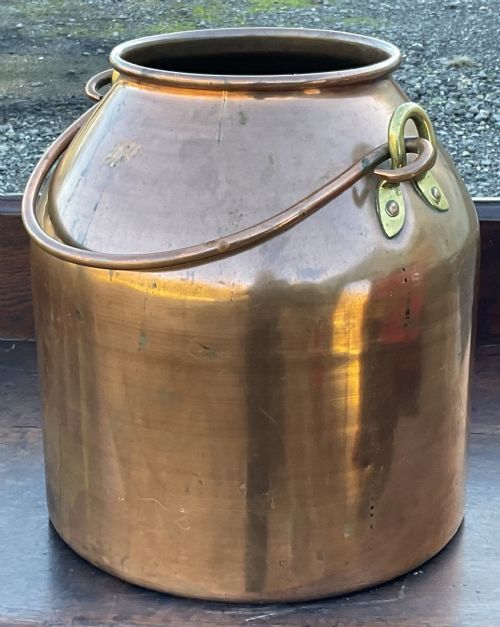
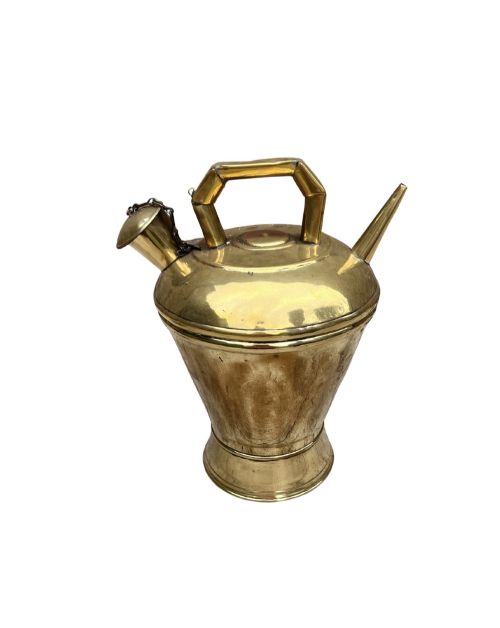
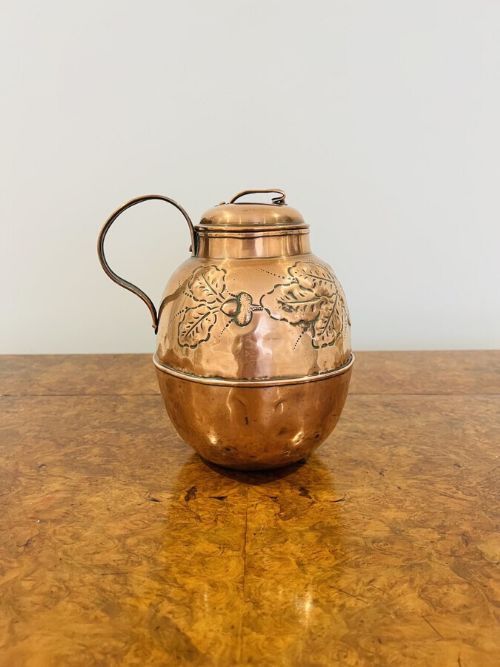
Many items recorded in these listings span utilitarian copper kettles, Jersey cans, and watering cans from the eighteen-eighties. Domestic vessels and garden implements sit alongside related forms such as copper coffee pots and bronze aftabas.
Geographic origins vary widely across the inventory, stretching from English workshops to Middle Eastern, Turkish, and Indian sources. Buyers are most likely to meet copper and brass specimens bearing the marks of extensive domestic or horticultural use.
Materials and construction
Metalworking dominates the construction of these vessels, with heavy use of sheet copper and cast brass handles. Artisans formed these pots by hand, joining seams with traditional methods suited to holding liquids.
Traditional Watering Pot Retail Price Guide 2026
Typical asking prices for traditional watering pot among the pieces listed under this phrase on Sellingantiques today, from the lower quarter to the upper quarter. They describe what is for sale here now, not the wider market.
A solitary soapstone desk group hides among the heavy metal watering pots, offering scholars a place to wash brushes.
Assessing quality in metal and ceramic vessels
Quality rests in the weight of the metal and the integrity of the hand-beaten seams. Heavier copper gauges and robust brass attachments distinguish superior utilitarian objects from lighter decorative items.
Proportion and surface finish dictate the standing of a piece. Well-balanced spouts and handles demonstrate competent craftsmanship, while older patination accumulated through age adds visual depth.
The Traditional Watering Pot Glossary
- Jersey can
- A distinctive tall copper metal container originally used for milking or carrying liquids, featuring a long narrow spout and a side handle. These utilitarian vessels originate from the Channel Islands.
- Aftaba
- A traditional metal ewer or water vessel from the Middle East or South Asia, often featuring a long spout and handle for ritual washing or pouring water. Bronze examples frequently display elaborate cast decoration.
- George III
- The period of British history spanning from seventeen sixty to eighteen twenty, known for refined domestic metalwork and copper kitchenwares. Pieces from this era often exhibit clean lines and substantial weight.
- Soapstone
- A soft metamorphic rock carved into decorative scholar's objects and desk groups, particularly in Chinese traditions. The material allows for intricate relief carving due to its dense talc composition.
- Patina
- The surface oxidation and wear built up on metals and woods over decades of use. This natural sheen differentiates historic items from modern reproductions.
Traditional Watering Pot: Frequently Asked Questions
How were these metal pots used?
These vessels served practical domestic and horticultural roles, carrying water for plants or liquids for household tasks. Their robust construction was meant to withstand daily utility rather than sit solely on display.
Over time, many functional items transitioned into decorative accessories as modern plumbing replaced manual water transport in homes and gardens.
Are these pots still functional today?
Many copper and brass vessels retain their structural integrity and can dispense water for houseplants when properly maintained. Inspection of internal seams determines whether a container holds liquid without leaking.
Buyers often use older metal cans for interior display or gentle watering, appreciating the historic materiality in a contemporary setting.
How do I care for antique copper?
Copper surfaces respond best to gentle cleaning with non-abrasive cloths to preserve the historic surface colour and accumulated finish. Harsh chemical polishes strip away the aged character that collectors value.
Keeping the metal dry prevents active oxidation and maintains the stability of the soldered or riveted joints over years of display.
What defines nineteenth century metalwork?
Nineteenth century metal items reflect a mix of regional workshop traditions and early industrial production methods. Heavy gauge copper and secure riveted construction typify utility wares from this era.
Design influences ranged from plain agricultural utilitarianism to ornate Victorian styling, depending on whether the vessel was meant for garden labour or domestic service.