


Traditional Watercolour Wall Art
Traditional watercolour wall art brings historic landscapes, coastal scenes and portraits into rooms through delicate pigment applied to paper.
Traditional Watercolour Wall Art
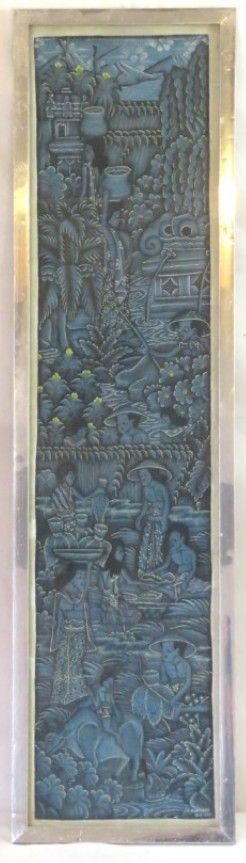
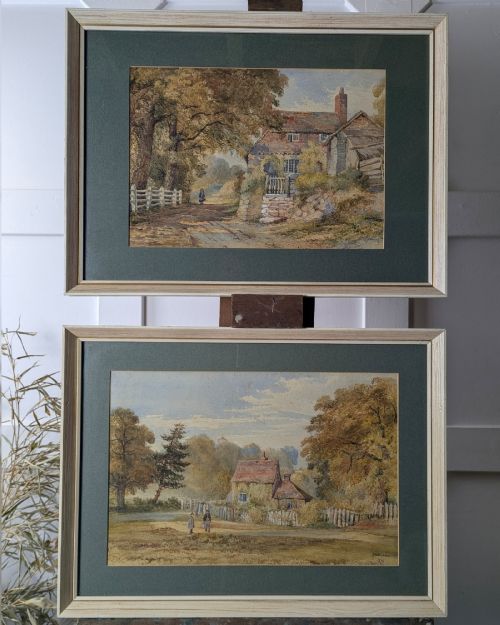
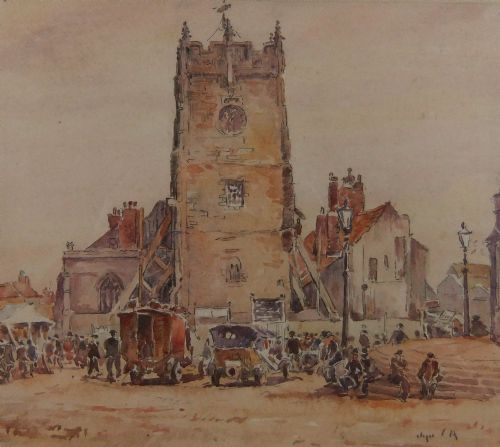
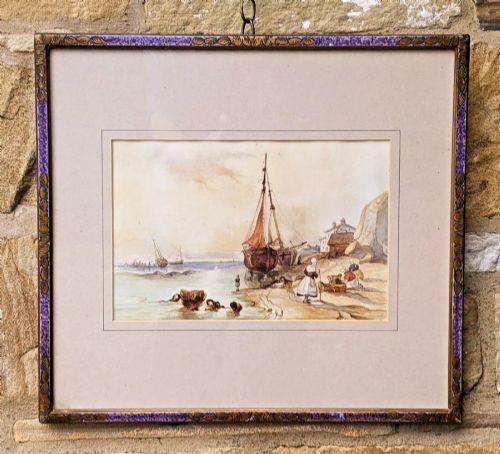
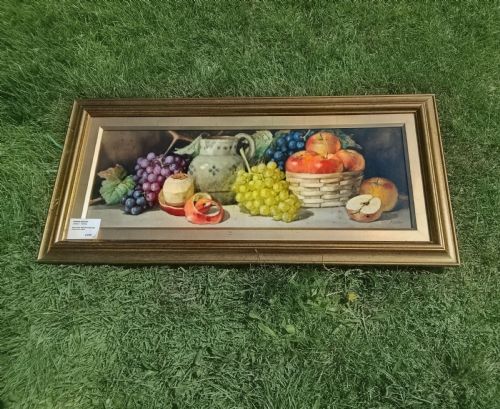
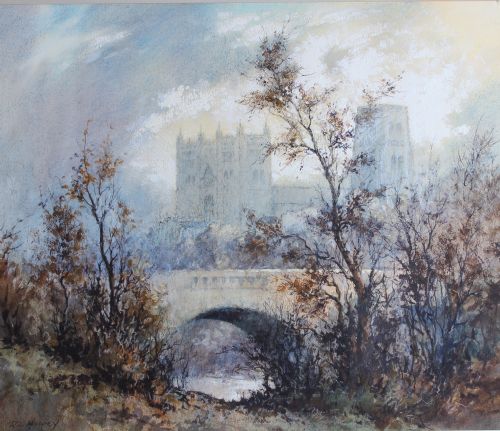
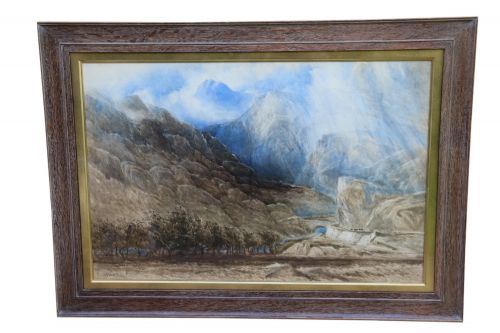
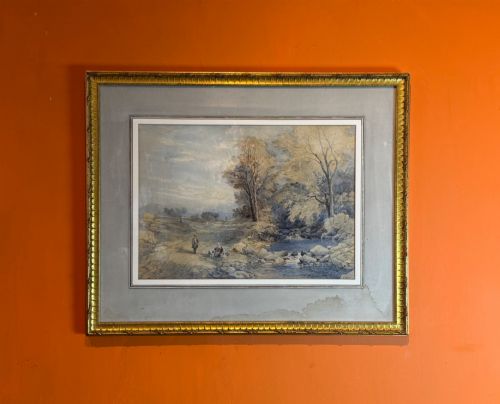
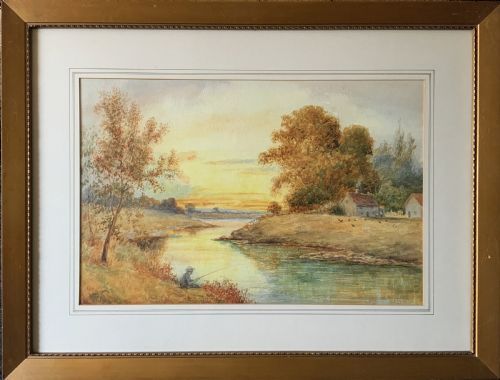
Traditional watercolour wall art comprises painted works executed on paper or fabric, depicting subjects such as rural landscapes, marine harbours, floral still lifes and sporting scenes. These pieces span from the eighteenth century through the Victorian and Edwardian eras into the mid-twentieth century, capturing historical views from Britain, Europe and beyond.
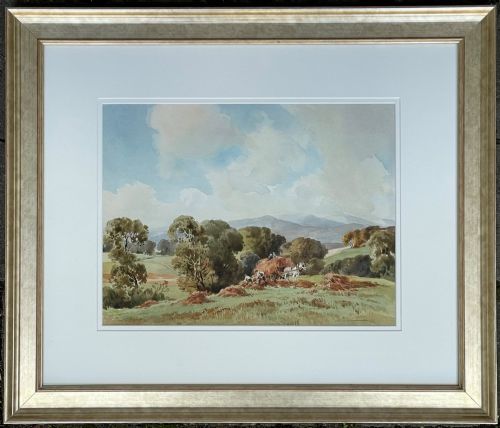
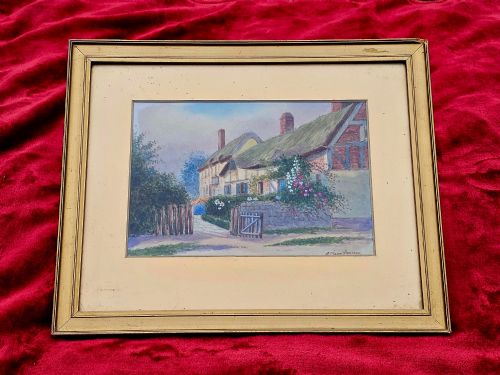
The most common examples encountered on this page originate in the nineteenth century and the early decades of the twentieth century. They often arrive framed behind glass in original wooden mouldings, presenting pastoral valleys, coastal fishing ports and architectural studies by named and anonymous hands.
How traditional watercolour wall art was made
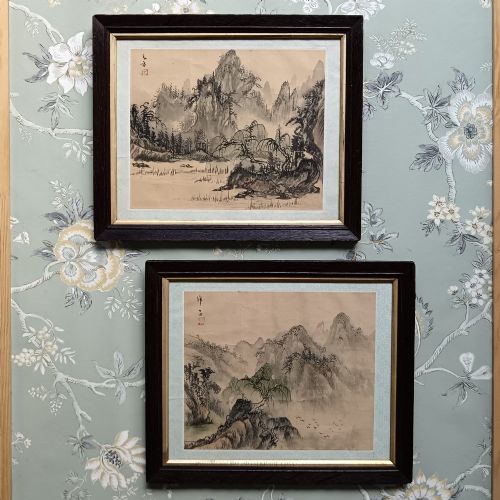
Artists painted primarily with watercolour pigment suspended in water, applied directly onto paper surfaces or occasionally silk and fabric. Many works incorporate ink for underlying definition or delicate detail, while select examples employ gold leaf to accent the composition.
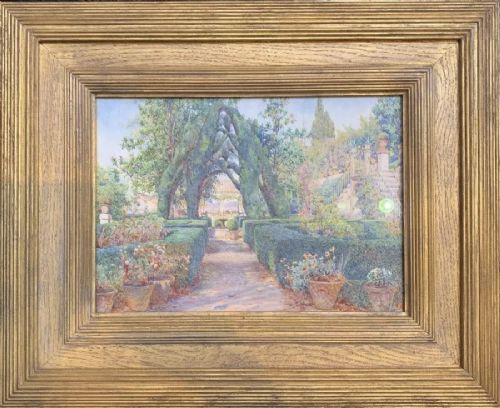
Finished paintings were secured within wooden frames behind protective sheets of glass to shield the paper from environmental moisture and atmospheric dust. Original frames frequently utilise gilt or carved wood to complement the palette of the painting within.
One determined horse appears immortalised in several hunting scenes, galloping relentlessly across damp nineteenth-century paper.
What varies in quality in traditional watercolour wall art
Quality rests upon the sureness of the brushwork, the management of translucent washes and the precision of perspective within the composition. Master practitioners command the fluid medium to capture atmospheric light and naturalistic shadow without muddying the paper ground.
The survival of the original frame and the preservation of the paper beneath the glass dictate the overall integrity of the piece. Unfaded pigment retention and minimal foxing separate superior examples from works subjected to harsh light or damp conditions.
Alfred Young Nutt·Percy Lancaster·A Marie Parsons·William Banks Fortescue·Robert A Nottingham·John Smith Atherton·Joseph H Barnes·Ernest Arthur Rowe·Arthur Dudley·Robert Leslie Howey·Henry Martin Pope·David Cox·Henry Charles Fox·George Graham·Basil Nightingale·Thomas Bush Hardy·J S Ainley·William Hoggatt·James Orrock·J Laporte·John Atkinson·George Hamilton Constantine·Frank Wood·Ernest F Hill·John Hobson Nicholson
The Traditional Watercolour Wall Art Glossary
- Watercolour pigment
- Finely ground colour particles mixed with a water-soluble binder. This medium allows artists to build luminous, transparent layers across a white paper ground.
- Foxing
- Small brownish spots caused by chemical reactions within the paper over time. It occurs frequently in older works exposed to fluctuating humidity.
- Provenance
- The documented history of a painting's ownership and origin. It provides verifiable context for attribution and dating.
- Gilt frame
- A wooden picture surround coated with a thin layer of gold leaf or metallic paint. These frames enhance the visual weight of nineteenth-century paintings.
Traditional Watercolour Wall Art: Frequently Asked Questions
How should I hang watercolour art?
Hang watercolours away from direct sunlight to prevent the pigments from fading over time. Continuous exposure to bright light damages the delicate washes on paper.
Keep them in rooms with stable humidity levels to protect both the paper support and the wooden frame from warping.
Are these paintings original?
The selection consists of hand-painted original works rather than modern mass-produced reproductions. Each piece shows individual brushstrokes and the natural texture of the paper.
Artists signed many of these works by hand, and period framing further confirms their age.
How do I identify Victorian watercolours?
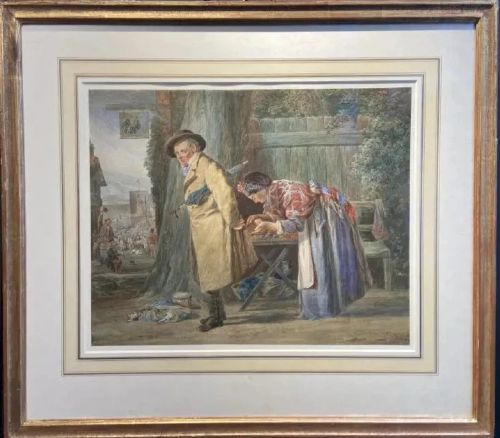
Victorian watercolours often depict detailed pastoral landscapes, coastal shipping scenes or narrative domestic subjects. The paper stock and framing styles typical of the nineteenth century help establish the period.
Signatures or inscriptions on the reverse frequently record the exact date and location of the scene.
Can I reframe an antique watercolour?
Retaining original frames is generally preferred because they preserve the historic character of the artwork. However, new conservation framing with acid-free mounts can be introduced to protect vulnerable paper.
Consult a professional framer to ensure the historical components remain undamaged during any updates.