


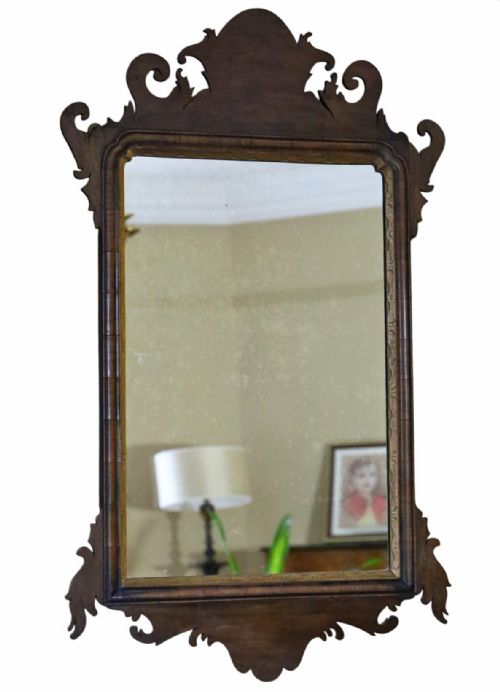


Traditional Walnut Mirror
A traditional walnut mirror brings warmth and quiet elegance to a room, offering rich timber grain and classic proportions that suit period and modern interiors alike.
Traditional Walnut Mirror
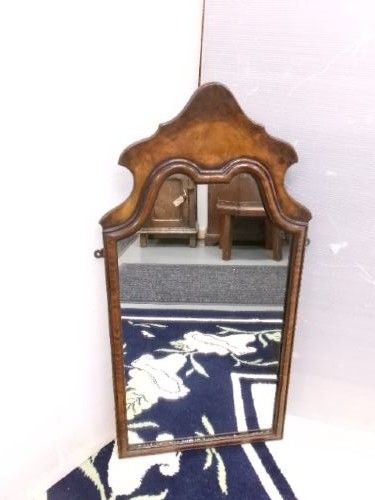
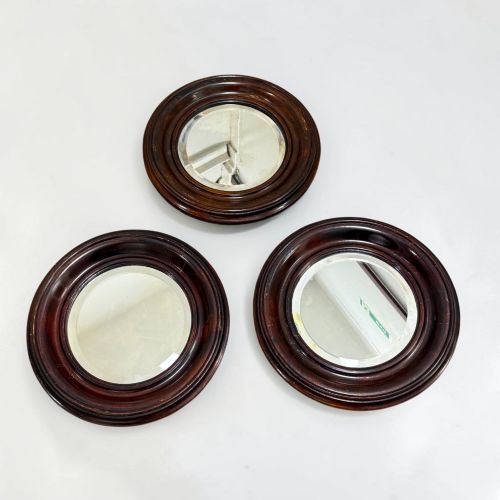
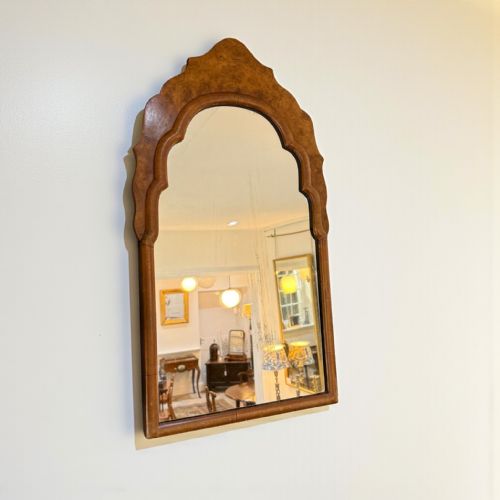
When you search for a traditional walnut mirror, you encounter a selection spanning several centuries of cabinet-making, from original Georgian pieces to later revivals. Wall mirrors, overmantel mirrors and cheval mirrors dominate the selection, showing how makers adapted the timber to various domestic settings.
The most frequent pieces on this page date from the early twentieth century, echoing the distinct styles of the Queen Anne and Georgian eras. These revival pieces make up a large portion of the selection, sitting alongside genuine eighteenth and nineteenth-century examples.
What separates the finest examples
Quality rests in the depth of the timber grain, the precision of the fret-cut carving, and the integrity of the original mirror plate. Superior pieces display careful book-matching of burr veneers and crisp joinery that survives intact down the centuries.
Later revivals vary according to the fidelity of their period proportions and the hand-finishing of the gilt and painted elements. The best examples command attention through restrained ornamentation and balanced dimensions rather than sheer scale.
Traditional Walnut Mirror Retail Price Guide 2026
Typical asking prices for traditional walnut mirror among the pieces listed under this phrase on Sellingantiques today, from the lower quarter to the upper quarter. They describe what is for sale here now, not the wider market.
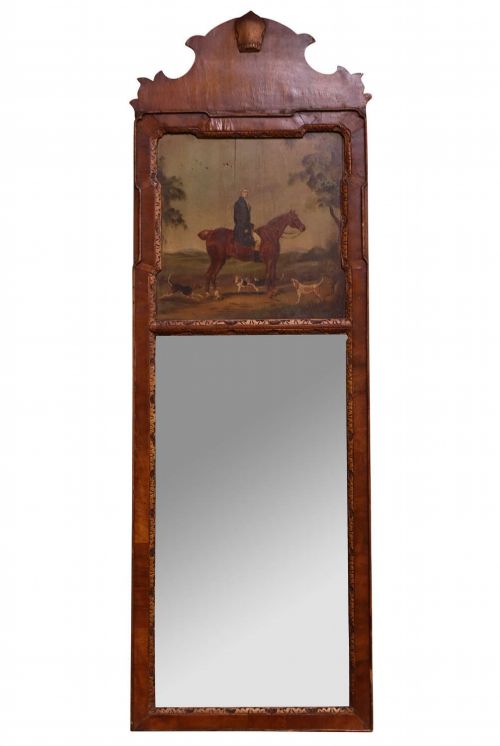
Some pier glass mirrors come with unexpected companion artwork, combining traditional walnut frames with hand-painted equestrian oil panels.
The Traditional Walnut Mirror Glossary
- Burr walnut
- A highly figured timber veneer sliced from the knot growths of walnut trees. It creates intricate, swirling patterns across the surface of the frame.
- Parcel gilt
- A technique where small portions of a carved wooden frame are highlighted with gold leaf. It adds subtle brilliance against the dark walnut ground.
- Pier glass
- A tall, narrow mirror designed to hang on the wall between two windows. It maximises light reflection in traditional rooms.
- Fret-cut
- A decorative pattern cut through thin wood using a fine saw, often seen on the scrolled crests and ears of Georgian wall mirrors.
- Overmantel mirror
- A wide mirror designed to sit directly above a fireplace mantelpiece. These pieces often feature arched tops or brass detailing.
Traditional Walnut Mirror: Frequently Asked Questions
How do I date a walnut mirror?
Dating relies on examining the construction methods, the type of mirror glass, and the secondary timbers used behind the frame. Hand-beveled plates, screw types, and veneer thickness often point to whether a piece originates in the eighteenth century or is a later revival.
Style indicators like Queen Anne cabriole influences or Georgian fret-cut silhouettes also help narrow down the period, though revival makers copied these forms faithfully in the early twentieth century.
Where should I hang an overmantel mirror?
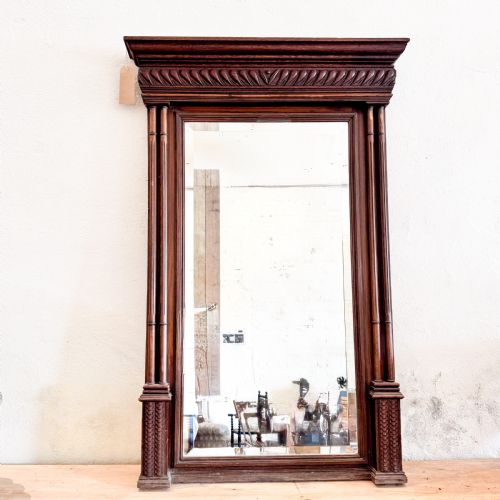
Overmantel mirrors are traditionally positioned centrally above a fireplace opening to reflect light and anchor the room's proportions. Their generous horizontal dimensions suit placement on wide chimney breasts.
They also work effectively on expansive dining room walls where a large reflective surface helps open up the space without competing with surrounding furniture.
What is the difference between walnut and burr walnut?
Standard walnut timber displays a straight, rich brown grain with occasional darker figuring. It provides a stable, uniform surface for traditional furniture and mirror frames.
Burr walnut comes from gnarled tree growths, producing swirling, cloud-like patterns that catch the light differently. Makers reserved burr veneers for the most decorative focal points of a piece.
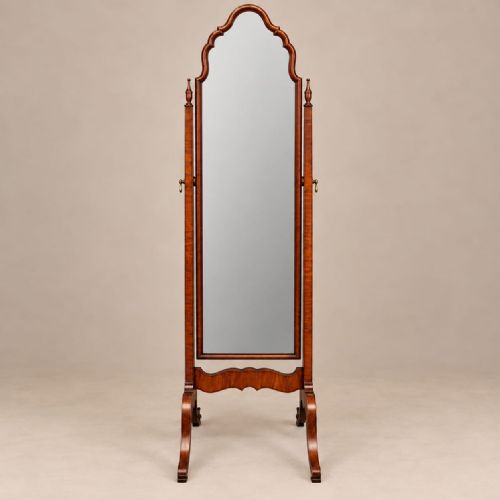
Are cheval mirrors free-standing?
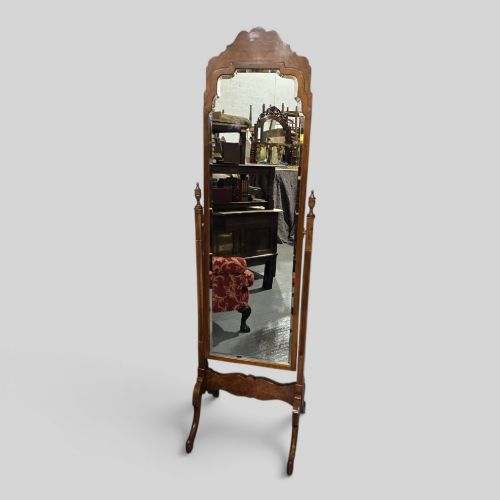
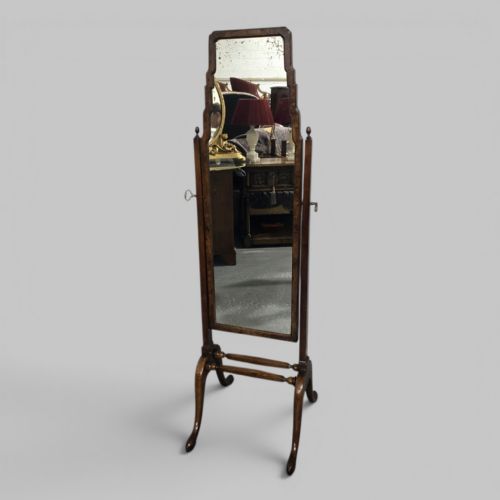
Cheval mirrors are designed as tall, floor-standing dressing mirrors held within a pivoted frame. This allows the glass to tilt to various angles.
They require adequate floor space and a stable base, making them well-suited for bedrooms and dressing rooms rather than narrow hallways.