
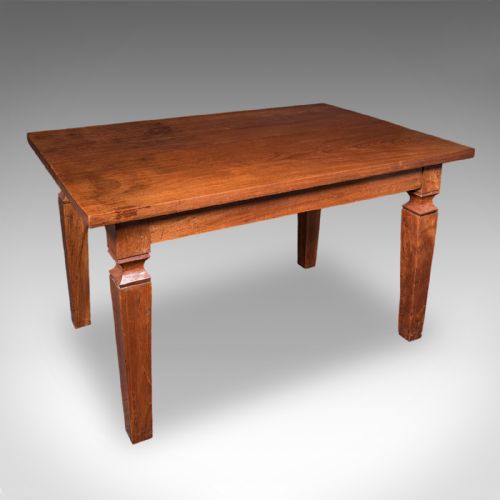
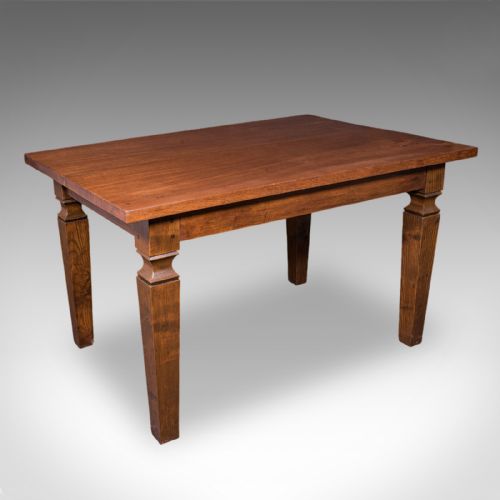


Traditional Walnut Dining Table
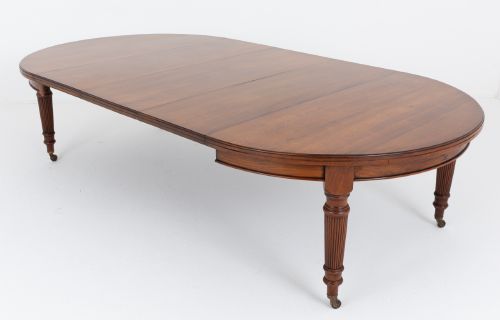
A traditional walnut dining table anchors the room with deep figured timber and enduring proportion, built to seat family and guests alike.
Traditional Walnut Dining Table
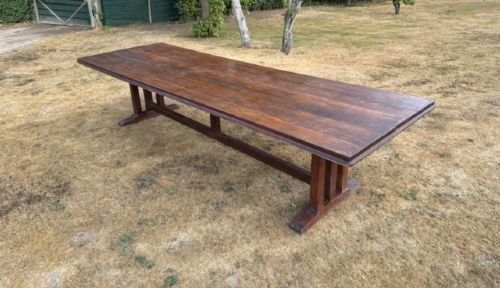
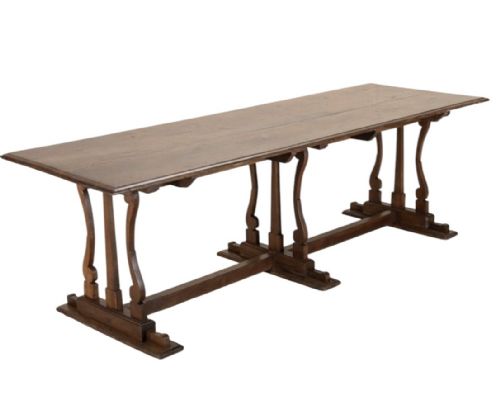
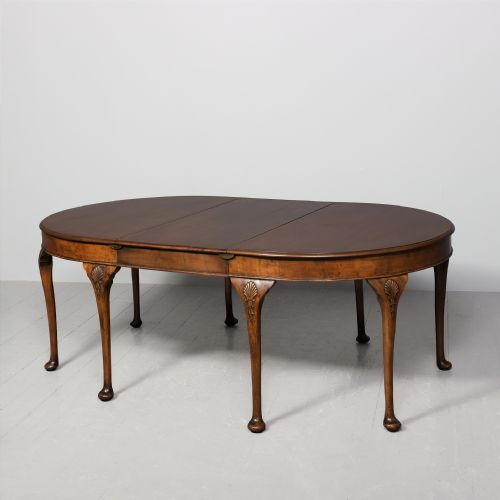
A traditional walnut dining table brings warmth and rich grain to the interior through enduring forms spanning multiple historical eras. When searching for a traditional walnut dining table, buyers encounter formats ranging from substantial refectory and monastery boards to extending leaf versions designed for gathering.
The selections available here draw upon Victorian, Edwardian, and earlier aesthetic traditions, alongside revival interpretations in Queen Anne and George II styles. Oak and red walnut variants appear alongside primary walnut constructions, offering various surface characters for the dining room.
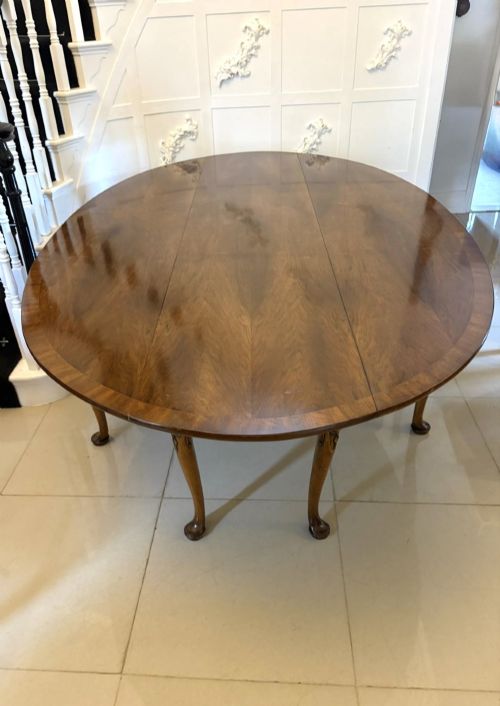
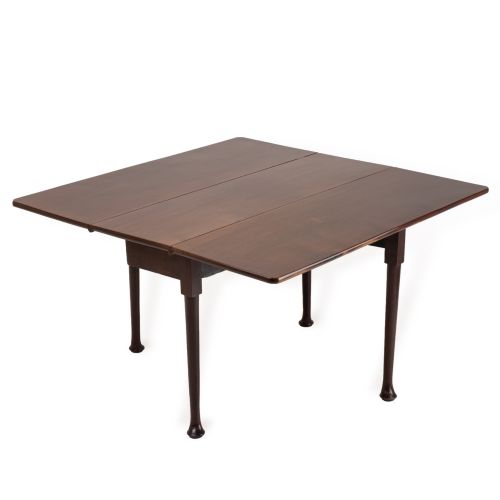
Makers and workshops constructed these pieces for daily use and formal entertaining alike, resulting in formats that include gateleg drops, draw leaves, and fixed refectory frames. Each piece demonstrates the enduring appeal of dark timber furniture within domestic spaces.
How they were made
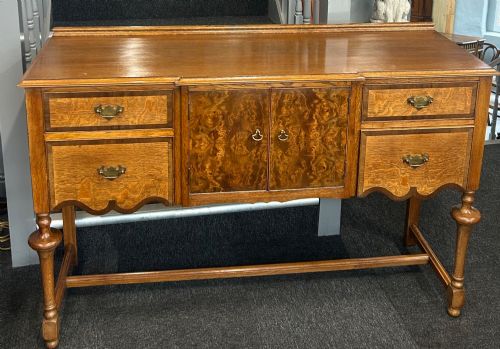
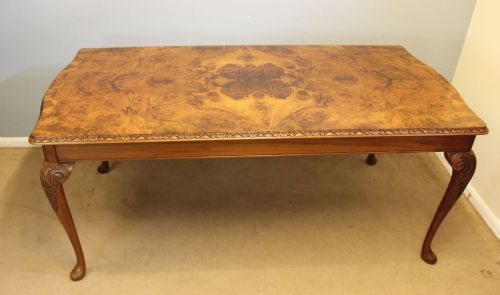
Cabinetmakers utilised solid walnut and burr walnut veneer applied over secondary timbers such as oak to achieve striking surface patterns. Marquetry inlay, carving, and gilding occasionally embellish the primary surfaces, while structural elements rely on sturdy stretcher bases and turned legs.
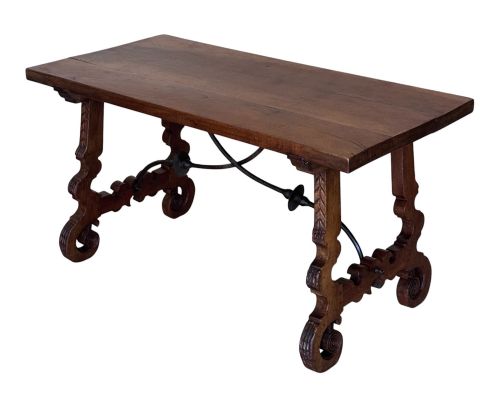
Hardware elements incorporate brass fittings where extension mechanisms or drawers require functional metalwork. Wrought iron and ceramic components appear in specific structural or decorative capacities depending on the period and regional workshop origin.
Listings span periods from the seventeenth century through the Victorian and Edwardian eras up to the 1930s.
What varies in quality
The grade of timber selected for the top dictates the visual impact, with figured walnut and burr walnut veneers displaying complex grain movement superior to plain stock. Expert matching of veneers across multiple leaves demonstrates high workshop competency during the construction process.
Joinery execution and the stability of underframes, such as H stretchers and gateleg actions, determine the longevity and daily utility of the table. Carved details and inlaid marquetry reflect the artisan time invested in the individual piece.
Whytock and Reid
The Traditional Walnut Dining Table Glossary
- Burr Walnut
- A figured wood grain derived from the wart-like growths on walnut trees, prized for its swirling patterns. Cabinetmakers slice this timber into thin veneers for decorative table tops.
- Refectory Table
- A long, narrow dining table historically used in communal dining halls and monastic refectories. These pieces typically feature sturdy stretcher bases supporting a solid plank top.
- Gateleg Table
- A table featuring hinged legs that swing outward to support drop leaves on either side. This design allows the surface area to expand or contract according to space requirements.
- Marquetry
- The art of applying decorative pieces of veneer to a structure to form intricate picture designs or geometric patterns. Artisans cut contrasting woods to fit precisely within the surface design.
Traditional Walnut Dining Table: Frequently Asked Questions
How do I seat more guests?
Many traditional walnut dining tables incorporate extending mechanisms with removable leaves, allowing the surface length to increase when needed.
Refectory and monastery formats offer fixed, generous proportions designed to accommodate multiple diners along each side without mechanical adjustments.
How do I clean walnut wood?
Dust the timber regularly with a soft, dry cloth to prevent particulate buildup on the polished surface.
Avoid harsh chemical cleaners and excessive moisture, using occasional applications of appropriate furniture wax to nourish the grain.
Are these tables sturdy enough?
Period dining tables rely on robust construction methods, including strong stretcher bases and solid framing, to support daily meals and gatherings.
Checking the stability of the underframe and leg joints ensures the piece remains reliable for regular household use.
What styles are available here?
The selection includes Victorian, Edwardian, and seventeenth-century formats alongside revival pieces referencing Queen Anne and George II aesthetics.
Spanish Baroque influences and farmhouse refectory designs also appear, providing diverse visual options for different interior schemes.