







Traditional Walnut Desk Chairs
Traditional walnut desk chairs bring warmth and sturdy comfort to a study, pairing rich timber frames with practical seating designed for daily work.
Traditional Walnut Desk Chairs
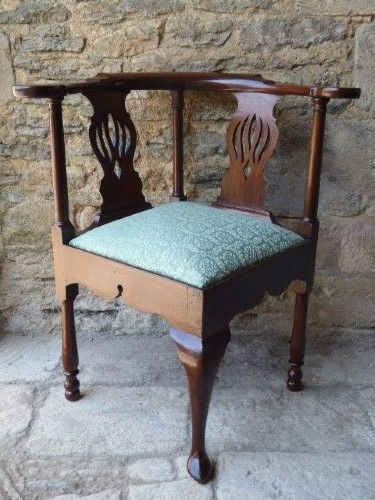
Traditional walnut desk chairs encompass seating built for office and library use, ranging from 18th-century forms to later revival styles. Buyers searching for traditional walnut desk chairs will find pieces spanning the Victorian, Edwardian, and 19th-century periods, alongside specific 1920s interpretations.
What varies in quality
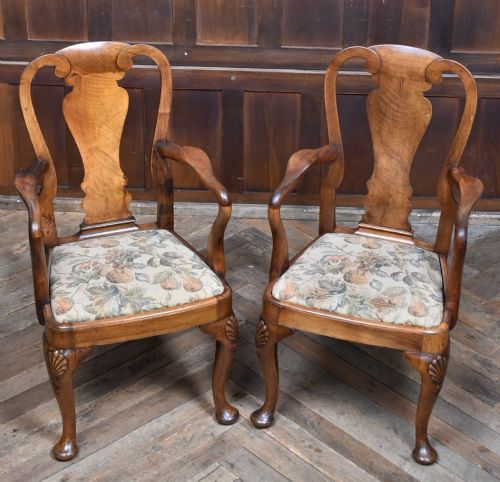
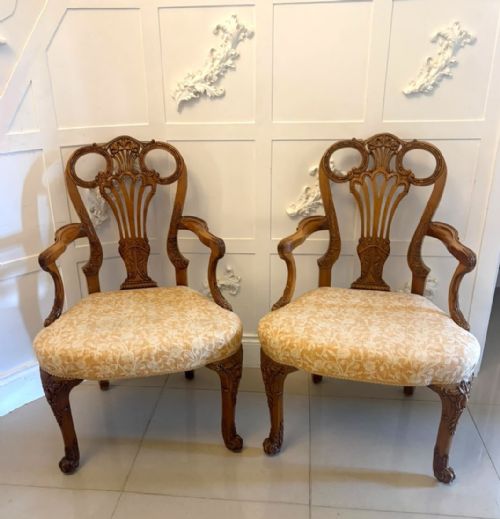
The standard of carving and timber selection marks the difference between standard production and finer pieces. Rich figuring in burr walnut and deep, crisp relief work on armrests and splats indicate superior craftsmanship.
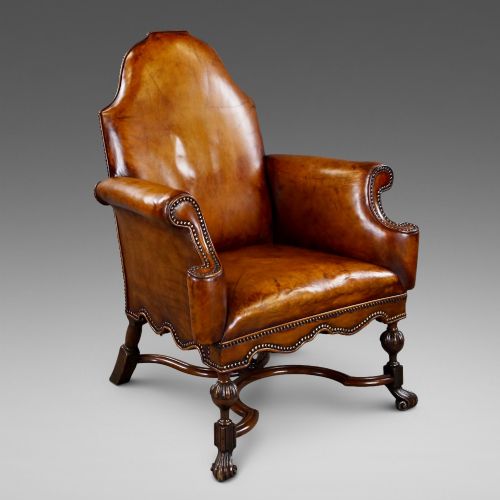
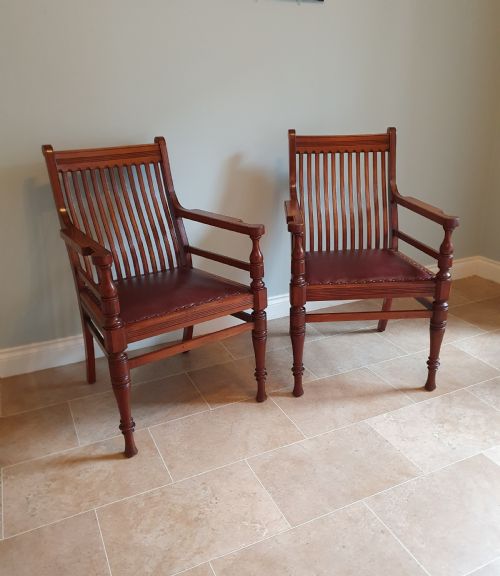
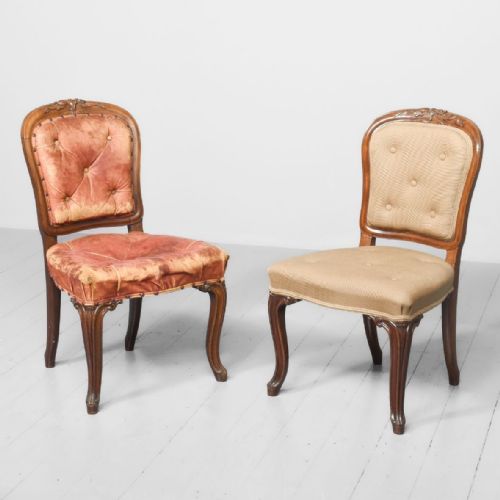
The choice and execution of upholstery also influence overall merit, from simple fabric pads to finely fitted leather and oil cloth seats with traditional studwork. Structural integrity in the joints of revolving mechanisms and arm attachments determines how well a chair handles regular use.
Traditional Walnut Desk Chairs Retail Price Guide 2026
Typical asking prices for traditional walnut desk chairs among the pieces listed under this phrase on Sellingantiques today, from the lower quarter to the upper quarter. They describe what is for sale here now, not the wider market.
Listings feature walnut as the primary timber, complemented by fabric, leather, brass, and velvet upholstery across Victorian and Edwardian periods.
Charles Tozer
The Traditional Walnut Desk Chairs Glossary
- Walnut
- A dense, hard timber prized for its rich dark brown colour and ability to take fine carving. It frequently appears as solid wood or decorative burr veneer.
- Queen Anne Style
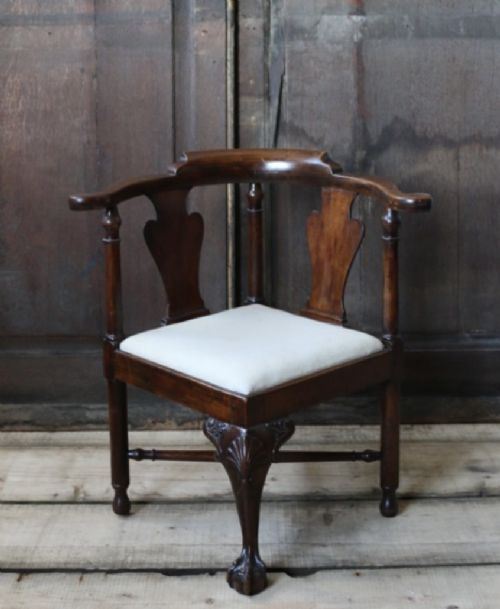
- A design movement characterised by cabriole legs, pad feet, and spooned vertical splats in the backrest. It saw frequent revivals during the Victorian and Edwardian eras.
- George II Style
- An 18th-century design language noted for robust proportions, carved splats, and scroll terminals on arms. Later makers frequently replicated these formal details.
- Oil Cloth
- A heavy, waterproofed fabric used historically for practical desk chair cushions. It provides a durable, wipe-clean surface for workspace seating.
Traditional Walnut Desk Chairs: Frequently Asked Questions
How do I identify the period?
Dating relies on examining construction methods, timber choice, and stylistic revival cues. Victorian and Edwardian examples often blend earlier silhouettes with the manufacturing standards of their own time.
Details such as carved cabriole legs, leather upholstery inserts, or revolving bases help place a piece within its historical context.
Were these chairs used in offices?
Many examples are designated as office armchairs, library armchairs, or revolving desk chairs. They were built to provide comfort during long hours of reading or administration.
Sturdy timber frames and supportive armrests made them standard furnishings for private studies and professional rooms.
How do I care for the leather and wood?
Walnut benefits from occasional polishing to preserve the grain and prevent the timber from drying out. Leather and oil cloth inserts require gentle cleaning to maintain their supple texture.
Keeping the chairs away from direct heat sources protects both the wood finish and the natural upholstery materials.