





Traditional Walnut Center Table
A traditional walnut centre table brings warmth and rich grain to a room, offering a sturdy surface shaped by centuries of cabinet-making.
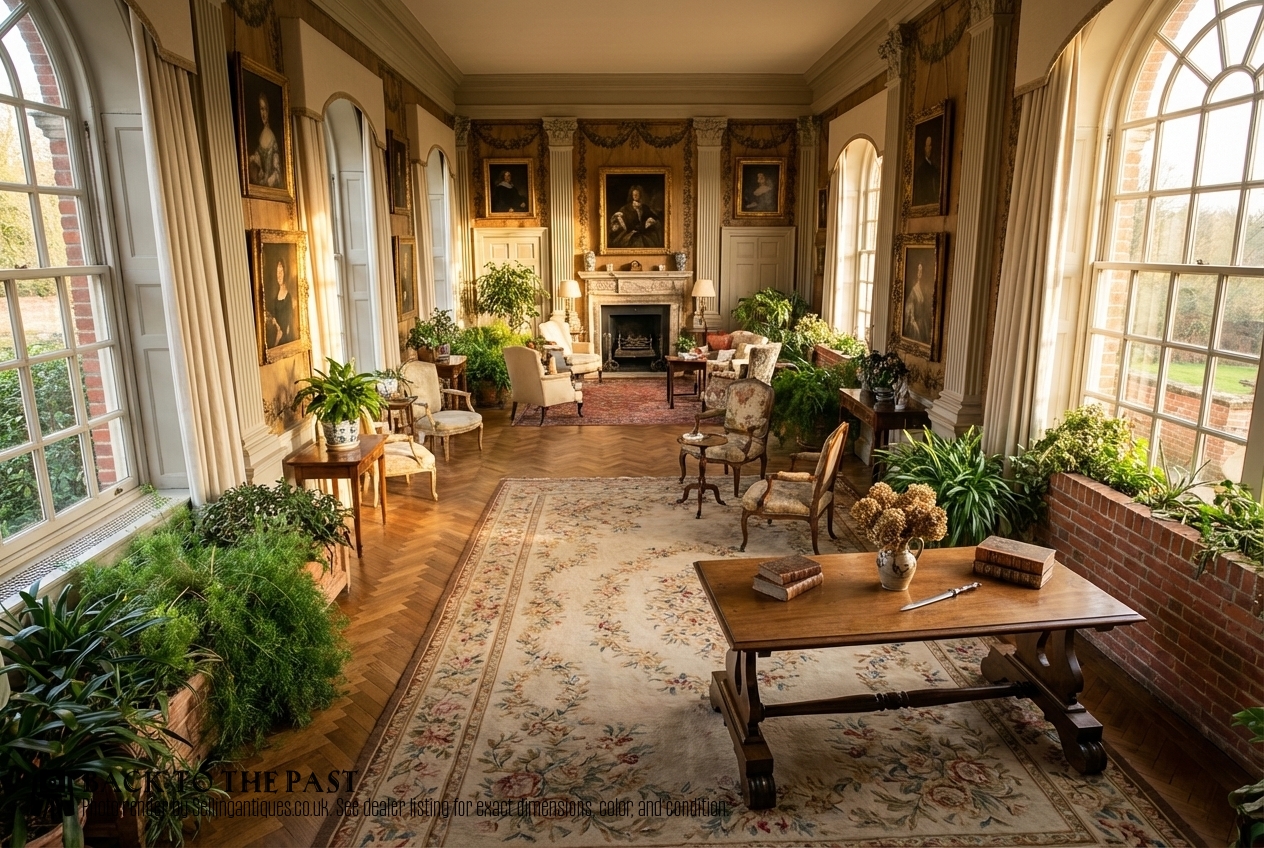
Traditional Walnut Center Table
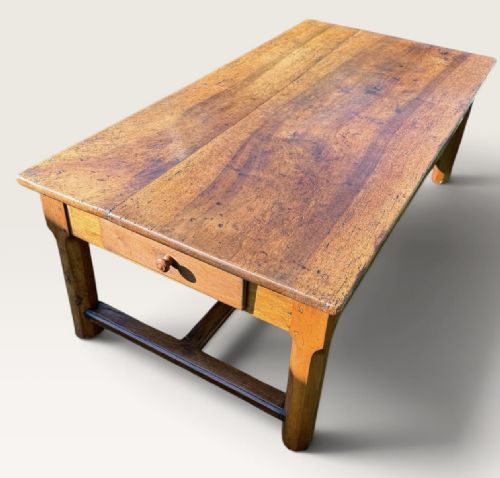
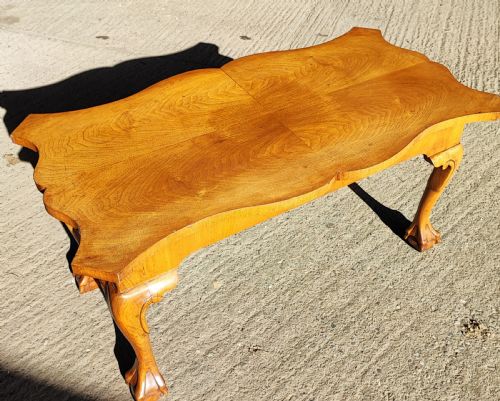
A traditional walnut centre table usually appears on this page in the form of a low coffee table or a compact pedestal surface. The selection spans the nineteenth century through to the interwar decades of the nineteen-twenties and thirties, drawing on historic forms.
Makers adapted these pieces from earlier styles, ranging from Queen Anne and Carolean revivals to Victorian rococo and grand Regency designs. Buyers seeking a traditional walnut centre table will find examples finished with circular pie crust edges, marquetry inlay, or parcel-gilt wood.
Most entries are coffee tables or centre tables, though occasional larger dining pieces surface. The origins stretch from mid-Victorian workrooms to later revival pieces, maintaining a consistent focus on walnut timber.
How they were made
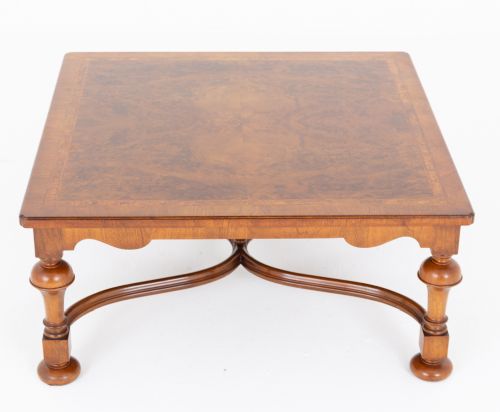
Cabinet-makers relied heavily on walnut and burr walnut veneer to cover foundational timber, creating rich patterns across the tops of these tables. Fruitwood inlay and marquetry added contrasting detail, while brass mounts or hand-carved bases provided structural and decorative support.
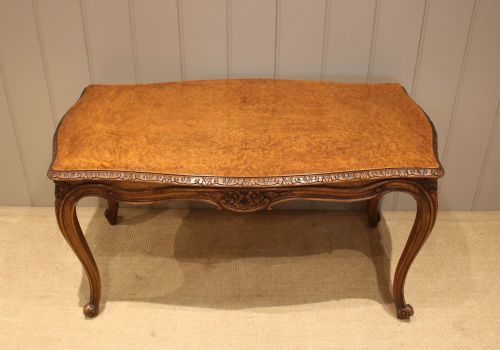
Surfaces often feature intricate marquetry inlay or figured grain arrangements, supported by turned pedestals or carved legs. Parcel-gilt wood accents appear on select revival pieces, highlighting the craftsmanship of the period.
Traditional Walnut Center Table Retail Price Guide 2026
Typical asking prices for traditional walnut center table among the pieces listed under this phrase on Sellingantiques today, from the lower quarter to the upper quarter. They describe what is for sale here now, not the wider market.
Some tabletops feature pie crust edges shaped like pastry, adding a literal touch of baker's art to the drawing room.
What varies in quality
The distinction between standard examples and the finest pieces lies in the choice of timber and the execution of decorative details. Tables featuring highly figured burr walnut veneer or elaborate marquetry inlay stand apart from plain timber constructions.
Hand-carved bases, parcel-gilt wood, and crisp fruitwood inlay separate workshop production from simpler output. The depth of the carving and the precision of the grain matching dictate the standing of each piece.
Gillows of Lancaster
The Traditional Walnut Center Table Glossary
- Burr walnut
- A prized wood sliced from the wart or burl of a walnut tree, yielding swirling, knotty grain patterns. It forms the decorative surface of many fine tabletops.
- Marquetry inlay
- Pieces of contrasting wood veneer fitted together to form pictorial or geometric patterns on the surface. This technique requires steady hands and precise cutting.
- Pie crust edge
- A raised, scalloped carved rim running around the circumference of a circular tabletop. It mimics pastry work and dates back to earlier centuries of English furniture.
- Parcel-gilt
- Wood partially decorated with thin gold leaf applied to carved highlights or mouldings. It adds contrast against the dark brown tones of walnut.
- Pedestal centre table
- A freestanding table supported by a central pillar and feet rather than four corner legs. This design allows for uninterrupted seating around the perimeter.
Traditional Walnut Center Table: Frequently Asked Questions
How do I date an antique walnut table?
Dating relies on examining the construction methods, timber choice, and stylistic cues present in the piece. Victorian examples often display heavier carving and pedestal bases, while nineteen-twenties and thirties pieces frequently take the form of low coffee tables.
The presence of burr walnut veneer, marquetry inlay, or specific revival motifs helps narrow down the period of manufacture.
How do I care for walnut veneer?
Walnut furniture benefits from stable indoor humidity and protection from direct sunlight, which can fade the warm tones of the wood. Regular dusting with a soft, dry cloth preserves the polished surface without moisture damage.
Harsh chemical cleaners should be avoided in favour of traditional beeswax applied sparingly to nourish the timber.
Are these tables suitable for everyday use?
These tables are built from solid timber and sturdy veneers designed to withstand daily domestic life. Their surfaces accommodate books, drinks, and decorative objects while anchoring the layout of a room.
Using coasters and placemats helps protect the historic polish and delicate marquetry inlay from accidental marks.