


Traditional Wall Shelves
Traditional wall shelves are functional timber storage pieces that bring period character to small spaces.
Traditional Wall Shelves
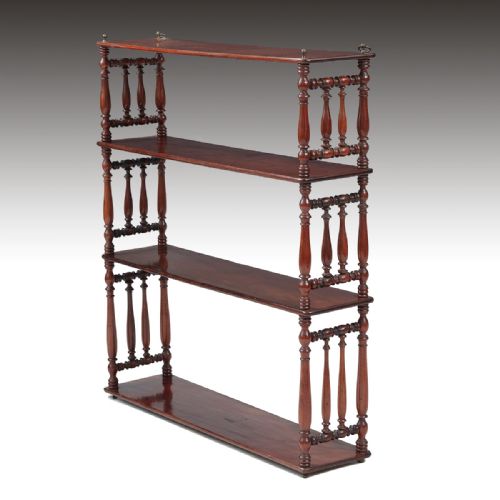
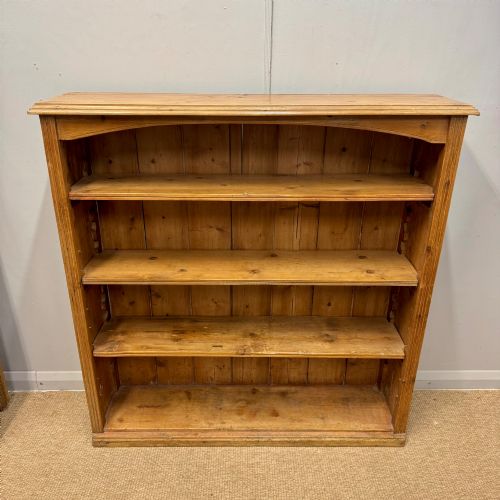
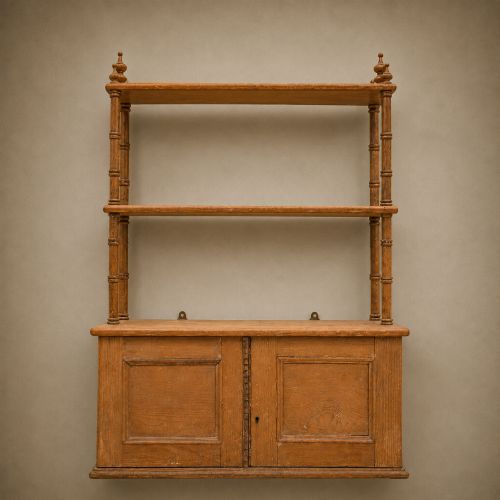
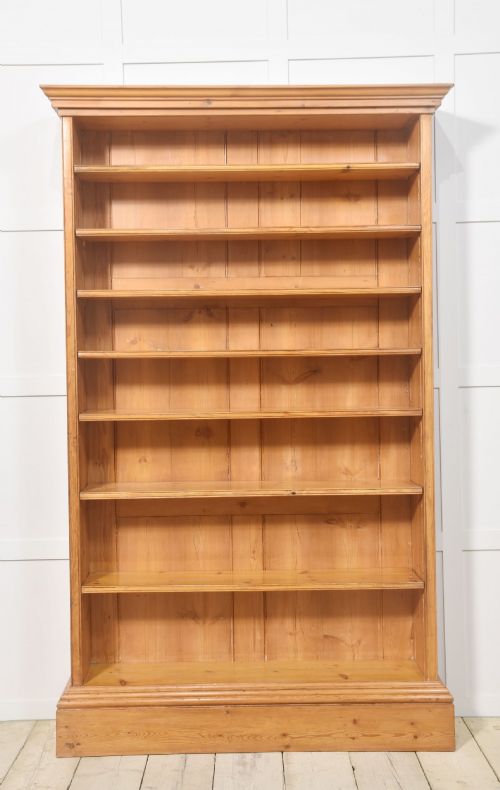
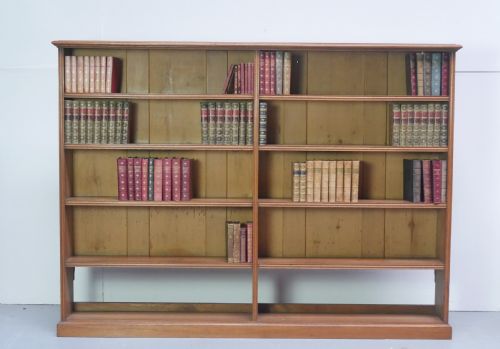
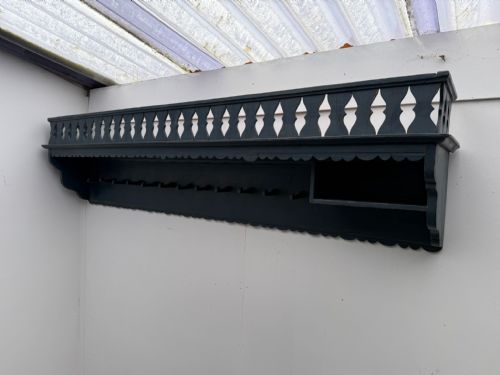
Traditional wall shelves encompass sturdy plate racks, open bookcases, and hanging display units originating from the eighteenth, nineteenth, and early twentieth centuries. These pieces serve practical household storage needs while displaying ceramics, books, or small ornaments against the wall.
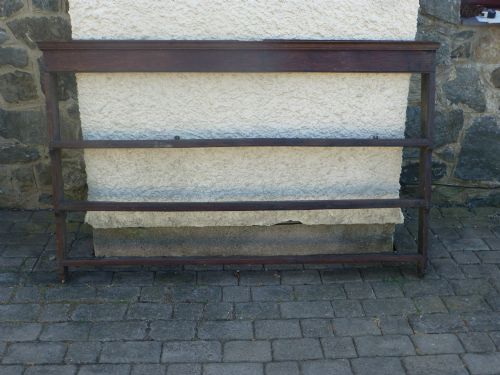
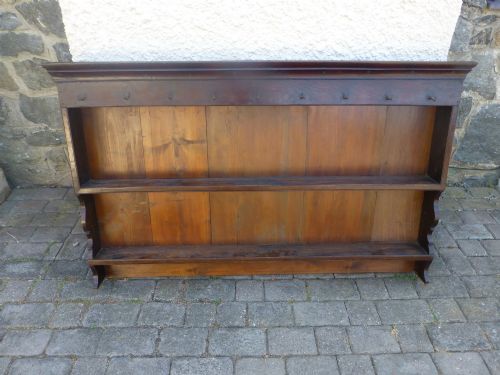
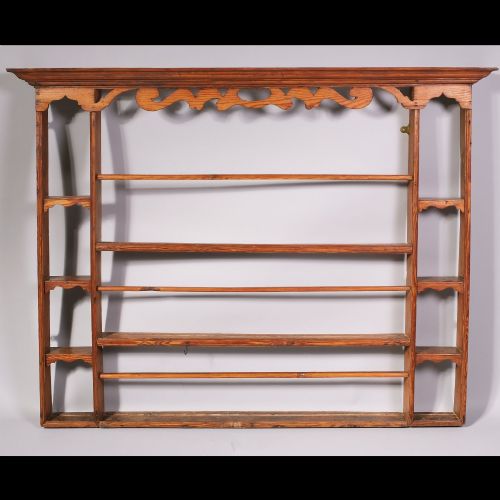
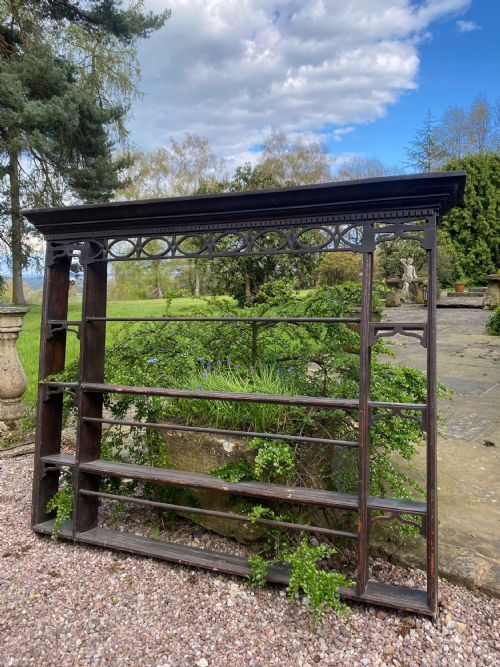
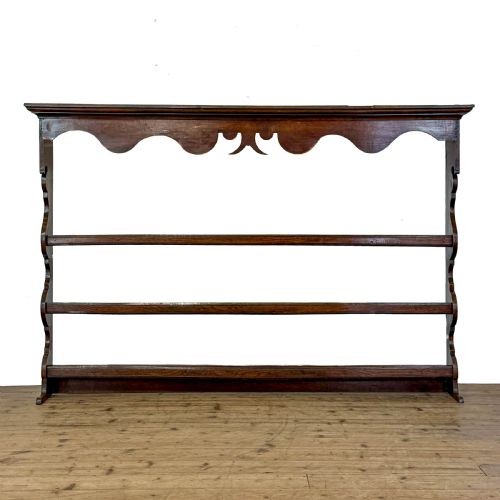
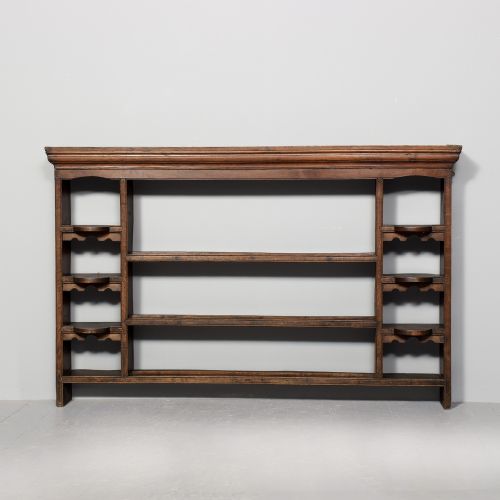
The version most commonly met on this page is the pine or oak plate rack, often associated with eighteenth-century country houses and provincial kitchens. Examples range from simple open tiers to forms incorporating small cupboards or pigeon holes.
Makers designed these fixtures in styles spanning Georgian elegance, Victorian utility, Edwardian restraint, and rustic country vernacular. Mahogany and walnut appear in more formal residential settings, whereas pine and cherry wood dominate domestic utilitarian forms.
Materials and construction methods
Cabinet makers built traditional wall shelves primarily using solid native timbers like oak, pine, and mahogany, selected for their structural strength and grain. Joinery relied on traditional pegged and dovetailed joints to support the weight of heavy ceramic plates and bound books over decades of daily use.
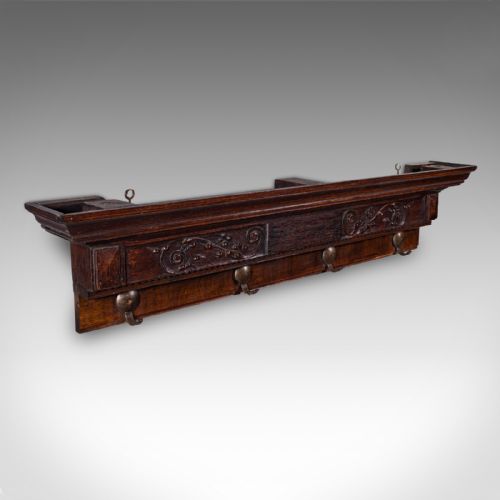
Metal elements such as brass, iron, and bronze appear as hanging brackets, structural supports, and utility hooks on specialised cloakroom and kitchen racks. Surface finishes include plain waxed timber, original painted treatments, and occasional marquetry decoration on French and English provincial examples.
Listings feature eighteenth-century oak delft racks alongside nineteenth-century pine bookcases and Edwardian mahogany hanging shelves.
Judging quality in early shelving
Quality in traditional wall shelves rests upon the integrity of the timber selection and the retention of original surfaces. Pieces displaying honest patination and minimal structural alteration command greater respect from collectors than heavily restored examples.
Construction details differentiate utilitarian storage from finer domestic furnishings, visible in the fineness of the dovetail joints and the proportion of the mouldings. The presence of original backboards, hanging brackets, and period brass fixings also elevates a piece within its category.
The Traditional Wall Shelves Glossary
- Plate rack
- A wall-mounted shelving unit specifically designed with grooved plate rails and vertical slats to display ceramic plates safely upright. These fixtures formed a central feature in historic kitchens and dining rooms.
- Dovetail joint
- A carpentry technique joining two pieces of wood by interlocking wedge-shaped fingers, prized for its exceptional tensile strength. It appears frequently in the drawer construction and carcass corners of older shelving units.
- Marquetry
- The art of applying small pieces of veneered wood to a structure to form decorative patterns or pictures. This technique surfaces on select continental and English provincial pieces.
- Bracket clock
- A portable household clock designed to sit on a shelf or wall bracket rather than stand on the floor. These items often share space with specialised wall brackets and small hanging shelves.
- Overmantel mirror
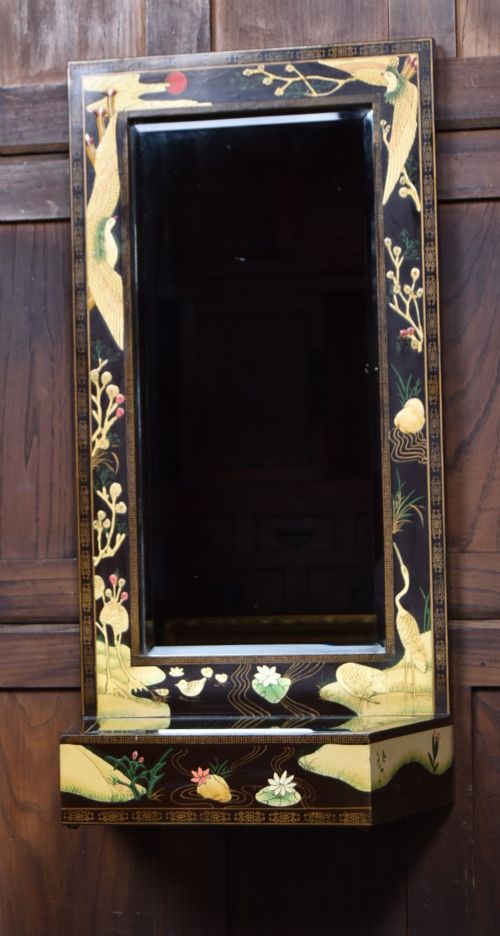
- A large decorative mirror designed to hang specifically on the wall above a fireplace mantel. These frames frequently incorporate giltwood or carved wooden surrounds matching period interior styles.
Traditional Wall Shelves: Frequently Asked Questions
How do I hang heavy wall shelves safely?
Heavy timber shelves require direct fixing into structural wall studs or solid masonry using appropriate metal brackets and screws. Distributing the weight across multiple fixing points ensures the piece remains secure under the load of books or ceramics.
Older hanging racks often feature integrated backboards with pre-drilled fixing holes positioned to align with standard wall supports. Professional installation is recommended for large oak and mahogany units to prevent structural strain.
Are these shelves suitable for modern kitchens?
Traditional pine and oak plate racks integrate well into contemporary kitchens, offering practical vertical storage for everyday crockery and heavy earthenware. Their open design keeps frequently used items accessible while introducing historical warmth to plain walls.
Care should be taken to place timber shelving away from excessive moisture and direct heat sources to protect the aged wood and historical finishes. Regular dusting and occasional waxing maintain the condition of the antique timber.
How do I tell an 18th-century rack from a later copy?
Eighteenth-century plate racks exhibit specific hand-tool marks, pegged joinery, and timber shrinkage consistent with age and hand-planed production methods. The grain patterns and natural patination on older oak and pine develop a depth that modern reproductions struggle to replicate accurately.
Examination of the nail types, backboards, and hanging points often reveals the true period of manufacture. Earlier pieces frequently show signs of domestic wear and structural adaptation accumulated over centuries of continuous use.