




Traditional Wall Appliques
Traditional wall appliques bring warmth and period character to a room, ranging from gleaming brass lights to intricately worked textile panels.
Traditional Wall Appliques
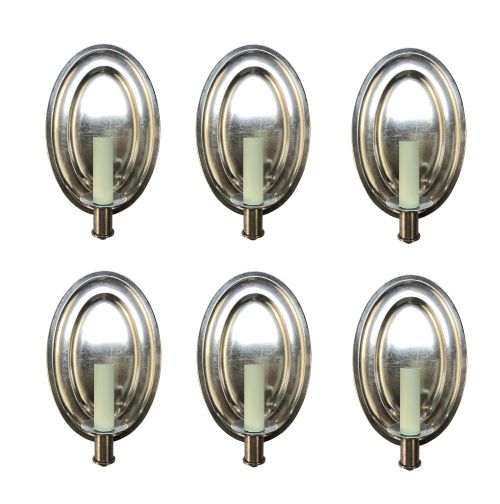
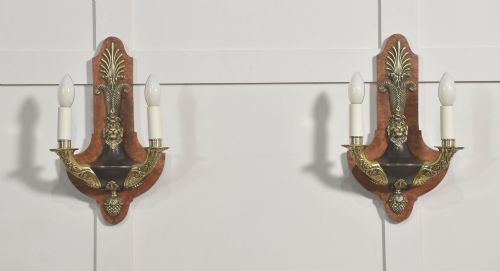
Traditional wall appliques encompass both cast metal wall lights and embroidered decorative panels, bridging illumination and textiles. When buyers search for traditional wall appliques, they typically encounter paired wall lights in brass, bronze, and giltwood alongside wool and felt textile panels.
The pieces span various periods including the Victorian and Edwardian eras, as well as the early decades of the twentieth century. English, French, and Italian examples dominate, alongside Central Asian nomadic pieces.
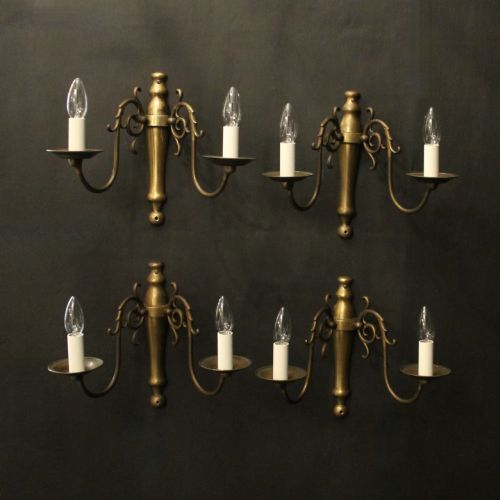
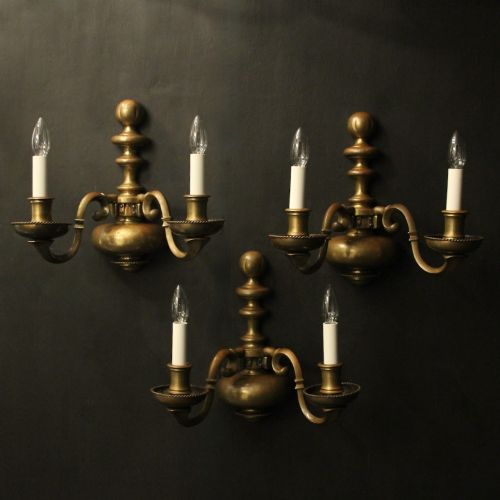
Lighting forms include twin-branch fixtures, torch entrance hall sconces, and multi-light gilt framed setups. Textile examples feature embroidered felt and silk applique work from Persian and Kirghiz traditions.
How they were made
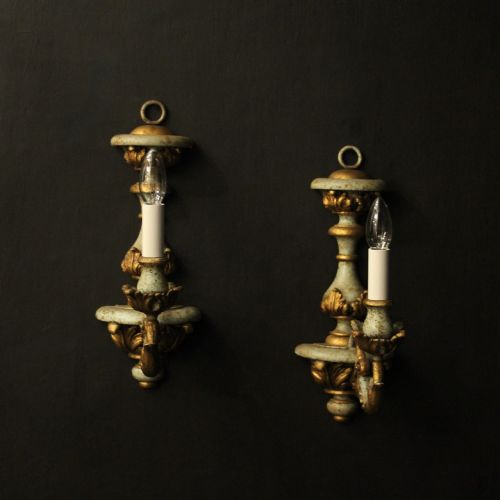
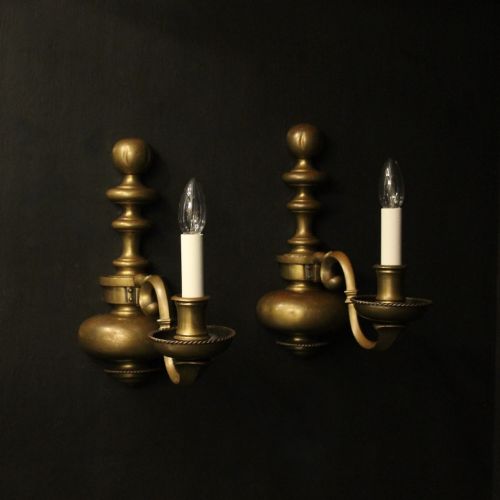
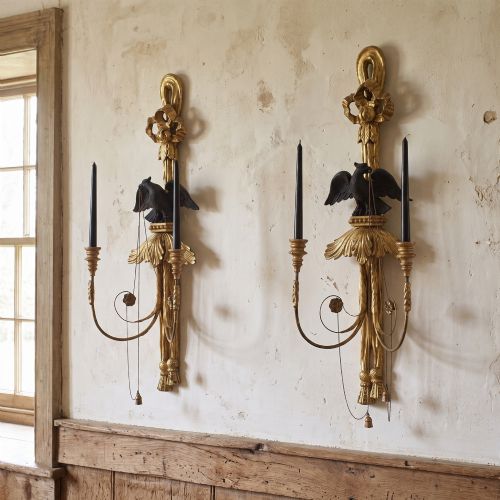
Metal lighting pieces utilise casting techniques in brass, bronze, and repolished or gilded brass surfaces. Giltwood carving appears on elaborate frames and decorative eagle wall sconces.
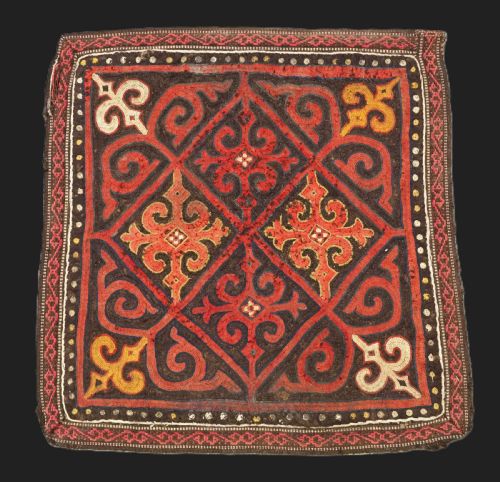
Textile panels combine wool, felt, and silk applique work through needlework traditions. Cut glass elements occasionally accent silver and brass structures to catch the light.
Traditional Wall Appliques Retail Price Guide 2026
Typical asking prices for traditional wall appliques among the pieces listed under this phrase on Sellingantiques today, from the lower quarter to the upper quarter. They describe what is for sale here now, not the wider market.
Giltwood eagles watch over rooms from carved wall sconces, holding branch lights in their golden talons.
What varies in quality
The standard of metal casting and chasing dictates the crispness of detail on brass and bronze wall lights. Finishes range from simple patinated metal to fine gilding and repolished brass.
Textile panels differ in the complexity of their embroidery and the preservation of materials like wool and felt. Design vocabulary varies from simple English traditional forms to elaborate French Rococo and Italian Neoclassical styles.
F. & C. Osler
The Traditional Wall Appliques Glossary
- Applique
- A decorative needlework technique where pieces of fabric are sewn onto a larger background ground. In this context, it also refers to wall-mounted light fixtures.
- Giltwood
- Timber that has been coated with a thin layer of gold leaf. This material appears on decorative frames and carved wall sconces.
- Torch
- A form of wall light designed to resemble a handheld flaming torch, often utilised in entrance halls.
- Repolished
- A metal surface that has been cleaned and polished to restore its original shine. This treatment keeps vintage brass looking bright.
Traditional Wall Appliques: Frequently Asked Questions
How do I hang wall lights?
Wall lights require secure fixing to wall studs or masonry using appropriate brackets. Professional electrical installation ensures safe wiring.
Heavier bronze and giltwood pieces need robust support to bear the weight safely.
Where should I place wall sconces?
Sconces work well flanking mirrors, fireplaces, or doorways in reception rooms and hallways. They provide balanced ambient illumination at eye level.
Entrance hall torch sconces create a welcoming focal point near an entryway.
How do I clean antique brass?
Dust brass gently with a soft dry cloth to prevent the buildup of grime. Avoid harsh chemical cleaners that strip the historic patina.
Repolished brass requires occasional light dusting to maintain the bright finish.
What is textile applique?
Applique involves stitching smaller fabric pieces onto a base textile to create patterns. Persian and Kirghiz examples utilise silk and felt for intricate designs.
These panels hang on walls as decorative art rather than functioning as garments.