
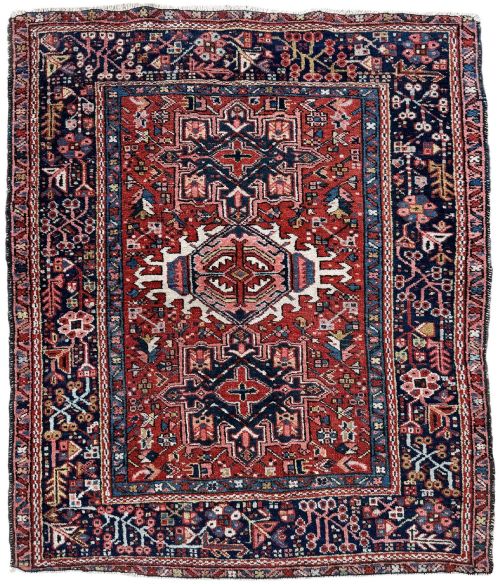
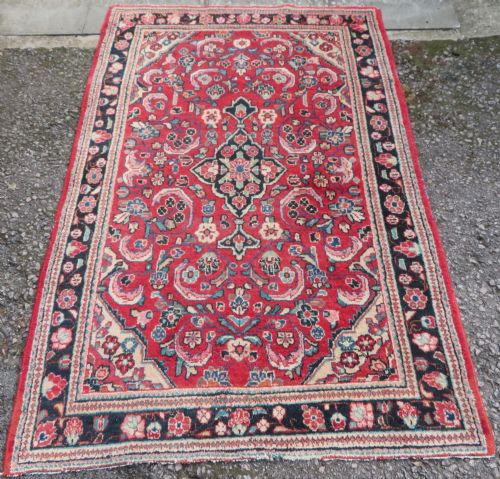
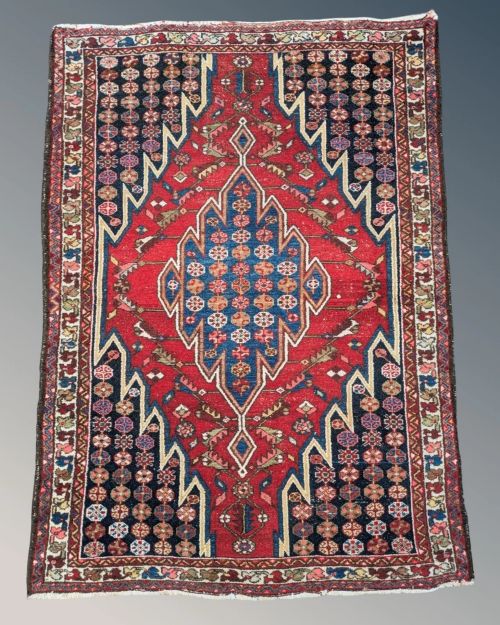
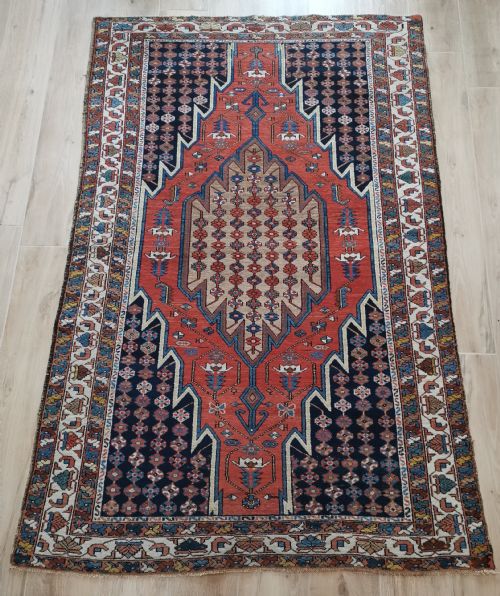


Traditional Village Wool Runner
A traditional village wool runner brings enduring warmth and texture to hallways and narrow spaces through historic tribal craftsmanship.
Traditional Village Wool Runner
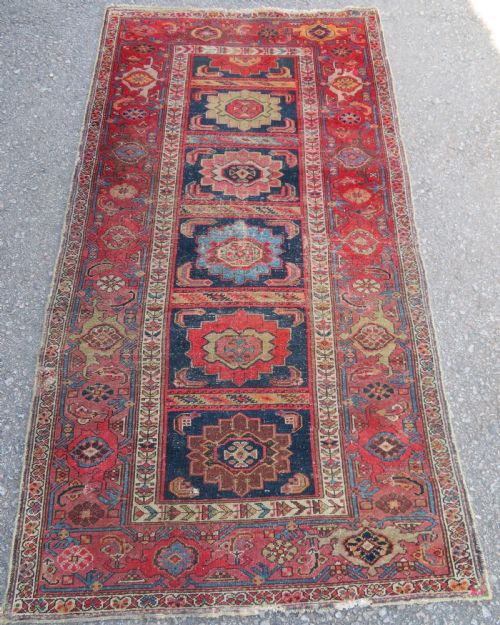
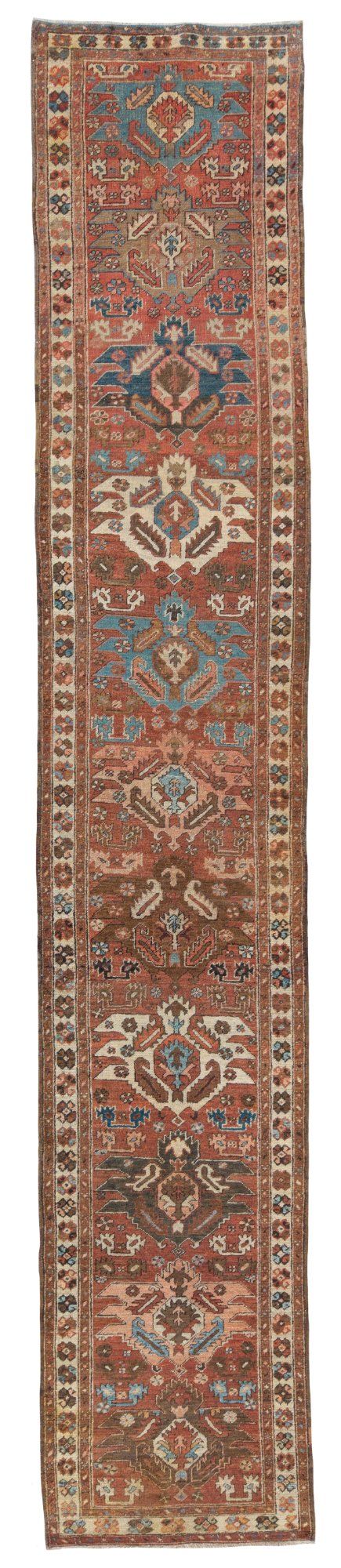
A traditional village wool runner represents long, narrow floor coverings woven in rural communities across Persia, the Caucasus, and Anatolia. These pieces served practical domestic purposes in homes, bridging large rooms or warming cold corridors.
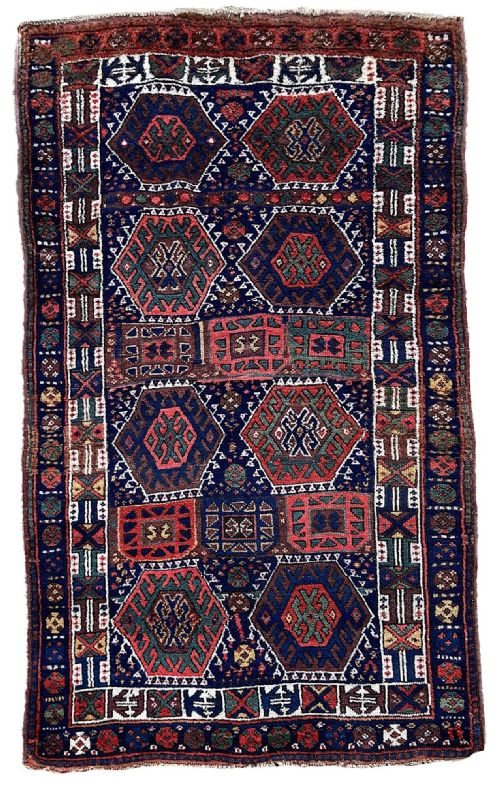
The selections available here span from the mid nineteenth century into the early twentieth century. Common regional types include Kurdish, Bakhtiar, Sarab, and Caucasian weaves produced by village craftspeople rather than urban workshops.
Buyers encounter elongated formats designed specifically for narrow spaces, alongside broader village rugs and carpets. The aesthetic relies on geometric motifs, tribal symbols, and saturated field colours derived from natural sources.
How they were made
Weavers utilised hand-spun wool and cotton foundations, often incorporating camel hair for natural tone variations. These organic fibres yielded durable, resilient piles capable of withstanding generations of daily foot traffic.
Colours came from natural dyes applied to hand-spun wool, producing rich tones that mellow gracefully over decades. Artisans knotted the pile by hand onto sturdy warps andwefts, finishing the edges with tight wool selvages.
Listings span from the mid nineteenth century to the 1930s, featuring Persian, Caucasian, and Anatolian tribal origins.
What varies in quality
Quality rests upon the fineness of the knotting and the integrity of the foundational wool. Tighter structures and precise geometric execution separate master village work from simpler utilitarian weaving.
The purity and depth of the natural dyes influence visual longevity. Well-preserved dye lots maintain vibrant contrasts across the field, whereas uneven fading alters the intended balance of the design.
The Traditional Village Wool Runner Glossary
- Wool
- The primary pile material sheared from sheep, valued for its natural lanolin content and resilience. It accepts natural dyes readily and softens gracefully with age.
- Natural Dyes
- Colourants extracted from plants, insects, and minerals before the advent of synthetic alternatives. They produce nuanced shades that develop a pleasing patina over time.
- Hand-Spun Wool
- Yarn twisted by hand rather than by industrial machinery, resulting in varying thickness and texture. This traditional method gives village rugs their characteristic organic surface.
- Prayer Rug
- A smaller format featuring a mihrab or arch design indicating the direction of prayer. These pieces served personal devotional use in homes.
- Camel Hair
- Untwisted or spun fleece from camels, utilised for its durable, un-dyed golden-brown tones. It adds subtle warmth and texture to specific tribal regions.
Traditional Village Wool Runner: Frequently Asked Questions
Where should I place a long runner?
These narrow formats suit hallways, landings, and corridors where foot traffic requires floor protection. Their elongated proportions also anchor galley kitchens or bedside areas effectively.
Ensure the dimensions leave adequate exposed flooring around the edges for a balanced appearance. A suitable underlay helps keep the piece stable on smooth surfaces.
How do I clean old wool runners?
Regular gentle vacuuming without a beater bar removes surface dust and grit from the pile. Professional specialist cleaning remains necessary for deeper washing to protect natural dyes.
Avoid soaking the foundation or using harsh chemical detergents. Prompt attention to spills prevents moisture from settling into the hand-spun wool.
Can these runners handle heavy hallway use?
Hand-spun wool and dense village knots provide natural durability suited for active domestic spaces. Historic pieces have already survived decades of daily use through sound structural integrity.
Using a quality rug pad reduces friction against the floorboards and cushions the pile. This extra layer extends the operational lifespan of older woven textiles significantly.