





Traditional Velvet Wing Chair
A traditional velvet wing chair offers a deep seat and draught-excluding wings, bringing heritage comfort and commanding presence to any room.
Traditional Velvet Wing Chair
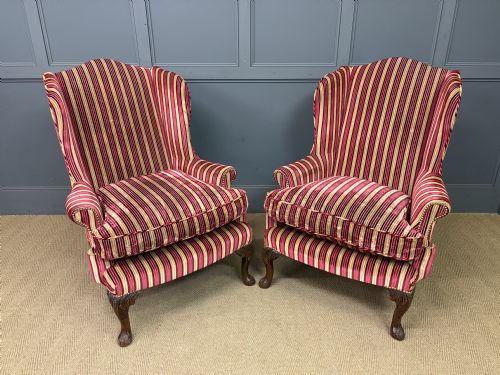
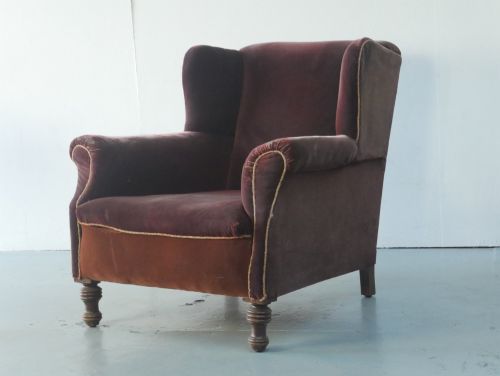
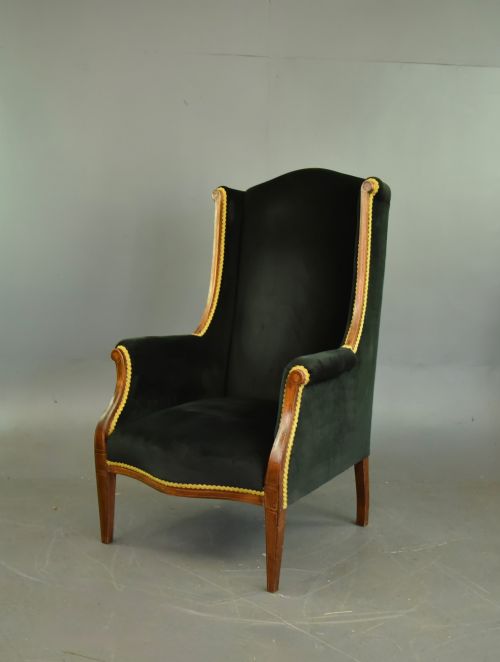
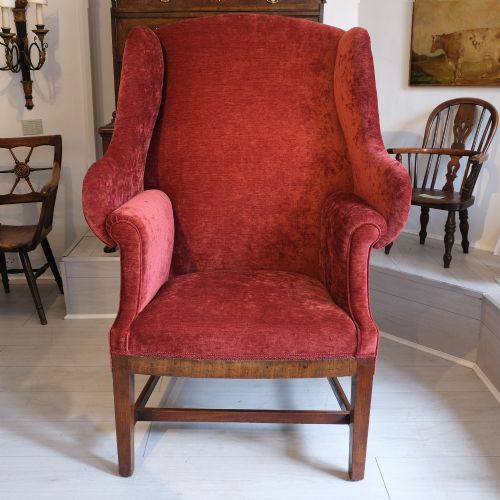
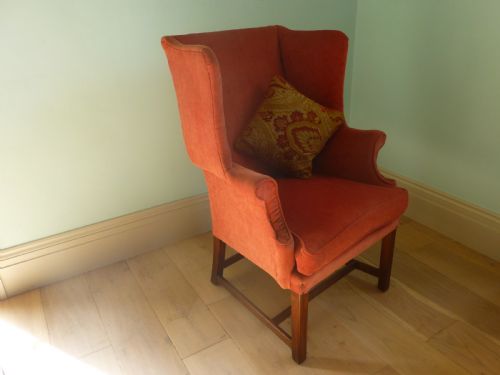
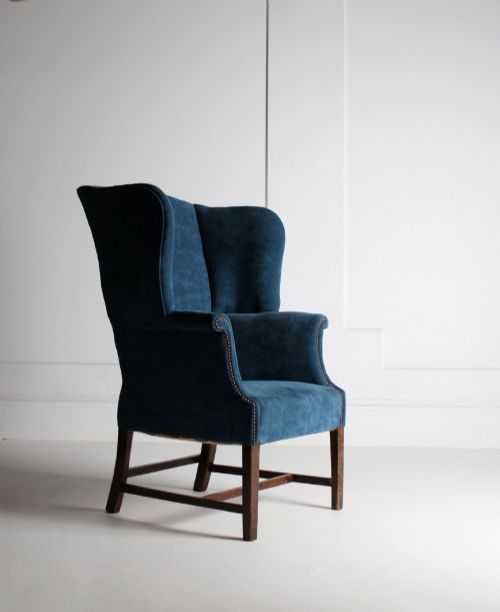
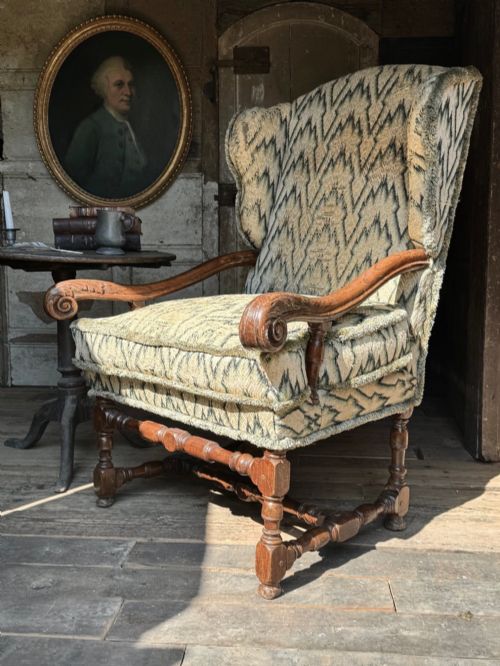
A traditional velvet wing chair is an armchair designed with protective side panels on the back, known as wings, which originally served to trap heat from a fireside and block draughts. Buyers seeking this phrase encounter pieces spanning from the 18th century through to the Edwardian period and early 20th century. The selection includes Georgian originals alongside later revivals, country house examples, and French provincial forms.
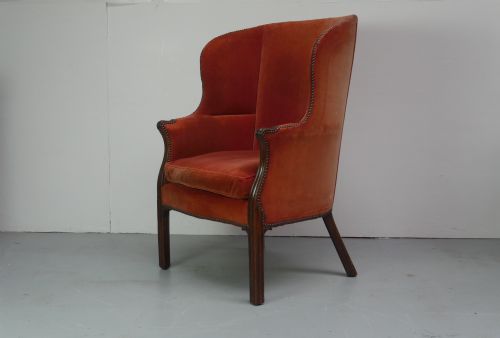
Most examples found on this page date from the 19th century and the Edwardian era, often featuring mahogany, walnut, or oak frames. Variants range from barrel-backed seating and generous proportions to pairs of walnut-framed chairs and Howard-style armchairs. Upholstery varies from green and burnt orange textiles to traditional velvet.
Construction and materials
Frames are constructed from hardwoods such as mahogany, walnut, oak, and general timber, providing a sturdy architectural skeleton to support the deep upholstery. Joinery techniques of the period ensure stability across Georgian and later 19th-century workshop production.
The primary textile covering is velvet, accompanied by chenille twill and other traditional textile variants. Brass fittings occasionally appear on castors or structural accents, complementing the rich wooden frames.
Traditional Velvet Wing Chair Retail Price Guide 2026
Typical asking prices for traditional velvet wing chair among the pieces listed under this phrase on Sellingantiques today, from the lower quarter to the upper quarter. They describe what is for sale here now, not the wider market.
Period origins on this page span from the 18th century through the Victorian and Edwardian eras into the 1930s.
Judging the quality of the build
Quality rests in the integrity of the timber frame and the proportion of the wings, which dictate the visual balance of the silhouette. Finer pieces demonstrate careful cabinetry in the mahogany or walnut legs and fluent curves in the upholstered cheeks.
The distinction between standard examples and exceptional pieces lies in the subtlety of the period styling, whether authentic Georgian joinery or accomplished Edwardian and revival craftsmanship.
Howard And Sons
The Traditional Velvet Wing Chair Glossary
- Wingback
- An armchair featuring projecting side panels attached to the backrest. These wings were originally designed to shield the occupant from drafts.
- Barrel back
- A seating form where the back and arms form a single continuous semicircular curve. This shape envelops the sitter more closely than a flat-backed chair.
- Chenille twill
- A woven textile with a textured, velvety pile formed by fuzzy yarn. It provides an alternative soft touch to standard velvet upholstery.
- Gainsborough chair
- An armchair with an upholstered back and seat, open arms, and short cabriole or straight legs. They are traditionally wider in proportion than standard fireside seats.
Traditional Velvet Wing Chair: Frequently Asked Questions
What is a traditional velvet wing chair?
A traditional velvet wing chair is an upholstered armchair featuring high side panels designed to block draughts. They span periods from the 18th century to the Edwardian era.
These chairs provide deep seating and historical character, appearing in mahogany, walnut, and oak frames with diverse textile finishes.
How do I date a wingback armchair?
Dating relies on examining the timber frame construction, leg style, and upholstery methods. Georgian pieces display period joinery, whilst Edwardian examples often show lighter inlay work.
Comparing the stretcher arrangement and wood species helps distinguish 18th-century originals from 19th-century and later revivals.
Where should I place a wing chair?
These chairs suit fireside settings, studies, or drawing rooms where their high backs and wings can frame a seating area. Their substantial scale makes them effective anchor pieces.
Pairs look particularly striking placed opposite each other or flanking a fireplace.
What is the difference between Georgian and Edwardian chairs?
Georgian chairs originate from the 18th century, featuring robust mahogany or oak frames and authentic period proportions. Edwardian versions, built around 1900, often incorporate lighter wood inlays and revival styling.
Both share the classic wingback silhouette but reflect the distinct cabinet-making preferences of their respective eras.