


Traditional Uzbek Silk Panel
These traditional uzbek silk panel examples bring vibrant Central Asian needlework and ikat weave into contemporary spaces.
Traditional Uzbek Silk Panel
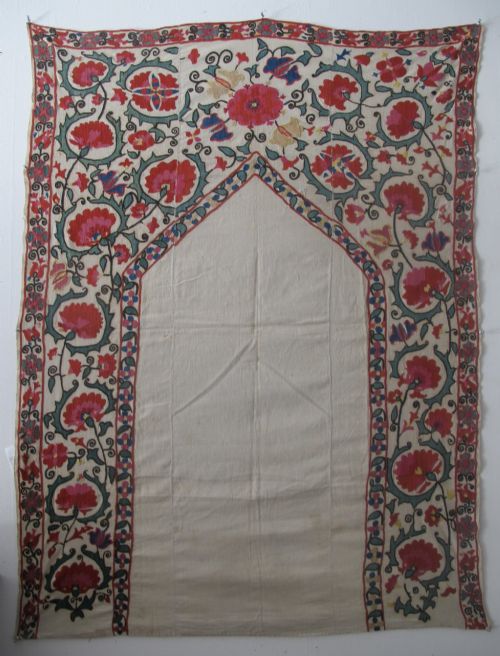
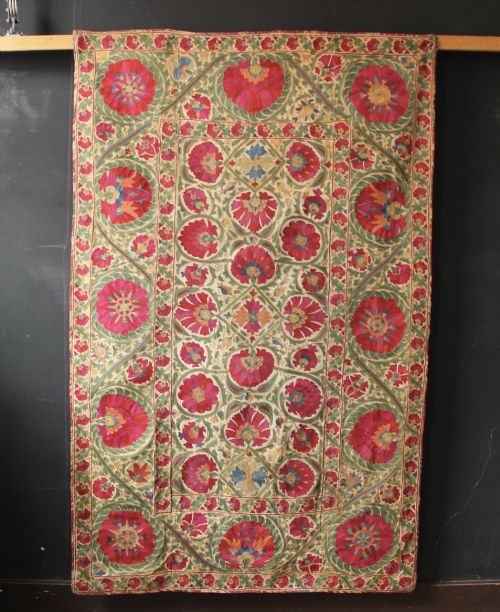
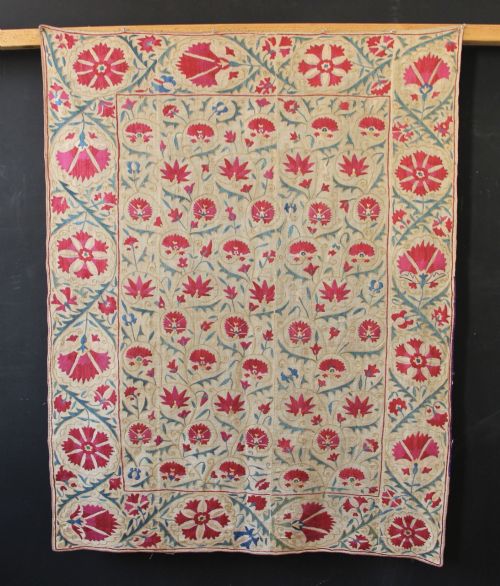
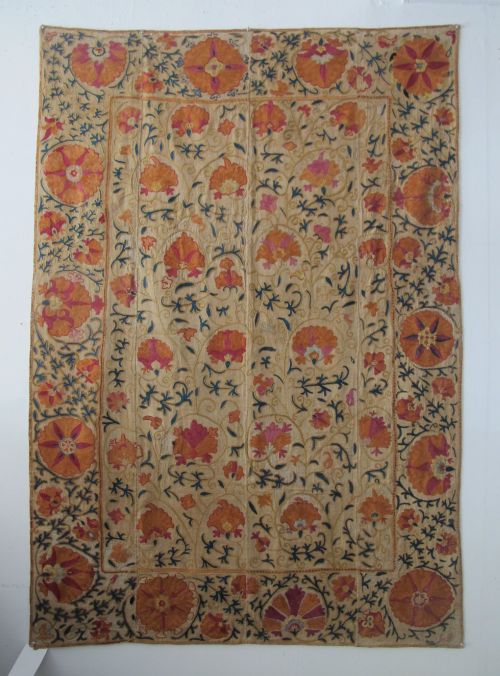
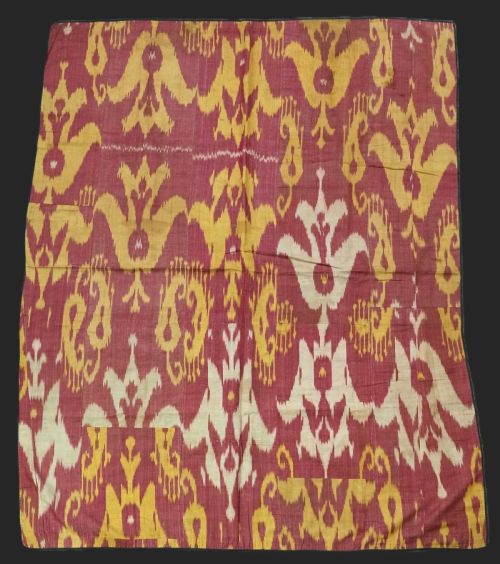
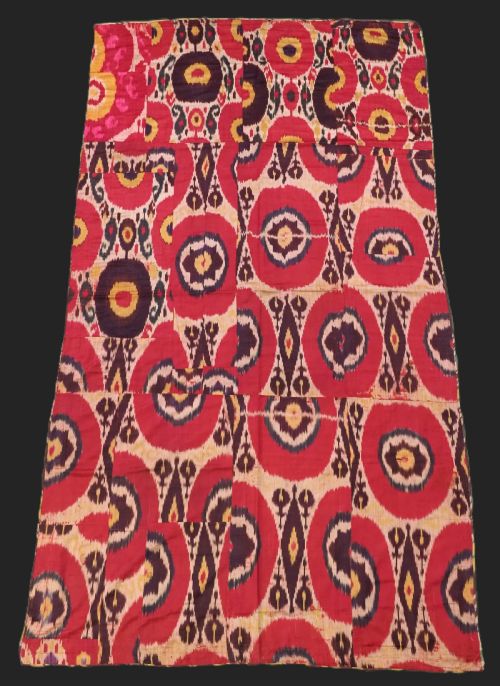
A traditional uzbek silk panel encompasses embroidered hangings and woven fabrics originating from Central Asia, spanning periods from the mid-nineteenth century through the early twentieth century. Buyers encounter large suzanis, smaller nim suzanis, mirror covers, prayer formats, and ikat fabric panels.
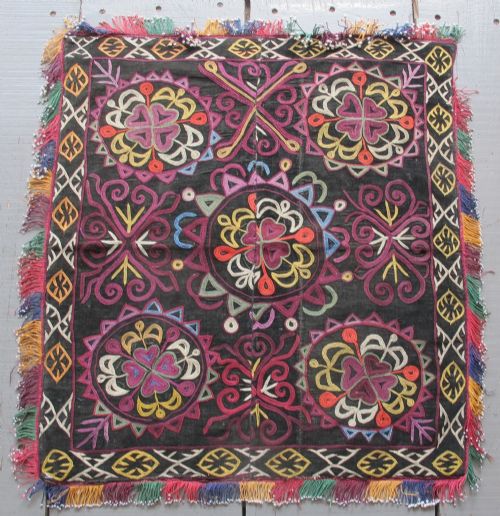
The regional diversity includes specific forms such as Bokhara, Nurata, Shakrisabz, Tashkent, and Uratube pieces, alongside Lakai and Tajik tribal variants. These textiles served domestic and ceremonial functions within households before entering the antique market.
How They Were Made
Maker communities embroidered fine silk thread onto various foundation grounds including cotton, red cotton, black cotton, yellow cotton, linen, wool, and adras, which is a mixed silk and cotton fabric. Certain pieces incorporate glass beads alongside dense needlework.
Ikat fabric panels utilised resist-dyeing techniques on silk yarns prior to weaving, producing blurred geometric and floral motifs. Embroidered suzanis relied on hand-stitched needlework applied to assembled loom widths.
Current listings feature pieces spanning from eighteen-fifty to nineteen-thirty, incorporating silk, cotton, wool, linen, adras, and glass beads across various regional styles.
What Varies in Quality
Density and precision of the silk embroidery define the upper tier of suzanis, particularly in fully worked palak designs where the ground fabric remains largely covered. The complexity of architectural layouts, floral arrangements, and figurative elements alters the visual impact.
The integrity of the foundation cloth, whether cotton, adras, or linen, influences longevity. Subtle variations in natural dye saturation and the intricacy of regional border patterns distinguish standard domestic work from master workshop production.
The Traditional Uzbek Silk Panel Glossary
- Suzani
- An embroidered textile panel originating from Central Asia, traditionally worked in silk on a cotton or linen ground. These large hangings were often created by brides as part of their dowry.
- Nim suzani
- A smaller format suzani, typically measuring roughly half the dimensions of a full-scale wall hanging. They functioned as coverlets or decorative domestic furnishings.
- Adras
- A traditional hybrid fabric woven with a silk warp and a cotton weft. It provides a stable yet lustrous ground for subsequent embroidery or stands alone as an ikat textile.
- Ikat
- A dyeing technique where yarns are resist-dyed in patterns prior to weaving the cloth. This process creates characteristic feathered edges along the motif boundaries.
- Palak
- A fully embroidered suzani design style where the needlework completely covers the background fabric. These densely worked pieces demand extensive labour.
- Torba ilgich
- A hanging or bag used within nomadic and tribal contexts for domestic storage. They display specific regional motifs associated with groups such as the Lakai.
Traditional Uzbek Silk Panel: Frequently Asked Questions
How were traditional uzbek silk panel textiles used originally?
Families utilised these textiles primarily as wall hangings, decorative coverlets, and ceremonial dowry items within Central Asian homes. Certain formats served specific purposes, such as prayer rugs or protective covers for mirrors.
The scale of larger suzanis allowed them to wrap around interior walls or furnish nomad tents, while smaller nim suzanis functioned as bedcovers or horse blankets.
What is the difference between a suzani and an ikat panel?
A suzani is primarily an embroidered textile where needle and silk thread are applied to a pre-woven ground fabric, such as cotton or adras. Artisans stitch floral, architectural, or medallion motifs by hand.
An ikat panel achieves its pattern through resist-dyeing the threads before the weaving process takes place on the loom. This creates characteristic blurred outlines along the geometric and organic designs.
How do you date an antique uzbek silk panel?
Dating relies upon examining the materials, dye types, and structural characteristics visible in the textile. Pieces from the mid-nineteenth century frequently display organic natural dyes and hand-spun cotton foundations.
Early twentieth-century examples may incorporate transitional synthetic dyes or modified backing cloths. Stylistic shifts in regional embroidery also help assign periods between eighteen-fifty and nineteen-thirty.
How should you care for and display a textile wall hanging?
Mounting a textile requires spreading the weight evenly across a supportive backing fabric rather than hanging it directly by suspension loops. Professional framing behind UV-filtered glass protects delicate silk fibres from environmental degradation.
Placement should avoid direct sunlight and fluctuating humidity levels to preserve the natural silk threads and dyed cotton grounds over time.