


Traditional Twin Arm Sconces
Traditional twin arm sconces bring paired symmetry and warm illumination to an interior, drawing on centuries of period design.
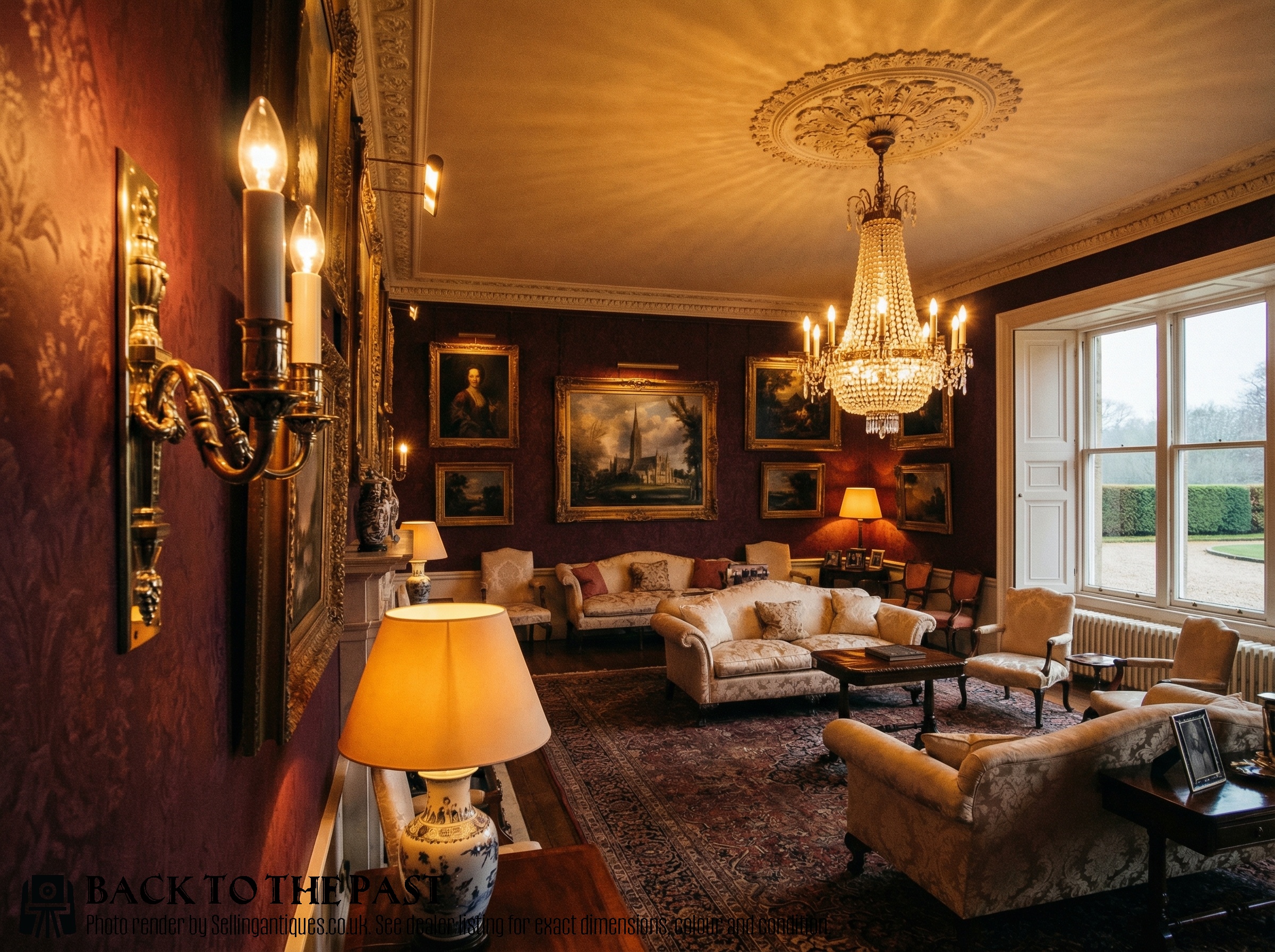
Traditional Twin Arm Sconces
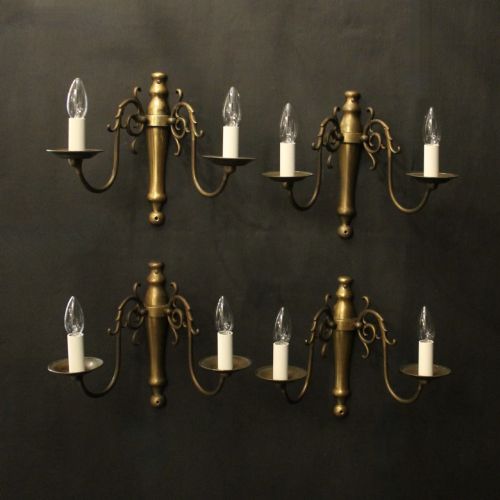
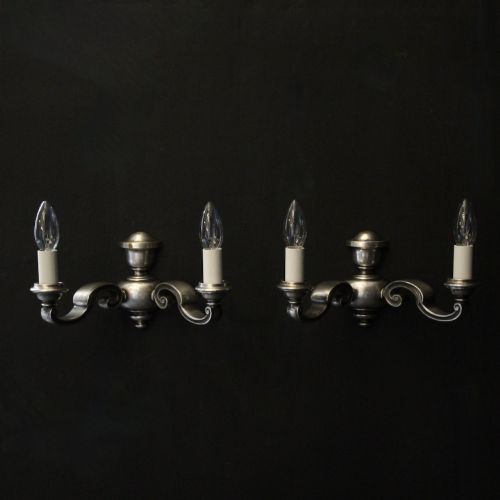
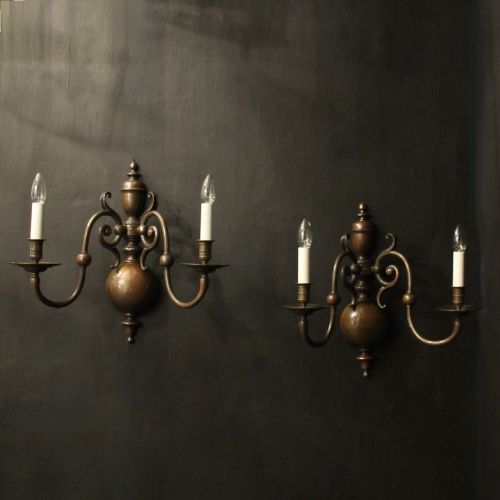
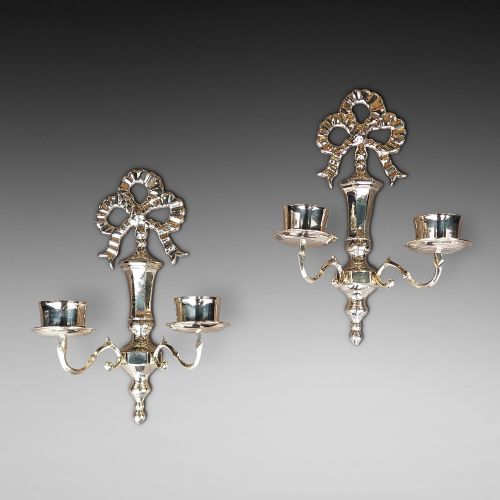
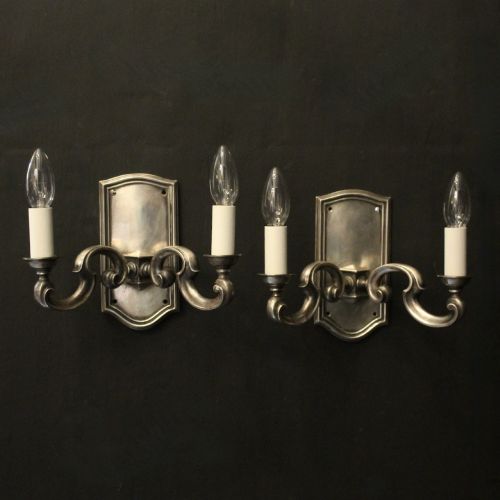
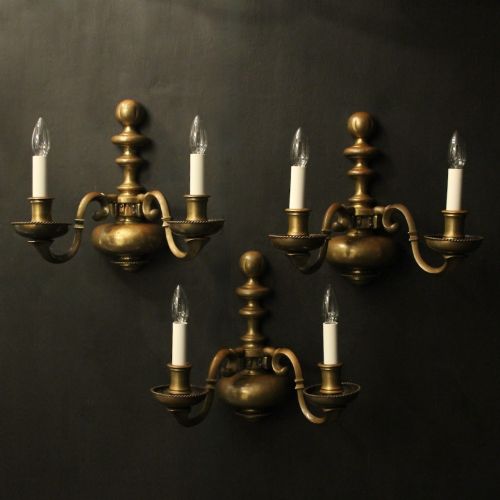
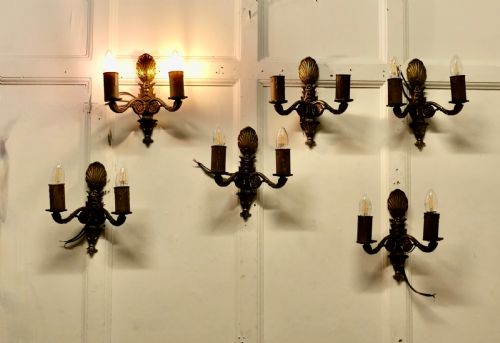
Traditional twin arm sconces are wall-mounted lighting fixtures designed with two distinct branches to hold candles or electric lamps. When searching for traditional twin arm sconces, buyers encounter brass, silver plated, and bronze fixtures dating from the nineteenth and early twentieth centuries. These pieces function primarily as decorative wall lights that project ambient illumination across a room.
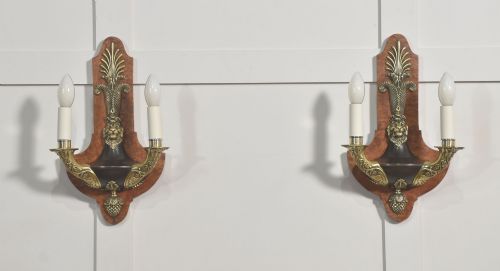
The selections available span revival aesthetics including Georgian, Edwardian, and Neoclassical styles. Wall lights and wall sconces form the majority of the current pieces, alongside related double-arm candlesticks. Most items originate from English workshops or follow French and Empire design traditions.
Brass is the material most frequently met on this page, appearing in both cast and repolished forms. Silver plated metal and bronze fixtures also feature regularly, occasionally paired with cut glass or burr walnut elements.
How they were made
Makers utilised casting techniques to shape heavy brass and bronze components into rigid wall plates and curving arms. Metal casting allowed workshops to produce repeating decorative motifs such as acanthus leaves and classical urns.
Silver plating was applied over base metals to provide a reflective finish mimicking solid silver. Glass components such as cut glass drops were shaped by hand and polished to refract light from the twin branches.
Object forms span wall lights, wall sconces, candlesticks, and candelabra with twin-branch configurations.
What varies in quality
The standard of a piece rests on the crispness of its metal casting and the depth of hand-chasing applied to the surface. Stronger examples display sharp relief in ornamental details like floral swags and reeded arms, whereas simpler items show softer edges.
Proportion and weight distinguish robust constructions from lighter commercial output. Substantial bronze and heavy cast brass fixtures maintain structural integrity along the mounting plates better than thin stamped metal alternatives.
F. & C. Osler
The Traditional Twin Arm Sconces Glossary
- Sconce
- A wall-mounted lighting fixture designed to carry candles or electric lamps. These fixtures project outward from the wall surface to illuminate hallways or principal rooms.
- Twin-branch
- A configuration featuring two distinct arms extending from a central backplate. This design doubles the light output of a single fixture while maintaining symmetrical balance.
- Repolished
- A surface treatment where aged metal is cleaned and polished to restore its original brightness. This process removes tarnish and highlights the underlying brass or bronze tone.
- Neoclassical
- A decorative style inspired by classical antiquity prevalent during the eighteenth and nineteenth centuries. Pieces in this style utilise geometric symmetry, urns, and foliate swags.
- Empire Style
- A nineteenth-century design movement characterised by heavy classical motifs and military triumphs. Items of this aesthetic frequently incorporate dark woods paired with cast metal mounts.
Traditional Twin Arm Sconces: Frequently Asked Questions
How do I install wall sconces?
Wall sconces require secure attachment to wall studs or appropriate wall anchors to support their weight. Electrical wiring must be connected by a competent person according to local regulations.
Surface-mounted wiring channels or recessed junction boxes accommodate the backplate depending on the property's construction. Ensure the wall plate sits flush against the plaster for stable mounting.
Were these lights originally for candles?
Many nineteenth and early twentieth-century examples started life holding wax candles before conversion to electricity. Sockets and wiring are frequently added later to adapt these pieces for modern domestic use.
Converting traditional fixtures allows period interiors to retain authentic metalwork while benefiting from electric illumination. Inspect the internal wiring of any antique light before connecting it to a power source.
How do I clean brass and bronze sconces?
Dust metal surfaces regularly with a soft dry cloth to prevent grime accumulation. Avoid abrasive cleaners that strip patination from antique brass or bronze components.
Silver plated sections require non-abrasive polishes specifically formulated for plated items. Gentle care preserves the historical finish built up over decades of use.
What rooms suit twin arm sconces?
Twin arm sconces suit dining rooms, hallways, and living spaces where symmetrical lighting creates a formal atmosphere. Placing fixtures on either side of a mirror or fireplace enhances architectural balance.
Lower-output candle styles work well in intimate seating areas to provide ambient background lighting. Position the sconces at eye level to ensure even distribution across the wall space.
How do I date an antique sconce?
Dating relies on stylistic clues, manufacturing techniques, and the type of metal alloys used in the backplate and arms. Revival periods like the Edwardian era often reinterpreted earlier Georgian or Neoclassical motifs.
Examining screw threads, mounting fixings, and wear patterns provides further indication of age. Comparing pieces to dated examples helps narrow the period of manufacture.