
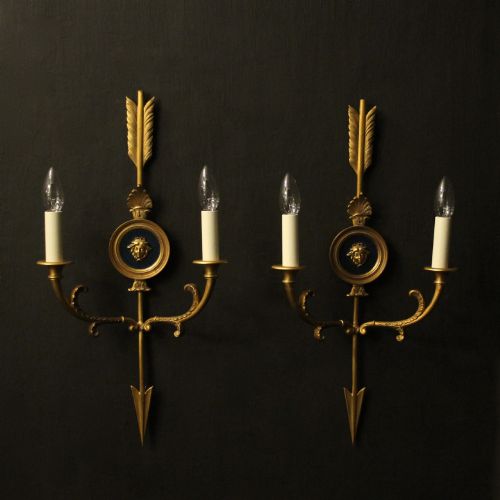
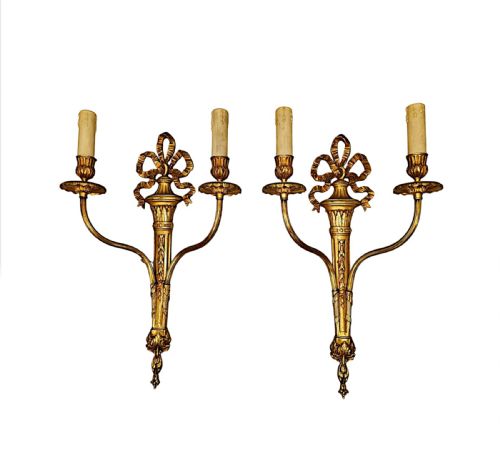
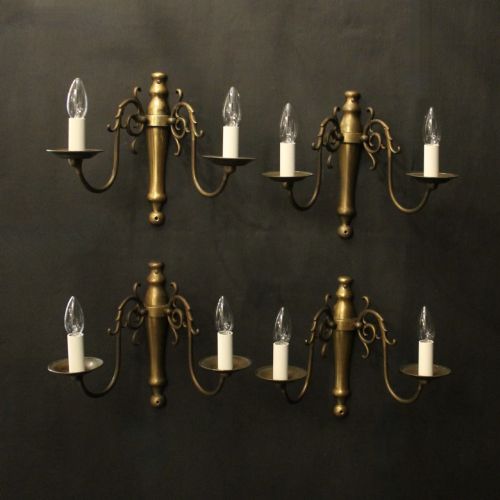
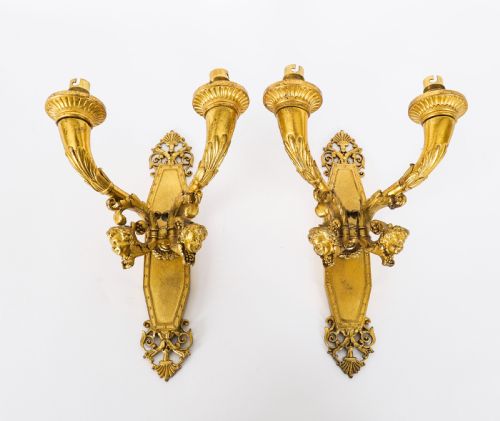
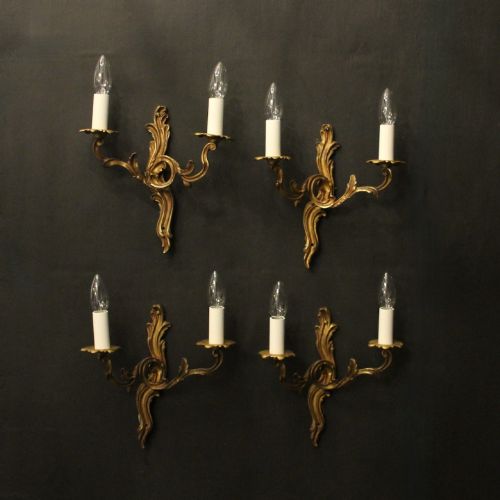

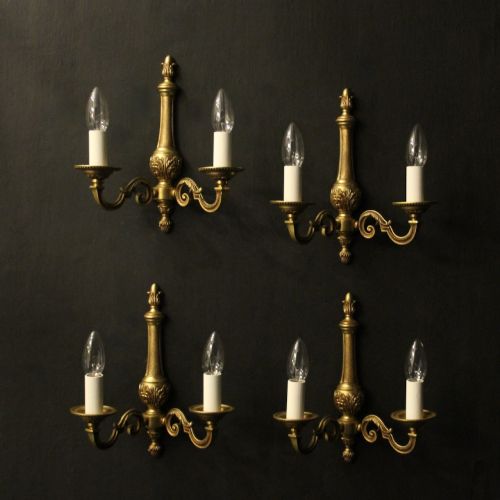
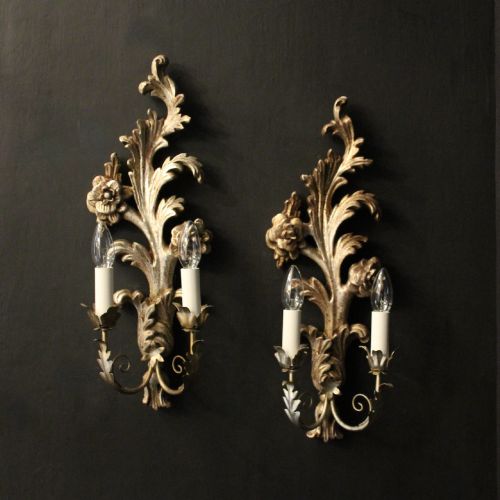
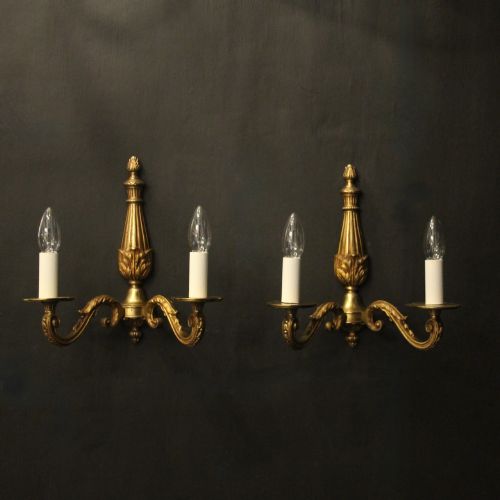
Twin Light Sconces
Twin light sconces bring historic illumination to walls through matched arms and classic metals.
Twin Light Sconces
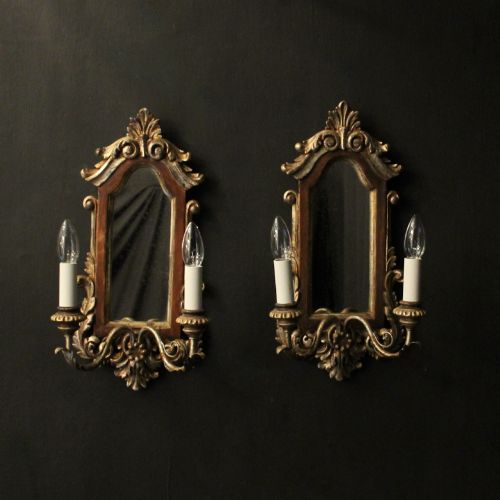
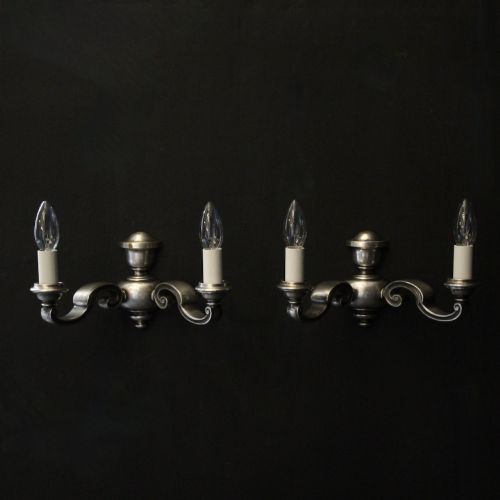
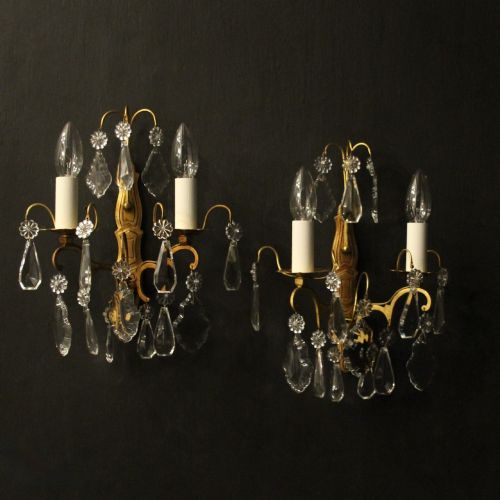
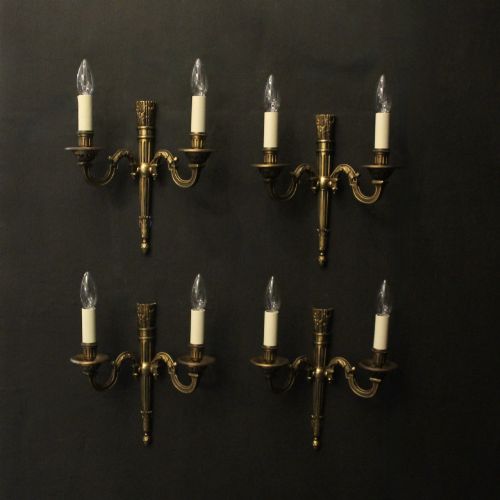
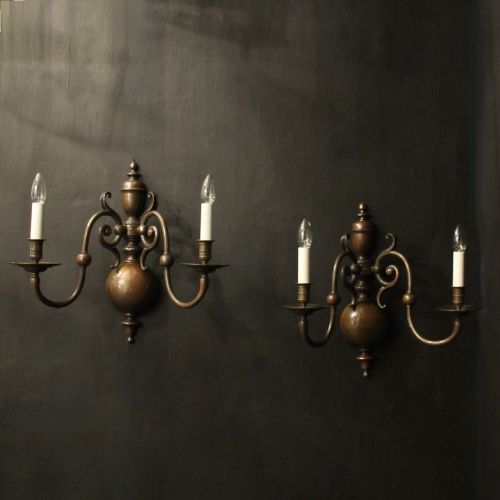
Twin light sconces are dual-branched wall-mounted lighting fixtures designed to hold candles or electric bulbs, taking the form of wall lights, girandoles, and candle lamps.
Buyers browsing this selection will frequently encounter French examples from the early twentieth century featuring twin arms.
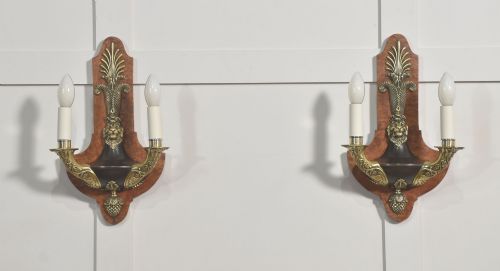
The objects span varied periods including the nineteenth century, Victorian era, and the nineteen thirties, with stylistic influences ranging from French Rococo to Florentine and Empire.
Materials and Construction
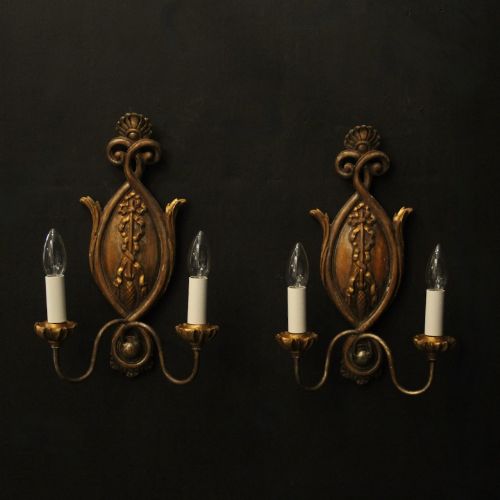
Craftsmen utilised cast metals such as brass, bronze, and ormolu, applying gilding to create rich surface finishes on the twin arms.
Wooden elements appear carved and gilded in Florentine pieces, while other variants incorporate silver plating, crystal, and burr walnut.
Foundry work and metal casting define the construction of these wall fixtures, often incorporating decorative motifs like ribbons and cherubs.
Several sconces peer out from the wall flanked by carved cherubs and delicate ribbons, holding their twin candles aloft through the decades.
Assessing Quality
The refinement of the metal chasing and the depth of the casting separate simpler production models from masterwork foundry pieces.
Superior examples exhibit crisp detail in ornamentation, such as acanthus leaves or figurative elements, alongside substantial weight in the bronze or brass framework.
The integrity of the original gilding or surface finish dictates the visual impact of the fixture upon the wall.
Casier·Bruce Talbert
The Twin Light Sconces Glossary
- Ormolu
- Finely ground high-carat gold mercury-gilded onto a bronze base, providing a rich, durable metallic lustre. This technique is prominent on nineteenth-century French lighting.
- Girandole
- A decorative branched wall light or candelabra, frequently incorporating a mirror backplate to reflect and amplify the illumination. Florentine examples often utilise carved giltwood.
- Rococo
- An ornate artistic style characterised by asymmetrical scrolls, shell motifs, and curving plant forms. This aesthetic heavily influences many French twentieth-century bronze wall lights.
- Sconce
- A wall-mounted lighting fixture designed to project illumination into a room using candles or electrical fittings. These pieces usually feature a secure backplate attaching directly to the wall.
Twin Light Sconces: Frequently Asked Questions
How were twin light sconces originally used?
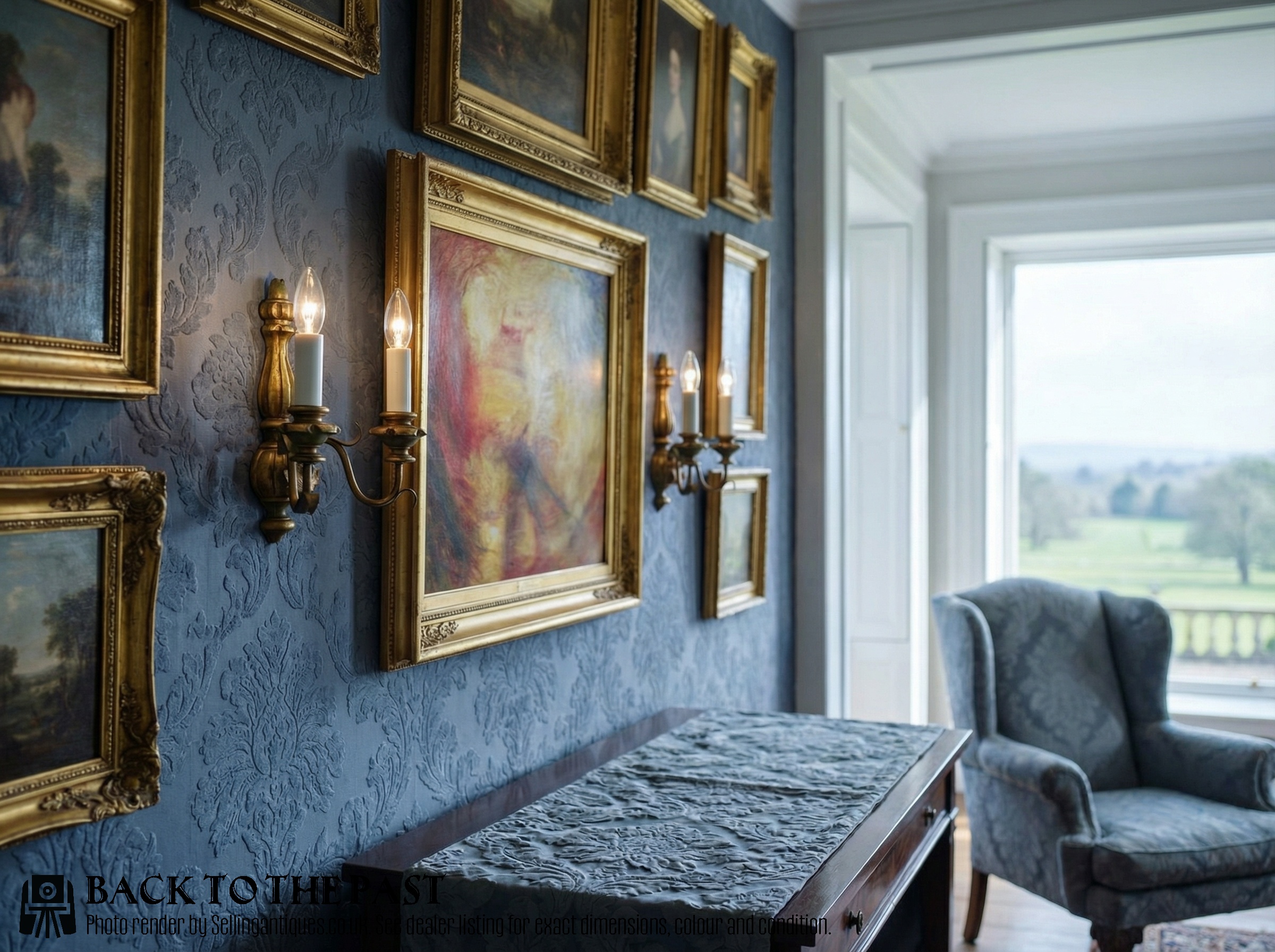
These fixtures were mounted on walls in principal rooms to provide ambient light alongside central chandeliers. Candles placed in the twin branches illuminated hallways and reception spaces before the advent of electricity.
Over time, many surviving examples have been adapted for modern electrical wiring while retaining their traditional bracket mounts.
How do I distinguish French Rococo from Empire style?
French Rococo sconces display fluid, asymmetrical curves, leaf scrollwork, and naturalistic plant motifs. They lean towards decorative exuberance and fluid lines.
Empire style relies on classical symmetry, military trophies, clean geometric proportions, and restrained classical ornamentation.
What is the difference between ormolu and gilded brass?
Ormolu consists of a mercury-gilded bronze base, producing a warm, deep metallic finish typical of finer nineteenth-century French foundry work. Gilded brass uses a brass alloy base beneath a gold leaf or plated surface.
Ormolu generally commands higher appreciation due to the labour-intensive fire-gilding process employed by period artisans.
How should I care for antique giltwood sconces?
Giltwood requires protection from moisture and direct sunlight to preserve the delicate gold leaf and carved wooden substrate. Dusting should be done gently with a soft dry brush.
Harsh chemical cleaning agents must be avoided entirely to prevent stripping the historic gilt finish from the carved surface.