







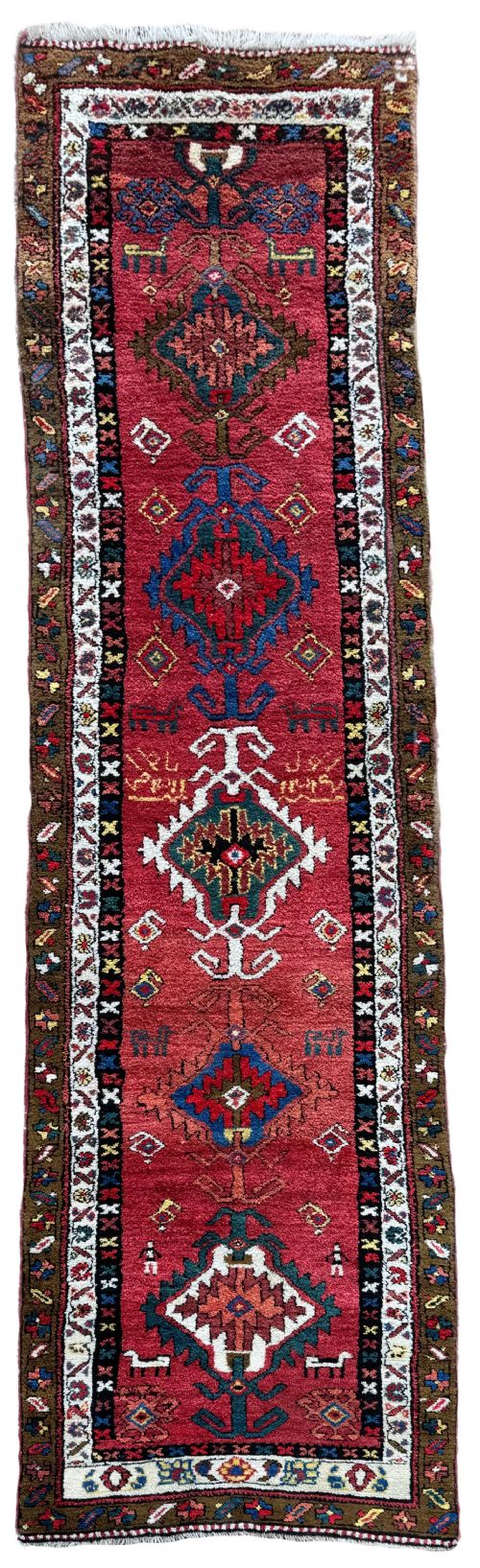
Traditional Tribal Runner
When you choose a traditional tribal runner, you acquire a hand-knotted woolen carpet designed for narrow spaces, bearing the geometric motifs of nomadic weavers.
Traditional Tribal Runner
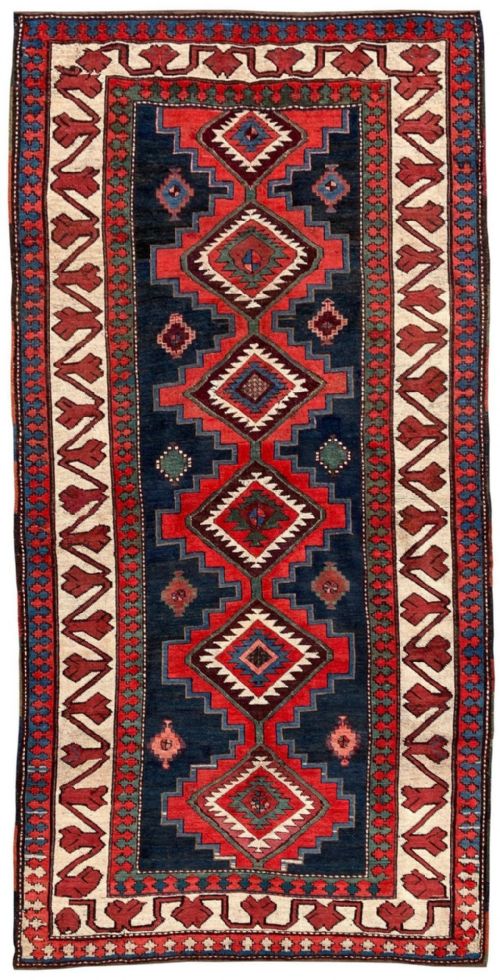
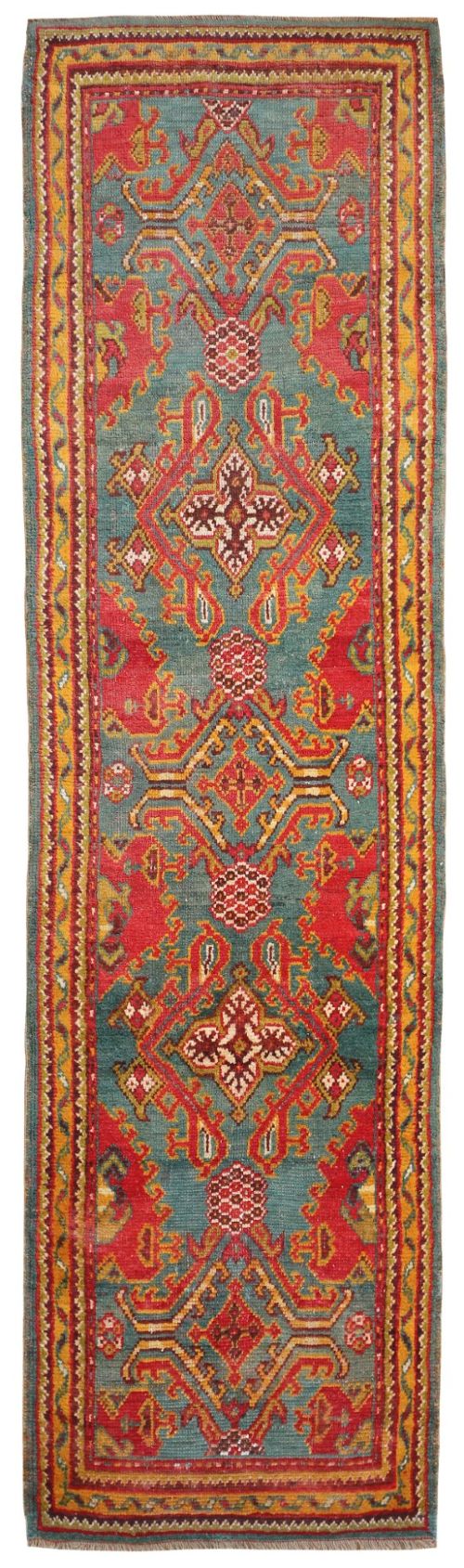
A traditional tribal runner brings together narrow formats suited for hallways and the distinct geometric patterns originating from village and nomadic workshops. Buyers searching this phrase encounter long woolen carpets spanning from the late nineteenth century through to the early decades of the twentieth century.
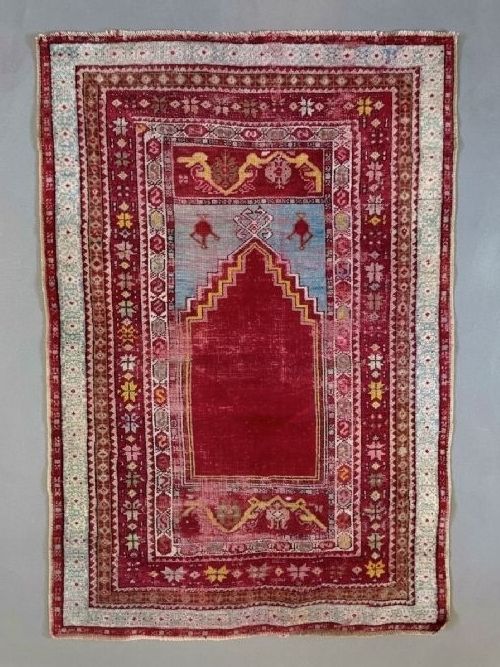
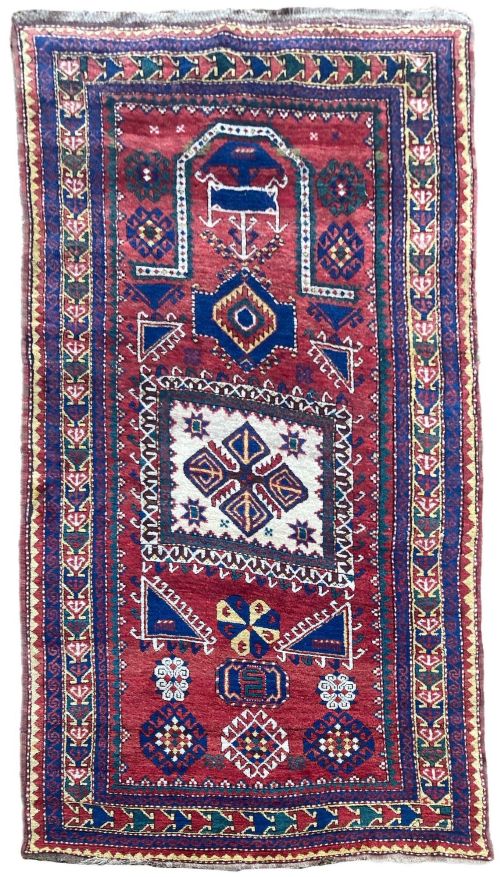
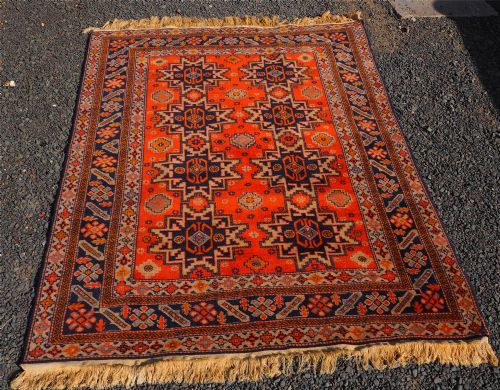
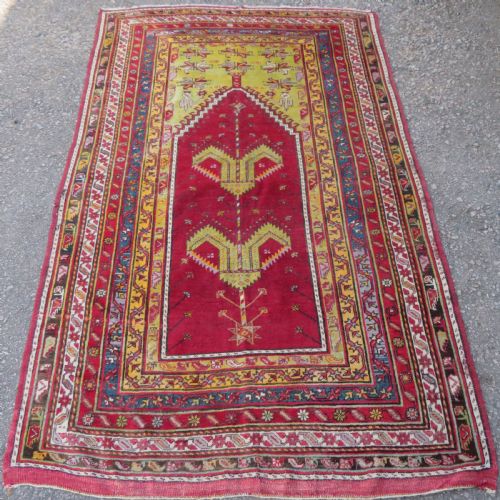
The pieces on this page originate from diverse regions including Persia, the Caucasus, Anatolia, and Central Asia. Forms range from dedicated hallway runner rugs to long village carpets and elongated prayer formats.
Makers include specific regional groups such as Kurdish, Baluch, Kazak, and Heriz weavers. Each group utilises traditional motifs passed down through generations, creating distinct visual markers for the discerning collector.
Materials and Construction Methods
These carpets rely predominantly on wool, cotton, and occasional applications of camel hair for their foundational structure and pile. Weavers utilise hand-spun wool to build a durable surface capable of enduring heavy foot traffic in narrow domestic spaces.
The knotting technique secures the wool pile to a warp and weft foundation, usually constructed from cotton or wool. Natural dyes provide the palette of mellow colours, olive greens, and deep navy blues seen across the regional types.
Object types recorded in the inventory include hallway runners, prayer rugs, and long carpet formats from Persian and Caucasian traditions.
Factors Defining Quality in Weaving
Quality rests upon the fineness of the knot count and the stability of the wool foundation. Tighter knots allow for sharper definition within intricate lattice designs and geometric medallions.
The integrity of the natural dyes and the consistency of the hand-spun wool dictate the visual depth of the runner. Superior examples display harmonious colour saturation and well-balanced proportions along their extended lengths.
Kizyl Ayak Tribe·Baluch·Bakhtiar·Kazak·Ushak·Heriz·Shahsavan
The Traditional Tribal Runner Glossary
- Runner
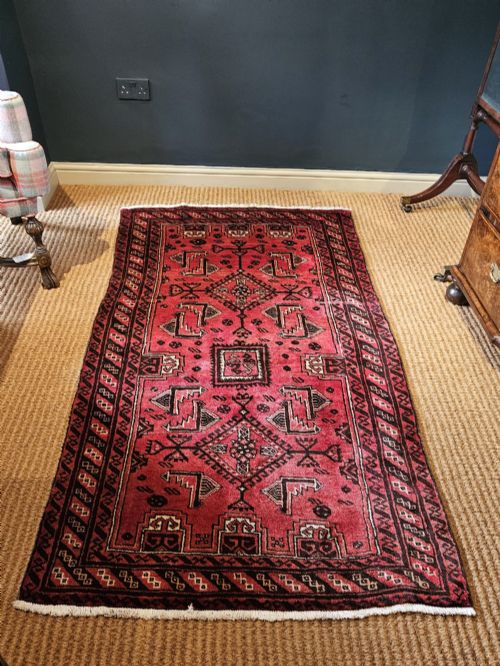
- A long, narrow carpet format designed specifically for corridors, hallways, and bedside placement. These pieces measure significantly longer than they are wide.
- Prayer Rug
- A smaller format featuring a mihrab or arch design indicating the direction of prayer. These pieces served personal devotional purposes within nomadic and village settings.
- Kelleh
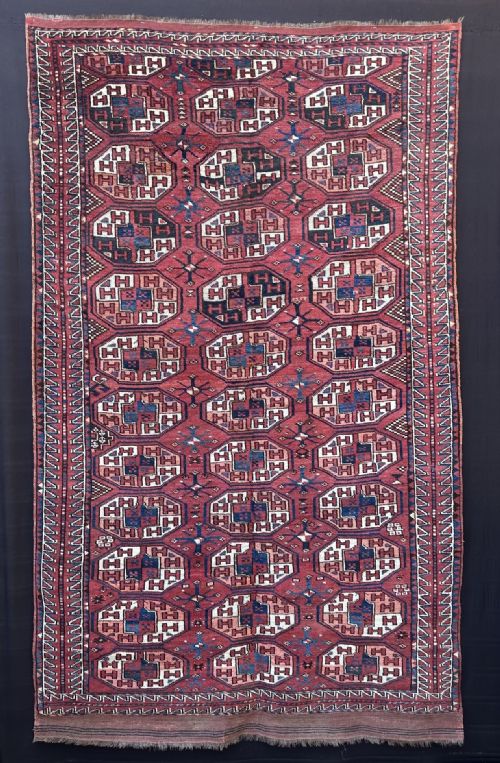
- A large rectangular carpet format, longer than a standard rug but broader than a runner. It traditionally occupied a specific position in a reception room.
- Gul
- A repeating octagonal medallion motif frequently found in Central Asian and Baluch weaving. Each tribal group adapted these geometric symbols with distinct variations.
- Mihrab
- The arched niche design depicted on prayer rugs to symbolise the direction towards Mecca. It forms the focal point of the upper field in classical Anatolian and Caucasian pieces.
Traditional Tribal Runner: Frequently Asked Questions
What defines a traditional tribal runner?
A traditional tribal runner is an elongated, hand-knotted carpet produced by nomadic or village weavers in regions such as Persia, the Caucasus, and Anatolia. These pieces feature geometric patterns and repeating motifs tailored for narrow spaces.
Materials typically consist of hand-spun wool on cotton foundations, utilising natural dyes that age with distinctive character. Their production spans the nineteenth and early twentieth centuries.
Where were these runners placed?
Nomads and villagers utilised these long formats primarily in hallways, corridors, and narrow passageways within traditional homes. Their dimensions accommodated high-traffic areas while providing floor insulation.
In larger country houses or urban dwellings, they served to connect rooms or line long galleries. Their sturdy wool construction ensured durability under daily foot traffic.
How do I identify regional styles?
Regional identification relies upon examining the specific palette, border arrangements, and geometric symbols used within the field. Caucasian pieces often display bold, angular medallions, whereas Persian village runners show intricate lattice work.
Tribes such as the Baluch or Kurdish incorporate distinct guls and deep navy or camel hair tones. Comparing knot structures and wool preparation further clarifies the geographical origin.
How do I care for an antique wool runner?
Care involves gentle vacuuming without a rotating brush bar to protect the hand-knotted wool pile. Professional cleaning suited for antique textiles preserves the natural lanolin and dyes.
Placing an appropriate underlay beneath the runner prevents slipping and reduces friction against hard flooring. Rotating the piece periodically ensures even wear across high-traffic zones.