

Traditional Timber Table
A traditional timber table brings solid grain and honest construction into a room, offering a functional surface shaped by decades of daily use.
Traditional Timber Table
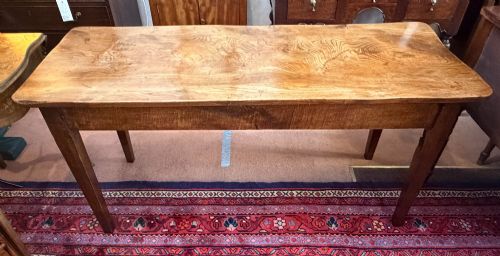
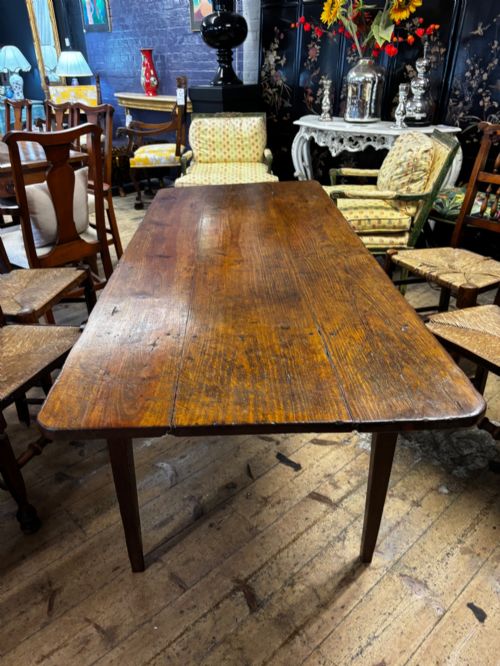
When you search for a traditional timber table, you uncover a utilitarian group spanning dining pieces, desks, and kitchen surfaces. The selection relies heavily on oak, pine, mahogany, and fruitwoods derived from past centuries.
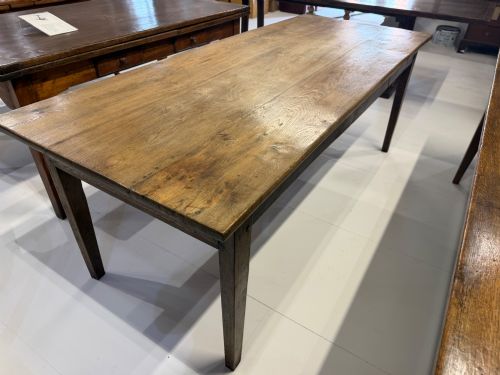
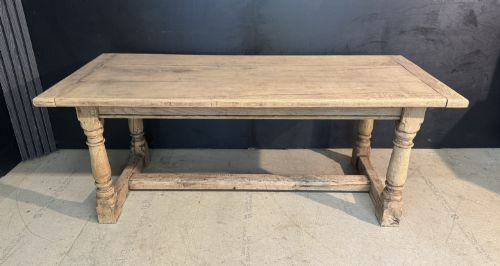
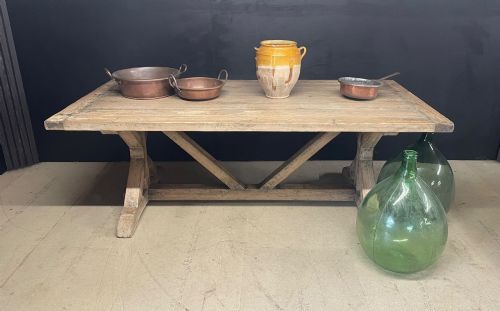
You are most likely to meet sturdy farmhouse tables and modest occasional pieces dating from the nineteenth and early twentieth centuries. These encompass regional variants like cricket tables, tavern tables, and substantial oak or pine dining surfaces.
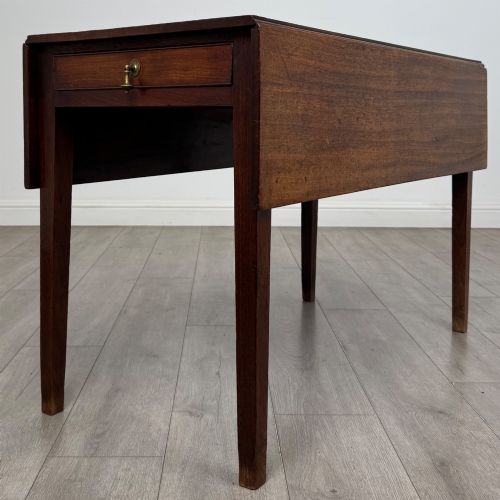
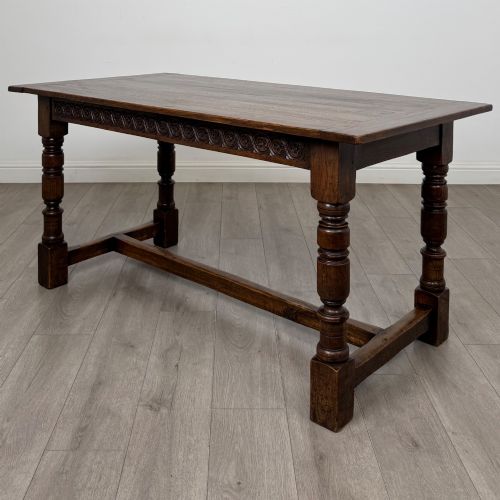
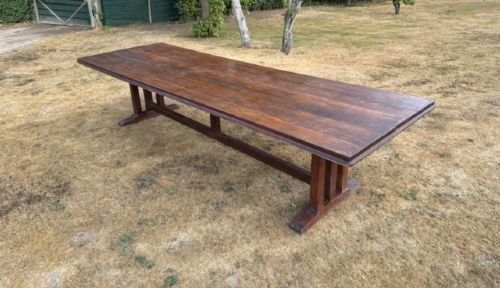
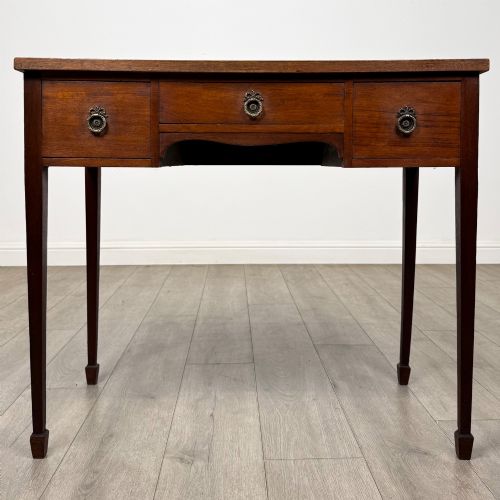
The assortment reaches from Georgian mahogany side tables to rustic nineteenth-century kitchen boards and Edwardian refectory designs. Each type reflects the domestic requirements of its original period without unnecessary ornamentation.
Materials and construction methods
Carpenters utilised dense domestic hardwoods such as oak, elm, and fruitwood alongside softer pines for everyday furniture. These timbers were selected for strength and stability under heavy domestic routines.
Joinery techniques relied on pegged joints, dovetails, and mortise-and-tenon construction to secure heavy tops to sturdy underframes. Secondary materials like brass fittings and leather inserts appear on desks and writing tables.
Surfaces often show plain wax finishes, traces of old paint, or bleached patinas resulting from scrubbing and years of exposure. Natural grain patterns remain visible across tables, desks, and stools alike.
Judging timber quality and age
Substance separates basic workshop output from finer cabinet work, evident in the thickness of the timber tops and the tightness of the joinery. Tables featuring dense fruitwoods, figured mahogany, or well-seasoned oak command greater appreciation among collectors.
The integrity of the structural frame dictates the longevity of each piece. Minimal replacement timber and honest patination from genuine use outweigh heavily restored surfaces.
Proportion and scale distinguish functional country items from more formal urban dining tables and desks. Pieces retaining their original height and unaltered stretchers demonstrate superior historical value.
Trollope & sons
The Traditional Timber Table Glossary
- Cricket table
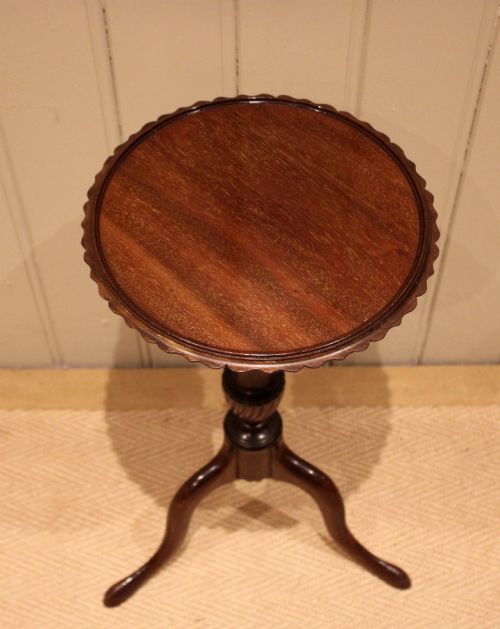
- A small three-legged occasional table with a round top, historically designed to stand steady on uneven flagstone floors. These light tables often employ elm or pine construction.
- Joint stool
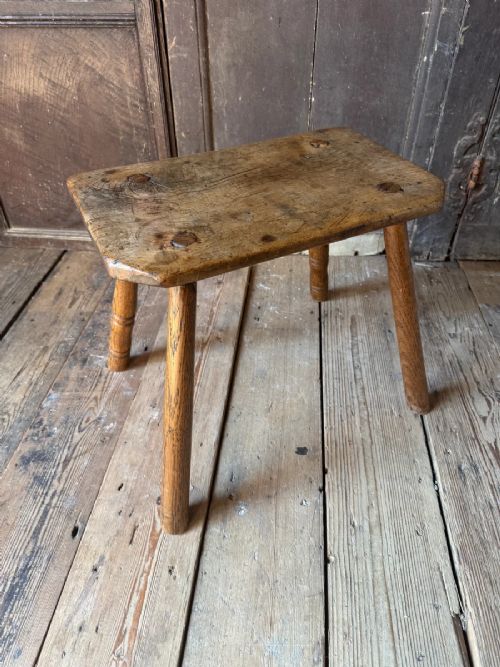
- A sturdy wooden stool built with pegged mortise-and-tenon joints rather than turned legs driven into a seat. They frequently served as auxiliary seating around early dining tables.
- Kneehole desk
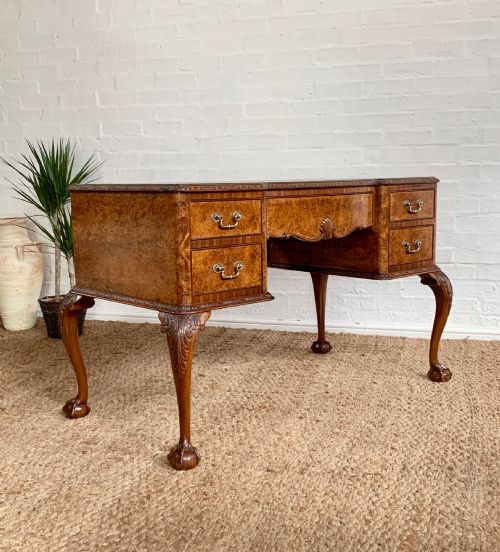
- A writing table featuring a central recess for the user's legs, flanked by pedestals containing small drawers. Mahogany and walnut versions often include inset leather writing surfaces.
- Patina
- The deep surface sheen and mellow colour developed by wood over decades of handling, polishing, and exposure to light. This gradual change is valued as evidence of age and authenticity.
Traditional Timber Table: Frequently Asked Questions
How do I date a timber table?
Dating relies upon examining the timber species, tool marks left by saws or planes, and the style of the joinery. Earlier pieces often display hand-sawn boards and pegged joints.
Secondary indicators include handle styles, shrinkage patterns in the wood, and the nature of the surface finish. Comparing construction methods with documented examples from the eighteenth and nineteenth centuries clarifies the era of origin.
Are pine tables durable enough for daily use?
Pine is a softer wood than oak or mahogany, meaning it absorbs Dents and marks more readily through everyday family life. However, dense historic pine possesses considerable resilience.
Many kitchen and farmhouse tables made from pine were built for heavy labour, enduring decades of scrubbing and preparation. Regular waxing helps protect the surface while preserving the historic character.
What is a tavern table?
A tavern table is a robust timber piece historically designed for commercial alehouses and inns. They feature thick tops and heavy underframes built to withstand heavy public use.
These tables generally use oak, elm, or pine, prioritising stability and plain utility over delicate decoration. Their modest scale suits modern kitchens and dining areas.
How should I care for antique timber?
Maintaining antique wood involves keeping tables away from direct heat sources and sudden humidity changes that cause timber to split. Applying natural beeswax periodically nourishes the grain without building up synthetic residues.
Avoiding harsh chemical cleaners protects the historic patina that develops over generations. Gentle dusting with a soft cloth preserves the surface texture.