
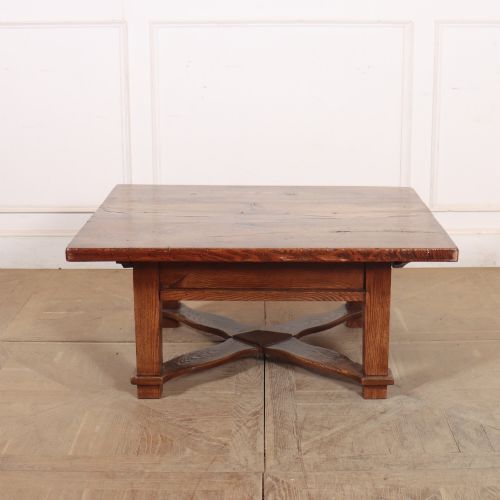


Traditional Timber Low Table
A traditional timber low table brings low-slung utility and rich wood grain to a room, spanning rustic country forms and global vernacular designs.
Traditional Timber Low Table
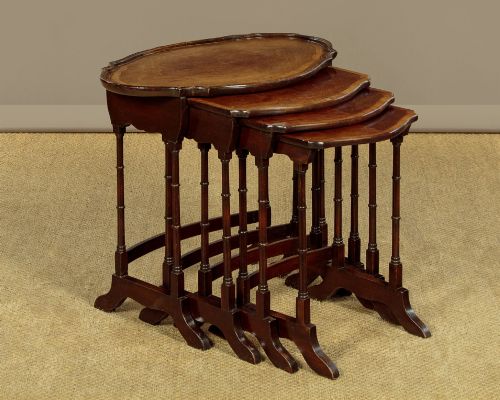
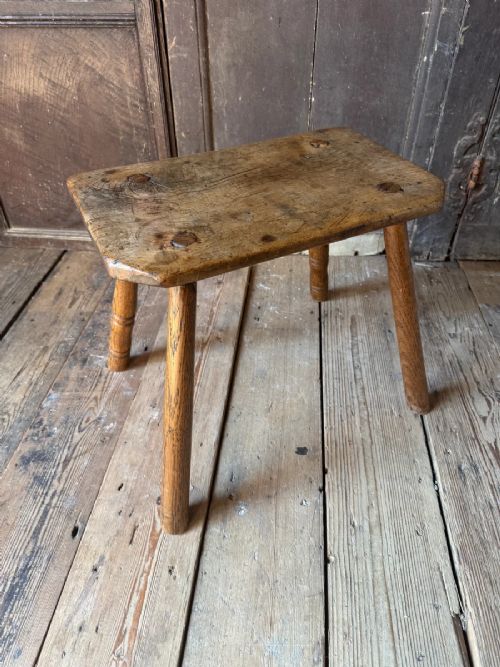
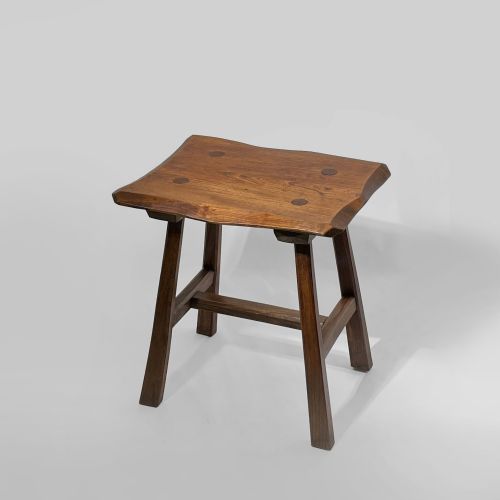
A traditional timber low table covers a broad range of low-level seating, serving surfaces and repurposed items found in the listings. These include coffee tables, stools, benches, desks, writing tables and coffers from various periods.
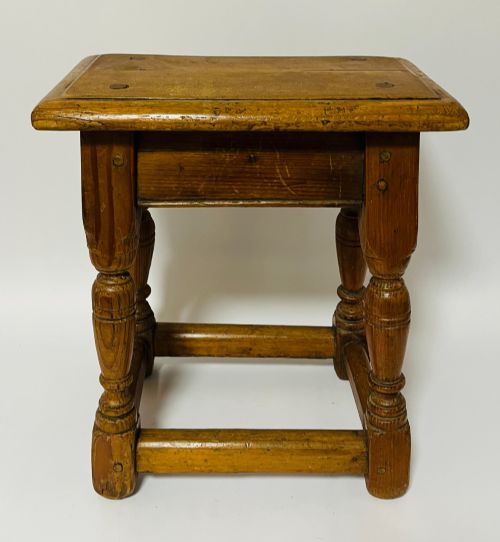
The versions most commonly met on this page span forms such as rustic elm coffee tables, antique pine joint stools and low oriental tables. Origins stretch from English country houses to French farmhouses, Austria, India, Japan and China.
Makers and makers' marks are absent from the titles, leaving the pieces to speak through their timber choice and period construction. The inventory reflects a mix of 18th century, 19th century and early 20th century craftsmanship.
How they were made
Construction relies on solid woods such as elm, pine, oak, walnut, cherry wood, fruitwood, sycamore, ash and mixed hardwoods. Brass fittings appear occasionally as supplementary metalwork.
Joining methods and surface treatments range from plank tops on trestle frames to jointed stools and ebonised finishes. Timbers are worked by hand into utilitarian forms like dough proving boxes and opium tables.
Periods represented on the page stretch from the 18th century through to the Edwardian era and the 1930s.
What varies in quality
Quality rests in the character of the timber and the integrity of the original construction rather than applied decoration. Pieces fashioned from dense grain woods like elm, walnut or cherry hold a stronger presence.
Proportion and utility define the better examples, whether dealing with a French farmhouse cherrywood table with a drawer or a Chinese hardwood plank-top trestle table. Unaltered surfaces and honest patination elevate a piece above simpler vernacular alternatives.
The Traditional Timber Low Table Glossary
- Vernacular
- Everyday objects built by local craftspeople using regional traditions and locally sourced materials rather than high-style metropolitan designs. This term applies to stools and tables made for practical domestic or agricultural use.
- Joint stool
- A sturdy wooden stool built with mortise and tenon joints pegged together. These pieces often double as low tables in modern settings.
- Dough proving box
- A wooden chest or coffer with a flat lid traditionally used for resting bread dough. When lowered in height or repurposed, they serve as coffee tables with deep storage capacity.
- Trestle table
- A table structure composed of horizontal beams supported by trestle feet. The listings include hardwood plank-top versions from the nineteenth century.
- Opium table
- A low-profile Asian table traditionally used for resting while seated on mats or low platforms. These items frequently feature in low coffee table configurations.
Traditional Timber Low Table: Frequently Asked Questions
What is a traditional timber low table used for today?
These pieces function primarily as coffee tables in living spaces, holding books, drinks and decorative objects.
Stools and small benches also find placement as low side surfaces or casual seats near upholstery.
How do I identify an 18th century piece from a 19th century one?
Dating relies on observing tool marks, timber shrinkage, construction joints and overall wear patterns recorded in the descriptions.
Earlier examples often display hand-sawn board dimensions and pegged joints characteristic of regional workshop production.
Are these tables made from solid wood?
The inventory consists of solid timbers including elm, oak, pine, walnut, cherry and fruitwood.
Plank-top construction and solid frames define the structural approach across the furniture types.
Where do these low tables originate?
The pieces hail from diverse regions including England, France, Austria, India, China and Japan.
Each geographical origin brings distinct forms, such as French farmhouse cherrywood tables and Chinese hardwood trestle designs.